 3 images
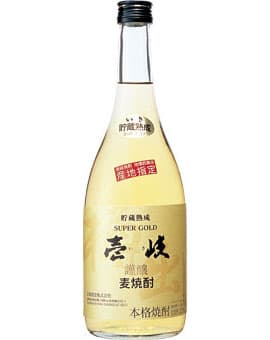
ギフト プレゼント クリスマス 父の日 家飲み 焼酎 麦焼酎 壱岐スーパーゴールド 22度 720ml 1本 箱無し 麦焼酎 長期貯蔵樫樽 長崎県 玄海酒造
おいしく飲呑会
4.9 / 40 reviews
¥1,200
View on Rakuten →Japanese · new tab
Iki is presented here as a Nagasaki regional shochu family. The supplied official GI evidence names “壱岐,” supporting a place-based tie to Iki, but it does not provide further details on climate, history, materials, or technique.
Information updated 65 days ago
3 imagesおいしく飲呑会
4.9 / 40 reviews
¥1,200
View on Rakuten →Japanese · new tab
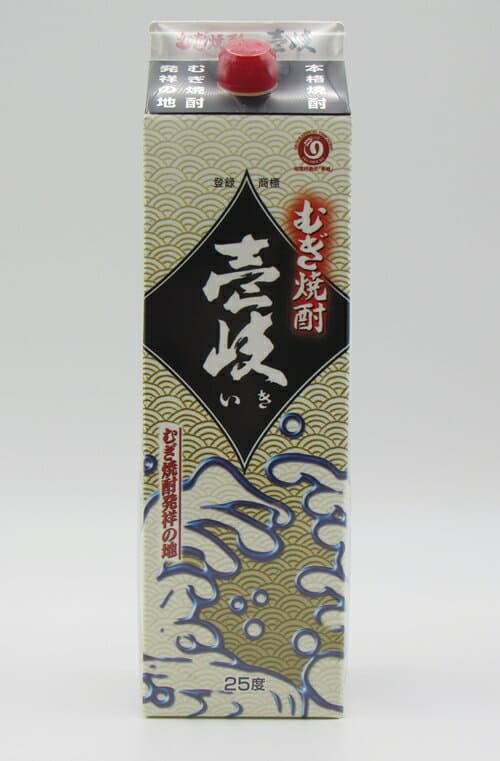
天下御免(マル秘の焼酎、特産品)
4.8 / 6 reviews
¥12,100
View on Rakuten →Japanese · new tab
![壱岐 スーパーゴールド 22 720ml 玄海酒造 箱なし むぎ 麦 焼酎 長崎県 ギフト対応可 ラッピング ボックス 1本用 2本用 熨斗 誕生日 プレゼント お祝い [[wrap01][wrap03]](/_next/image?url=https%3A%2F%2Fthumbnail.image.rakuten.co.jp%2F%400_mall%2Fr-concier%2Fcabinet%2Fitems%2F09250994%2F1sh-00558-1.jpg&w=3840&q=75)
SAKE People
5.0 / 4 reviews
¥1,198
View on Rakuten →Japanese · new tab
 3 images
酒シンドバッド楽天市場店
4.7 / 20 reviews
¥4,980
View on Rakuten →Japanese · new tab
Iki shochu begins on Iki Island in the Genkai Sea, a little over 60 kilometers by water from Hakata. The island’s fields, barley, rice koji, and groundwater give this barley shochu a concrete place to stand. Today seven breweries make it on Iki, working from a shared ratio while giving their spirits different characters through distillation and maturation.
Iki Island lies a little over 60 kilometers from Hakata by sea, in the Genkai Sea. The drink’s long background reaches roughly four to five centuries and brings together fertile fields, rice and barley under the Hirado domain, barley-based doburoku, and distillation techniques that came from the continent. When Iki is associated with the home place of barley shochu, the phrase points to this island setting of grain, rice koji, water, and the still.
The defining frame of Iki shochu is one-third rice koji and two-thirds barley, also described as a 1:2 ratio of rice koji to barley. Rice koji brings natural sweetness, while barley gives aroma. That balance explains why the drink sits clearly within barley shochu while carrying a softer sweetness from koji rather than from added flavoring.
Production starts with rice koji, followed by a first fermentation of koji, yeast starter, and water for about one week. A second fermentation adds steamed barley and continues for about two weeks before distillation turns the fermented mash into new spirit. The sequence keeps the drink tied to concrete materials and tools: koji, water, barley, fermentation tanks, and the still.
Iki’s water is part of how producers explain the drink, including mineral-rich groundwater filtered through basalt layers. Distillation then changes the impression in the glass: atmospheric distillation can leave a roasted, older-style profile, while vacuum distillation tends toward a cleaner and milder one. The difference comes from choices in water, pressure, and heat applied to the mash.
After distillation, the spirit may mature in tanks, jars, oak barrels, or other casks. Aging is linked with rounder flavor and deeper aroma, while the choice of vessel gives each brewery room to shape its own expression. The breadth of Iki shochu comes from these choices layered onto the shared base of rice koji, barley, fermentation, and distillation.
Seven breweries make Iki shochu today: Amanokawa Shuzo, Yamanomori Shuzojo, Genkai Shuzo, Shigeya Shuzo, Sarukawa Izu Shuzo, Iki no Hana Shuzo, and Iki no Kura Shuzo. July 1 is promoted as Iki Shochu Day, and Iki City enacted a 2013 ordinance encouraging toasts with Iki shochu. Place-name protection marks the boundary of the drink; at the table, the visible practice is a local toast poured from an island-made shochu.
The clearest path into Iki shochu runs through place and process: Iki Island, one part rice koji to two parts barley, basalt-filtered groundwater, two fermentations, distillation, and maturation in jars, barrels, or tanks. Within that shared frame, seven breweries keep the drink tied to fields, water, production choices, and present-day toasts on the island.
Compiled from public records and official sources; see the recognition links below. Details may change over time.
Where this selection is officially registered, designated, or recognized in Japan.
Geographical Indication (GI)
Registered under Japan's Geographical Indication Protection System, run by the Ministry of Agriculture, Forestry and Fisheries.
Sources1
Sake is damaged by light and heat, so keep it dark and cool. Namazake and namazume must stay refrigerated throughout, and any bottle should be refrigerated and finished within a few days of opening. Serving temperature is a matter of style rather than rule — ginjo types show their aroma best chilled (around 10°C), while junmai types are fuller warmed to 40–50°C. We don't sell alcohol; purchase and age verification happen on the Rakuten listing.
壱岐 is a sake & spirits from Nagasaki. We compile its regional connection and characteristics against official registries, local sources, and live Rakuten listings.
This is a temperature- or fragility-sensitive item — before travelling, confirm refrigerated/frozen delivery, packaging, and arrival dates on the Rakuten listing. For gifts, prefer shelf-stable, boxed options.
We don't sell directly. This page compiles Rakuten listings and affiliate links; purchase, payment, stock, and delivery all happen on the Rakuten listing.