 3 images
Japanese Souvenir Guide
For Japanese souvenirs, check storage, weight, and packaging first, then regional character — shelf-stable items travel best.
Updated Jul 2, 2026
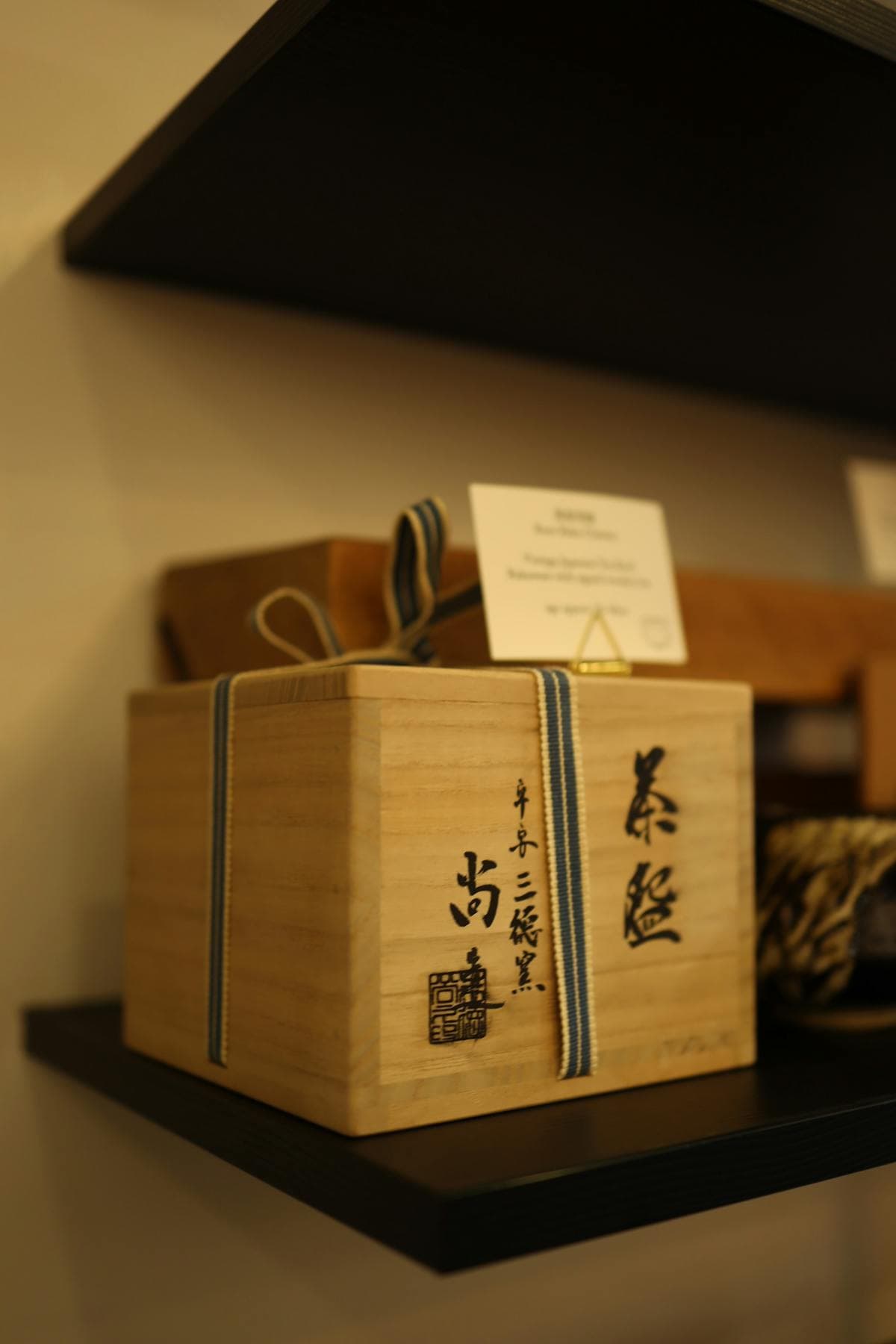
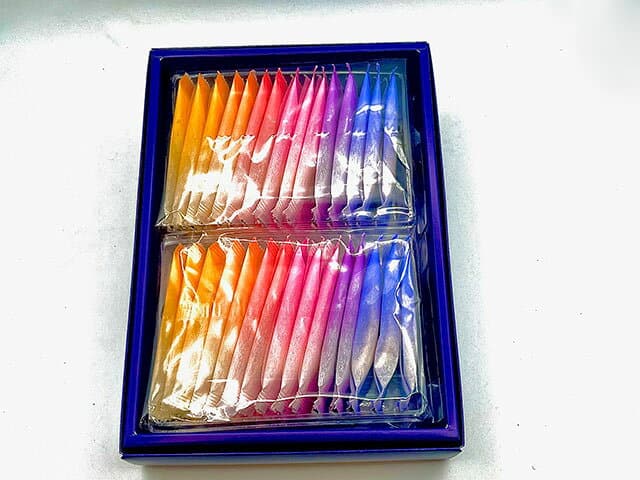
Featured products for this guide
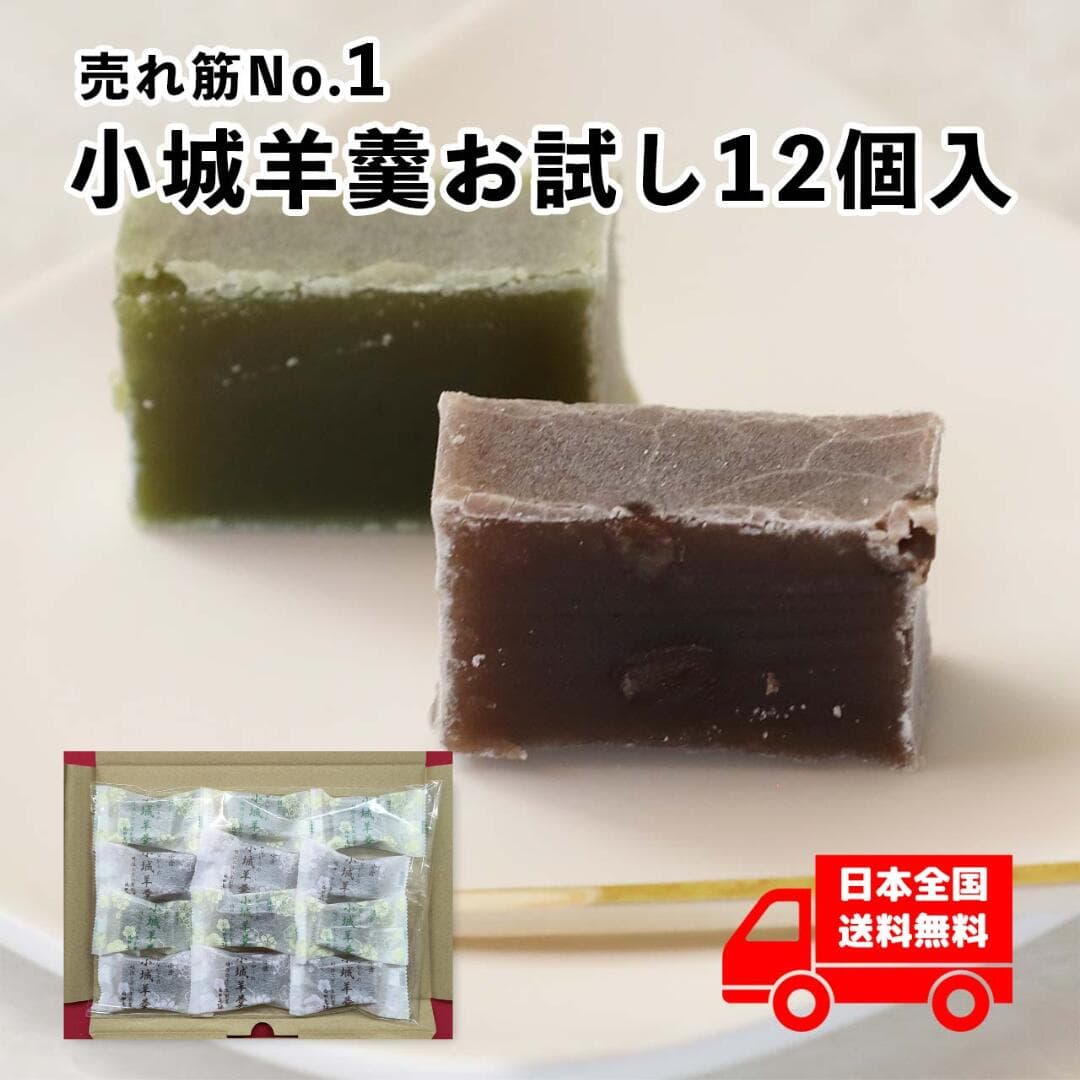
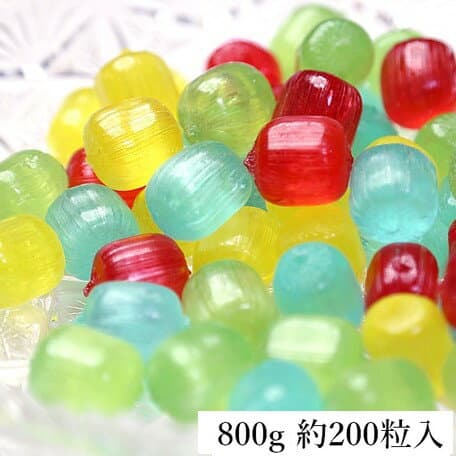
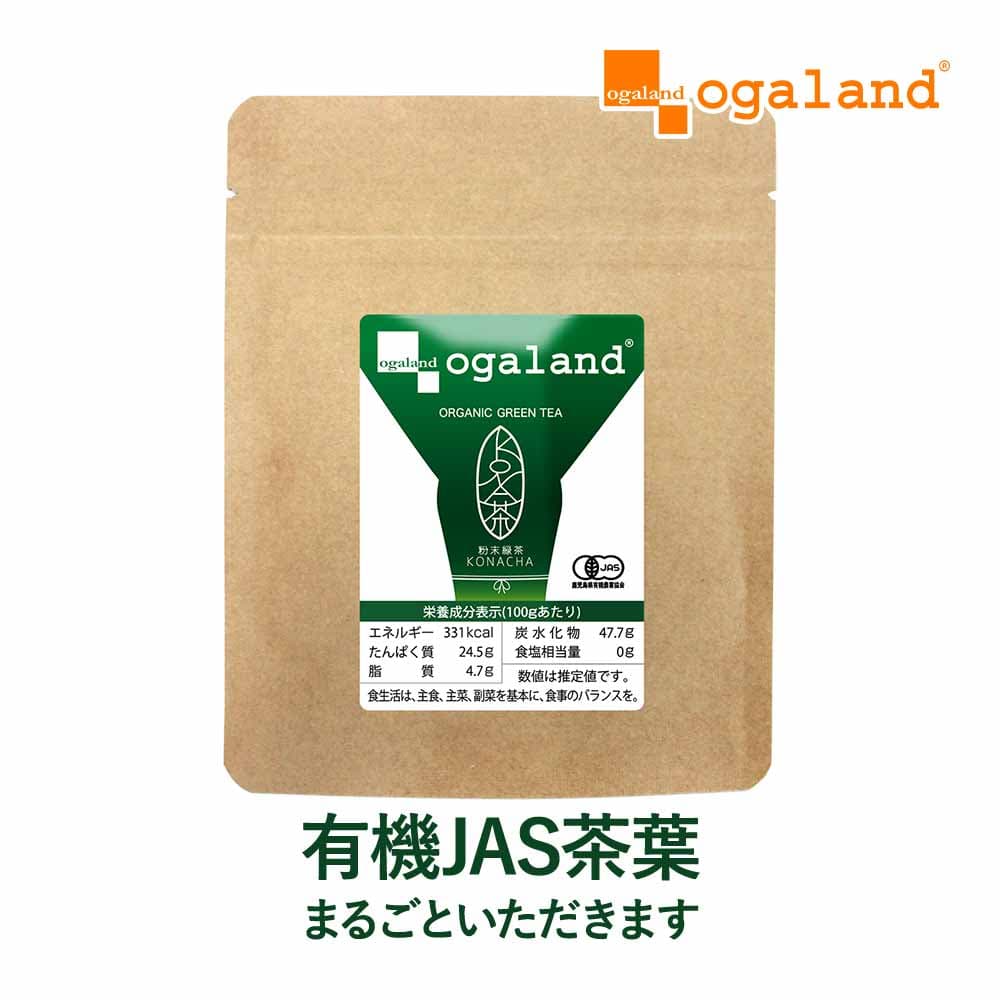
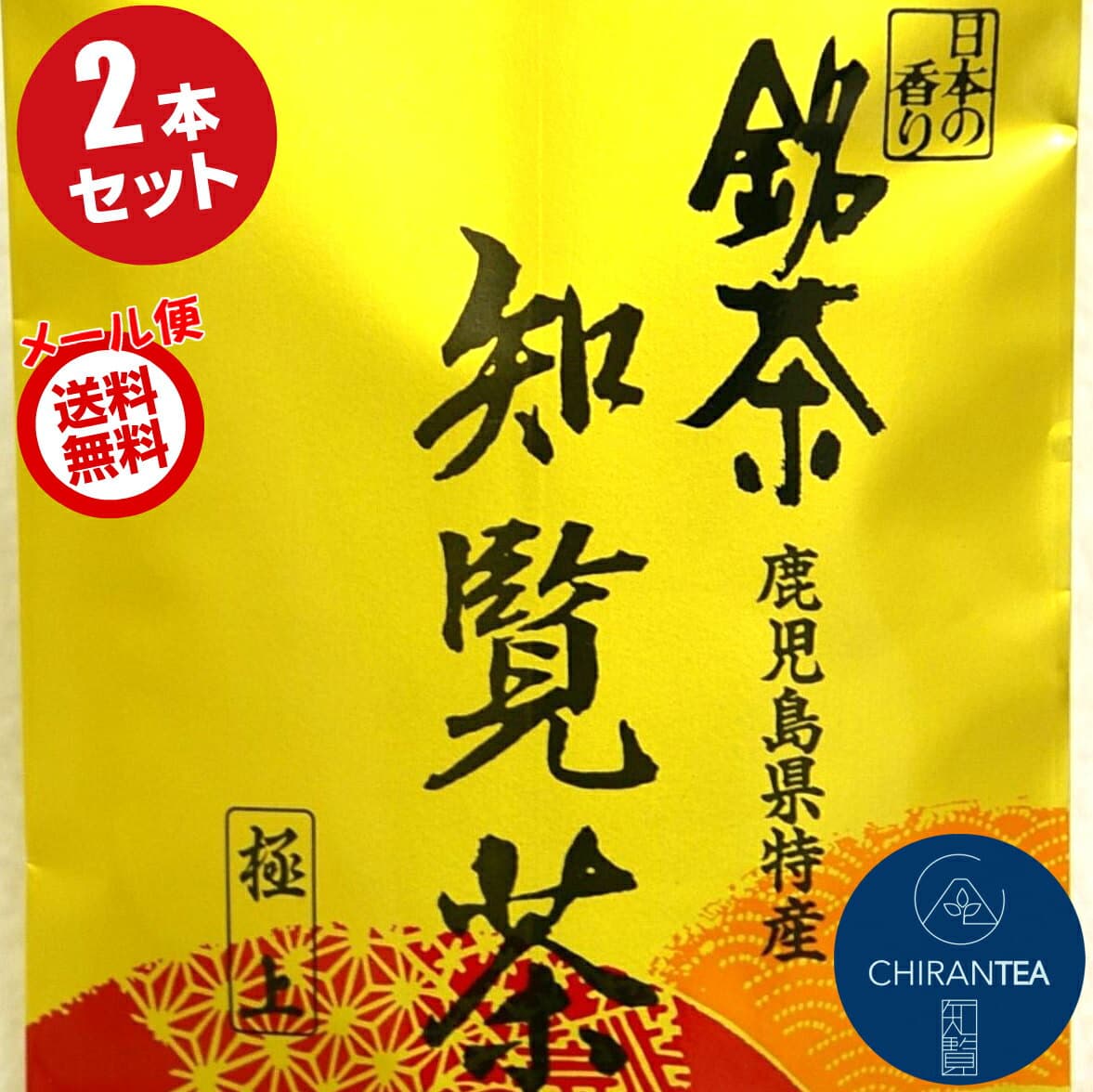
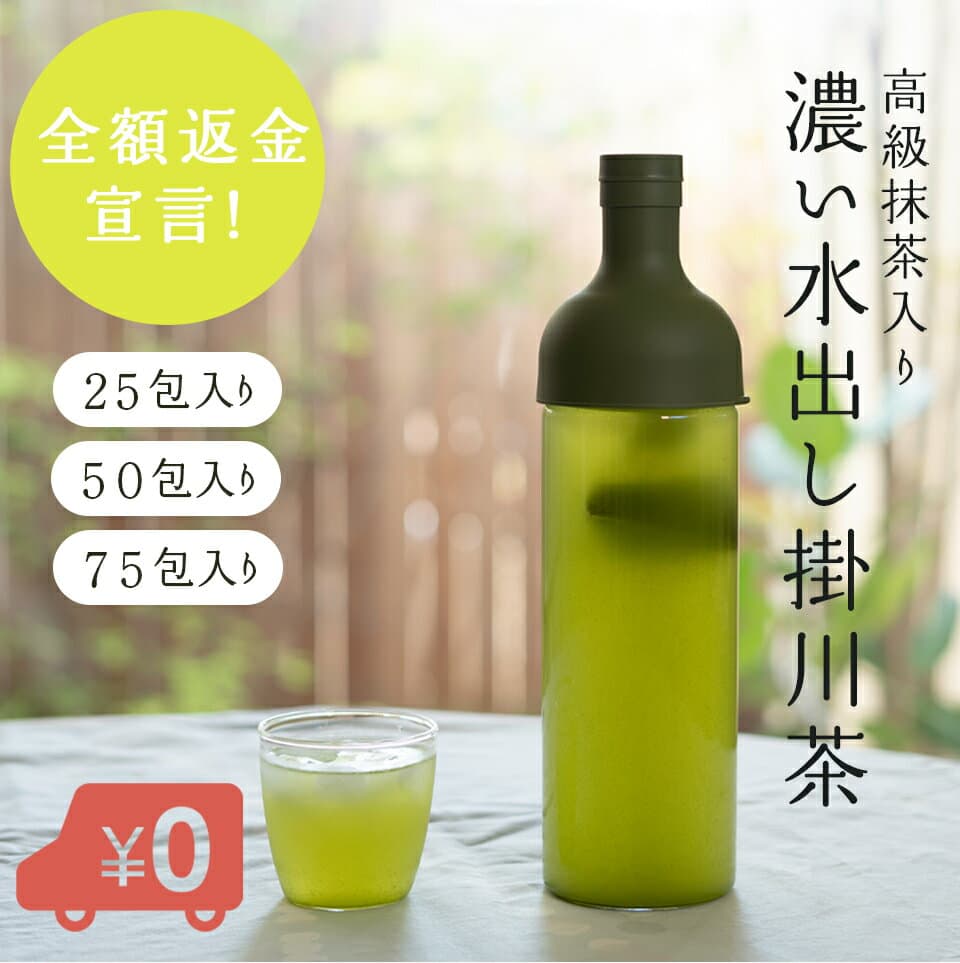
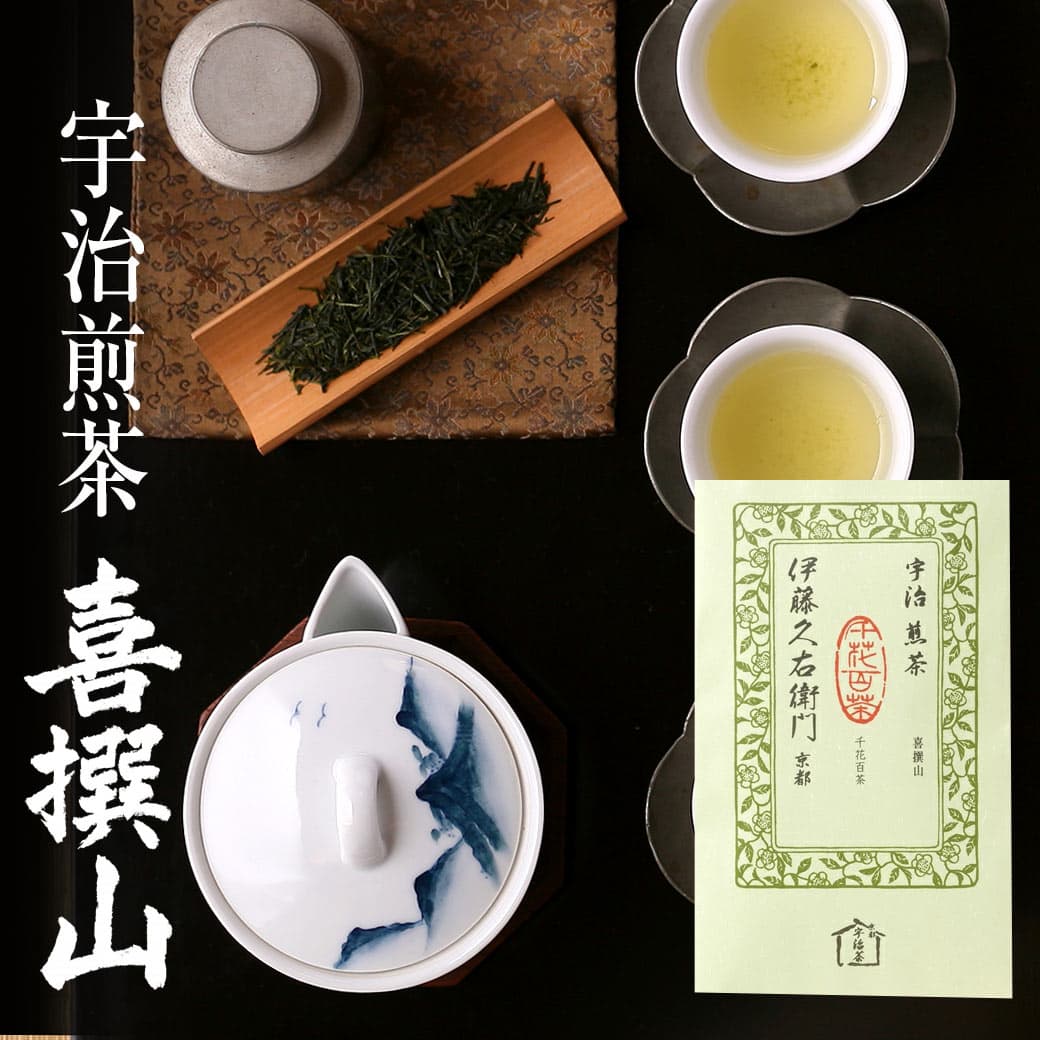
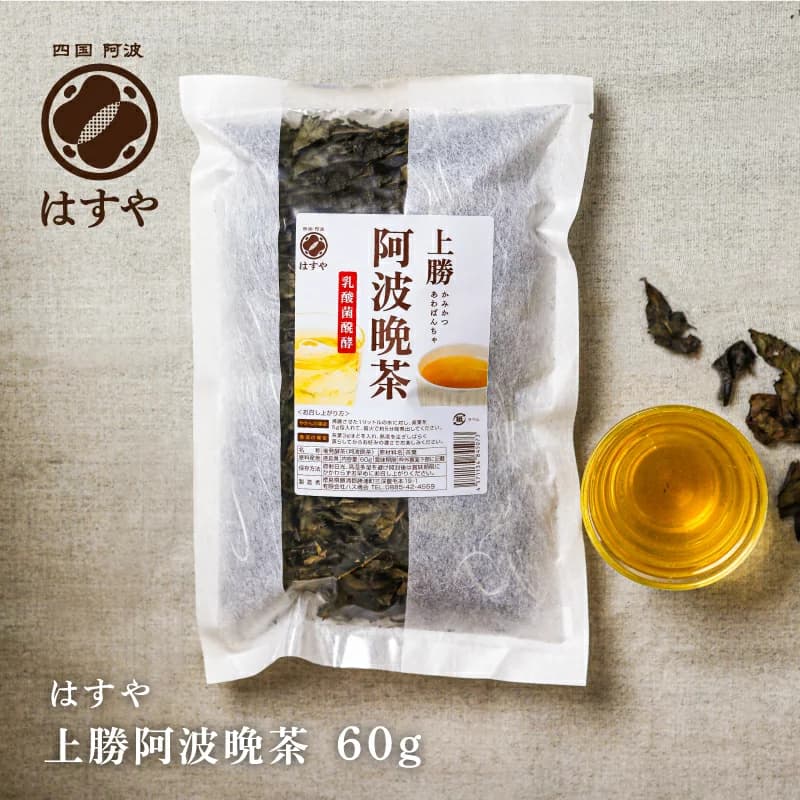
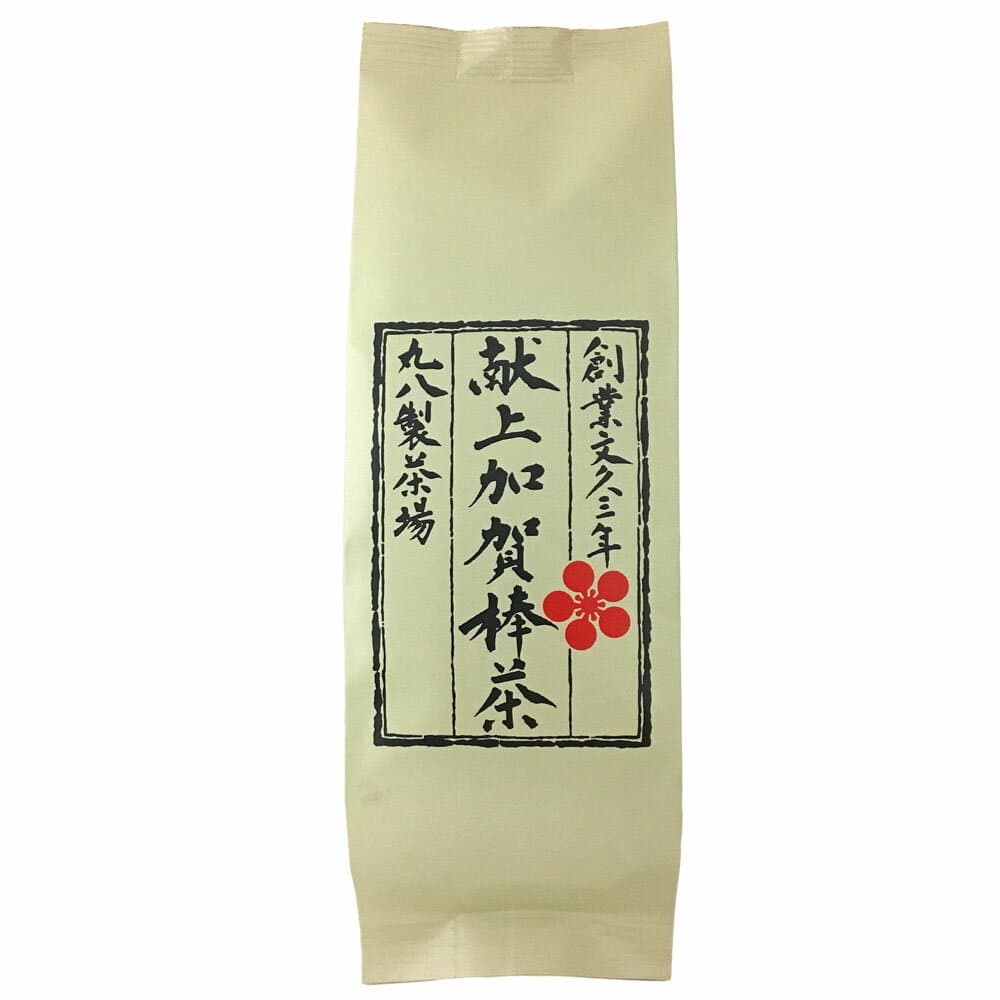
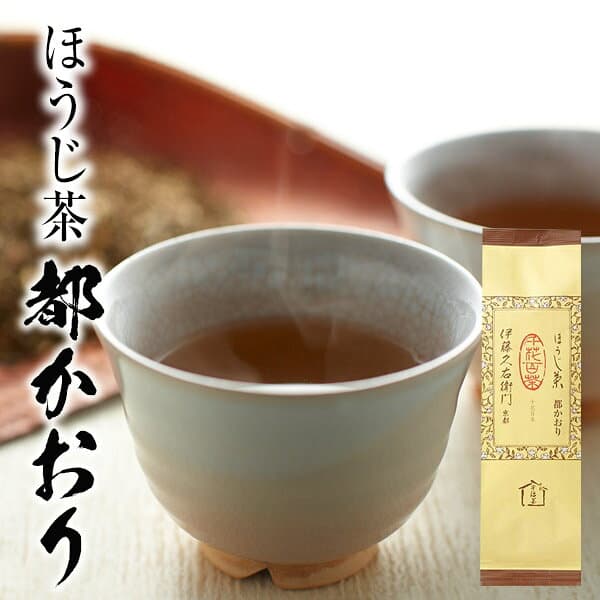
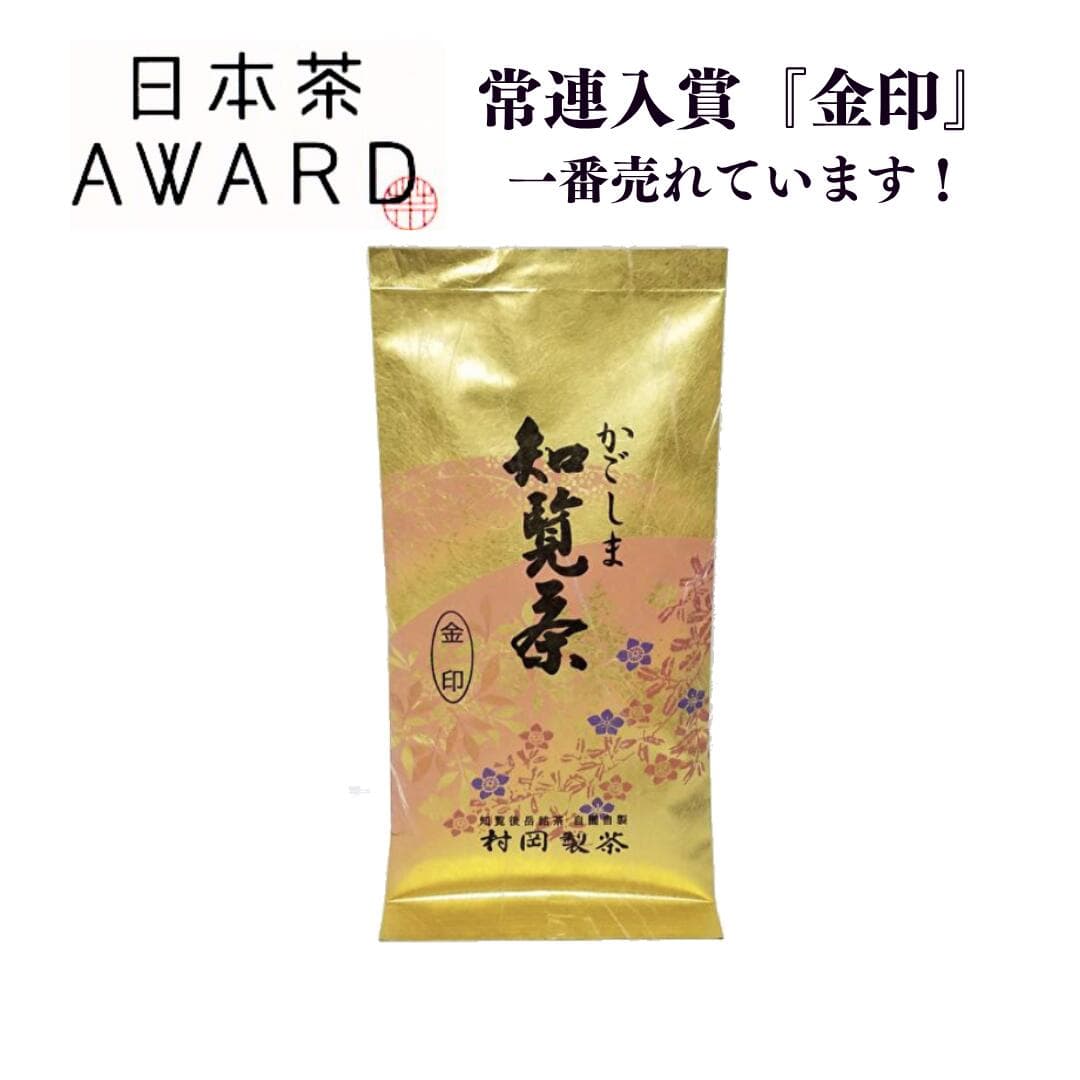
Shelf-stable sweets and tea that pack easily
They keep, share easily, and nearly every prefecture has a signature one — safe even on a first trip.
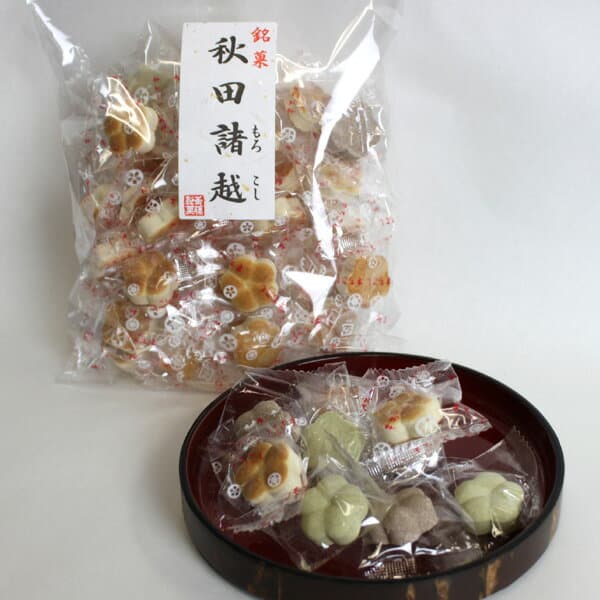
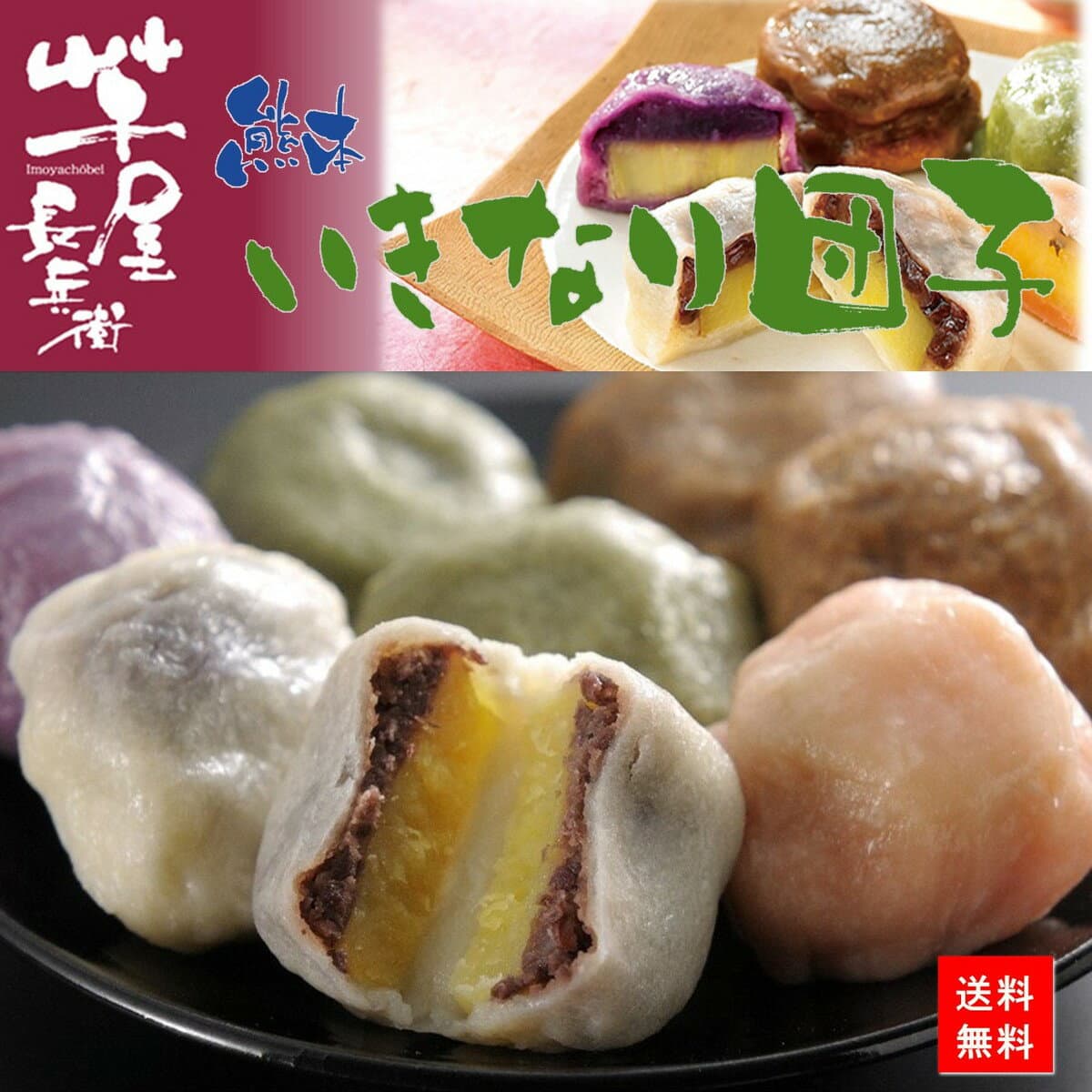


Regional specialties and pantry gifts
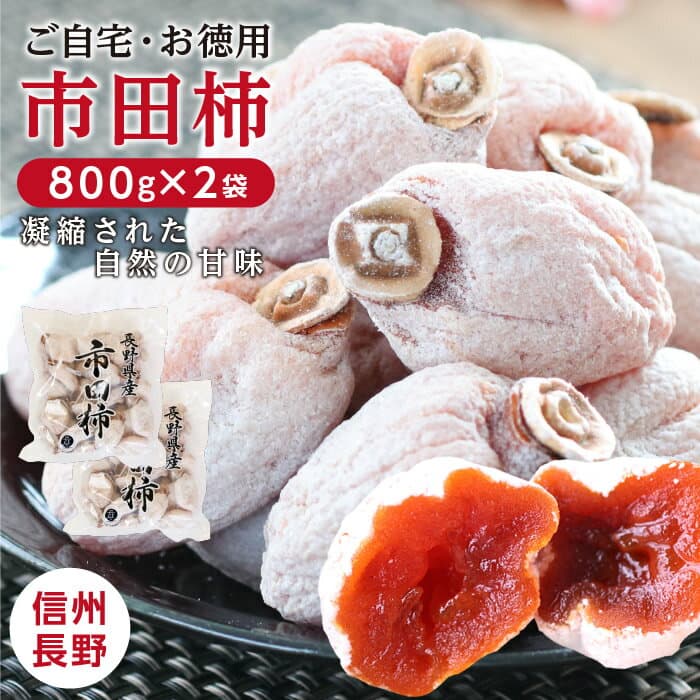
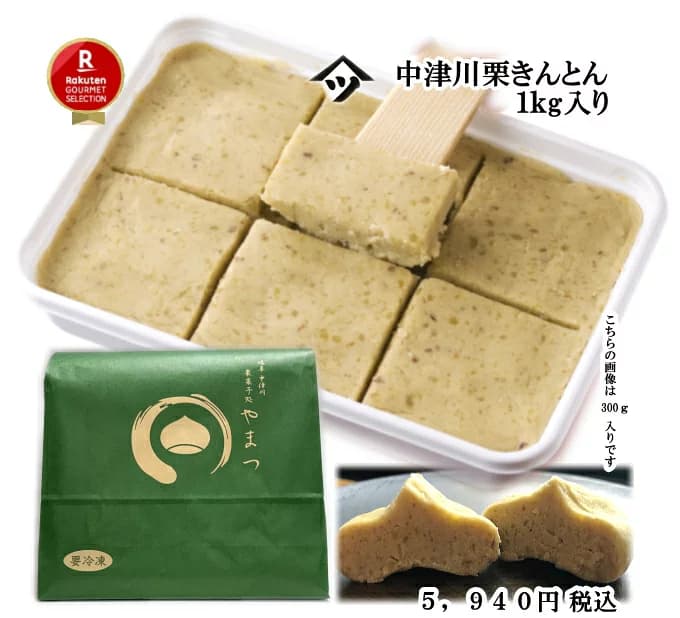
Jams, condiments, noodles, and pantry staples — more distinctive than sweets, and just as shelf-stable.

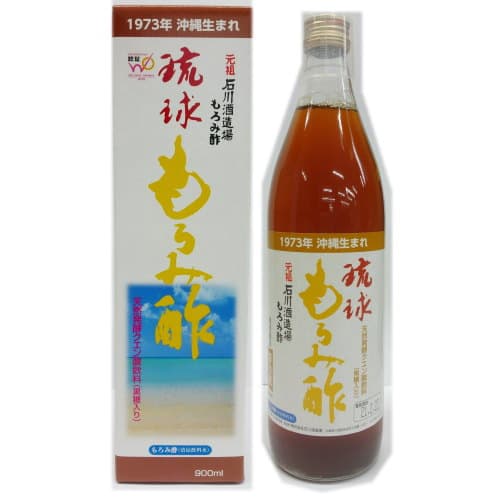
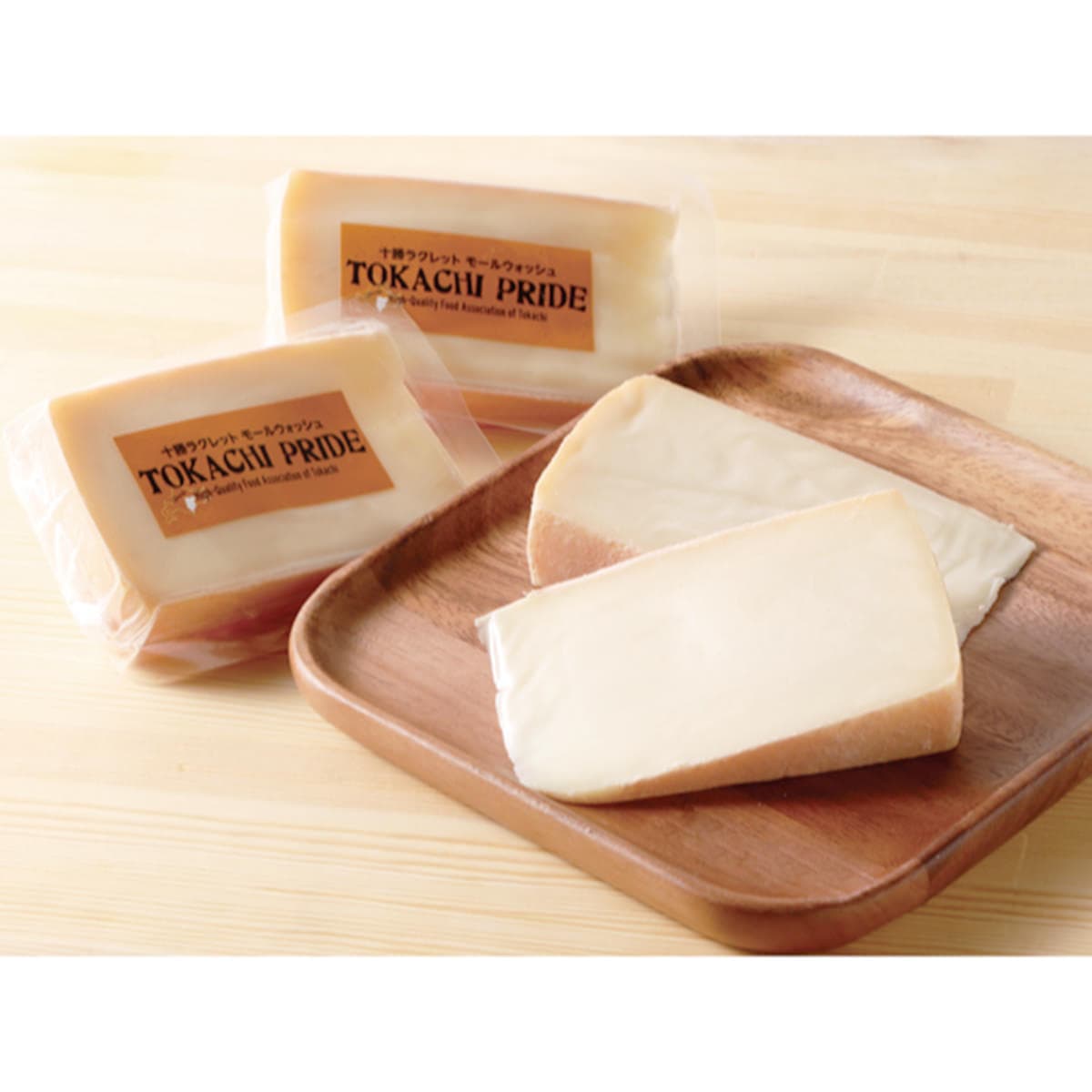
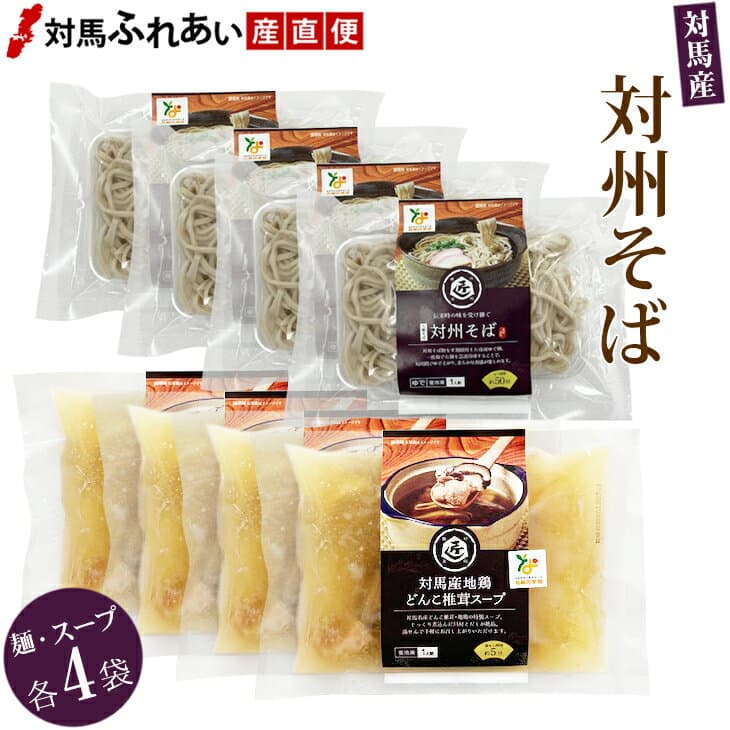

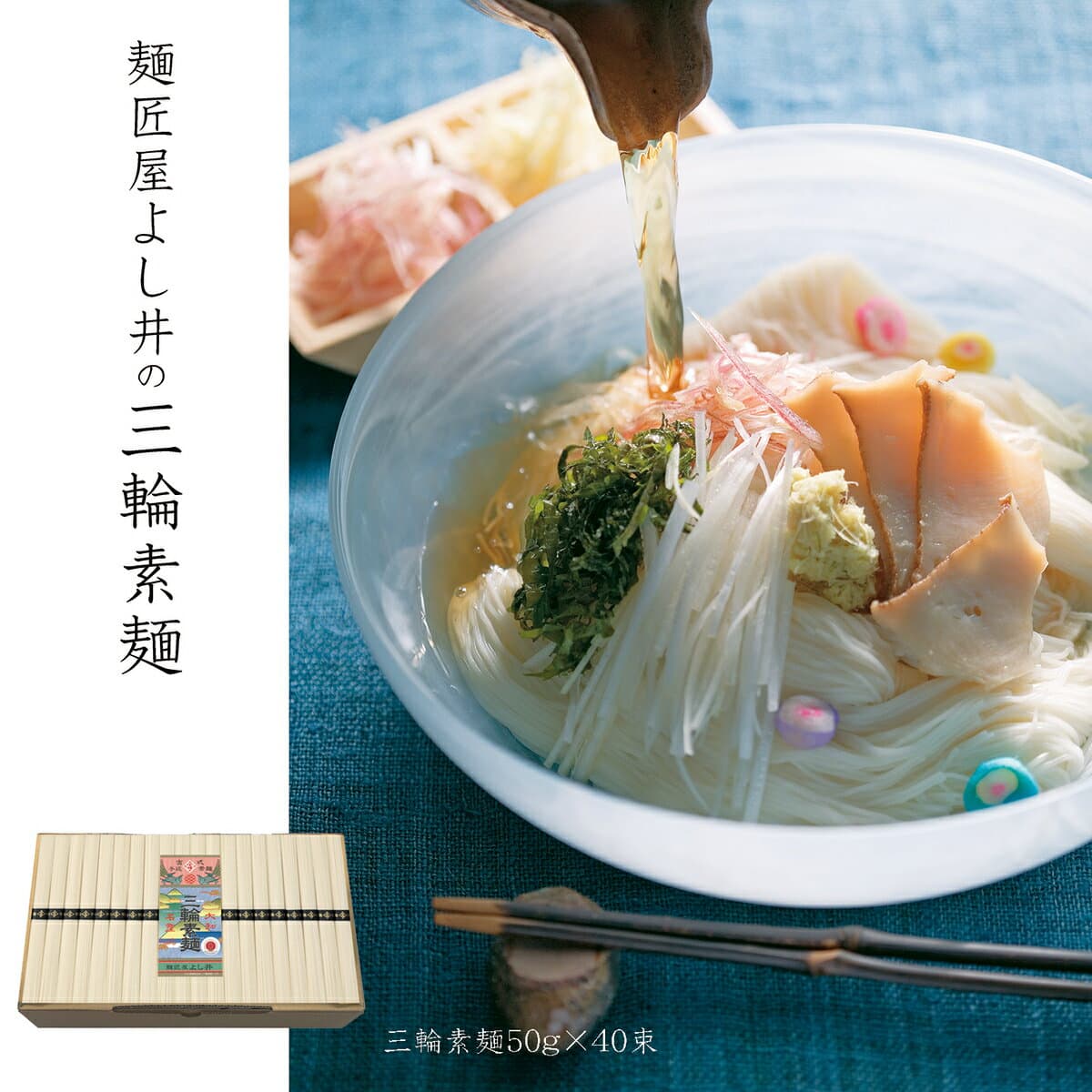
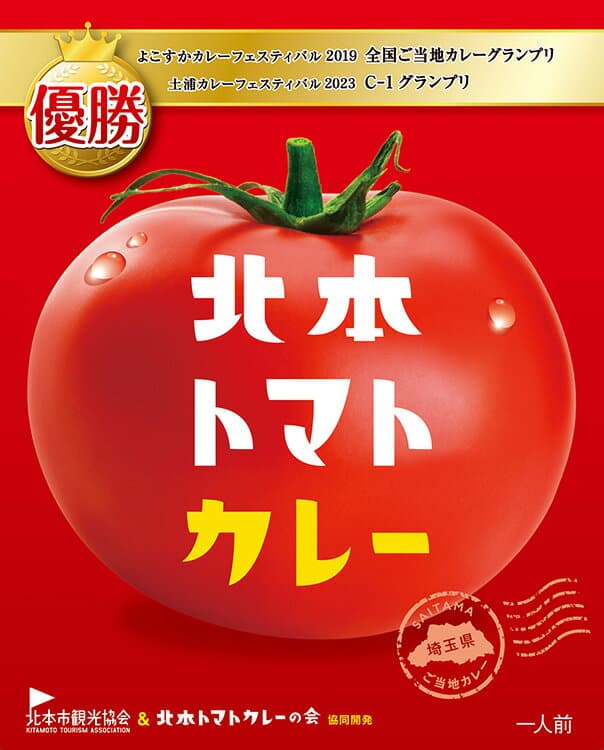
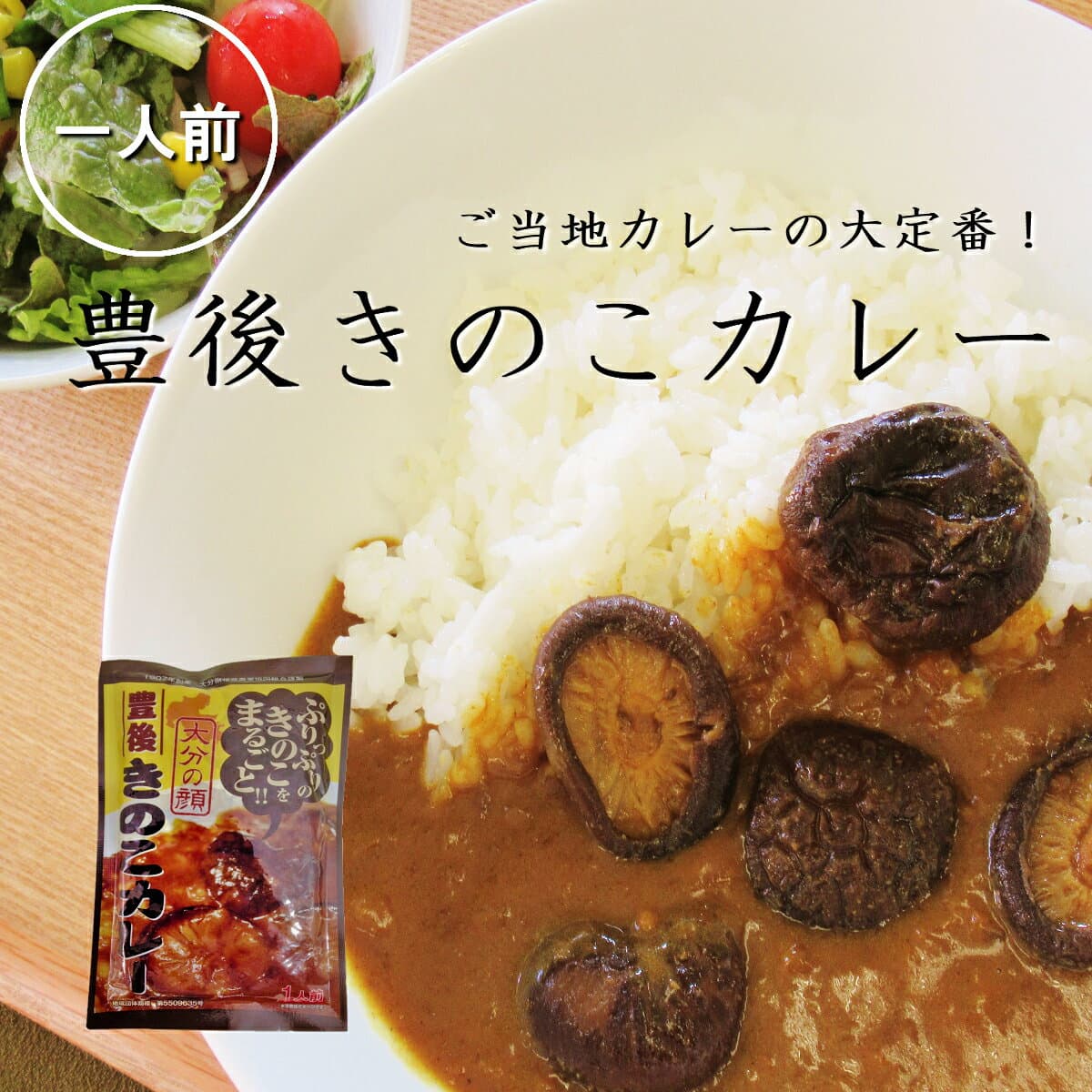
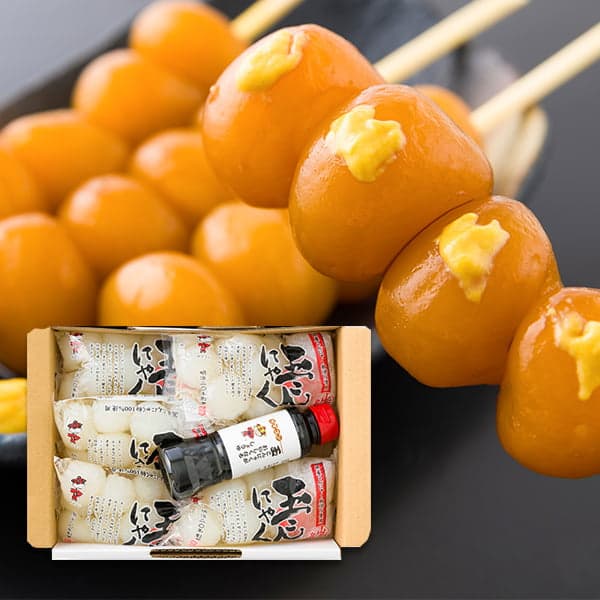

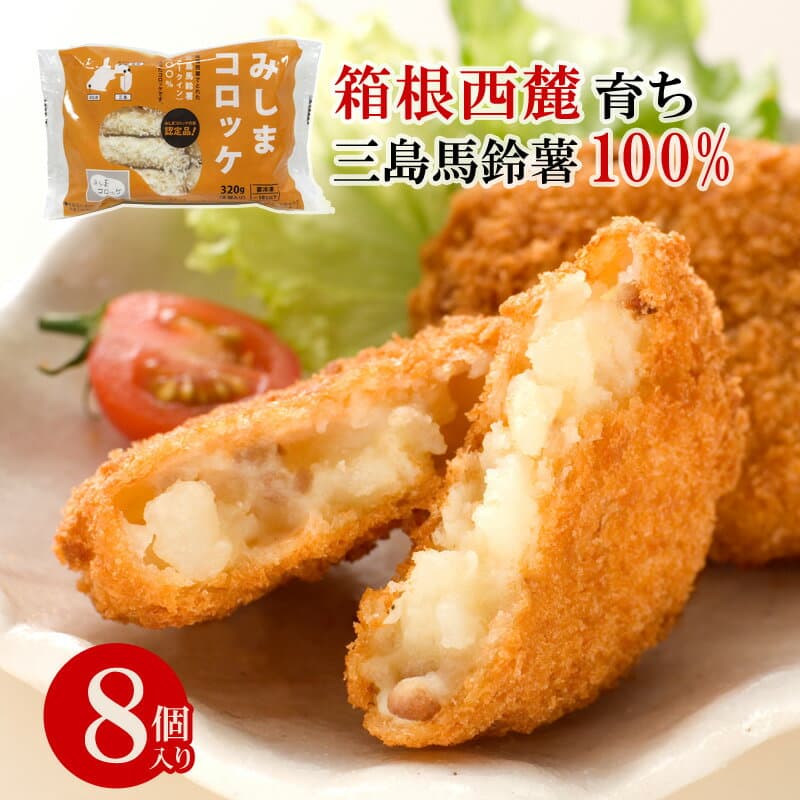
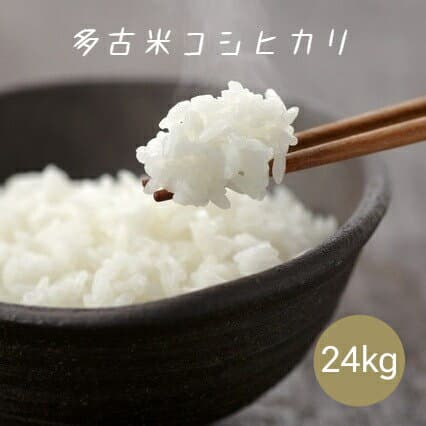
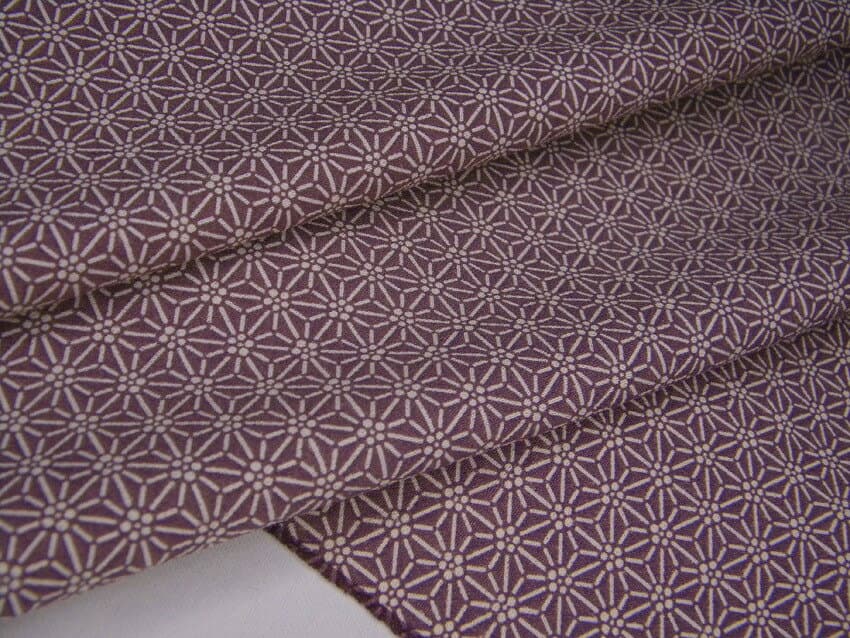
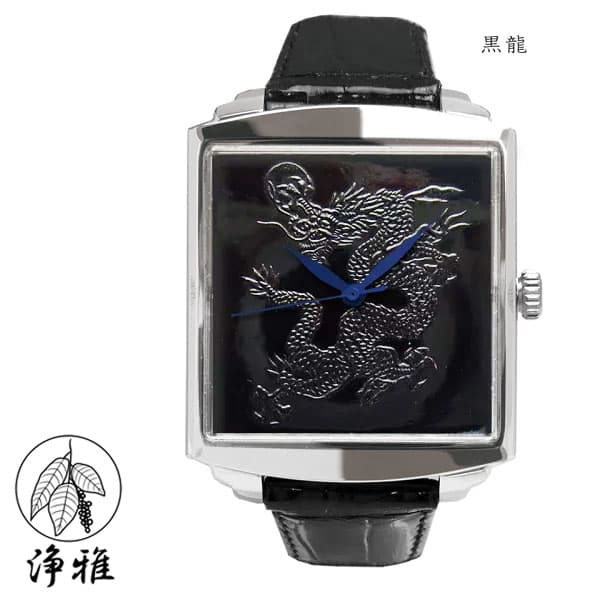
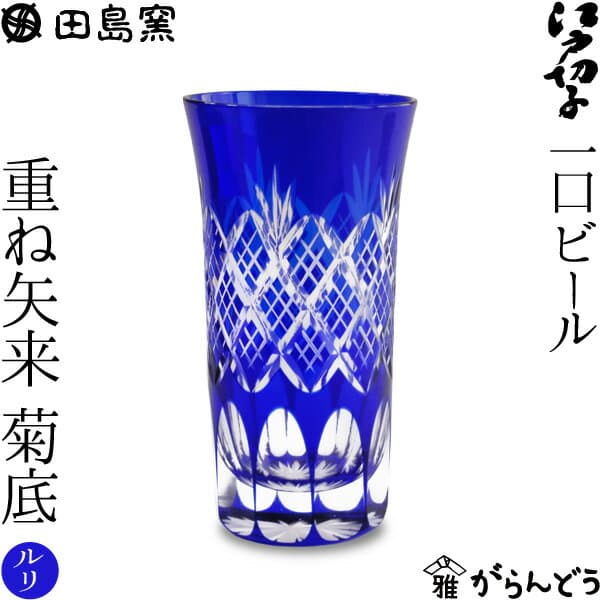
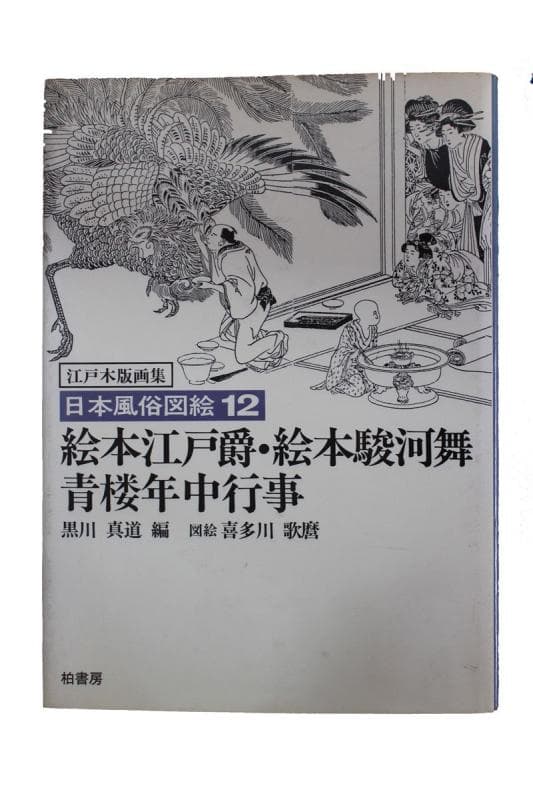
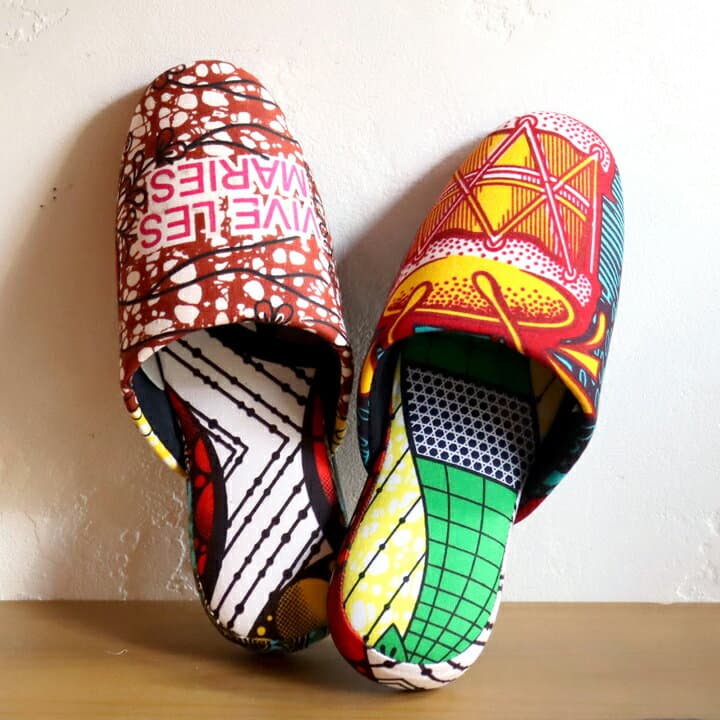
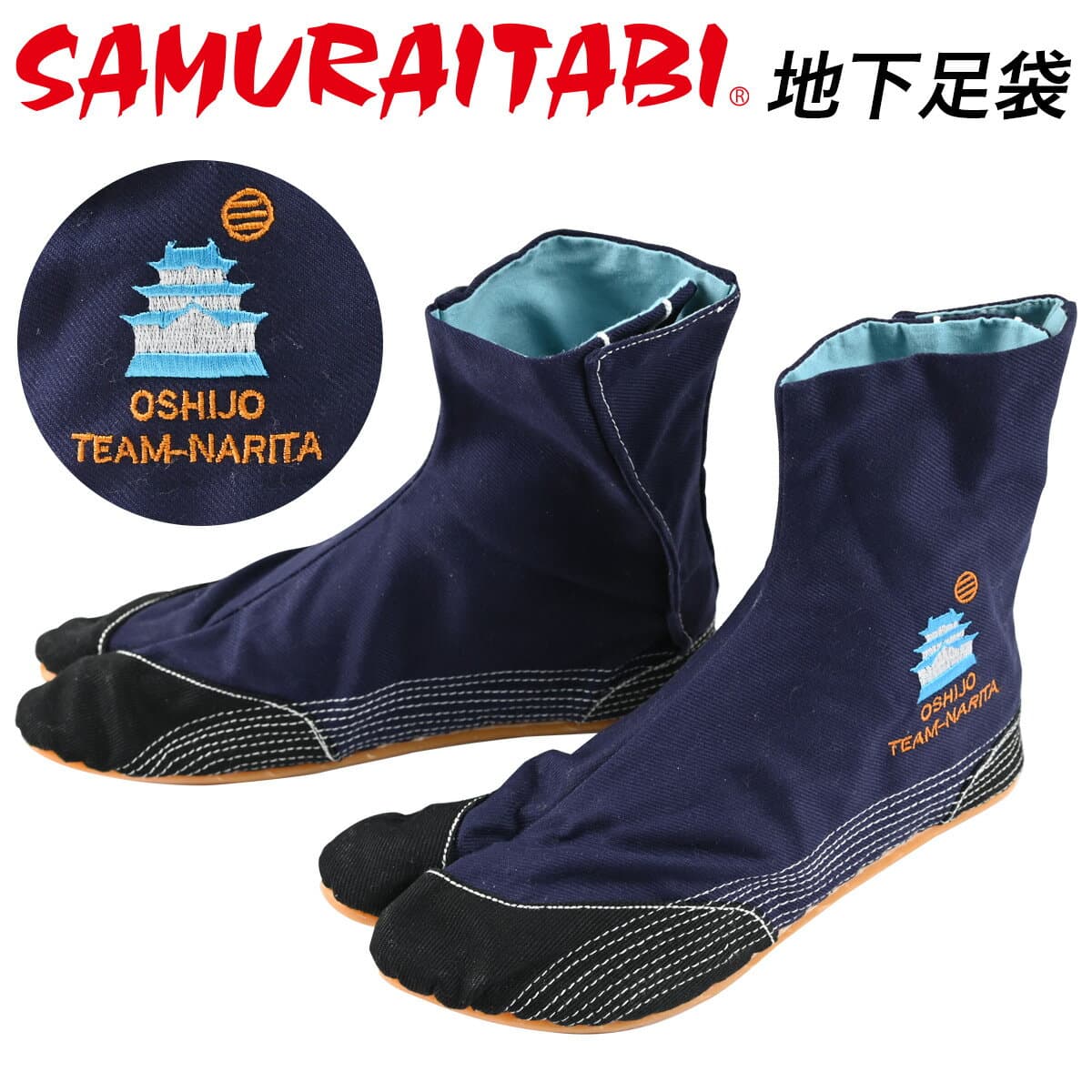
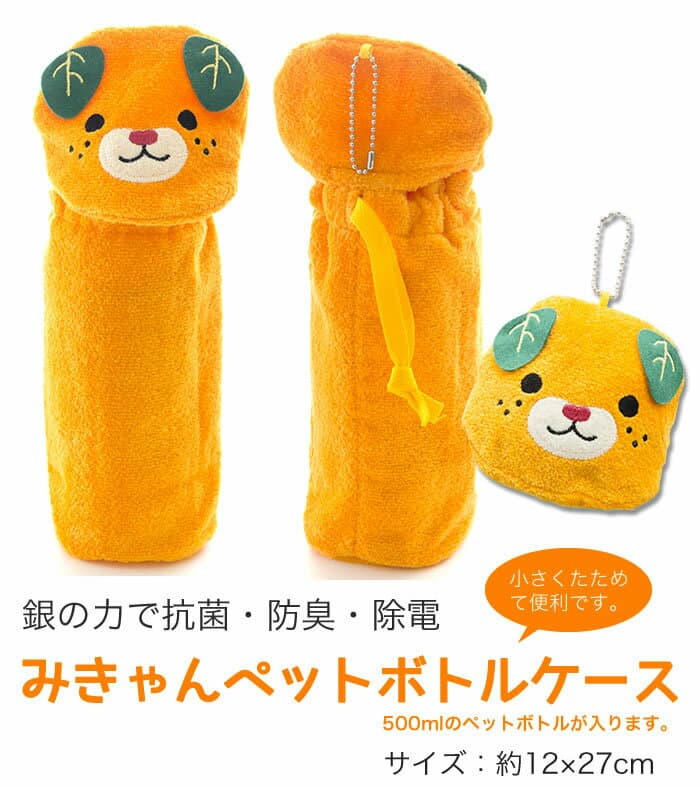

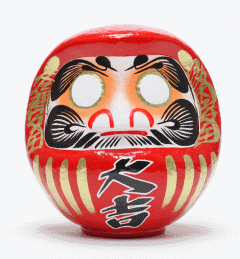
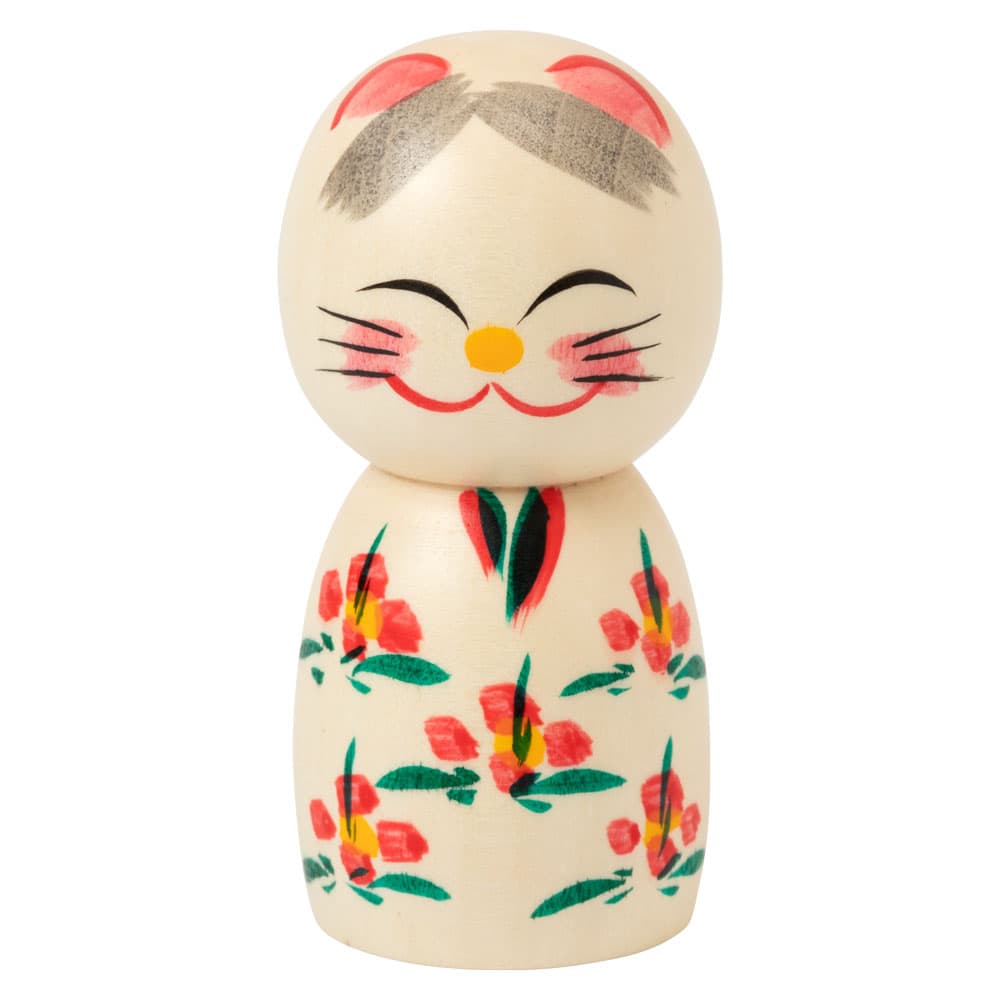
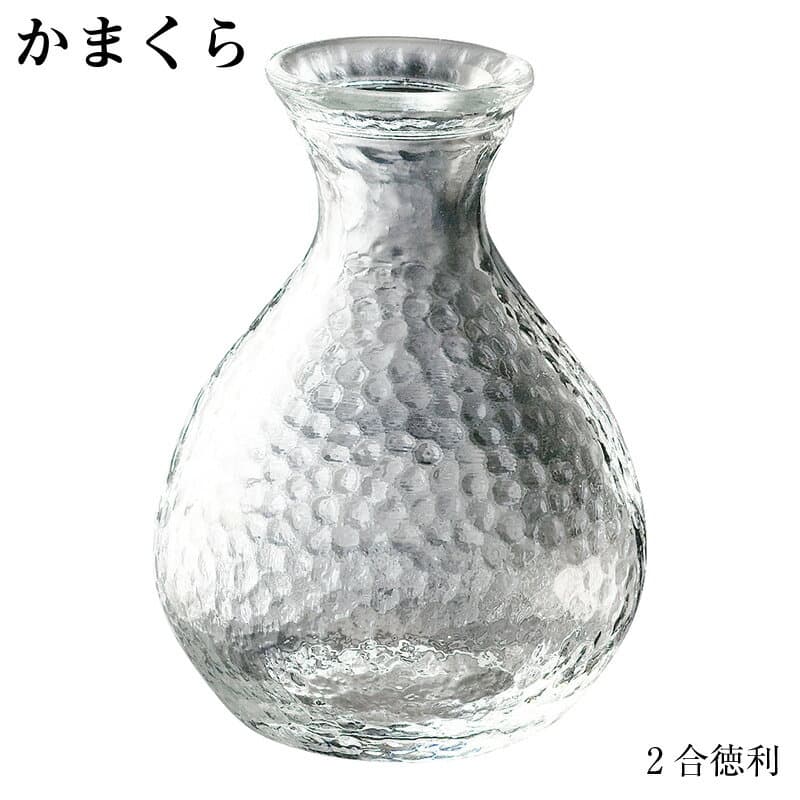
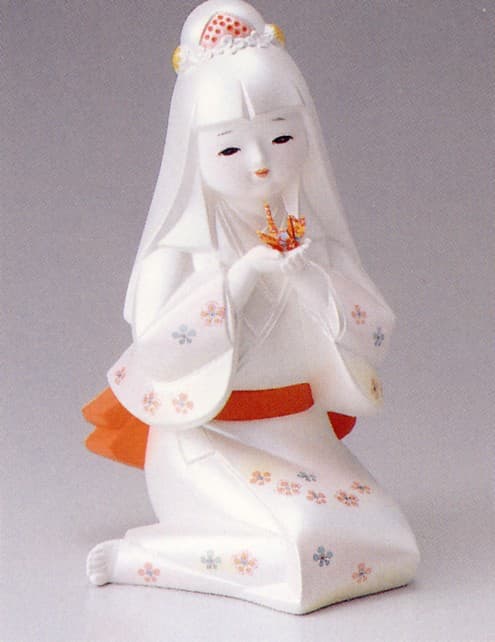
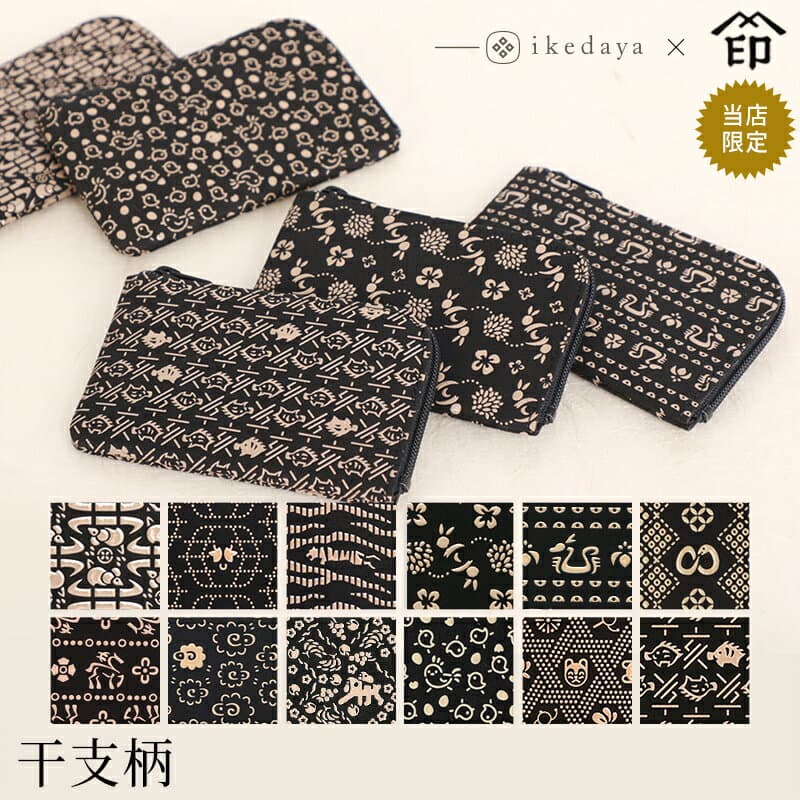
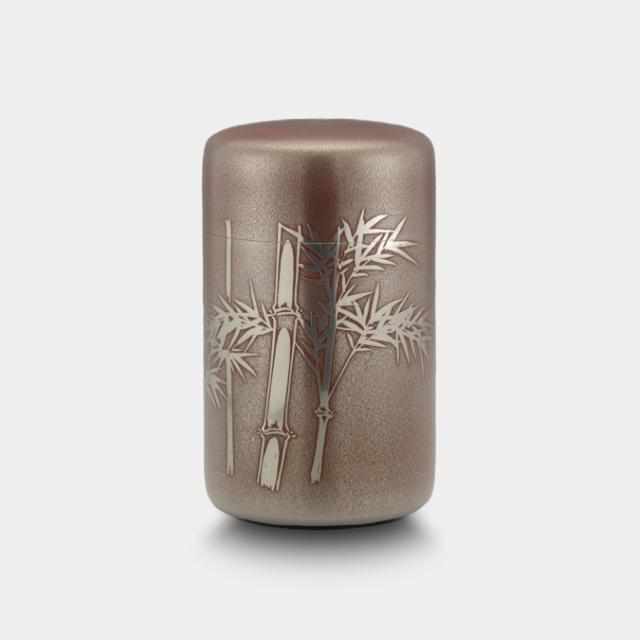
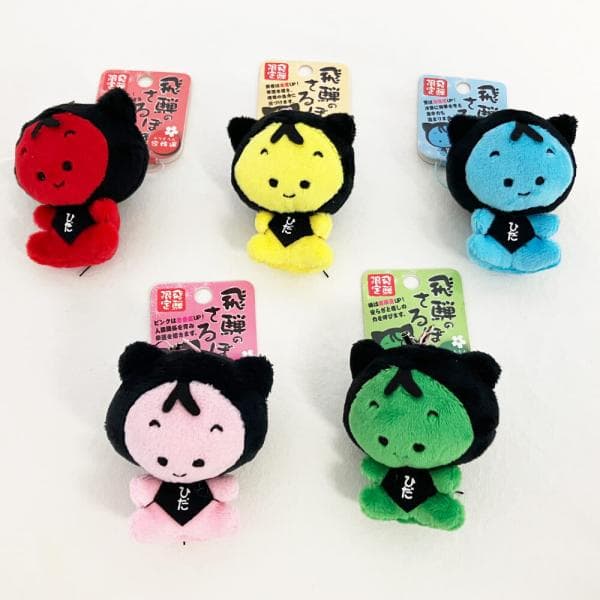
Selected automatically by type and price range. Confirm individual packaging, piece count, and best-before date on the Rakuten listing.
Choose by recipient
| Recipient | Good picks | Watch for |
|---|---|---|
| Traveler | Shelf-stable sweets, tea, small crafts | Luggage weight, fragility |
| Resident | Gift boxes that ship | Delivery timing |
| Elders | Traditional specialties, wagashi | Formal packaging |
| Office | Individually wrapped boxes | Enough pieces |
Start with these prefectures
Tokyo
Tokyo is a useful starting point for distinctive local specialties.
Hokkaido
Hokkaido is a useful starting point for distinctive local specialties.
Kyoto
Kyoto is a useful starting point for distinctive local specialties.
Osaka
Osaka is a useful starting point for distinctive local specialties.
Okinawa
Okinawa is a useful starting point for distinctive local specialties.
Fukuoka
Fukuoka is a useful starting point for distinctive local specialties.
More guides to read
FAQ
What should I check first when buying Japanese souvenirs?
Check shelf life, weight, packaging, who you're giving it to, and whether it clearly represents a region.
First trip to Japan — what's the safest souvenir?
Shelf-stable regional sweets, tea, and rice crackers: they keep, share easily, and nearly every prefecture has a signature one.
How should I budget for souvenirs?
For colleagues, a few hundred yen per boxed piece is enough; spend more for elders or someone important, prioritizing formal packaging and regional character.