 3 images
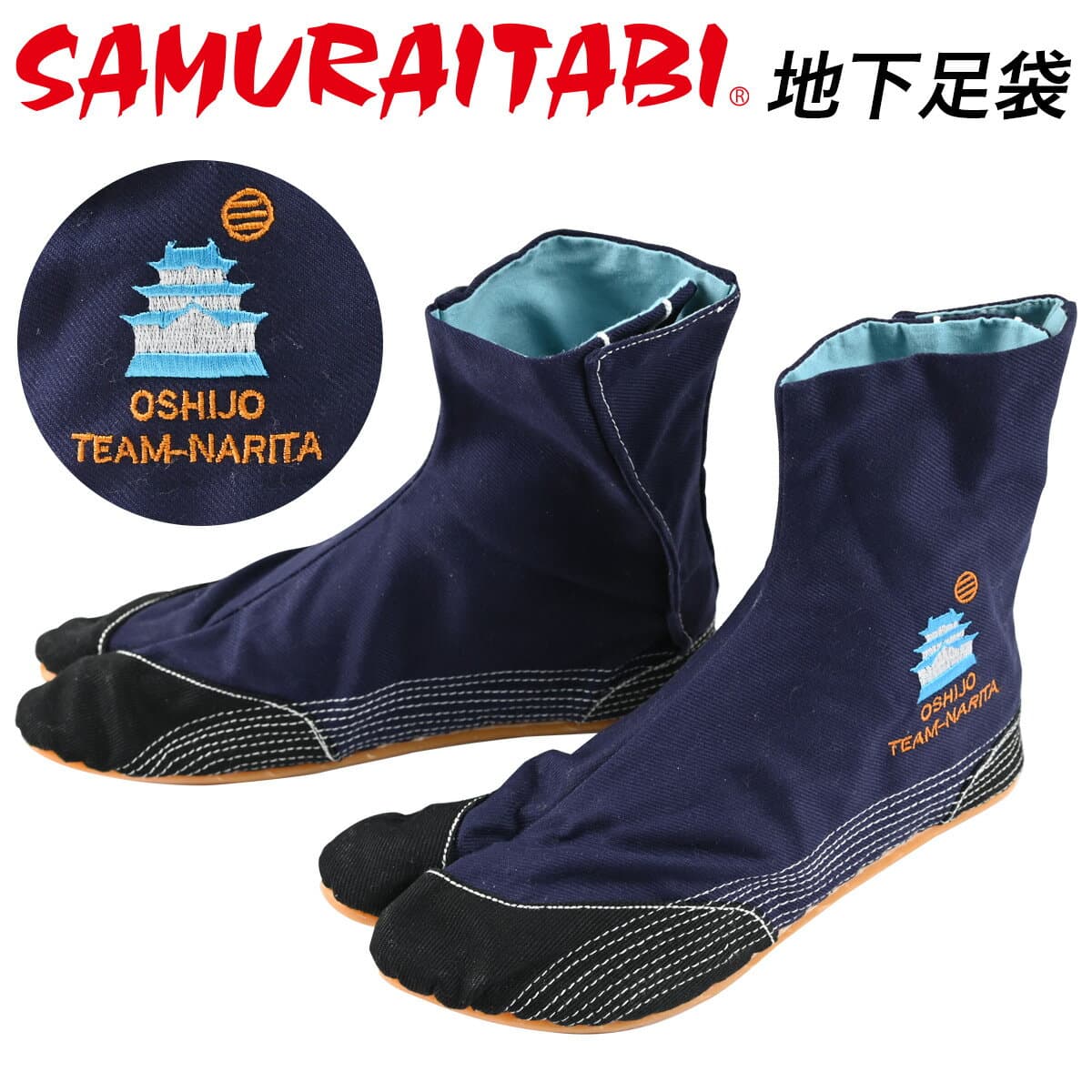
SAMURAITABI Gyoda Jikatabi Tabi Shoes
SAMURAITABI 忍城 行田足袋 地下足袋 samuraijikatabi 日本 甲冑隊 JAPAN 刺繍 女性用 男性用
忍城 embroidery武蔵野ユニフォーム
5.0 / 1 reviews
Japanese name行田足袋
In Gyoda City, Saitama, tabi footwear is tied to indigo-dyed cotton, cutting blades, specialized sewing machines, and storehouses tucked deep into long town lots.
Information last updated 121 days ago
3 imagesSAMURAITABI 忍城 行田足袋 地下足袋 samuraijikatabi 日本 甲冑隊 JAPAN 刺繍 女性用 男性用
忍城 embroidery武蔵野ユニフォーム
5.0 / 1 reviews
 3 images
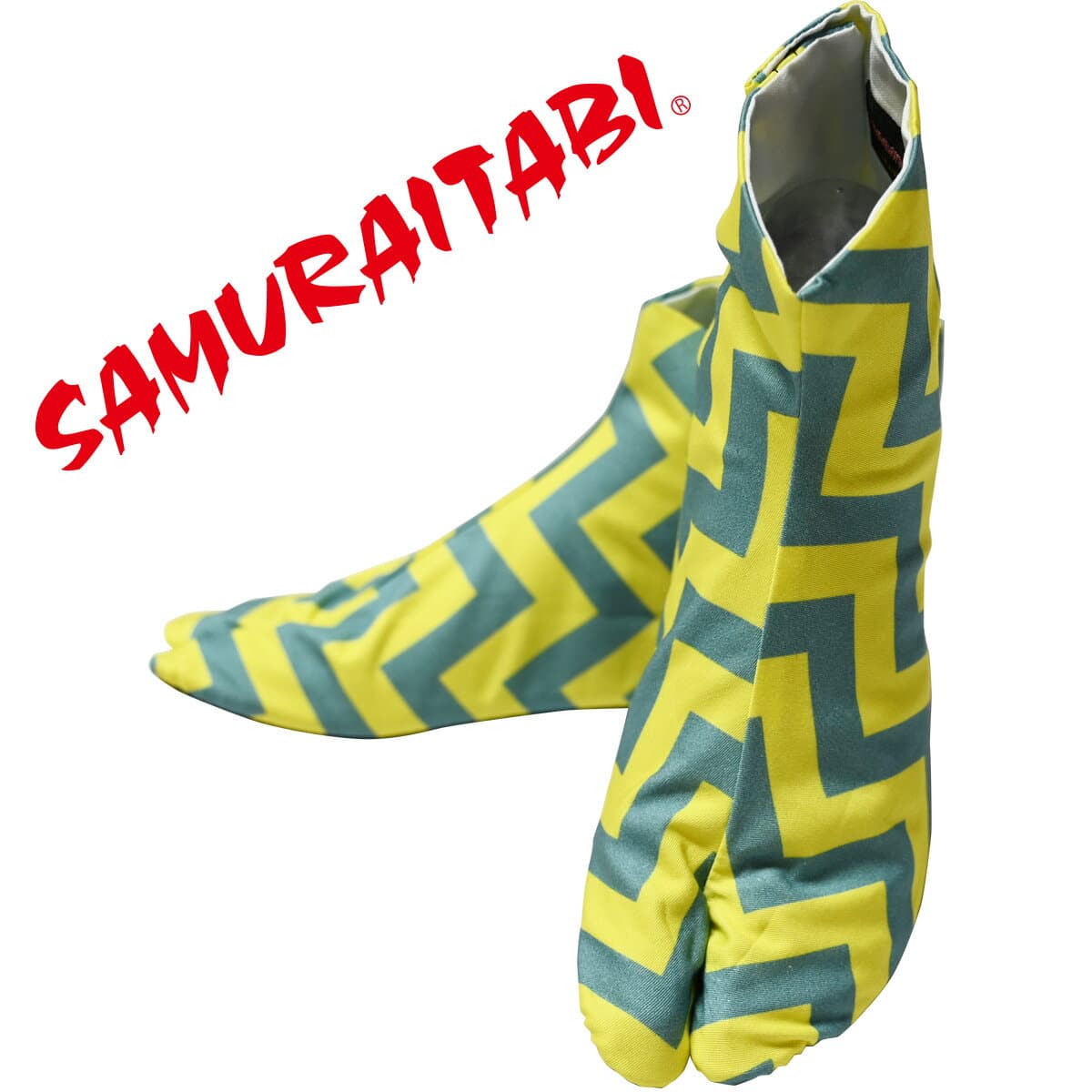
SAMURAITABI 足袋【エレクトリック 】柄足袋 女性、男性、子供用、メンズ、レディース 行田足袋 サムライ足袋
Electric patternユニフォーム百科2号店
 3 images
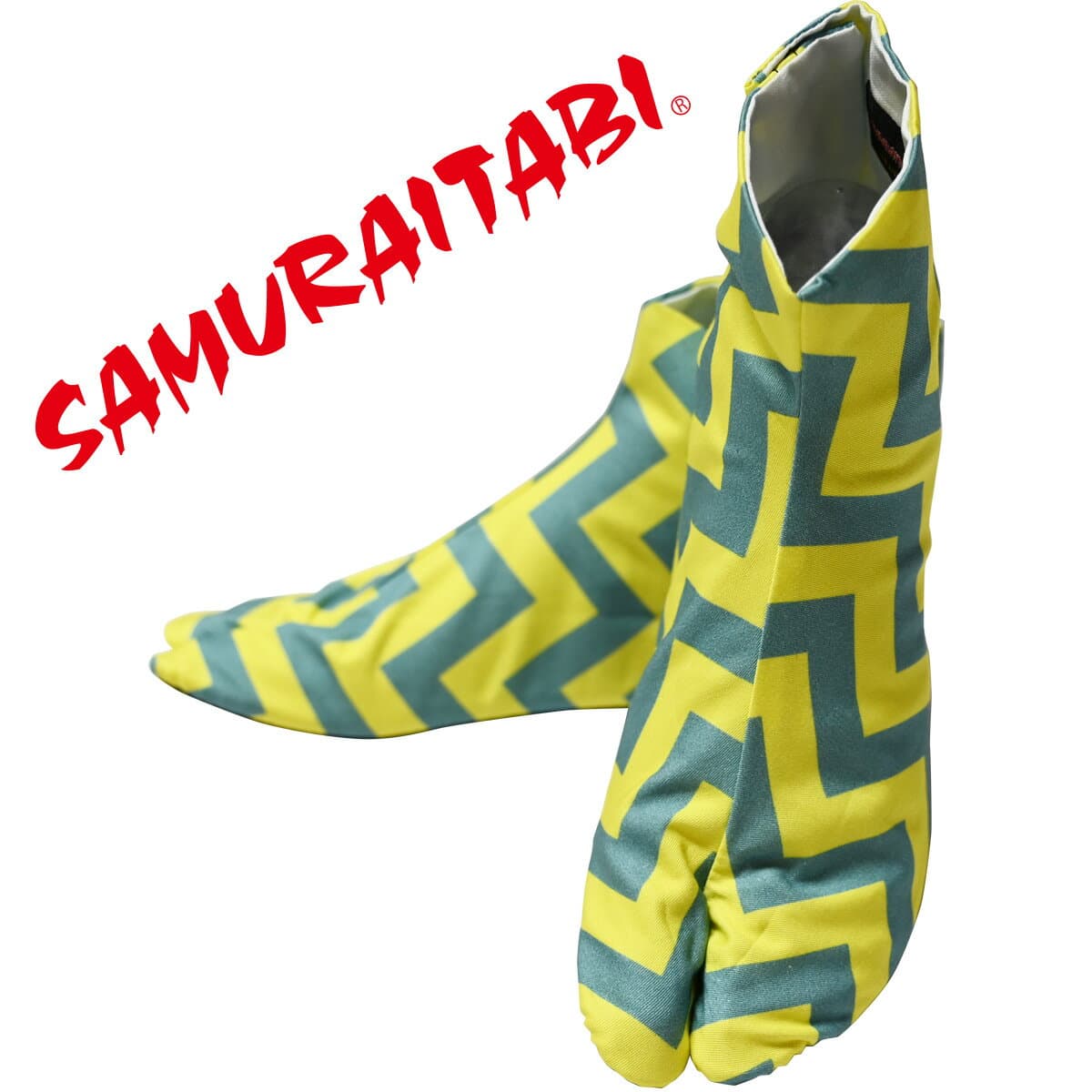
SAMURAITABI 足袋【エレクトリック 】柄足袋 女性、男性、子供用、メンズ、レディース 行田足袋 サムライ足袋
Electric pattern仕事着屋さん
First time buying on Rakuten? How residents in Japan order →
Gyoda tabi is easiest to picture on the streets of Gyoda City, Saitama. Local tabi products, manufacturing tools, shop objects, and tabi-gura storehouses gather in the same town; beyond the main street, long lots help explain why storehouses often stand behind shops. Indigo-dyed cotton was cut and sewn into footwear for Japanese dress, while the 5,484 objects kept by the Gyoda City Local Museum connect handwork, cutting machines, specialized sewing machines, and town space.
Gyoda tabi is tied to Gyoda City through local tabi products, manufacturing tools, objects used in tabi shops, and storehouses associated with the town. The footwear belongs to a Japanese dress use, yet its local shape is visible in concrete things: museum-held products, cloth goods, shop fittings, and back-street buildings. In Gyoda, the product name points to a Saitama city where making, selling, and storing tabi left marks in the same streetscape.
The land around Gyoda sits between the Tone and Arakawa rivers, where sandy deposits, abundant water, and summer heat suited cotton and indigo. Indigo-dyed cotton cloth became a material base for tabi making, and local sewing skills gave that cloth its worked form. The process begins with a physical chain: cotton and indigo in river-shaped ground, dyed cloth in the workshop, fabric cut and stitched into footwear.
The 5,484 objects held by the Gyoda City Local Museum make the move from handwork to mechanized production tangible. The group includes tools from an era when each process was done by hand, cutting machines, specialized sewing machines for divided tasks, and later mechanized tools. Products made in Gyoda, promotional pieces, and objects used in tabi shops place the workbench, the machine, the counter, and the finished product within one field of view.
From the late Meiji period onward, expanded production created a need to hold tabi before autumn shipment. Storehouses rose deep inside long, narrow lots and former back yards, which is why many Gyoda tabi-gura appear away from the main street frontage. Earth, stone, brick, mortar, reinforced-concrete, and wooden storehouses remain in varied forms; about 80 still mark the distance between workshop, storage, and street.
Gyoda's tabi trade took shape through many individual shops working side by side, including shops that both made and sold their own goods. Products, promotional items, and shop objects show a town industry built from small rooms, counters, tools, warehouses, and separate makers. Some back-street settings still carry the sound of a sewing machine, placing the product in the same lived space as earth, stone, and mortar storehouses.
Gyoda tabi leads the eye from footwear to town: cotton and indigo between the Tone and Arakawa rivers, cloth cut and sewn into shape, tools that changed with mechanization, and tabi-gura tucked into the backs of town lots. Its Saitama place, textile material, workshop process, and back-street storehouses give the product a concrete local outline.
Compiled from public records and official sources; see the recognition links below. Details may change over time.
Where this product is officially registered, designated, or recognized in Japan.
It is written as 行田足袋 in Japanese. Search Rakuten and other Japanese sites with that spelling — the English name will not bring up the listings.
Gyoda tabi is a tabi footwear family tied to Gyoda City, Saitama. The surrounding land between the Tone and Arakawa rivers supported cotton and indigo through sandy deposits, abundant water, and summer heat; indigo-dyed cotton cloth and local sewing skills formed the material and process base for tabi making. The Gyoda City Local Museum holds 5,484 related objects showing the move from handwork to cutting machines, specialized sewing machines, and later mechanized tools.
Tabi storehouses were mostly built deep in narrow back-street lots and former yards, to hold stock before autumn shipment. About 80 tabi warehouses remain in Gyoda, built in earth, stone, brick, mortar, reinforced concrete, and wood. The museum's collection also includes tabi products, promotional items, and store-related objects. Specialized sewing machines for divided processes worked alongside cutting machines in production.
As part of traditional Japanese dress, tabi were worn to cover and support the feet.
Naturally dyed textiles shed some colour on first wash. Hand-wash separately with a neutral detergent, avoid long soaking and bleach, and dry in the shade to prevent fading. Silk, ramie, and traditionally dyed pieces often need professional cleaning — the care label on the listing takes precedence.
Most options are shelf-stable, boxed, and travel well, so they suit gifting or bringing home. Confirm the final storage and delivery terms on the Rakuten listing.
On Rakuten: the shops listed here right now are 武蔵野ユニフォーム, ユニフォーム百科2号店, 仕事着屋さん. We don't sell directly; purchase, payment, stock, and delivery are all handled on the Rakuten product page.