Japanese wagyu by region: Japanese Black, akaushi, brand beef and where each comes from
Breed first, brand second: Japanese Black is marbled, akaushi is lean, a brand name is a set of conditions, not a breed.
Learn the breeds first: Japanese Black, akaushi, crossbred and dairy
Wagyu is the collective name for Japan's native beef breeds, four in all, and it is not the same thing as domestic beef. Almost all the wagyu on sale is Japanese Black, the breed the marbling comes from; Kobe beef, Matsusaka beef and Yonezawa beef are all Japanese Black under those names.
Japanese Brown, the akaushi or red cattle, gives more lean meat with moderate marbling and comes in two strains. Tosa akaushi beef is the Kochi line, with a brown coat and black around the eyes and hooves; closed breeding within Kochi herds began in 1918, the line was recognised as Japanese Brown in 1944, and today the cattle are fattened to around 28 months. Kumamoto akaushi beef is the Kumamoto strain, improved from local cattle in Aso, Yabe and Kuma with breeds including Simmental and established as a breed in 1944; breeding cows graze the Aso pastures, and fattening lasts at least 12 months.
Beyond those are two kinds of beef that are not wagyu. Crossbred cattle are Japanese Black crossed with a dairy breed; Joshu beef in Gunma today means exactly that, and Japanese Black is sold separately as Joshu wagyu. Dairy-breed beef comes from Holstein bull calves fattened for meat: Tokachi wakaushi beef from Shimizu Town in Hokkaido is finished at about 14 months, was registered as geographical indication no. 164 in March 2025, and is known for fine-grained, tender lean meat.
A brand is a set of conditions, not a breed
Names like Kobe beef and Matsusaka beef do not describe a breed but a list of conditions: breed, where the animal was born or spent the longest time, sex, age, carcass grade. Only meat that clears every line carries the name. Kobe beef is the clearest case. There is no cattle breed called Kobe; the name goes to meat from Tajima cattle born, raised and processed in Hyogo that passes thresholds for sex, carcass weight, meat quality grade and marbling.
The general idea of grading is enough. The yield grade, A, B or C, rates how much saleable meat the carcass gives; the meat quality grade, 5 down to 1, rates marbling, meat colour and lustre, firmness and texture, and fat colour and quality. A5 is the top of both. Brands use it differently: Sendai beef takes only A5 or B5, and cattle raised the same way that grade below that lane sell as Sendai black wagyu, with less marbling and, in the association's words, no less flavour; Hida beef accepts 5, 4 and 3 and asks for at least 14 months of fattening.
Sex and age are common conditions too. Matsusaka beef uses only Japanese Black heifers that have never calved, with the final and longest fattening period inside the Matsusaka production area; Yonezawa beef likewise limits itself to uncalved heifers shipped at 33 months or older with meat quality grade 3 or above, raised from 32 months in 2023. Calves are usually born on one farm and fattened on another, which is why most brands govern only the longest rearing place; Kobe beef and Tajima beef require birth in Hyogo as well.
Why two Japanese Black steaks taste different: bloodline, age and feed
Underneath Japanese Black there are bloodlines, and many brands trace their foundation sires to Tajima cattle in Hyogo. The modern base of Sendai beef is Shigeshigenami, a bull brought from Hyogo in 1974 that sired more than 40,000 calves; Hida beef developed on the offspring of Yasufuku, introduced from Hyogo to Gifu in 1981. Matsusaka beef reaches further back, to Tajima cows that came through Kishu into Matsusaka in the Edo period as working cattle, and special Matsusaka beef still requires Hyogo birth and at least 900 days of fattening in the production area.
Age is the second variable. Hida beef sets a minimum of 14 months of fattening, Tokachi wagyu is fattened from about 10 months of age to around 30, and Tokachi wakaushi beef stops at 14 months on purpose: younger and the umami is not there, longer and the beefy note grows stronger. Longer is not automatically better; each breed and brand has settled on its own balance.
The third variable is feed. Yonezawa beef in Okitama pairs rice straw with wheat, soybeans and bran; Sendai beef is tied to Miyagi's rice straw, clean water and roughly two and a half years of care; Omi beef's connection to Shiga runs through Lake Biwa's water, rice farming and rice straw. Tokachi wagyu uses Hokkaido rice straw, homegrown grass, Tokachi hay and wheat straw, plus corn, barley and wheat. None of this appears in the grade, and it is part of why the same grade tastes different from one brand to the next.
Western Japan: Tajima's heartland and the old names of Kansai and Chubu
Tajima beef is where this begins. The cattle are born and raised in Hyogo and traced by individual identification number to their birth date and rearing place; Mikata District and Shinonsen Town in the north-west are the heart of it, where a cattle ledger was drawn up in the Meiji era and closed breeding afterwards kept the line from being crossed with cattle from other prefectures. Until about a century ago, before eating beef became common in Japan, Tajima cattle tilled terraced fields and small paddy fields and carried loads; the Mikata breeding system was recognised as Japan Agricultural Heritage in 2019 and by the FAO as a Globally Important Agricultural Heritage System in 2023.
Eastwards, three old names each have local conditions. Omi beef is defined around Japanese Black cattle raised longest within Shiga; in 1687 Hikone Domain prepared beef as a miso-pickled restorative called Henpongan for the shogun's family, and in the Meiji era Omi merchants carried beef to Yokohama and Tokyo. The Matsusaka beef production area follows the 22 municipalities as they stood before 1 November 2004, and in the early Meiji decades more than 100 cattle left Matsusaka for Tokyo about every two months, nearly three weeks on foot. Hida beef comes from the mountains of northern Gifu, and its label lists the quality grade, the producer's name and address, the individual identification number and the date.
Further south, Kagoshima black beef covers the whole prefecture: the cattle's longest and final rearing must both be in Kagoshima. The prefecture runs about 600 km from Shishijima in Izumi to Yoron Island; the Hokusatsu district falls below freezing in winter while the warm southern islands suit calf production and fattening. Kagoshima's cattle were draft animals until agricultural machinery spread in the 1950s.
Tohoku, Kanto and Hokkaido: rice straw, snow and winter cold
Tohoku's brands are bound to rice farming. Yonezawa beef comes from Okitama in southern Yamagata, where winters fall below freezing and summers are humid; the Yonezawa and Iide area accounts for about 40 percent of production. In the early Meiji period Charles Henry Dallas, an English teacher at the Kojokan school, ate beef in Yonezawa and later took a cow to Yokohama, which is how the name travelled. Sendai beef's main areas are Tome, Osaki and Kurihara; Miyagi's beef farms average fewer cattle than the national average, and registered producers manage animal by animal.
In Kanto, Joshu beef is framed by the Tone River system and the three Jomo mountains of Akagi, Haruna and Myogi; in 1976 Gunma Keizairen and a council of fattening farmers positioned beef graded jo or above as Joshu beef, and one example farm ships at about 24 to 30 months.
Hokkaido's two Tokachi names take different routes. Tokachi wagyu is Japanese Black born in Hokkaido and fattened in Tokachi, 403 producer farms as of April 2024, raised under the long sunny days locals call Tokachi-bare; the brand name took shape in 1999, and the beef is described as sweet, melting marbling with a relatively light finish. Tokachi wakaushi beef is Shimizu Town's lean beef: after beef imports were liberalised in 1991 the town moved to fattening at a young age, and five producers align methods and meat quality through regular meetings, in a town with about 50,000 cattle, five times its population.
How to choose, and what to check before you order
Decide on the texture first. For marbling that melts, go to a Japanese Black brand; for beef flavour with less fat, choose an akaushi such as Tosa akaushi beef or Kumamoto akaushi beef, or lean crossbred or dairy beef. For a gift the Japanese Black brands are the usual choice, and for a weekday meal the crossbred lines eat well. On a Japanese product page, kokusan-gyu (domestic beef) only means raised in Japan and may be dairy or crossbred; wagyu and kuroge washu (Japanese Black) name the breed, and a brand name adds a layer of conditions on top.
Then read the conditions behind the name rather than stopping at A5. Hida beef accepts 5, 4 and 3 and Yonezawa beef's floor is 3, so the name alone does not mean A5; Sendai beef, by contrast, means A5 or B5 by definition. Listings normally state the quality grade, the cut and the intended dish: thin slices for sukiyaki and shabu-shabu, thick cuts for steak.
Finally, the practical part: check whether it ships chilled or frozen, the best-before date, whether a delivery date can be chosen, and for gifts whether a box and certificate are included. Kobe beef comes with a certificate and Hida beef with a display label, and the individual identification number on either can be looked up for the animal's birth and rearing history.
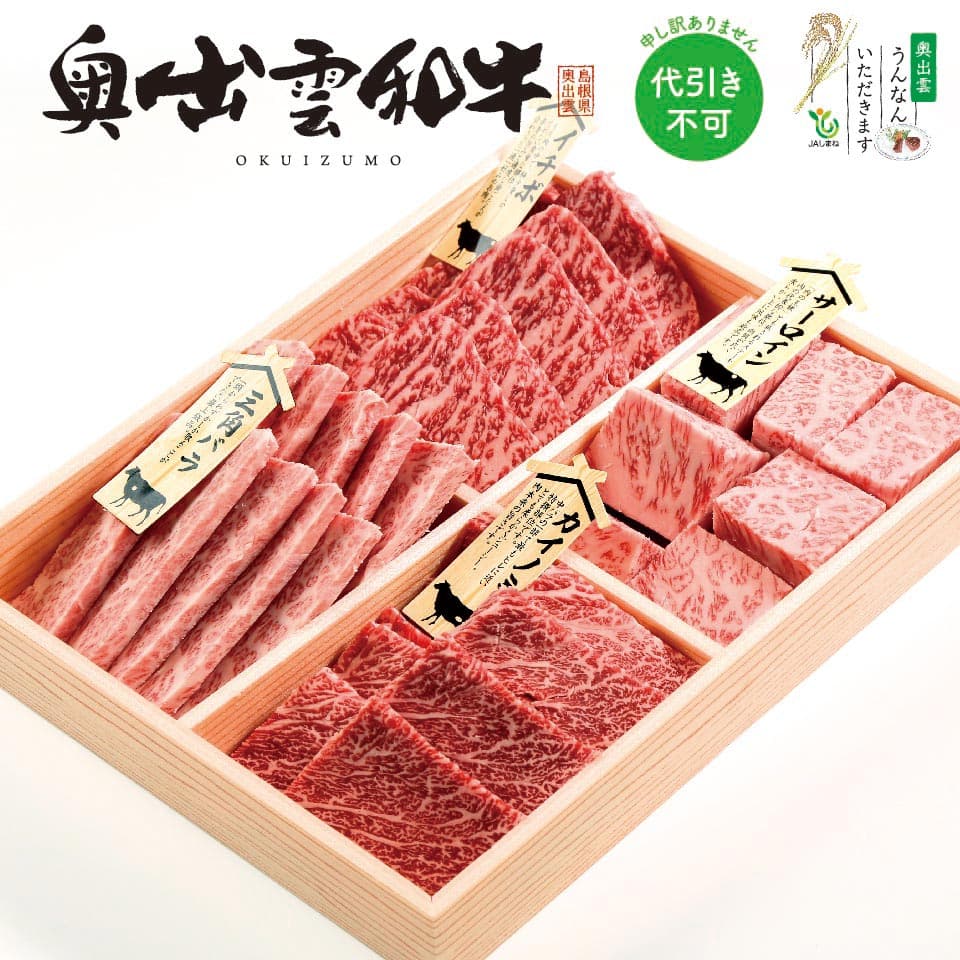

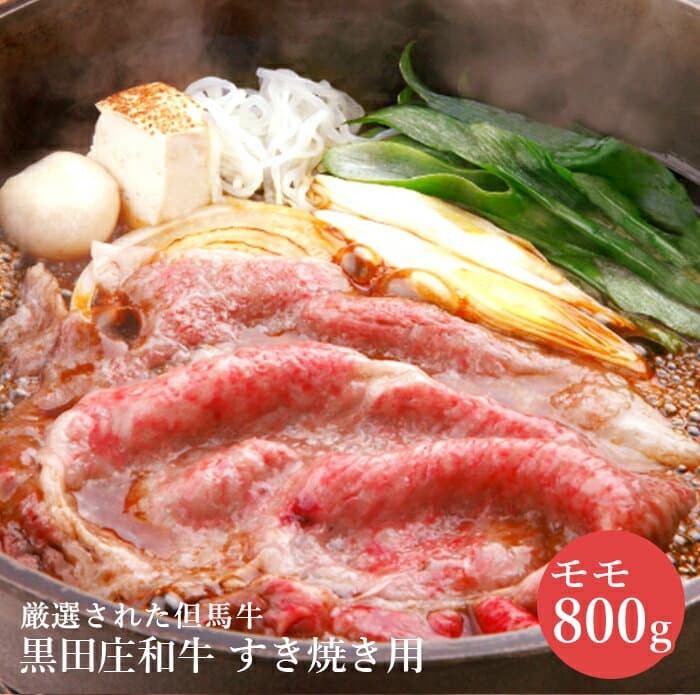


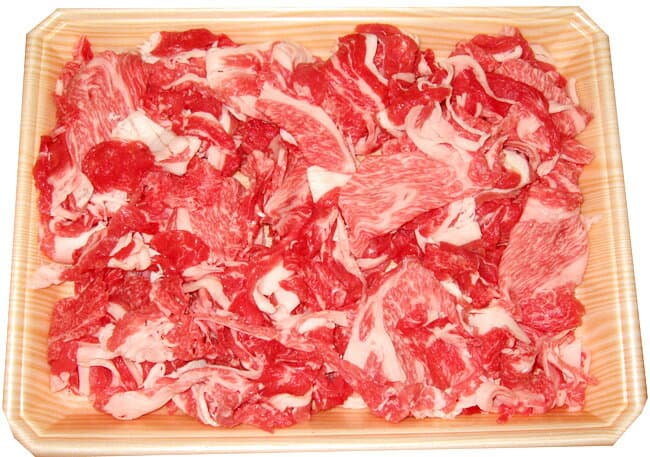
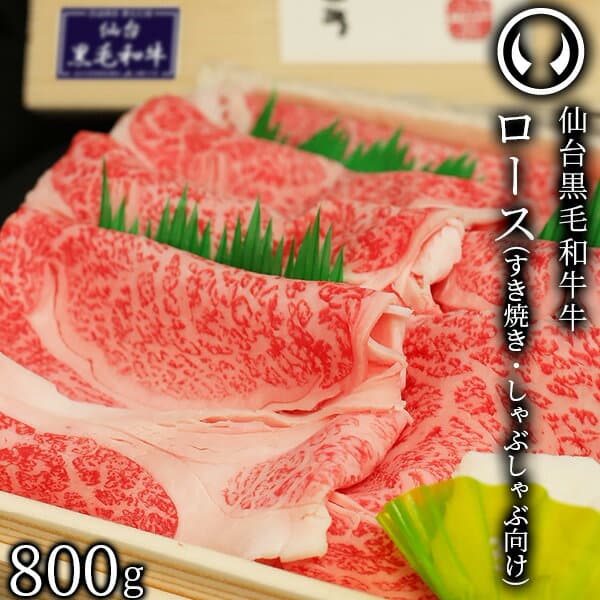
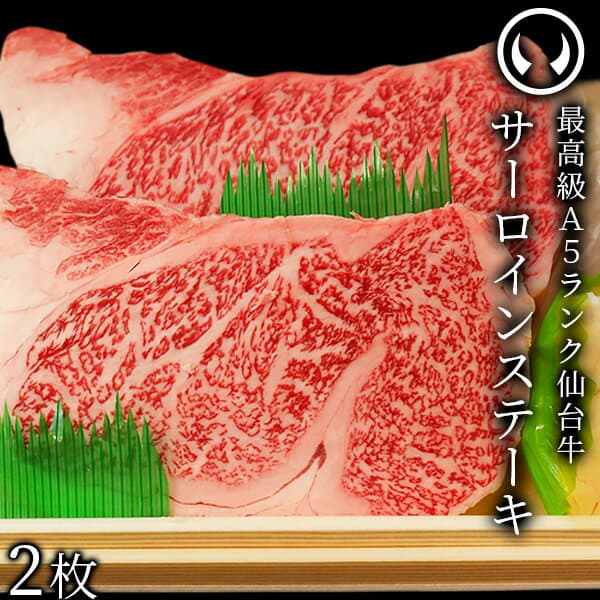
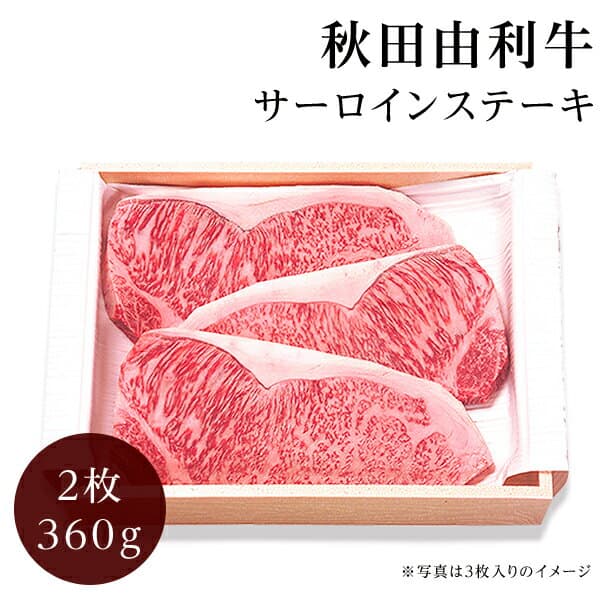


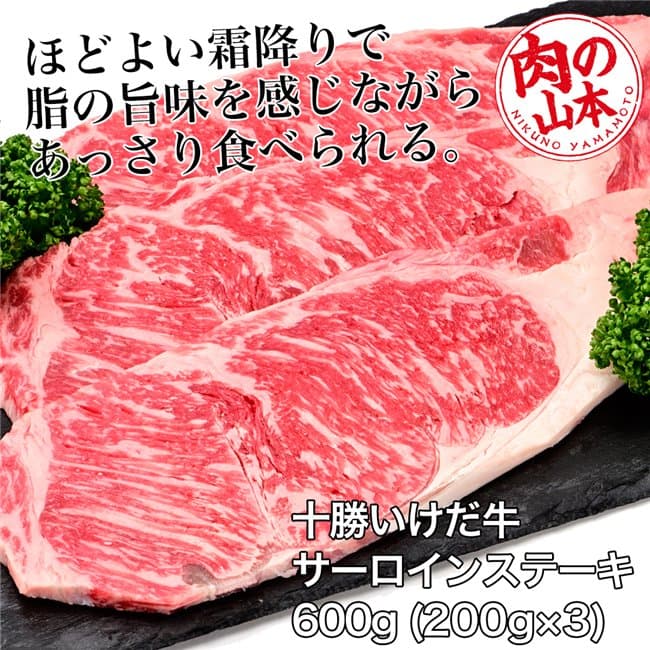
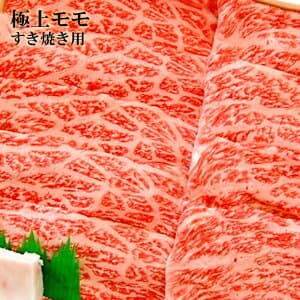
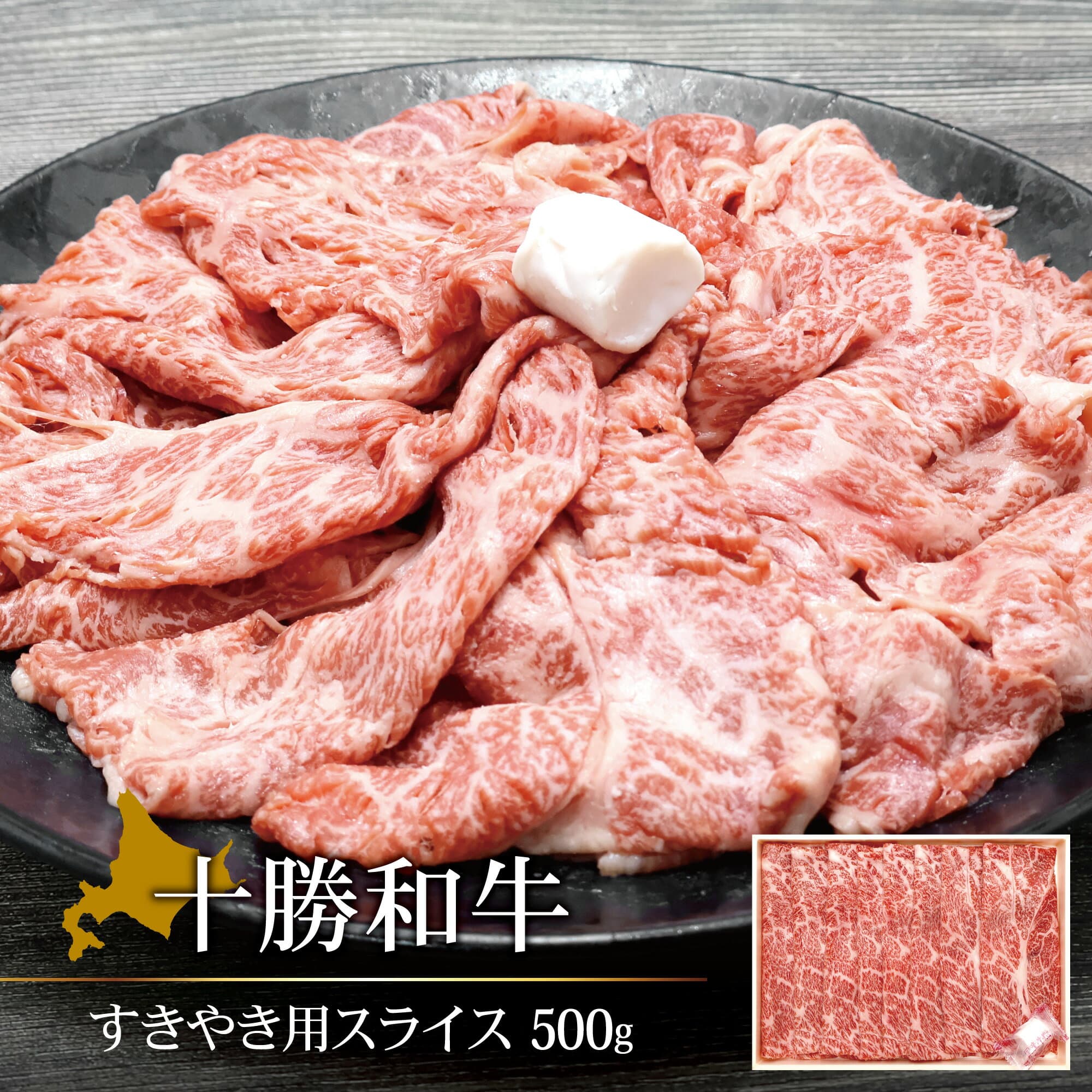

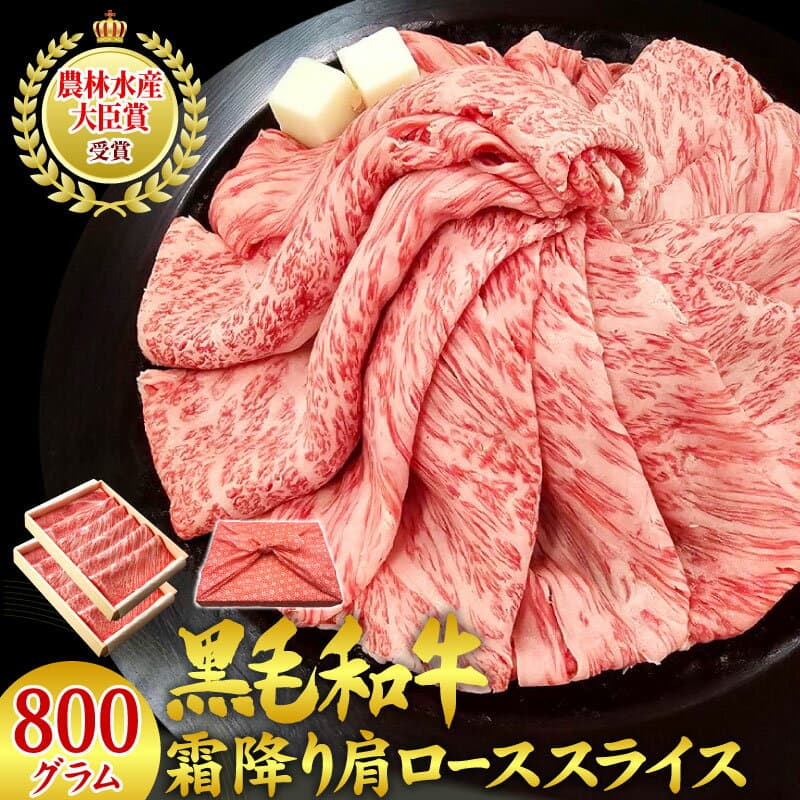
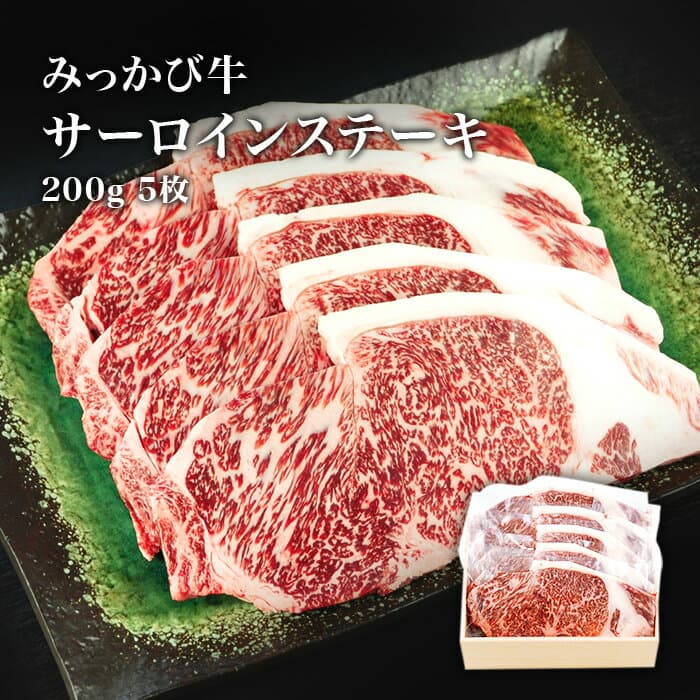

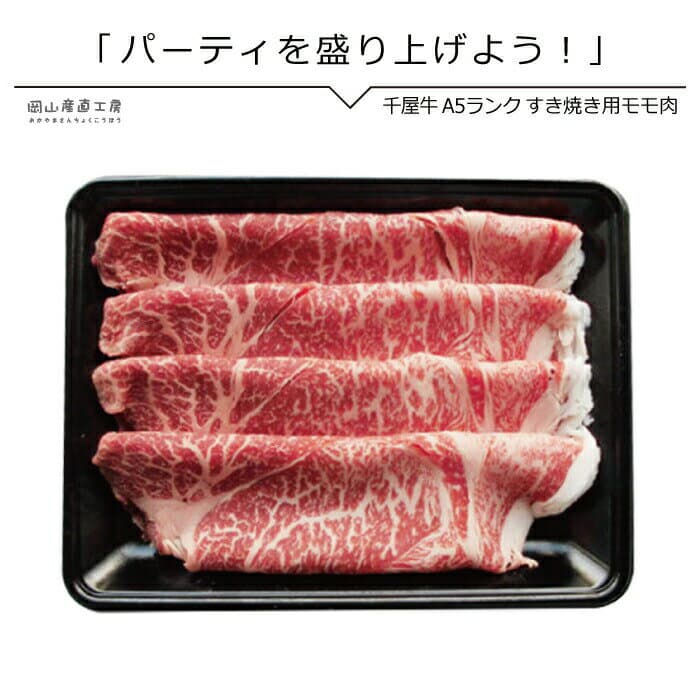


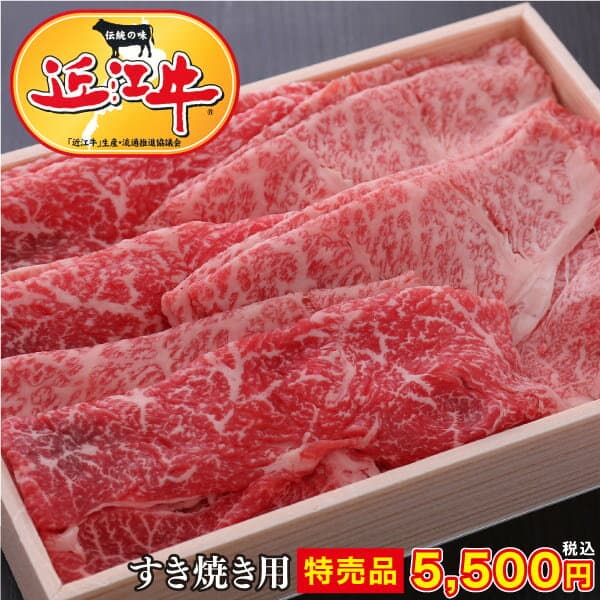
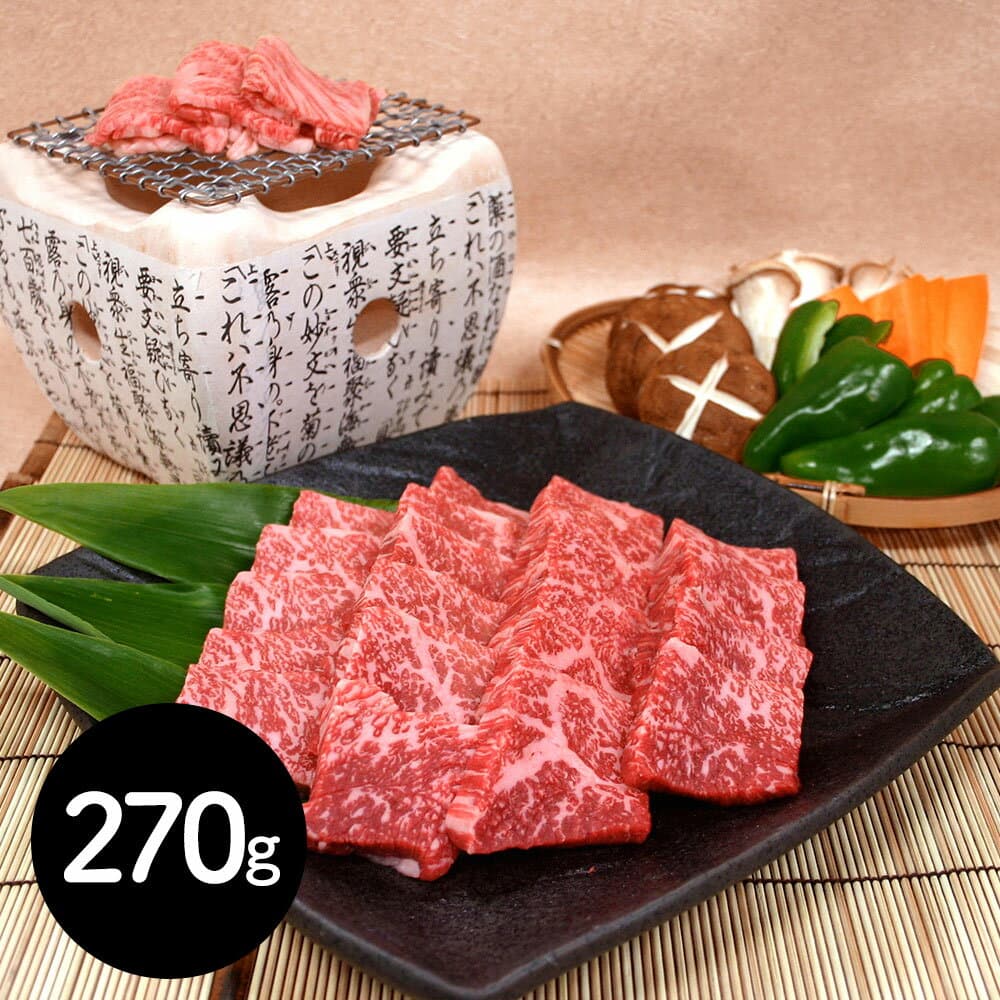
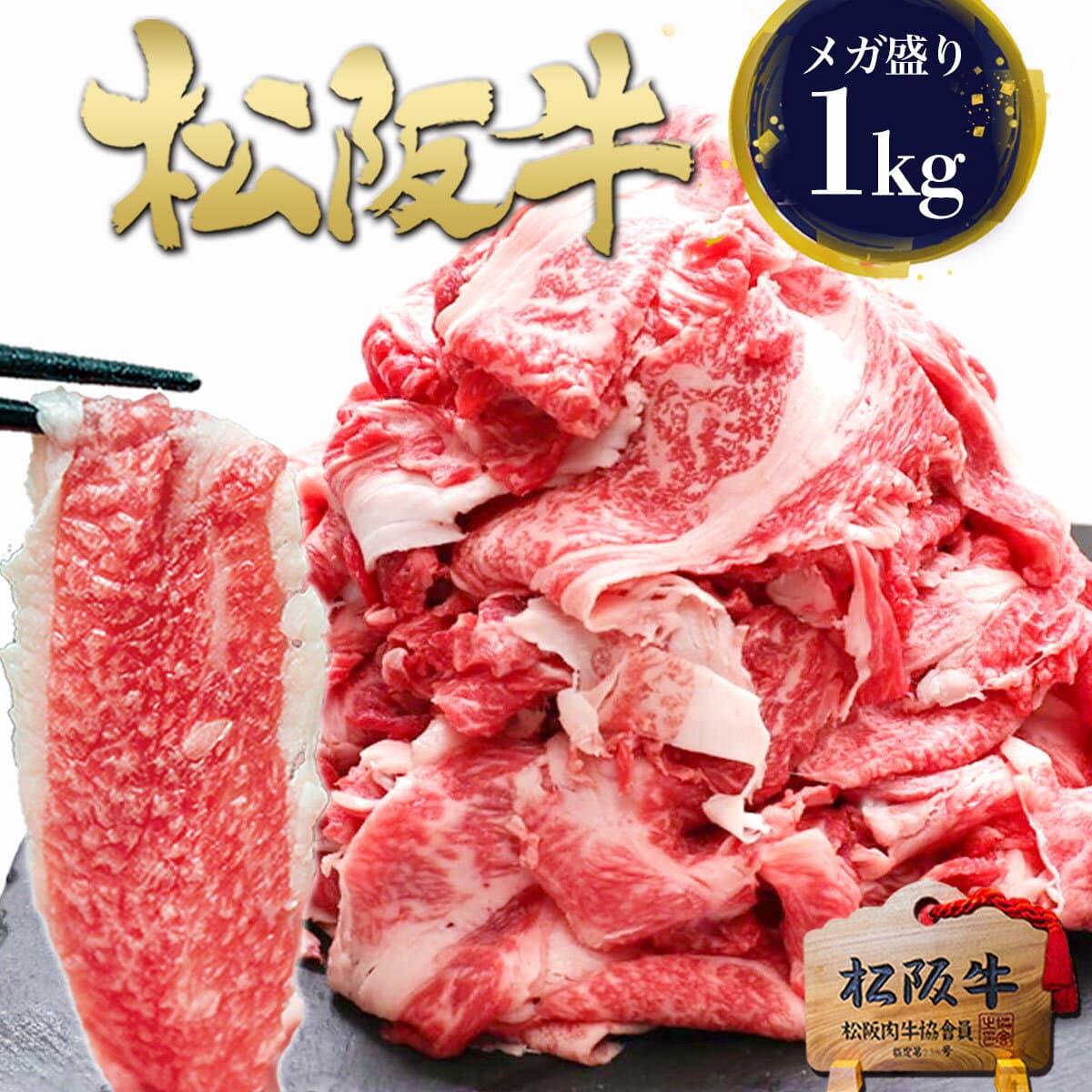
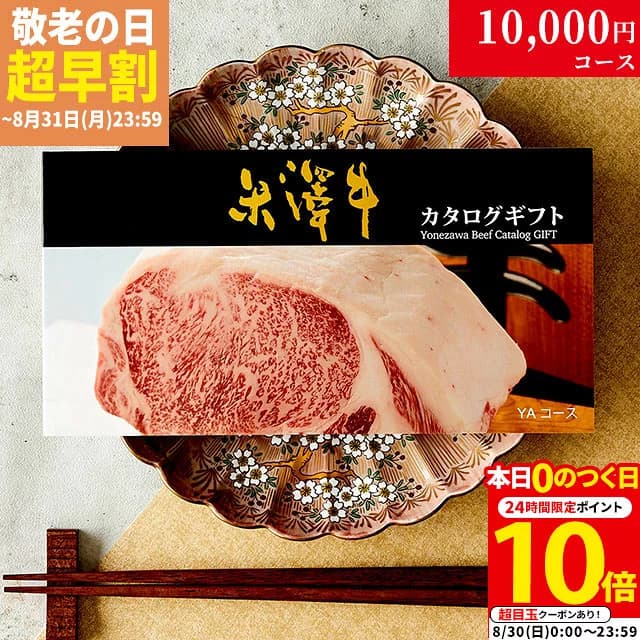

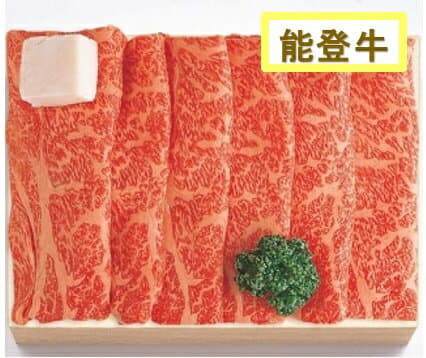
Selected automatically by category and price. Confirm individual wrapping, piece count, and best-before dates on the Rakuten listing.
Continue to prefectures
Hokkaido
Hokkaido is a useful starting point for distinctive local specialties.
Hyogo
Hyogo is a useful starting point for distinctive local specialties.
Shimane
Shimane is a useful starting point for distinctive local specialties.
Nagasaki
Nagasaki is a useful starting point for distinctive local specialties.
Miyagi
Miyagi is a useful starting point for distinctive local specialties.
Iwate
Iwate is a useful starting point for distinctive local specialties.
Shizuoka
Shizuoka is a useful starting point for distinctive local specialties.
Related buying guides
FAQ
What is the difference between wagyu and domestic Japanese beef?
Wagyu means Japan's four native beef breeds, and most of what is sold is Japanese Black. Domestic beef, kokusan-gyu, only means raised in Japan and includes dairy and crossbred cattle. Tokachi wakaushi beef is lean beef from Holstein males finished at about 14 months, and Joshu beef today means Japanese Black crossed with dairy cattle; both are domestic beef, neither is wagyu.
What does A5 actually mean?
The yield grade A, B or C rates how much saleable meat the carcass gives; the meat quality grade from 5 to 1 rates marbling, meat colour and lustre, firmness and texture, and fat colour and quality. A5 is the top of both. It measures marbling and appearance, not taste. Sendai beef takes only A5 or B5, Hida beef accepts 5, 4 and 3, and Tosa akaushi beef, a Japanese Brown, uses a separate TRB standard that judges lean meat by ribeye area, thin subcutaneous fat and fine marbling.
How are Kobe beef, Tajima beef and Matsusaka beef related?
Kobe beef is not a breed. It is that meat from Tajima cattle born, raised and processed in Hyogo that clears the grade, weight and marbling thresholds. Matsusaka beef uses Japanese Black heifers that have never calved, and its origin traces to Tajima cows that came through Kishu into Matsusaka in the Edo period; special Matsusaka beef still requires Hyogo birth and at least 900 days of fattening in the production area.
Which should I buy if I find wagyu too fatty?
Choose an akaushi or a lean beef. Tosa akaushi beef and Kumamoto akaushi beef are lean with moderate marbling; the first is fattened to around 28 months, the second for at least 12 months with breeding cows grazing the Aso pastures. Tokachi wakaushi beef is fine-grained lean beef from Holstein males finished at about 14 months. Among the Japanese Black brands, Tokachi wagyu is described as relatively light for marbled beef.