 3 images
Shimane Local Goods Guide
島根県
Shimane is indexed here as a practical buying guide for travelers and foreign residents in Japan. Start with packable gifts, then compare table goods, quiet luxuries, and crafted objects when you need a stronger sense of place.
7Local selections
What Shimane is known for
The 7 products below are what Shimane is known for, ordered by how strongly each is rooted in the prefecture — what it is, and why it comes from here.
Sekishu washi paperHome & living
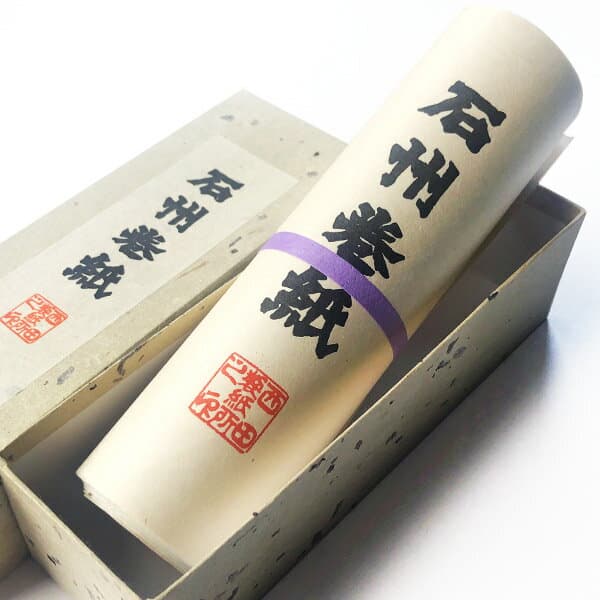
In western Shimane’s Iwami region, Hamada’s Misumi area keeps Sekishu washi close to kozo fiber, tororoaoi mucilage, and nagashi-suki hand papermaking. The sheets are strong, light, soft, and known for a pale yellow tone that whitens with age.
Unshu abacusHome & living
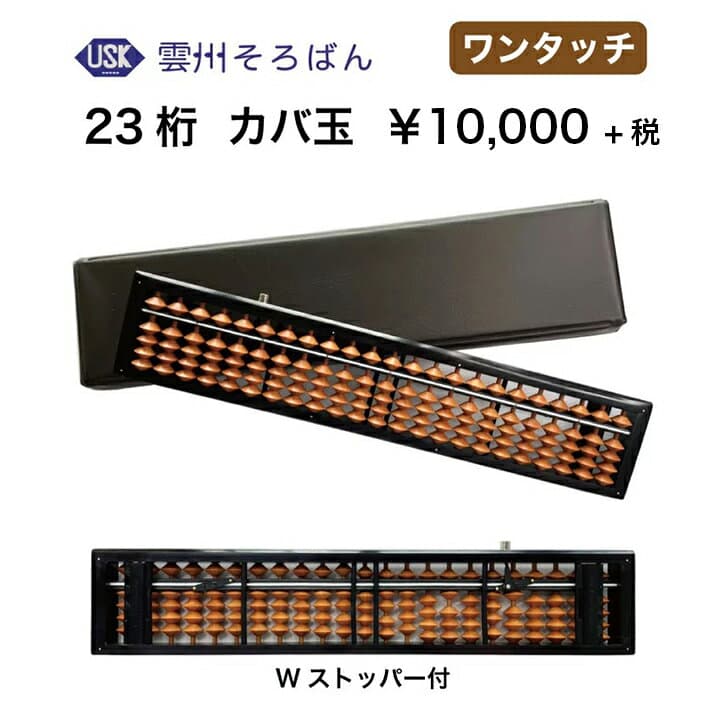
Beside JR Izumo-Yokota Station, Unshu soroban connects Yokota, Kamedake, wooden beads, bamboo rods, and a crisp clicking sound in one Shimane craft tool.
Shimane wagyuRegional foods
Raised as Black Wagyu within Shimane Prefecture, Shimane Wagyu connects Izumo breeding and fattening farms, mountain livestock shaped by tatara iron transport, and beef known for clear umami, softness, and sweet clean fat.
Okuizumo wagyuRegional foods
Breeding cattle, fattening cattle, unified feed, rearing manuals, Bokura-zuru in Torikami, and Dai 7 Itozakura give Okuizumo Wagyu its clearest local shape.
Iwami wareTableware
In western Shimane, dense local clay is fired into hard vessels for water, salt, miso, and pickles; today’s bowls, tea ware, flower vessels, and water basins still carry the skills of the old hando jar.
Taki figsRegional foods
On the Japan Sea side of Izumo City, Horai-shi figs grow in drained coastal soil, sea breeze, and mountain wind; a slightly opened tip, morning harvest, and a three-day fresh window shape Taki ichijiku.
Sekishu roof tilesHome & living
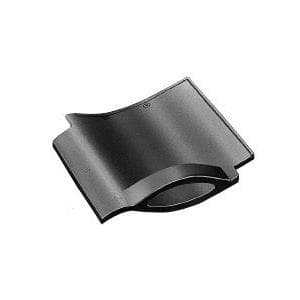
In western Shimane, Sekishu kawara links Tsunozu Formation clay, local kilns, six makers, and red-tile surfaces from house roofs to Grantowa’s walls and floors.
Regional Gifts
Packable foods and gifts with clear regional character.
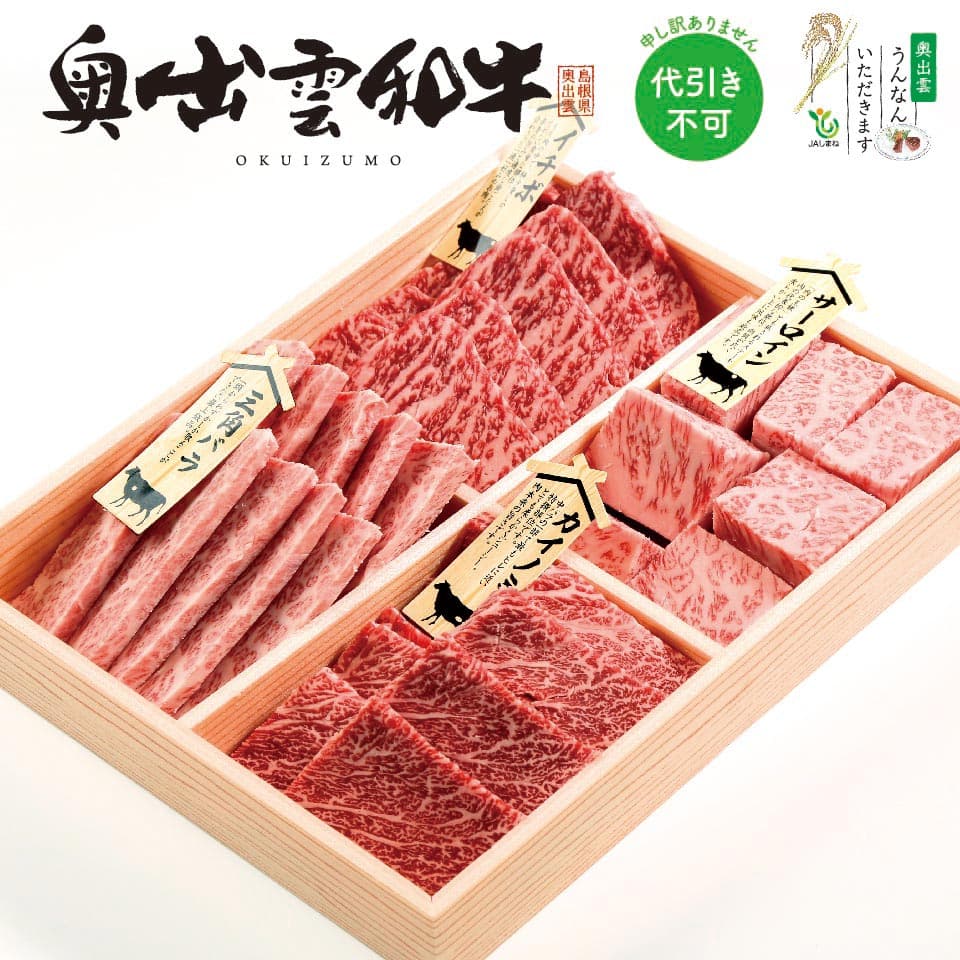
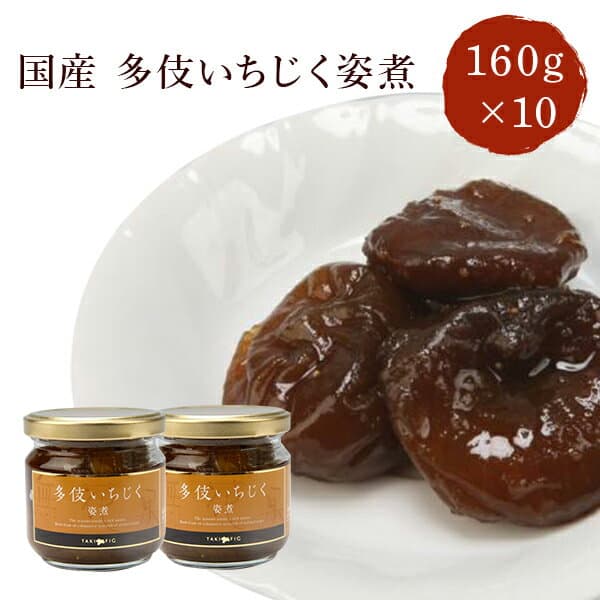
Table & Tea
Tea, drinks, foods, and table pieces shaped by local taste.
Daily Rituals
Home goods and textiles that turn everyday use into a local ritual.
Shimane's specialties by category
How the same thing is made elsewhere, and what differs: the category overviews start here.
Breed first, brand second: Japanese Black is marbled, akaushi is lean, a brand name is a set of conditions, not a breed.
Earthenware or porcelain first, then the surface: unglazed like Bizen, glazed like Hagi, or painted like Kutani.
Everyday Japanese tools, each tied to a named craft region and still made for use.
FAQ
What is Shimane known for?
Shimane (Chugoku) is represented here by specialties such as Sekishu washi paper, Unshu abacus, Shimane wagyu — each verified against official registries and matched to Rakuten listings.
Are Shimane souvenirs good to bring home?
Many Shimane picks — Sekishu washi paper, Unshu abacus, Shimane wagyu among them — are shelf-stable foods and crafts that travel well; for temperature- or fragility-sensitive items, confirm delivery and packaging on the Rakuten listing.
Are these products sold directly by this site?
No. This site curates Rakuten listings and may earn affiliate revenue from links to Rakuten.
How are products selected?
Listings are filtered for local relevance, product images, availability, and review strength.
Related prefecture guides
Tottori
Tottori is a useful regional guide for distinctive local specialties.
Okayama
Okayama is a useful regional guide for distinctive local specialties.
Hiroshima
Hiroshima is a useful regional guide for distinctive local specialties.
Yamaguchi
Yamaguchi is a useful regional guide for distinctive local specialties.