 3 images
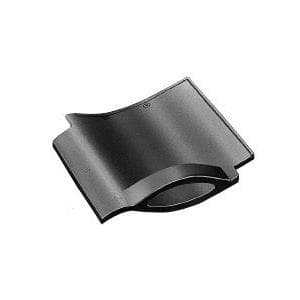
Sekishu Roof Tile Ring Snow Guard Tile
輪型雪止瓦 石州瓦 和型 53B
Japanese style 53B瓦Shop 楽天市場店
Japanese name石州瓦
In western Shimane, Sekishu kawara links Tsunozu Formation clay, local kilns, six makers, and red-tile surfaces from house roofs to Grantowa’s walls and floors.
Information last updated 1 hour ago
3 images輪型雪止瓦 石州瓦 和型 53B
Japanese style 53B瓦Shop 楽天市場店
 3 images
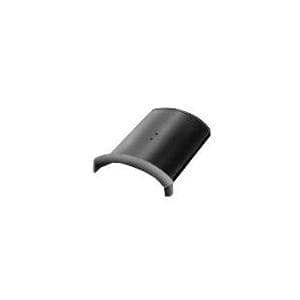
丸桟垂付雁振瓦 丸桟小雁振 石州瓦 和型 53B
Japanese style 53B瓦Shop 楽天市場店
 3 images
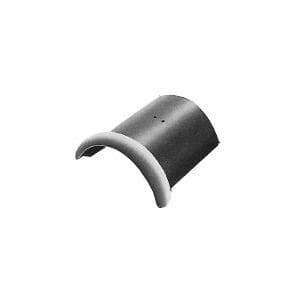
7寸丸 紐丸7寸 石州瓦
7-sun Himomaru round瓦Shop 楽天市場店
 2 images
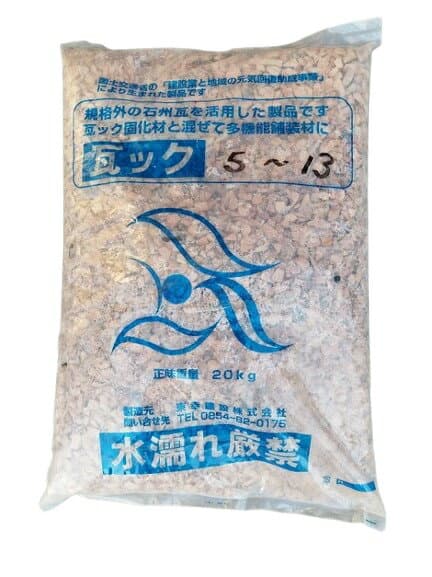
瓦チップ 瓦ック(旧セラテール) 20kg×5袋セット 国産 石州瓦
20 kg x 5 bags建築金物 SHOP
2 images瓦チップ 瓦ック(旧セラテール) 20kg 国産 石州瓦
20 kg建築金物 SHOP
4.0 / 1 reviews
First time buying on Rakuten? How residents in Japan order →
All 5 listings of this product on Rakuten, lowest price first.
| Listing | Price | Shop | Reviews | Open listing |
|---|---|---|---|---|
Sekishu Tile Marusan Small Gankuri Ridge Tile Japanese style 53BLowest price | ¥772 | 瓦Shop 楽天市場店 | View on Rakuten → | |
Sekishu Roof Tile Ring Snow Guard Tile Japanese style 53B | ¥1,177 | 瓦Shop 楽天市場店 | View on Rakuten → | |
Sekishu Kawara 7-sun Himomaru Round Roof Tile 7-sun Himomaru round | ¥1,274 | 瓦Shop 楽天市場店 | View on Rakuten → | |
石州瓦 Kawakku Roof Tile Chips (formerly Ceraterre) 20 kg | ¥1,760 | 建築金物 SHOP | 4.0 / 1 reviews | View on Rakuten → |
Sekishu Kawara Kawakku Roof Tile Chips 20 kg x 5 bags | ¥8,300 | 建築金物 SHOP | View on Rakuten → |
Japanese · new tab
Sekishu kawara is a clay roof-tile family from western Shimane. Its place begins with early Edo-period Iwami and continues today around Oda, Gotsu, Hamada, and Masuda, where roof-tile production has carried on for about 400 years. Regional clay is fired in Shimane kilns at more than 1,200°C, giving roof tiles a role in cold, salt-laden, hot, and rainy conditions.
The name Sekishu kawara points to Iwami, and the present production area points to western Shimane. Oda, Gotsu, Hamada, and Masuda form the local industry cluster described for these clay roof tiles. About 400 years of continuity can be seen through cities, kilns, and ordinary roofs that have kept the material in use.
The material begins with clay. Work with Sekishu kawara in regional-resource education describes Tsunozu Formation clay that can still be taken and fired in Shimane kilns, while regional clay fired above 1,200°C stands at the center of the tile’s quality. The local character here is a stratum, raw earth, and a kiln practice tied to the prefecture.
Sekishu kawara is fired at more than 1,200°C, roughly 100 to 200 degrees higher than other tile-producing areas. That firing is linked with resistance to cracking, cold, heat, sound, and salt damage. The tile has therefore been used in severe-cold Hokkaido, in Kyushu areas exposed to wind-driven salt, and along the Japan Sea side of Tohoku.
The current production boundary is easiest to understand through the maker community. The Sekishu Kawara Industrial Cooperative is based in Gotsu, Shimane, and six western-Shimane member businesses make up the cooperative group. University coursework and fieldwork brought makers, tile samples, weight, texture, and uses into the classroom, turning a roof material into something students could handle directly.
At the Shimane Arts Center Grantowa in Masuda, Sekishu red tiles move beyond the single-roof image. The tiles appear on the roof, walls, and floor. For visitors, the material is above the eaves, along walls, underfoot, and across public space, where the fired red surface becomes part of the building’s daily presence.
After the 2020 Kumamoto heavy-rain disaster, Sekishu kawara was adopted for 600 of 800 emergency temporary housing units. The reason was tied to sound: the tile is described as having about 30 percent higher sound insulation than metal and slate roofing, helping residents who had lived through heavy rain feel less anxious about rain noise. In that setting, the roof tile answered a daily question of weather, sleep, and shelter.
Sekishu kawara has also moved into wall tiles, floor tiles, tile tableware, lightweight tiles, and ceramic sand made by crushing off-spec fired tiles. These uses still center on the same fired material. A wall needs a surface, a floor needs durability, tableware shows the tile texture at hand scale, and ceramic sand keeps rejected pieces within a material cycle.
Sekishu kawara is best understood through specific anchors: Oda, Gotsu, Hamada, and Masuda; clay from the Tsunozu Formation and other regional deposits; Shimane kilns firing above 1,200°C; roofs that face frost and salt exposure; and Grantowa’s red-tile walls and floors. Its cultural meaning is grounded in those materials and places, where clay becomes roof, building surface, classroom object, and reused ceramic sand.
Compiled from public records and official sources; see the recognition links below. Details may change over time.
Where this product is officially registered, designated, or recognized in Japan.
Regional collective trademark
Registered as a Regional Collective Trademark with the Japan Patent Office.
Sources1
It is written as 石州瓦 in Japanese. Search Rakuten and other Japanese sites with that spelling — the English name will not bring up the listings.
Sekishu roof tiles (Sekishu kawara) are a clay roof-tile family from western Shimane, linked to early Edo-period Iwami. Regional clay, including Tsunozu Formation clay, is fired in Shimane kilns above 1,200°C. The current production area includes Oda, Gotsu, Hamada, and Masuda.
After the 2020 Kumamoto heavy-rain disaster, Sekishu kawara was used for 600 of 800 emergency temporary housing units. Sekishu kawara has about 400 years of continuity from the early Edo period. High-temperature firing is linked with resistance to cracking, cold, heat, sound, and salt damage. The Gotsu-based Sekishu Kawara Industrial Cooperative and six western-Shimane businesses form the current maker community.
They are used as roof tiles for housing in areas such as Hokkaido, Kyushu, and the Japan Sea side of Tohoku because of resistance to cold, salt damage, and related weather conditions. In Shimane, they are used on the roofs of houses and public buildings. Uses beyond roof tiles include wall tiles, floor tiles, tile tableware, lightweight tiles, and ceramic sand made from crushed off-spec tiles.
Keep wood, bamboo, and lacquer out of prolonged soaking, dishwashers, and direct sun — wipe dry after use and let them air out in the shade. For metal and fabric goods, follow the care notes on the listing.
Most options are shelf-stable, boxed, and travel well, so they suit gifting or bringing home. Confirm the final storage and delivery terms on the Rakuten listing.
On Rakuten: the shops listed here right now are 瓦Shop 楽天市場店, 建築金物 SHOP. We don't sell directly; purchase, payment, stock, and delivery are all handled on the Rakuten product page.