Japanese noodles by region: udon, soba, somen, ramen and where each comes from
Type first: somen and hand-stretched udon are pulled, soba is about the flour, ramen and Okinawa soba use kansui.
Sort out the type first, then the region
Nearly every Japanese noodle is made from wheat flour or buckwheat flour. They taste so different because the ratio of flour, water and salt differs, as does the way the dough is shaped, so the type is what to learn first. Region only means something after that.
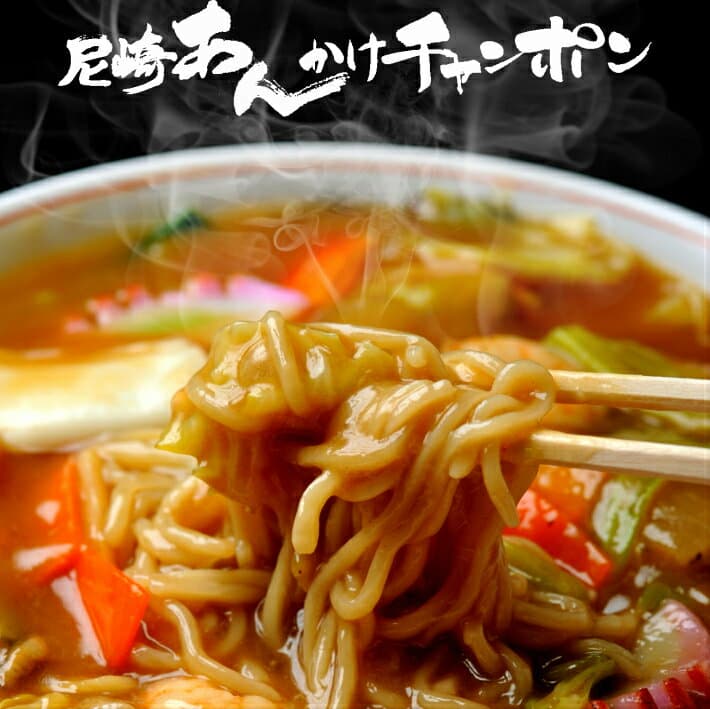
Udon is a thick noodle of wheat flour kneaded with salt water; what matters is thickness and how soft it is. Soba is mainly buckwheat flour, usually with a little wheat flour as a binder, and the share and the milling decide the aroma. Somen is the thinnest wheat noodle, sold dried, and the ones sold under regional names are hand-stretched. Chuka-men adds kansui, an alkaline water, to wheat flour, which makes the noodle yellowish and springy; ramen, yakisoba and champon all use it, and Okinawa soba, despite the name, belongs to this wheat family too.
Two more distinctions are worth keeping in mind. Dried noodles keep and ship well; fresh and pre-boiled noodles should be eaten soon. Hand-stretched noodles are made by oiling the dough, twisting it, pulling it longer in stages and hanging it to dry; cut noodles are rolled into a sheet and sliced. Two packets both labelled udon can be very different things.
Hand-stretched noodles: Miwa, Handa, Daimon and Goto
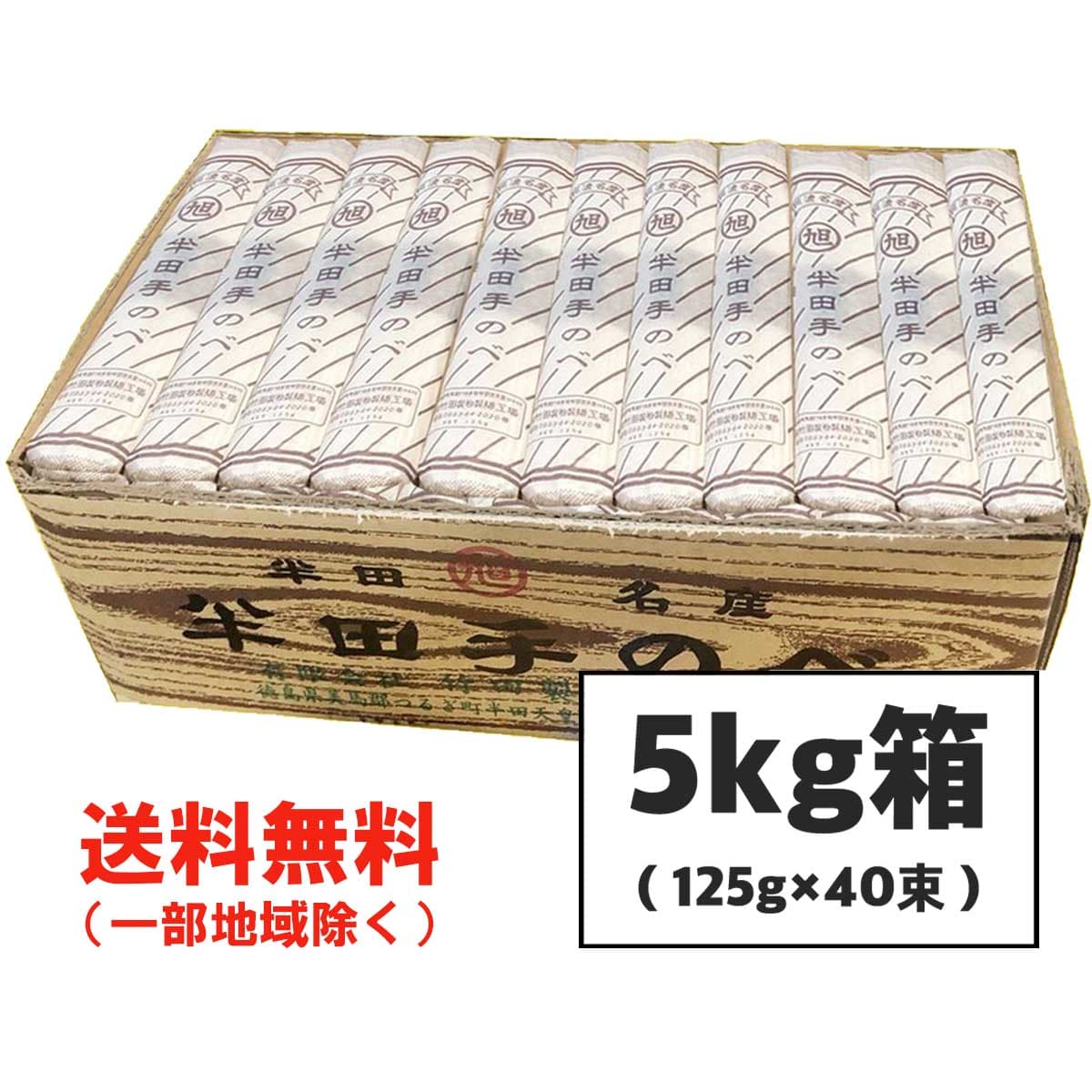
The hand-stretched method is the same everywhere: wheat flour is kneaded with salt water, coated with oil or starch, rested, twisted and pulled longer in stages, then hung on rods to dry. Stretching aligns the gluten into a mesh, so the noodle resists going soft in the pot and slips down smoothly. What differs is the climate, the thickness and each district's habits.
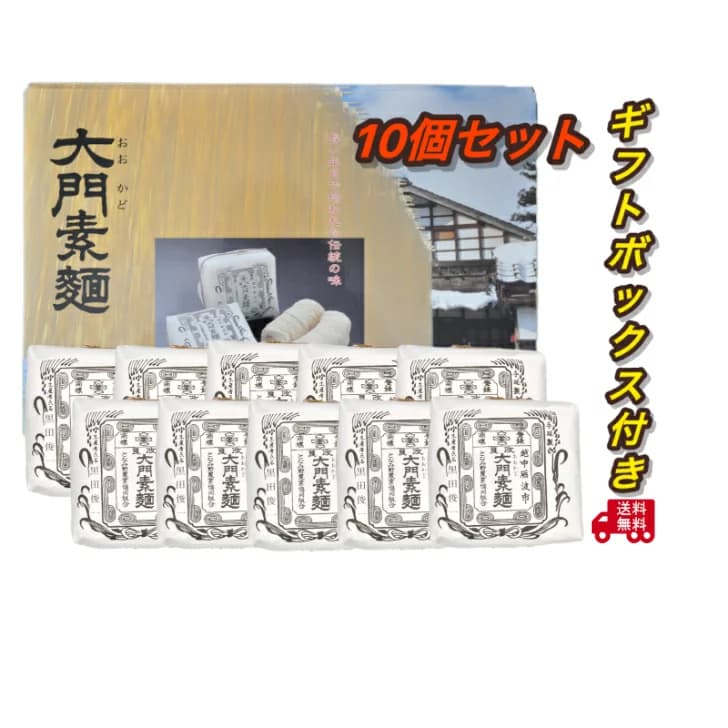
Miwa somen in Nara dries in the cold, dry winter and north wind of the Nara Basin; the noodles are cut to 19 cm and tied into 50 g bundles with a torii band, and in 2016 it became registration No. 12 under Japan's geographical indication system. Local tradition says Edo-period pilgrim traffic on the Ise road carried the Miwa method to Banshu, Shodoshima and Shimabara. Handa somen in Tokushima is slightly thicker than ordinary somen and firmer; it was once made only in the cold months from November to March, and today it is also produced year-round. Daimon somen in Toyama is coiled into rounds and wrapped in washi bearing the maker's name; more than 60 households made it in the early Showa period, and nine producers remained as of January 2025.
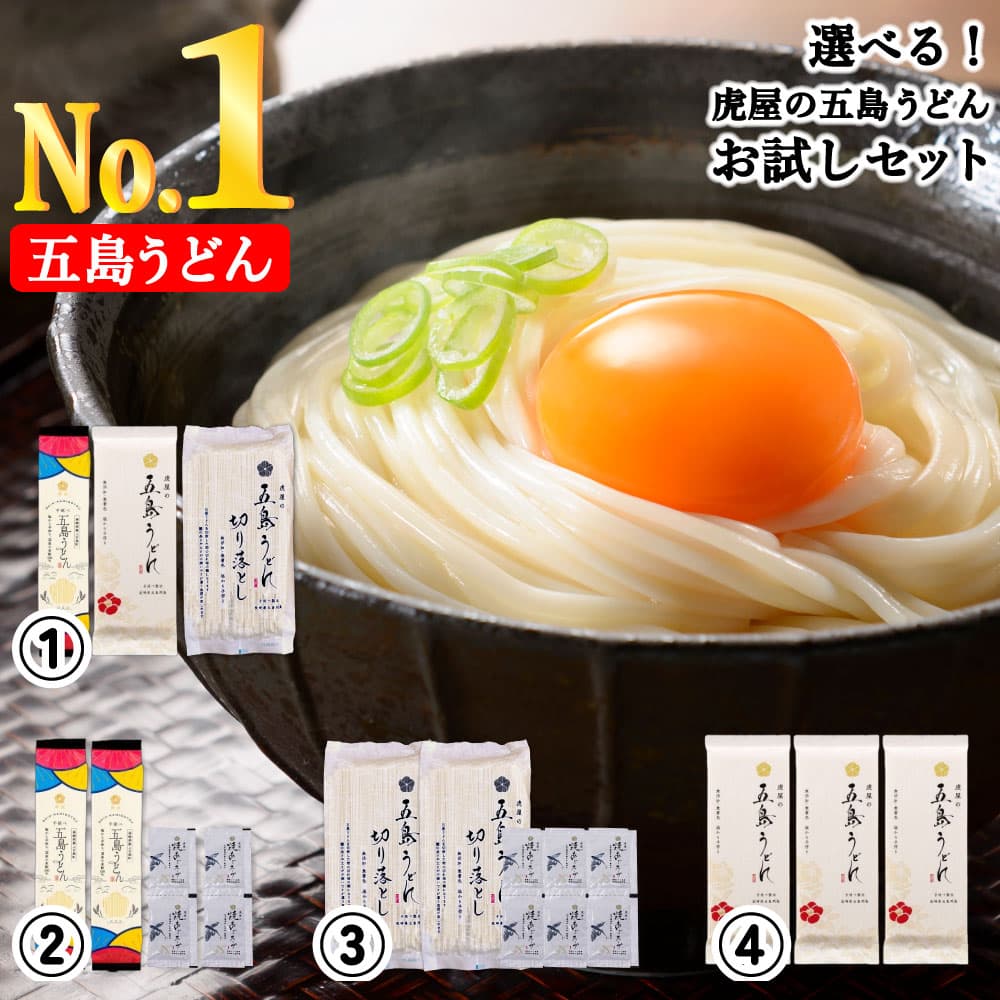
Udon can be hand-stretched too. Goto hand-stretched udon in Nagasaki uses camellia oil pressed from island camellia seeds and Goto-nada sea salt, and was once called phantom udon because the slow process limited output. Ago flying-fish broth is the usual local pairing, though not a requirement for every bowl.
Soba: Horokanai, Ibuki and Izushi
Soba begins in the field. Horokanai soba comes from about 3,200 hectares of buckwheat in Hokkaido producing more than 2,900 tons; cool weather, a wide day-night temperature swing and morning fog lie behind the quality. Sowing is in June and harvest in early September; growers judge the moment by the blackening rate of the seed and, as a rule, harvest only between noon and 4 p.m., after which the grain goes through three stages of dehumidified drying, snow-cooled storage and stone milling.
Ibuki soba from Maibara in Shiga is a native variety: the grains are mainly 4.5 mm or smaller, and the shipping standard requires at least 70 percent of them to be that small. A high share of seed coat gives the flour and the noodles a pale green tint and a strong aroma. The upper Anegawa basin, enclosed by mountains, is used for seed production because it limits crossing with other varieties.
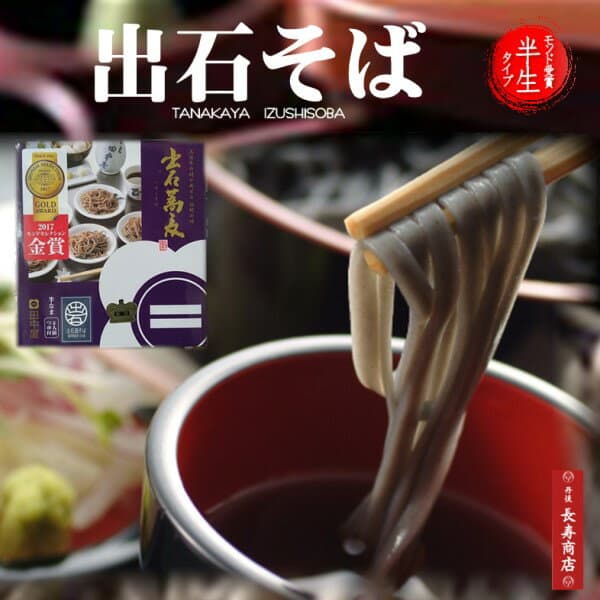
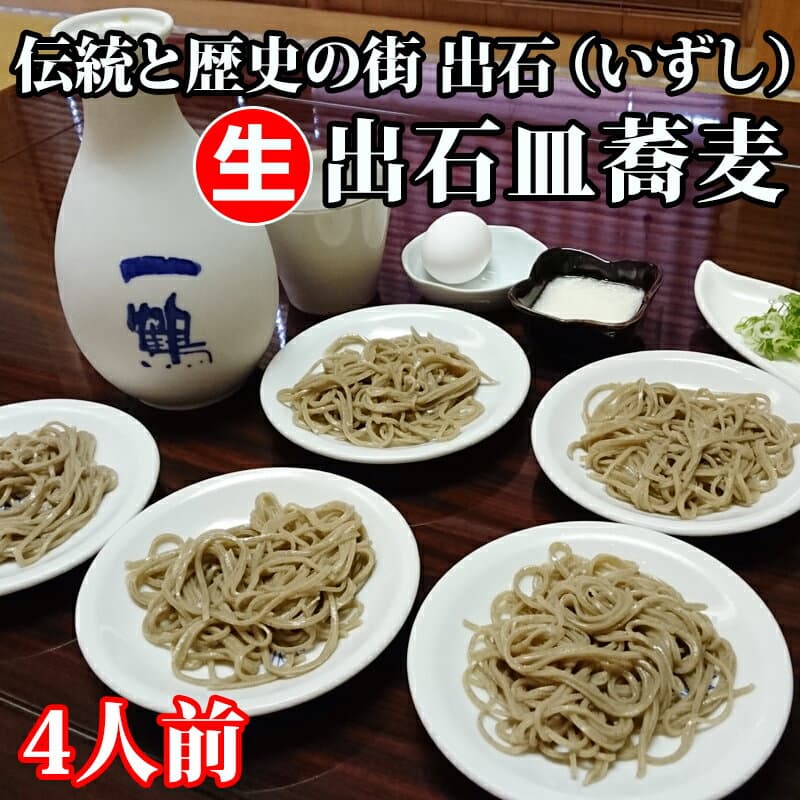
Izushi sara soba from Toyooka in Hyogo is famous for how it is served: buckwheat flour with a wheat-flour binder, portioned onto white Izushi-yaki plates about 13 cm across, five plates to a serving, with sauce in a tokkuri and egg, grated yam, green onion, grated daikon and wasabi on the side. The story usually starts in 1706, when Sengoku Masaaki moved from Ueda in Shinshu to Izushi and the soba craftsmen who came with him brought their technique; the town has around 40 soba shops, and the rule is freshly milled, freshly made, freshly boiled.
Udon and Okinawa soba: Ise, Komatsu and Okinawa
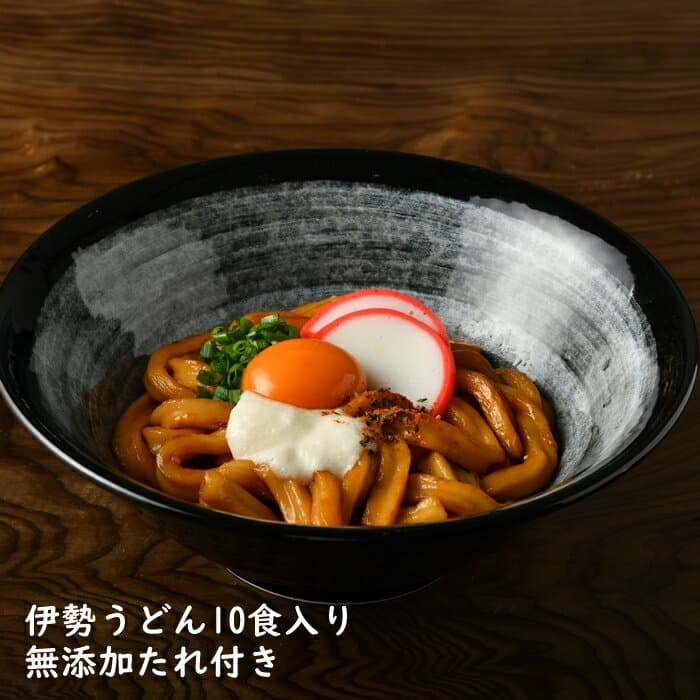
Two udon can be opposites. Ise udon in Mie is thick and very soft, dressed with only a small amount of dark sauce made from tamari soy sauce and bonito dashi; the local council's yardstick is a noodle whose width and height add up to at least 6 mm, boiled for 25 minutes or more during production. It goes back to farmers around Ise who grew wheat after the rice harvest, made noodles from it and ate them with tamari drawn from local miso, and in the Edo period the bowl was served to pilgrims bound for Ise Jingu.
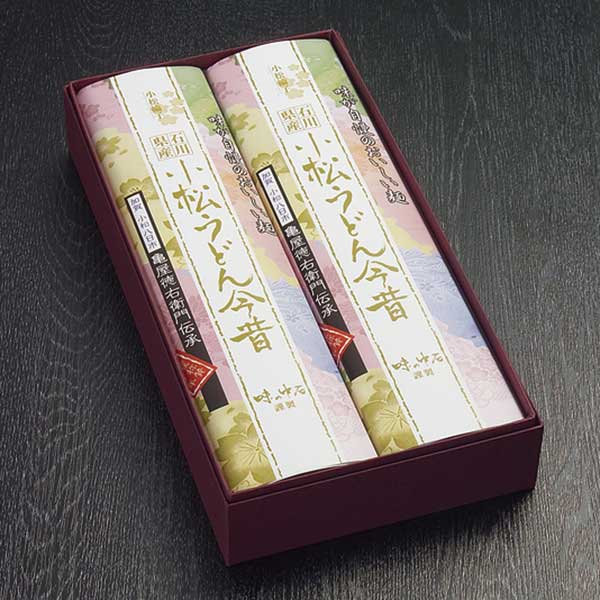
Komatsu udon in Ishikawa goes the other way: a thin noodle, soft with a moderate bite, made with water from the Hakusan system and eaten in a broth of urume, muroaji and saba fish flakes with kombu. The town gives it more than 300 years of history; a study group founded in 2010 set down eight points, and about 70 member shops now make their own versions.
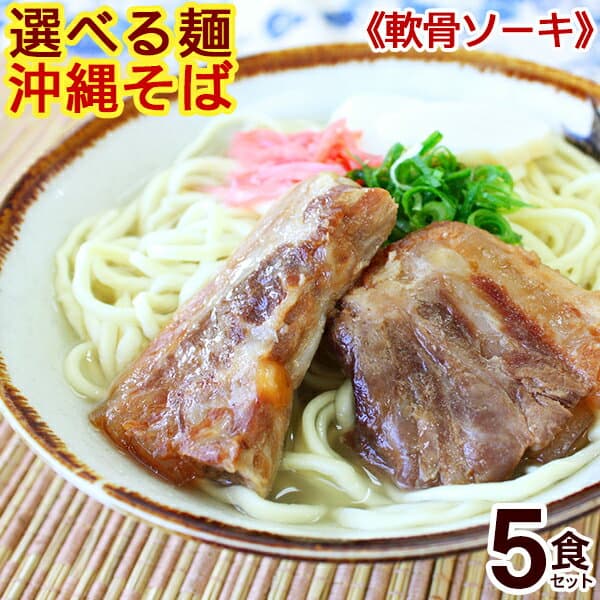
Okinawa soba has soba in its name but no buckwheat at all: wheat flour, kansui and salt, a yellowish springy noodle finished with oil after boiling. The north of the main island favours flat, firm noodles, Naha and the south medium curly ones, and islands such as Ishigaki round ones; the broth is pork and bonito, with simmered pork, kamaboko, green onion and red ginger on top. In the 1970s the name was challenged because the noodle contained no buckwheat, the Okinawa Fresh Noodle Cooperative fought to keep it, and October 17 became Okinawa Soba Day as a result.
Chuka-men made local: Wakayama, Katsuura, Yokote and Namie
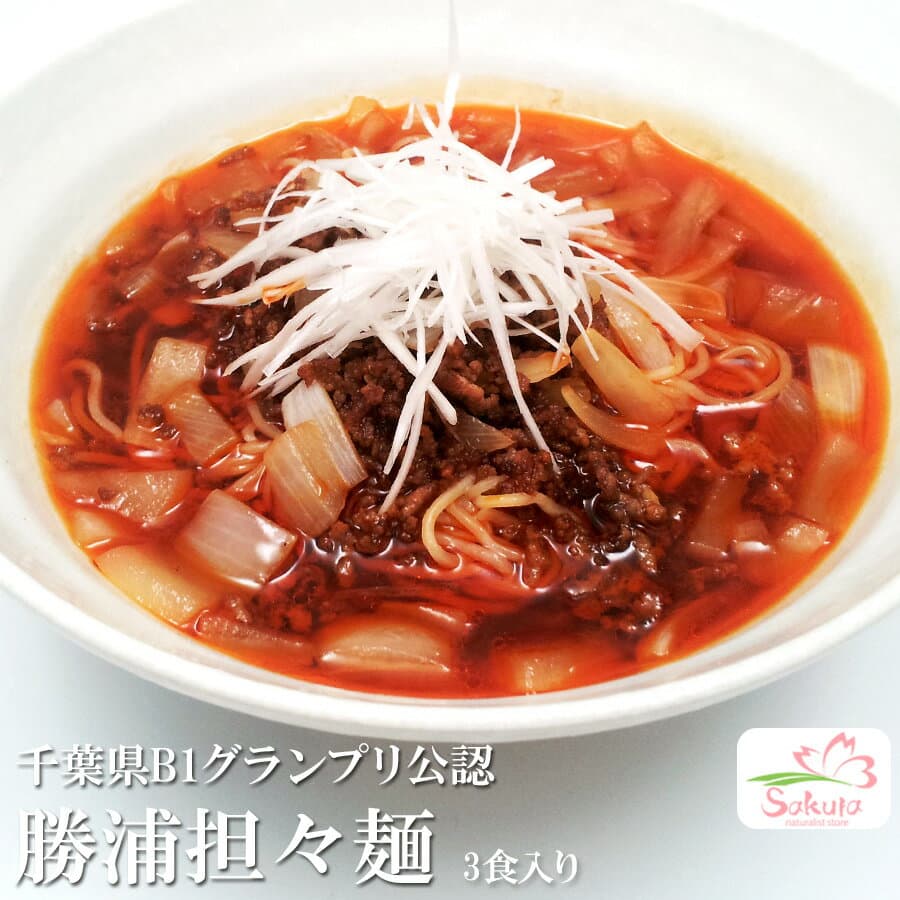
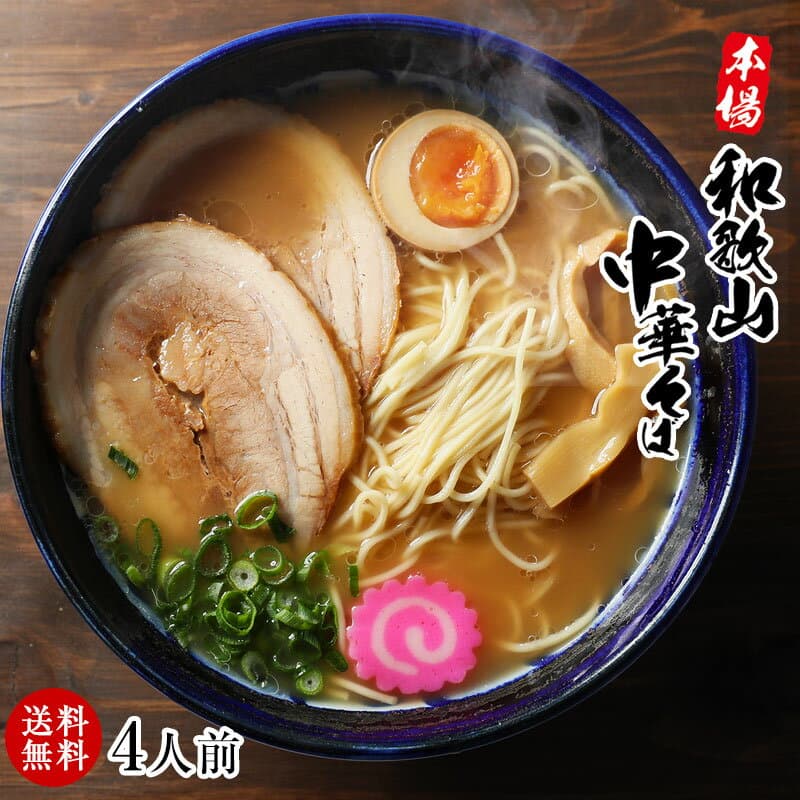
Kansui noodles grew into a different bowl in each town. Wakayama ramen was long called chuka soba in Wakayama City, and the name Wakayama ramen only spread in the late 1990s. The soup is built on soy sauce and pork bone, usually described as either the clearer, soy-forward shako-mae style or the richer Ide style, though both use soy sauce and pork bone and the line is not strict; a serving is about 100 to 120 g of noodles with generous soup, and hayazushi and boiled eggs sit on the table. Katsuura tantanmen in Chiba is not the sesame kind: soy broth with plenty of chili oil, chopped onion and minced meat, a bowl that warmed ama divers and fishermen after cold work at sea, now served at about 40 eateries in the city.
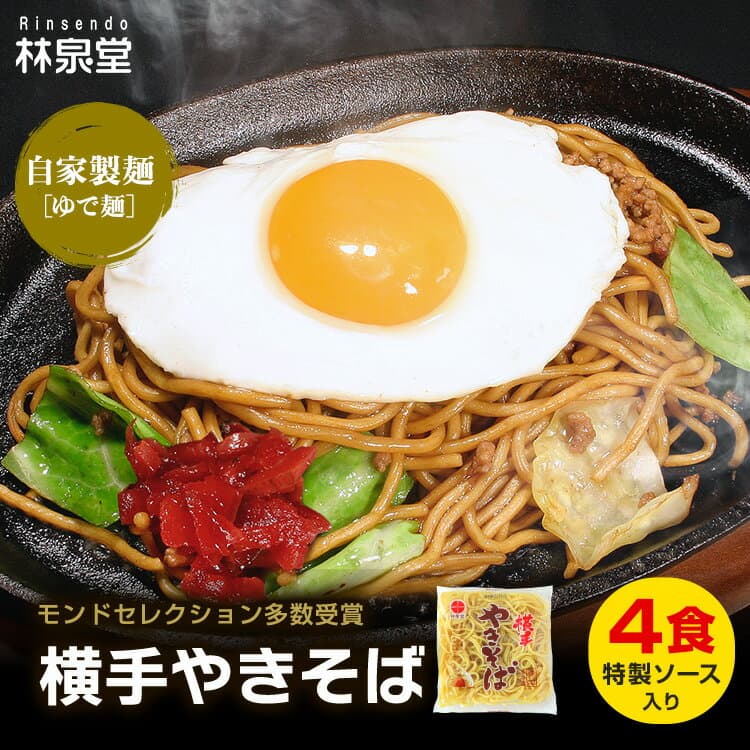
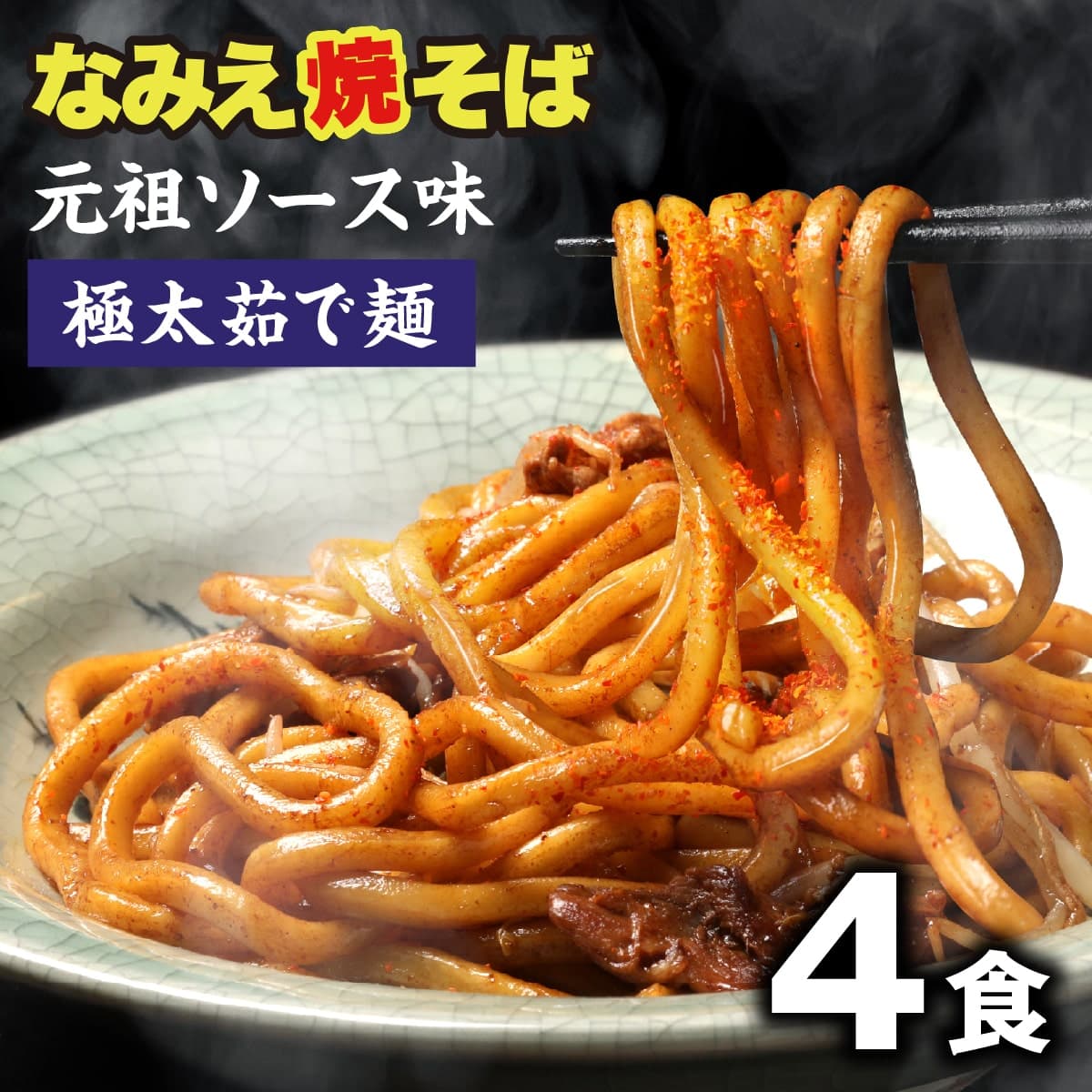
Yakisoba has local forms too. Yokote yakisoba in Akita is built on thick square boiled noodles made in the city, worked out on an okonomiyaki griddle after the war and settled around 1953; it is fried with minced pork and cabbage, seasoned with a dashi-based sauce, topped with fukujinzuke and a soft-set fried egg, and was selected as a 100-Year Food in March 2023. Namie yakisoba in Fukushima, devised about half a century ago to fill up workers, uses noodles about three times the usual thickness with bean sprouts, pork and sauce, finished with a shake of ichimi chili.
How to choose, and what to check before ordering
Decide first between dried and fresh. Somen, hand-stretched udon and most dried soba keep well and travel well; the boiled noodles used for Yokote yakisoba and the oil-finished Okinawa soba are perishable, short-dated and meant to be eaten soon.
Then read the ingredients. Hand-stretched noodles usually list oil or starch, vegetable oil for Daimon somen and camellia oil for Goto; Okinawa soba and chuka-men list kansui; for soba, look at the buckwheat share. Ni-hachi means eight parts buckwheat to two parts wheat, and Horokanai's soba workshop uses 400 g of buckwheat flour to 100 g of wheat flour.
Then look for the marks of origin. Miwa somen carries a 50 g torii band, Daimon somen's washi names the maker, the Handa cooperative uses member and production-area seals, Komatsu udon's name applies only to noodles made in the city, and around 2008 the Mie noodle cooperative sought name protection for Ise udon after rough copies from outside appeared. Finally, check the sauce: Ise udon does not work without its tamari sauce, Komatsu needs its fish-flake and kombu broth, and Goto usually pairs with ago dashi. See whether it is included, and if not, plan for it.




Continue to prefectures
Hyogo
Hyogo is a useful starting point for distinctive local specialties.
Nagasaki
Nagasaki is a useful starting point for distinctive local specialties.
Nara
Nara is a useful starting point for distinctive local specialties.
Shiga
Shiga is a useful starting point for distinctive local specialties.
Hokkaido
Hokkaido is a useful starting point for distinctive local specialties.
Okinawa
Okinawa is a useful starting point for distinctive local specialties.
Mie
Mie is a useful starting point for distinctive local specialties.
Related buying guides
FAQ
Is Okinawa soba a buckwheat noodle?
No. Okinawa soba noodles are made from wheat flour, kansui and salt with no buckwheat flour at all; they are yellowish and springy and finished with oil after boiling. In the 1970s the name was challenged for that reason, the Okinawa Fresh Noodle Cooperative worked to keep the local name, and October 17 became Okinawa Soba Day.
How do hand-stretched noodles differ from ordinary dried noodles?
In how they are made. Hand-stretched dough is coated with oil or starch, twisted, pulled longer in stages and hung to dry; the stretching aligns the gluten into a mesh, so the noodle resists going soft and slips down smoothly. Miwa somen's repeated resting and twisting work on that principle. Cut noodles are rolled into a sheet and sliced, and they eat firmer and denser.
Why is Ise udon so soft?
By design. The Ise udon council's yardstick is a noodle whose width and height add up to at least 6 mm, boiled for 25 minutes or more during production, which gives a thick, soft noodle dressed with a small amount of tamari and bonito dashi sauce. In the Edo period the shops of Uji and Yamada served this filling, easy-to-digest bowl to pilgrims heading for Ise Jingu.
What does ni-hachi soba mean?
Eight parts buckwheat flour to two parts wheat flour, with the wheat acting as a binder. Horokanai's Soba Dojo teaches ni-hachi with 400 g of buckwheat flour to 100 g of wheat flour, and Izushi sara soba is likewise buckwheat with a wheat-flour binder. The higher the buckwheat share, the stronger the aroma and the harder the dough is to work.