 3 images
Nagasaki Local Goods Guide
長崎県
Nagasaki is indexed here as a practical buying guide for travelers and foreign residents in Japan. Start with packable gifts, then compare table goods, quiet luxuries, and crafted objects when you need a stronger sense of place.
11Local selections
What Nagasaki is known for
The 8 products below are what Nagasaki is known for, ordered by how strongly each is rooted in the prefecture — what it is, and why it comes from here.
Iki shochuSake & spirits
On Iki Island in Nagasaki, one part rice koji and two parts barley give Iki shochu its frame, while seven breweries shape aroma through water, fermentation, distillation, and aging.
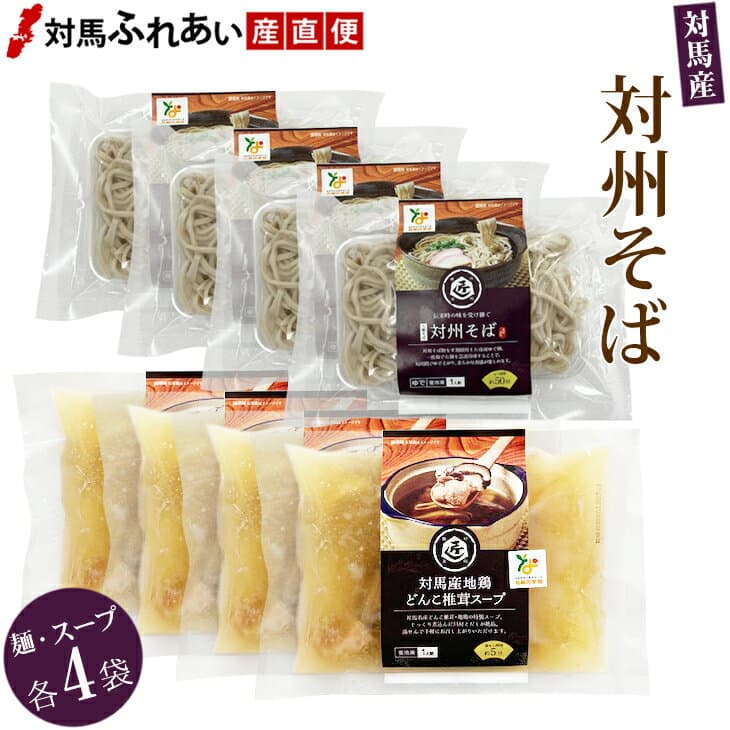
Taishu sobaRegional foods
Taishu soba begins with native buckwheat grown in Tsushima City, then moves through island hulling, milling, firm noodles, and bowls of mori, kake, and iriyaki soba.
Goto hand-stretched udonRegional foods
In Shinkamigoto, Nagasaki, Goto Tenobe Udon takes shape through wheat dough, salt water, camellia oil, sea salt, and ago flying-fish broth, staying close to island meals and graduation farewells.
Goto udonRegional foods
In Nagasaki’s Goto Islands, Goto udon begins with a place boundary and a hand-stretched method. Arikawago in Shinkamigoto gives the maker community a fixed address, while camellia oil, Goto-nada sea salt, and ago bring the bowl back to island materials.
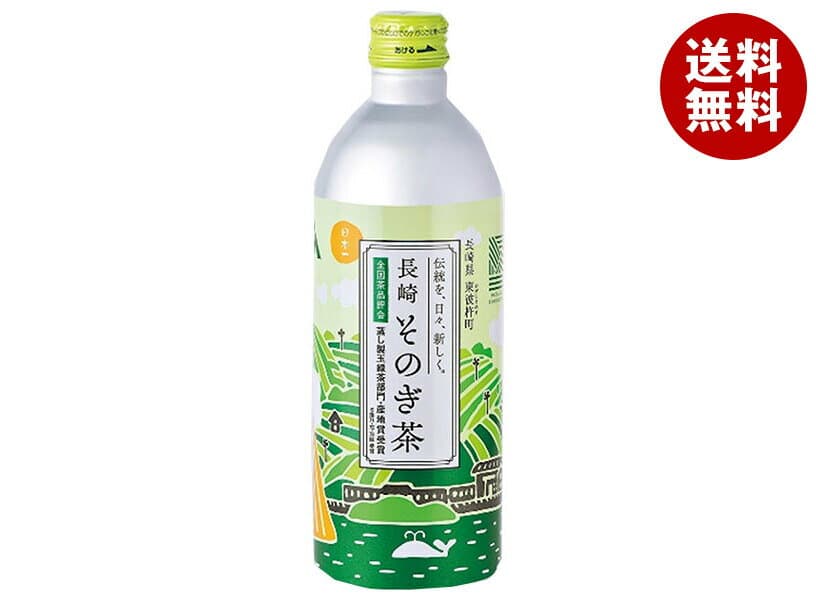
Sonogi teaTea & drinks
In central Nagasaki, Higashisonogi’s tea gardens spread across plateaus above Omura Bay; their steamed tamaryokucha is marked by curled leaves, smooth texture, gentle bitterness, and full aroma.
Hasami wareTableware
In Hasami Town, Nagasaki Prefecture, Hasami ware centers on daily tableware: white porcelain, blue-and-white, celadon, kurawanka bowls, and kompura bottles connect early kiln sites with meals, containers, and current kilns.
Mikawachi wareTableware
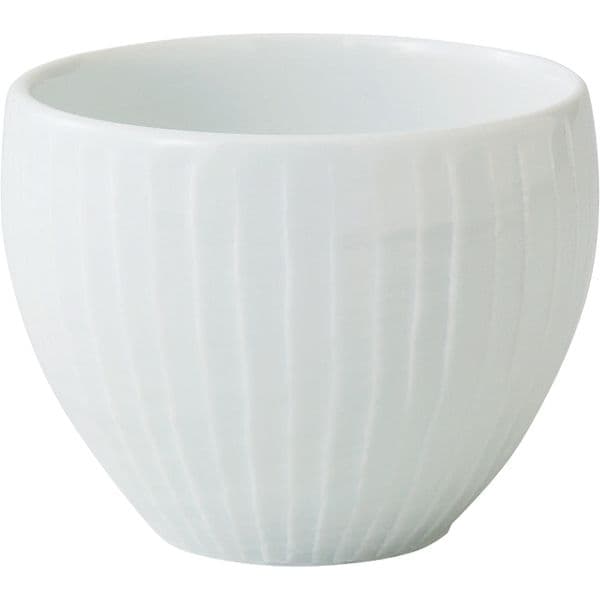
Rooted in Sasebo, Nagasaki, Mikawachi ware brings white porcelain, blue-and-white painting, relief, eggshell-thin forms, openwork, and detailed modeling into tableware, artist works, training rooms, and museum displays.
Iki beefRegional foods
On Iki Island in Nagasaki Prefecture, Iki beef begins with cattle born and raised on the island. Salt wind, mineral-rich pasture, Isshikoku feed, meat-quality grades, and annual shipments of about 900 head give this wagyu its island boundary.
Regional Gifts
Packable foods and gifts with clear regional character.

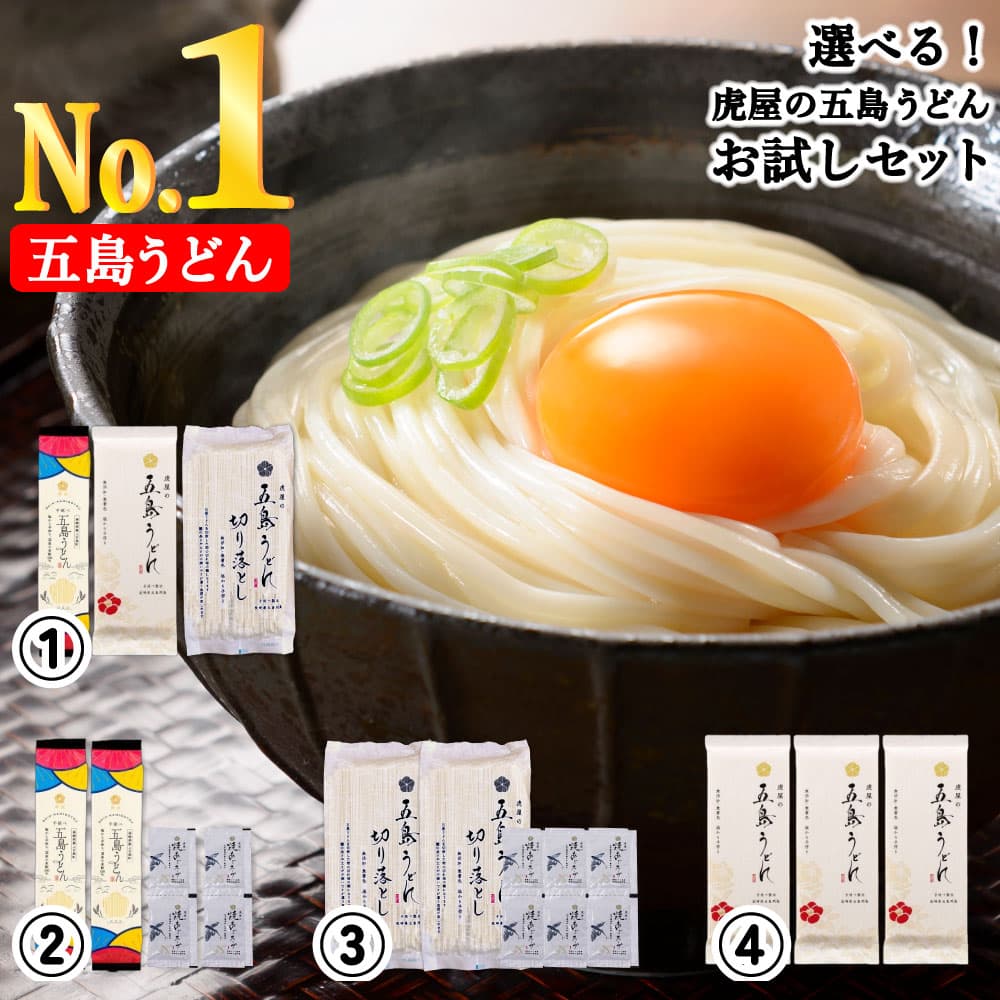


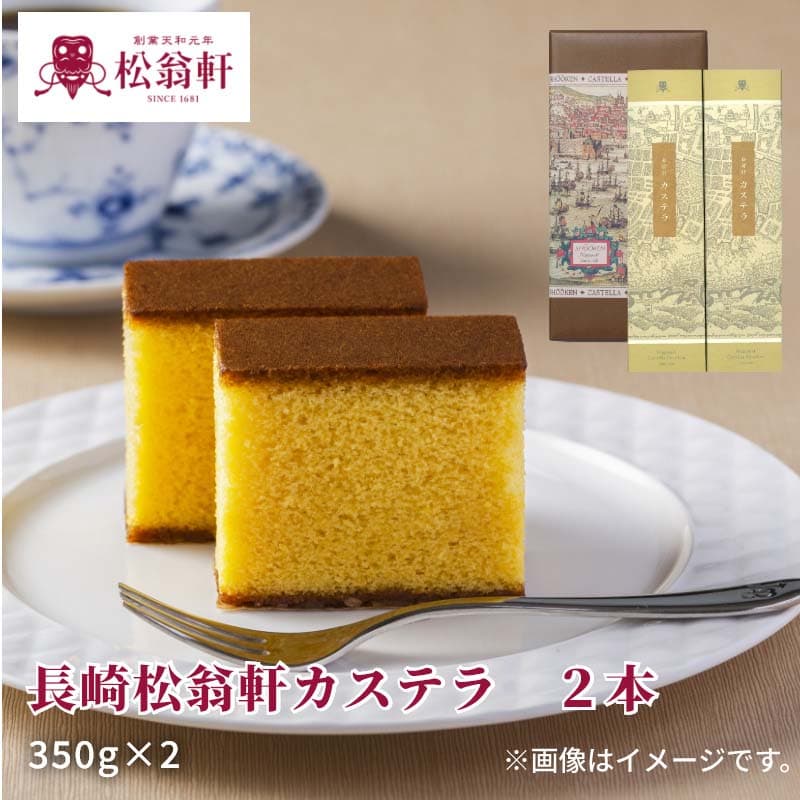
Table & Tea
Tea, drinks, foods, and table pieces shaped by local taste.

Sake & Spirits
Local sake, shochu, regional wine and craft spirits shaped by each prefecture. For ages 20+.

Nagasaki's specialties by category
How the same thing is made elsewhere, and what differs: the category overviews start here.
Type first: somen and hand-stretched udon are pulled, soba is about the flour, ramen and Okinawa soba use kansui.
Breed first, brand second: Japanese Black is marbled, akaushi is lean, a brand name is a set of conditions, not a breed.
Kind before region: fresh fish is about handling, crab and oysters about season, nori and dried goods about processing.
Pick the type before the region: sencha is brisk, gyokuro is sweet and thick, matcha is ground tencha, hojicha is roasted and not bitter.
Earthenware or porcelain first, then the surface: unglazed like Bizen, glazed like Hagi, or painted like Kutani.
FAQ
What is Nagasaki known for?
Nagasaki (Kyushu) is represented here by specialties such as Iki shochu, Taishu soba, Goto hand-stretched udon — each verified against official registries and matched to Rakuten listings.
Are Nagasaki souvenirs good to bring home?
Many Nagasaki picks — Iki shochu, Taishu soba, Goto hand-stretched udon among them — are shelf-stable foods and crafts that travel well; for temperature- or fragility-sensitive items, confirm delivery and packaging on the Rakuten listing.
Are these products sold directly by this site?
No. This site curates Rakuten listings and may earn affiliate revenue from links to Rakuten.
How are products selected?
Listings are filtered for local relevance, product images, availability, and review strength.