 3 images
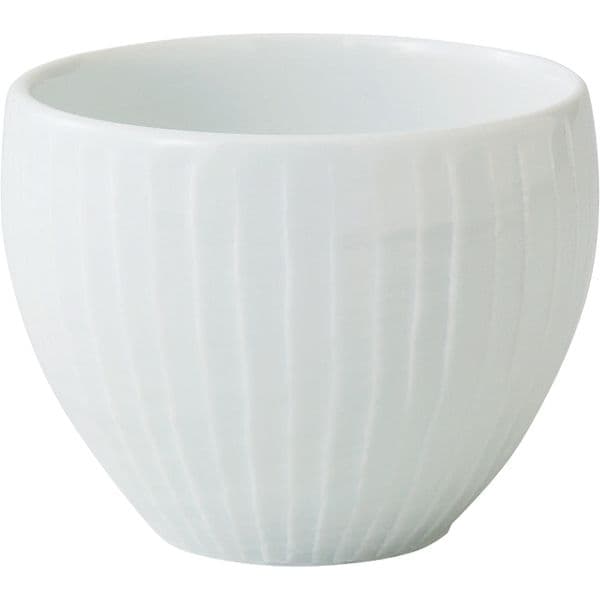
Saikai Toki Isshingama White Porcelain Sōrin-bori Dessert Cup, Hasami Ware
(LINEクーポン有)西海陶器 44167 白磁 デザートカップ 草林彫 白磁草林彫 波佐見焼 長崎県産のはさみ焼一真窯作 波佐見焼DRINK ITEM白磁
Sōrin-bori white porcelain測定器・工具のイーデンキ
5.0 / 1 reviews
Japanese name波佐見焼
In Hasami Town, Nagasaki Prefecture, Hasami ware centers on daily tableware: white porcelain, blue-and-white, celadon, kurawanka bowls, and kompura bottles connect early kiln sites with meals, containers, and current kilns.
Information last updated 14 days ago
3 images(LINEクーポン有)西海陶器 44167 白磁 デザートカップ 草林彫 白磁草林彫 波佐見焼 長崎県産のはさみ焼一真窯作 波佐見焼DRINK ITEM白磁
Sōrin-bori white porcelain測定器・工具のイーデンキ
5.0 / 1 reviews
 3 images
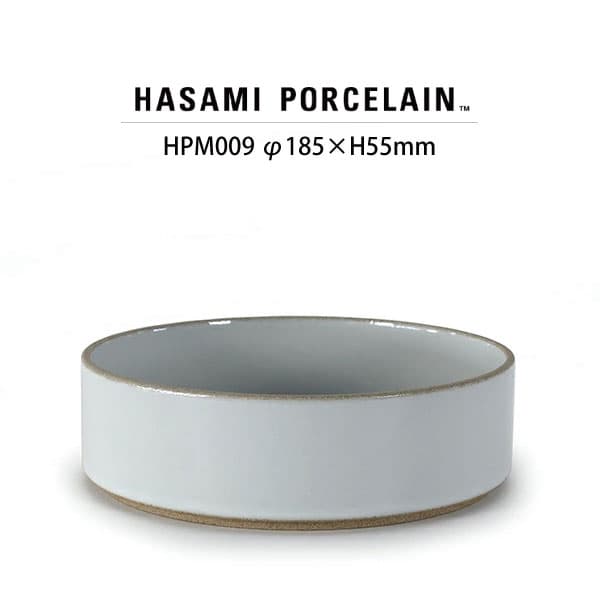
【限定クーポン配布中】【波佐見焼 半磁器】ハサミポーセリン ボウル HPM009(SIZE:φ18.5cm クリア/グロスグレー)【食器 HASAMIPORCELAIN Bowl clear 洋食器 ギフト 長崎県 】
18.5 cm, clear/gloss grayesprit lifestyle store
5.0 / 1 reviews
 3 images
natural69 【 波佐見焼 】 cocomarine 正角皿M / ナチュラル69 はさみ焼き 食器 ココマリン しょうかくざら 角皿 電子レンジ 食洗機対応 日本製 おしゃれ かわいい 北欧 和食器 陶磁器 プレゼント ギフト 新築祝 結婚祝 内祝 ナチュラルロック
Medium, 17 cmnatural69
5.0 / 99 reviews
 3 images
natural69 【 波佐見焼 】 swatch 長角皿 / ナチュラル69 はさみ焼き 食器 スウォッチ ちょうかくざら 角皿 電子レンジ 食洗機対応 日本製 おしゃれ かわいい 北欧 和食器 陶磁器 プレゼント ギフト 新築祝 結婚祝 内祝 ナチュラルロック
14 x 23.5 x 2 cmnatural69
4.8 / 819 reviews
First time buying on Rakuten? How residents in Japan order →
All 4 listings of this product on Rakuten, lowest price first.
| Listing | Price | Shop | Reviews | Open listing |
|---|---|---|---|---|
natural69 Hasami Ware swatch Rectangular Plate 14 x 23.5 x 2 cmLowest priceMost reviewedGift-ready | ¥1,540 | natural69 | 4.8 / 819 reviews | View on Rakuten → |
natural69 Hasami Ware cocomarine Square Plate Medium, 17 cmGift-ready | ¥1,760 | natural69 | 5.0 / 99 reviews | View on Rakuten → |
Saikai Toki Isshingama White Porcelain Sōrin-bori Dessert Cup, Hasami Ware Sōrin-bori white porcelain | ¥1,980 | 測定器・工具のイーデンキ | 5.0 / 1 reviews | View on Rakuten → |
HASAMI PORCELAIN Hasami Ware Bowl HPM009 18.5 cm, clear/gloss grayGift-ready | ¥3,850 | esprit lifestyle store | 5.0 / 1 reviews | View on Rakuten → |
Japanese · new tab
Hasami ware is tied to Hasami Town in Higashisonogi District, Nagasaki Prefecture. Near the Saga border, the town’s kilns, trading firms, and ceramics manufacturing cooperative have kept ceramic and porcelain tableware close to daily use. A concrete path into the ware runs through Isekigo cooperative addresses, the Shimo-Hiekoba and Hatanohara kiln sites, kurawanka bowls for domestic meals, and kompura bottles that once carried sake and soy sauce overseas.
The Nagasaki ceramics wholesale cooperative describes Hasami Town as the home of Hasami ware and places the town near the Saga prefectural border. The Hasami ceramics manufacturing cooperative is based in Isekigo, Higashisonogi District, and the Ceramics Hall also stands in Hasami Town. These place names keep the ware grounded: Hasami ware is a local ceramics production area shaped by kilns, trading firms, cooperative makers, and vessels intended for ordinary tables.
Pottery-making in Hasami is described as beginning around 1580. The Shimo-Hiekoba kiln site is placed around 1590 to 1610, and the Hatanohara kiln site was built by the Omura family in 1599 with a connection to Korean potters of the Joseon period. Around 1610, Korean potters and their techniques helped bring porcelain such as white porcelain, blue-and-white, and celadon into Hasami. Around 1630, porcelain production became full-scale, and celadon was among the wares sent overseas.
Kurawanka bowls give Hasami ware one of its clearest daily-use shapes. The Ceramics Hall presents the Kurawanka Fujita Collection, tying that bowl form to domestic tableware rather than to display alone. Kompura bottles point in another direction: they were containers for sake and soy sauce made for overseas export and produced in large quantities in Hasami. Together, the bowl and the bottle show a production area attentive to rice bowls, hands, liquids, storage, and travel.
Hasami’s present structure is also organized through people and groups. The manufacturing cooperative has 53 members, while the Nagasaki ceramics wholesale cooperative is made up of trading firms that want to advance Hasami ware through local kilns. The same area is described as handling long-used designs as well as newer ideas and designs. A 19-member youth section works on successor training, manufacturing skill, market visits, and original product development, giving the daily vessel a visible community behind it.
The Ceramics Hall stands in a corner of Yakimono Park and presents a 400-year arc of Hasami ware, the Kurawanka Fujita Collection, and contemporary objects. Groups can arrange painting and wheel experiences in advance, putting hands near the motions that precede a finished vessel. The youth section has also worked on lighting ceramics and an original curry plate, concrete examples of how tableware skills can move into new light sources, plate shapes, and dining scenes.
Hasami ware becomes clearest when its dates and objects stay together: pottery around 1580, porcelain such as white porcelain and blue-and-white around 1610, full-scale porcelain production around 1630, kurawanka bowls, kompura bottles, 53 cooperative members, and a 19-member youth section. Its steady center is the daily table of Hasami Town in Nagasaki.
Compiled from public records and official sources; see the recognition links below. Details may change over time.
Where this product is officially registered, designated, or recognized in Japan.
It is written as 波佐見焼 in Japanese. Search Rakuten and other Japanese sites with that spelling — the English name will not bring up the listings.
Hasami ware is ceramic and porcelain tableware from Hasami Town in Higashisonogi District, Nagasaki Prefecture. Pottery-making there is said to have begun around 1580, and around 1610 Korean potters and techniques helped introduce white porcelain, blue-and-white ware, and celadon. Around 1630, porcelain production in Hasami became full-scale.
Hasami ware is centered on ceramic and porcelain tableware for daily use. Kurawanka bowls were domestic daily tableware in the Hasami context. Kompura bottles were containers for sake and soy sauce made for overseas export. The Hasami ceramics manufacturing cooperative has 53 members, and its youth section has 19 members.
Hasami ware's daily tableware continues to be made for everyday meals, in line with the area's role as a production center for vessels used in daily life. The ceramics facility offers viewing, learning, buying, and touching, plus paid painting or wheel-throwing experiences arranged in advance for groups.
Porous earthenware is usually given a "medome" treatment first — simmer it gently in rice-rinsing water (or water with a little flour), then cool, rinse, and air-dry. This reduces staining and odour absorption. Porcelain normally just needs a wash. Follow the listing where it says otherwise.
Handmade earthenware, pieces with gold or silver overglaze, and lacquerware generally should not go in a dishwasher, microwave, or heated drying cabinet; heat-resistant porcelain usually can. Check the Rakuten listing for the specific piece.
Most options are shelf-stable, boxed, and travel well, so they suit gifting or bringing home. Confirm the final storage and delivery terms on the Rakuten listing.
On Rakuten: the shops listed here right now are 測定器・工具のイーデンキ, esprit lifestyle store, natural69. We don't sell directly; purchase, payment, stock, and delivery are all handled on the Rakuten product page.