Japanese Tea by Region: Sencha, Gyokuro, Matcha, Hojicha and Where Each Comes From
Pick the type before the region: sencha is brisk, gyokuro is sweet and thick, matcha is ground tencha, hojicha is roasted and not bitter.
Sort out the type first, then the region
Almost all Japanese tea comes from the same plant. It tastes so different because of how it is grown and processed, so the type is what to learn first — the region only means something afterwards.
Sencha is the everyday tea: grown in full sun, steamed, then rolled. Brisk, with some astringency. Gyokuro is shaded for twenty days or more before picking, which leaves far more sweetness and umami in the leaf; the liquor is thick and sweet. Tencha is shaded the same way but never rolled, only dried — ground on a stone mill, it becomes matcha. Hojicha is sencha or bancha roasted over high heat until the astringency is gone and only the roast remains. Kukicha uses stems rather than leaves. Bancha is made from mature or later-picked leaves: light, easy to drink.
One more shape worth knowing is tamaryokucha, curled rather than needle-shaped, made either steamed or pan-fired, and particularly common in western Kyushu.
Shizuoka and Uji: the two main lines
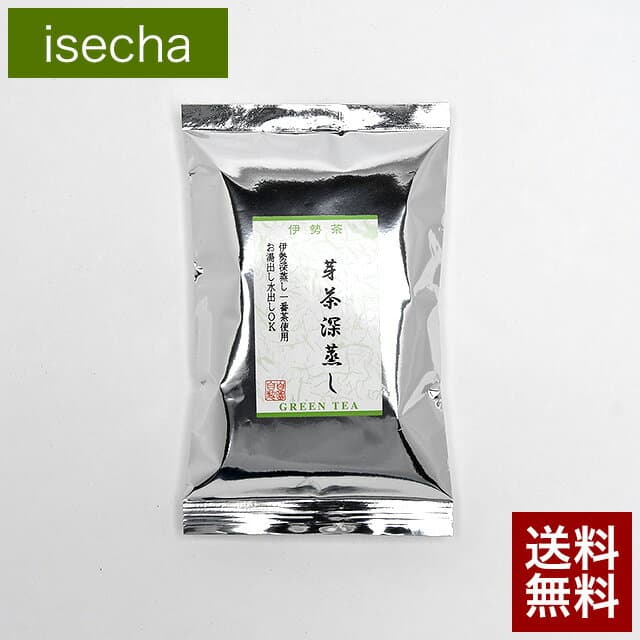
Shizuoka is Japan's largest tea region, and the whole chain — gardens, fresh leaf, processing factories, tea merchants — is visible inside the prefecture. Its signature is deep-steaming: a longer steam breaks the leaf finer, giving a dark green liquor with less astringency. Kakegawa, Kikugawa, Kawane and Higashiyama all sit on that line, and Kawane's short daylight hours and day-night temperature swing along the upper Oi River give it a clear colour and a pronounced savoury note.
Uji matters for its processing history and cultivation method rather than its volume. The hand-rolling method Nagatani Soen devised in Ujitawara in 1738 is where today's sencha begins, and shading lets Uji produce sencha, gyokuro, tencha and matcha all from the same district. If you want to understand the whole classification at once, Uji is the most complete set.
If you want sweetness: the shaded teas
Shading the garden before picking keeps sweetness and umami in the leaf while astringency falls back. That is the shared principle behind gyokuro and matcha; what differs is how long the shade stays on and what it is made of.
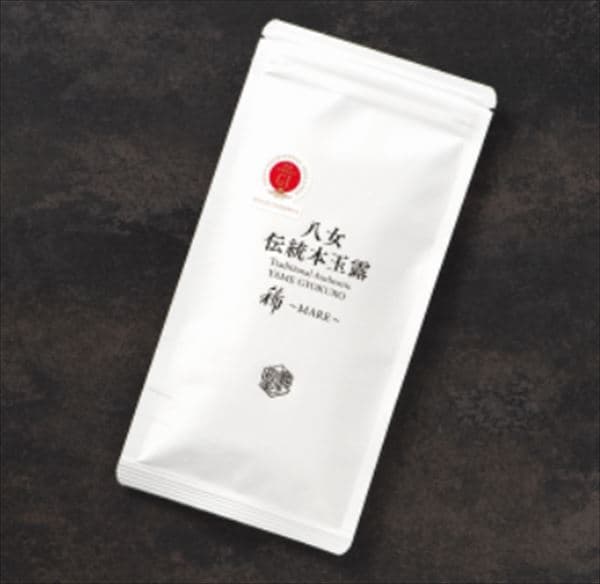
Yame's traditional gyokuro in Fukuoka uses straw covers, naturally grown bushes and hand-picked buds, with the morning fog of the Yabe River valley behind it — the richest of the sweet styles. Uji gyokuro works from the Kyoto basin's temperature swing and its own shading tradition, and carries a seaweed-like note the Japanese call oikaori. Kirishima's kabusecha in Kagoshima is shaded for a fortnight or more at altitude below Mount Karakuni, giving clear sweetness but lighter than gyokuro. Chiran tea in southern Kyushu combines pre-harvest shading with deep-steaming over volcanic-ash soil, for a dark green cup with little bitterness.
The easy-drinking end
If you dislike the astringency of green tea, the problem is usually the type rather than the brewing. Roasted teas and fermented teas start out with far less bitterness.
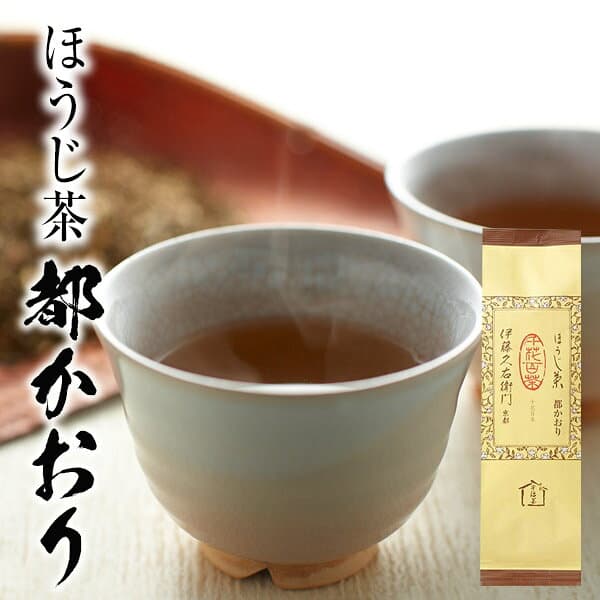
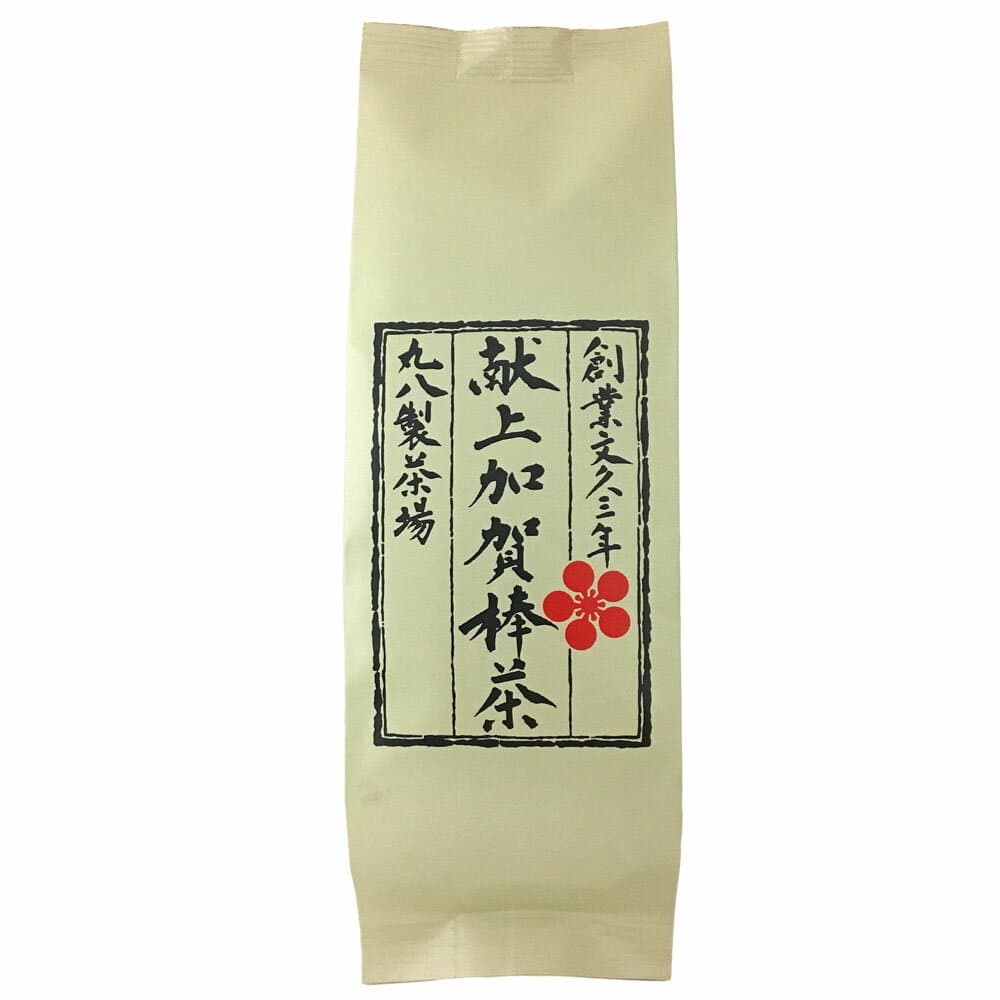
Kaga bocha in Ishikawa roasts stems rather than leaves, a Kanazawa tea-merchant practice that has spread to many small roasters across the prefecture, in both light and dark roasts. It works in a kyusu, cold-brewed, or with milk, and is the easiest entry point of all. Uji hojicha takes sencha and bancha over high heat instead: clear roast aroma, almost no astringency.
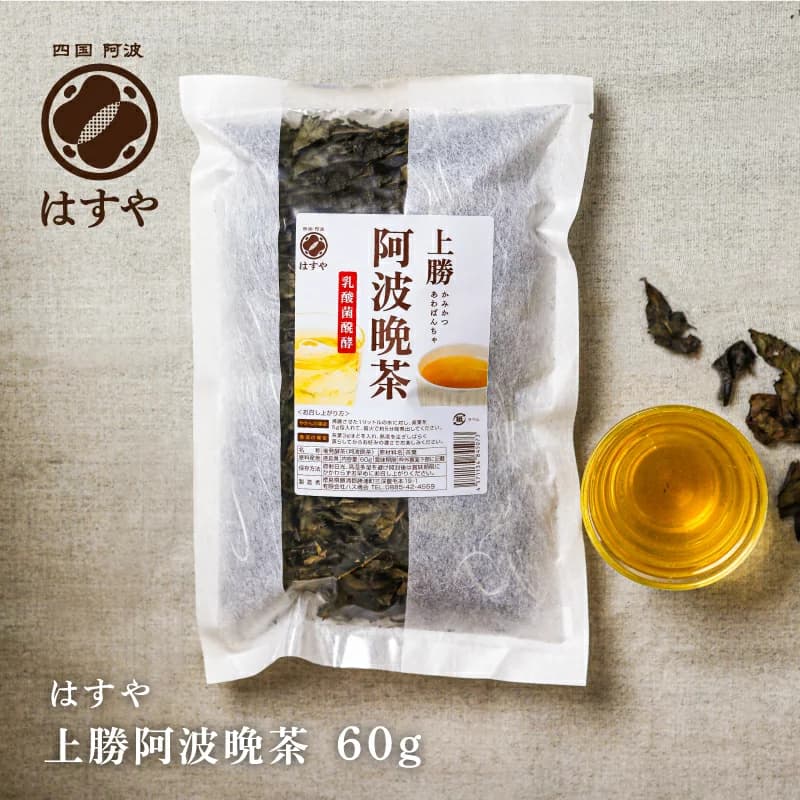
Two more are worth knowing. Mandokoro tea, from a steep valley of the Suzuka mountains in Shiga, uses native-variety bushes, the shigoki picking method and wooden-tub hiraban processing, giving a fragrant cup with a faint bitterness and a touch of sweetness. Rarer still is Kamikatsu awa bancha from Tokushima, where the boiled leaf is steeped in lactic fermentation for about a month and then sun-dried — a golden, refreshing liquor unlike any ordinary green tea.
Choosing matcha, and what to check before you buy
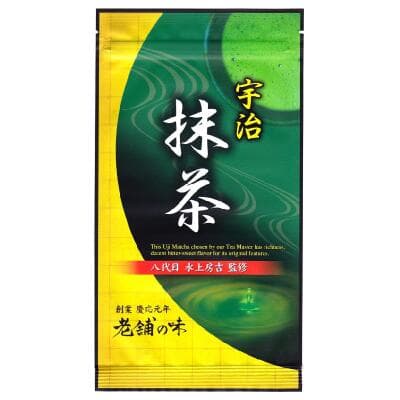
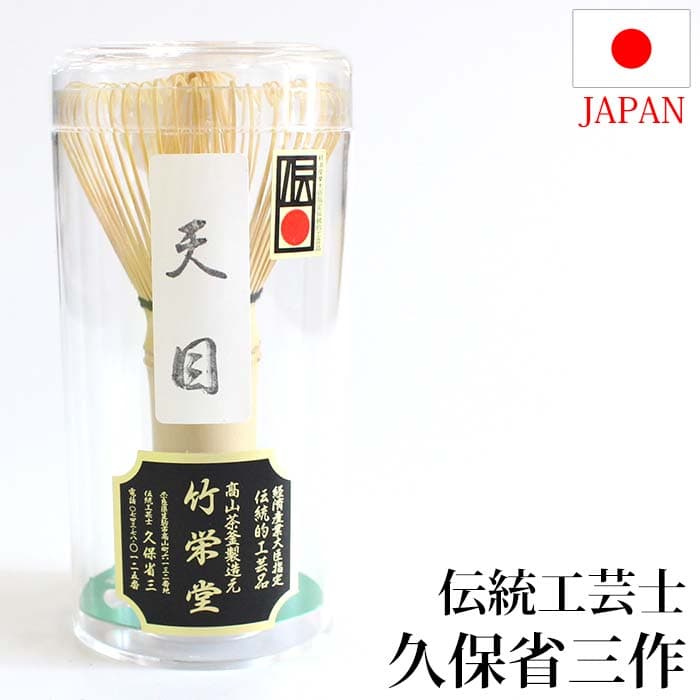
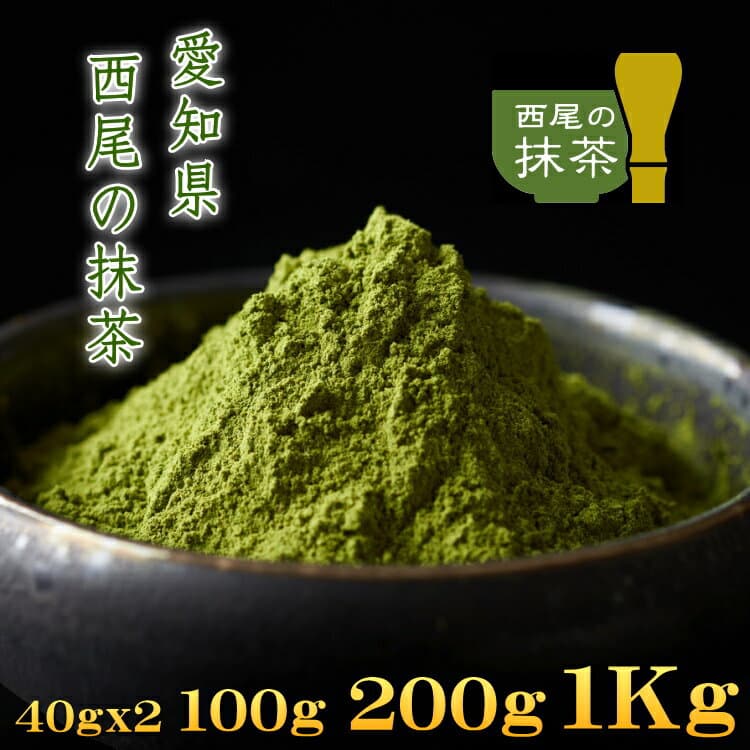
Matcha starts as tencha: shaded, never rolled, dried, then ground on a stone mill. Uji, Nishio in Aichi, Yame in Fukuoka and Kakegawa in Shizuoka each produce their own. Around Nishio the tencha is refined and stone-ground locally, with the red soil of Inariyama and the humidity off the river as the local conditions. If you intend to whisk it, the tools count too: Takayama chasen from Ikoma in Nara are cut from winter-felled bamboo, split and tied by hand, and the specification differs between thick and thin tea.
Four things are worth checking before ordering. The harvest year, and whether it is first-flush — new tea smells noticeably different. The price converted to 100 g, since pack sizes vary enough that the shelf price misleads. The best-before date, because neither matcha nor gyokuro keeps well. And storage: opened matcha suffers from damp and light, so a small tin usually beats a large one.

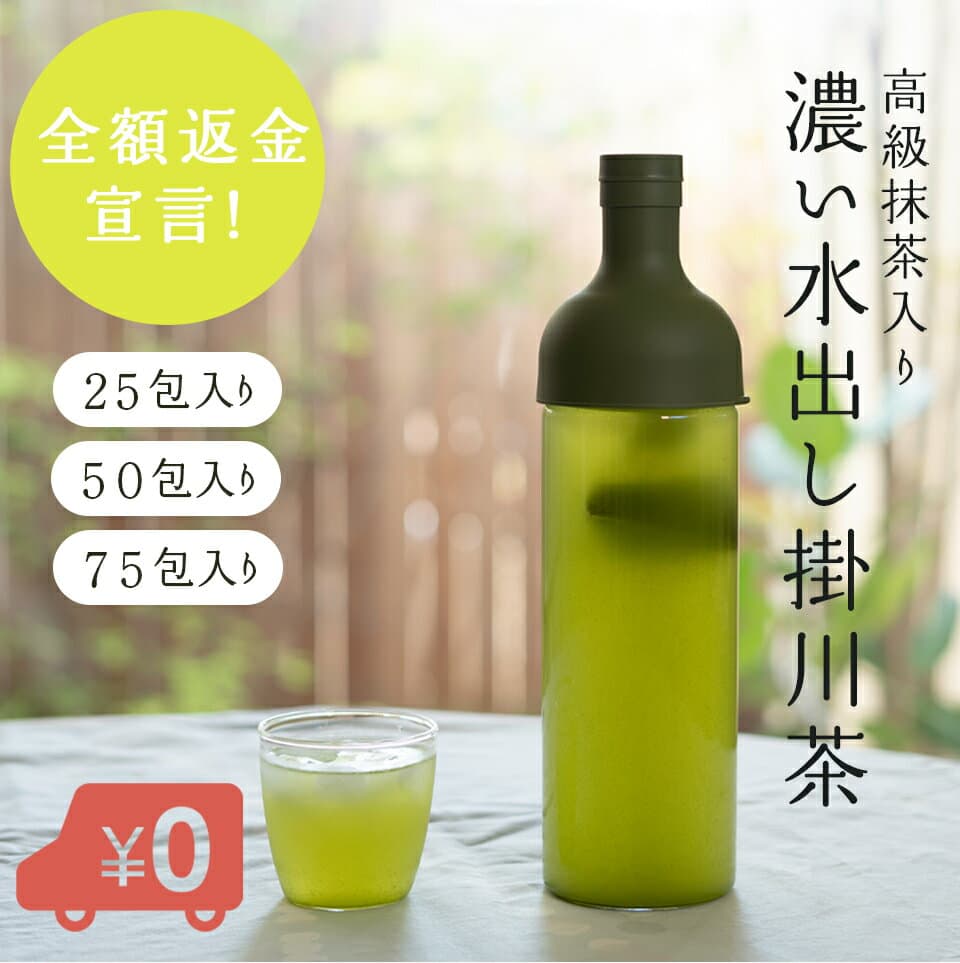
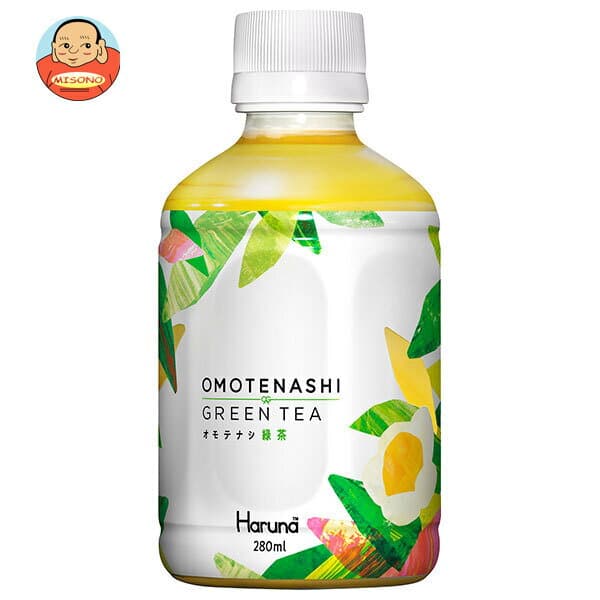
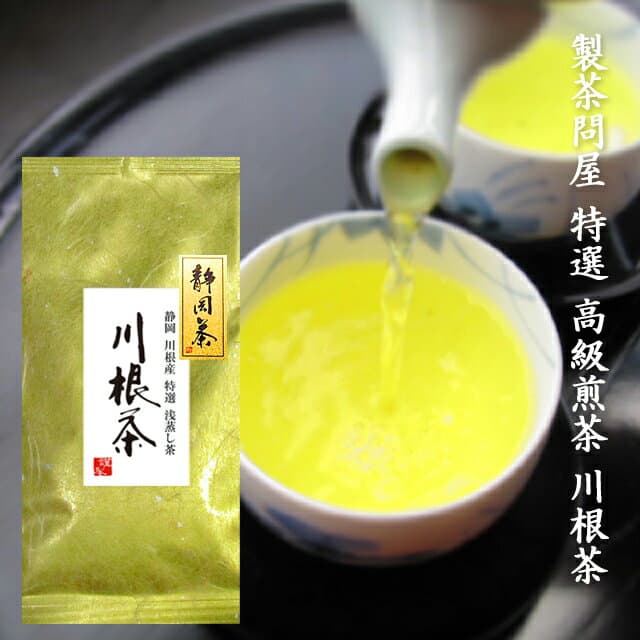

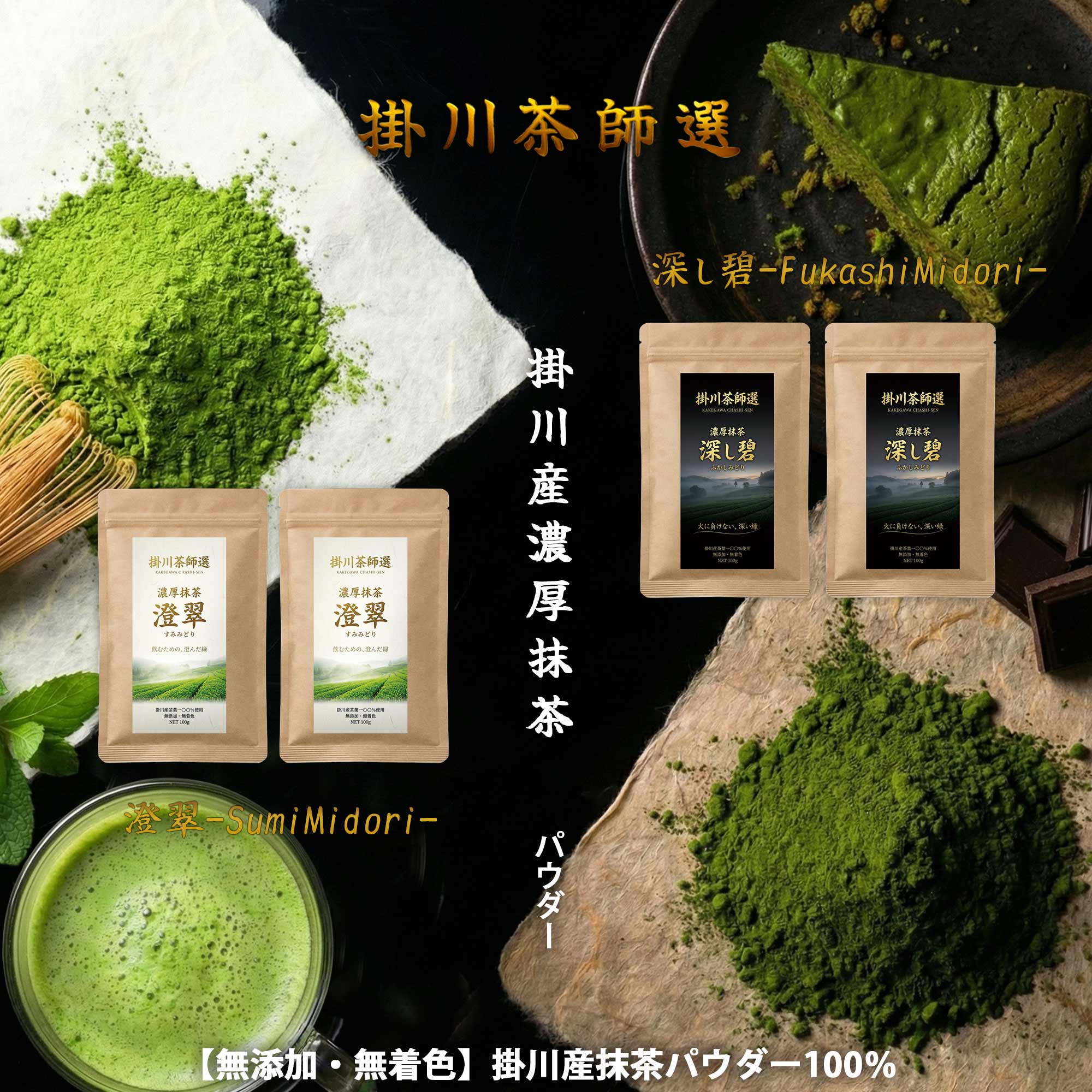

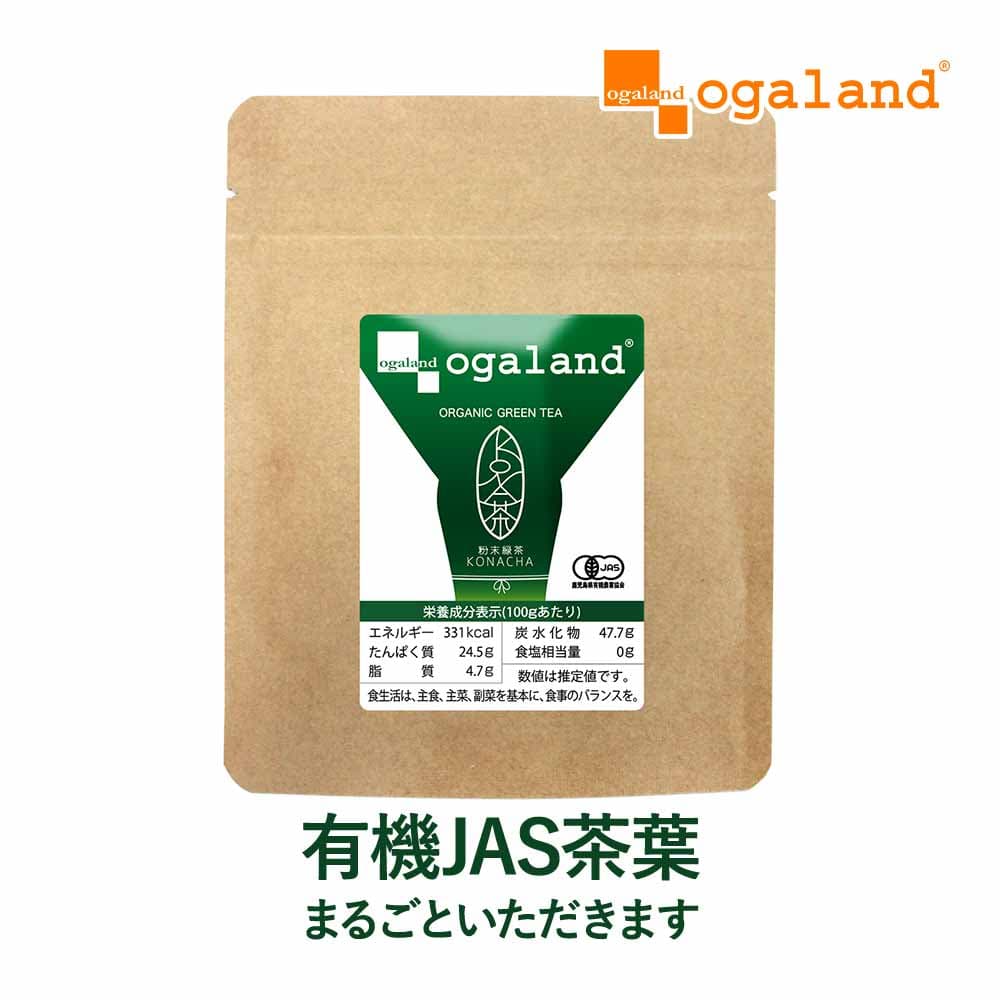
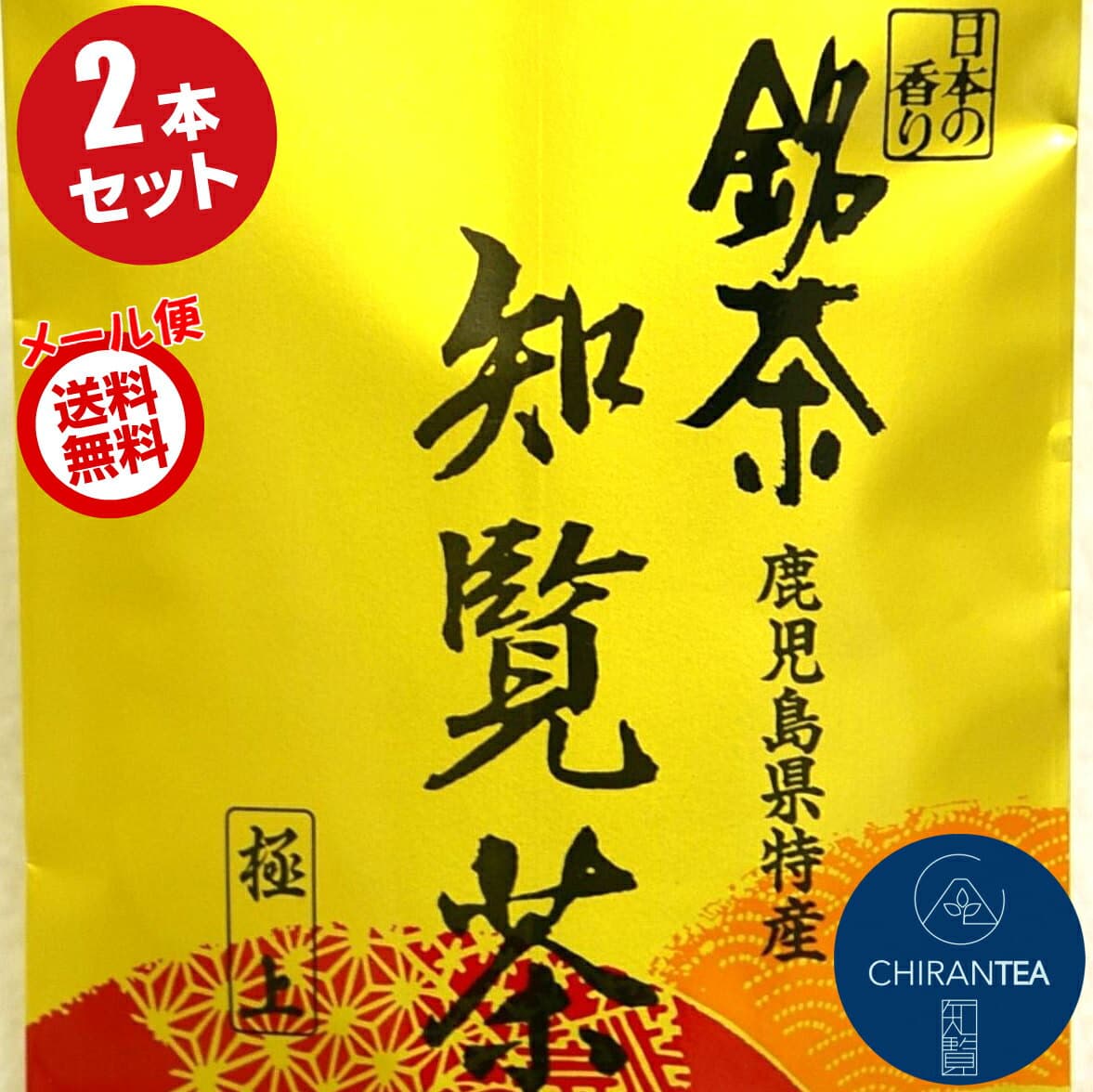
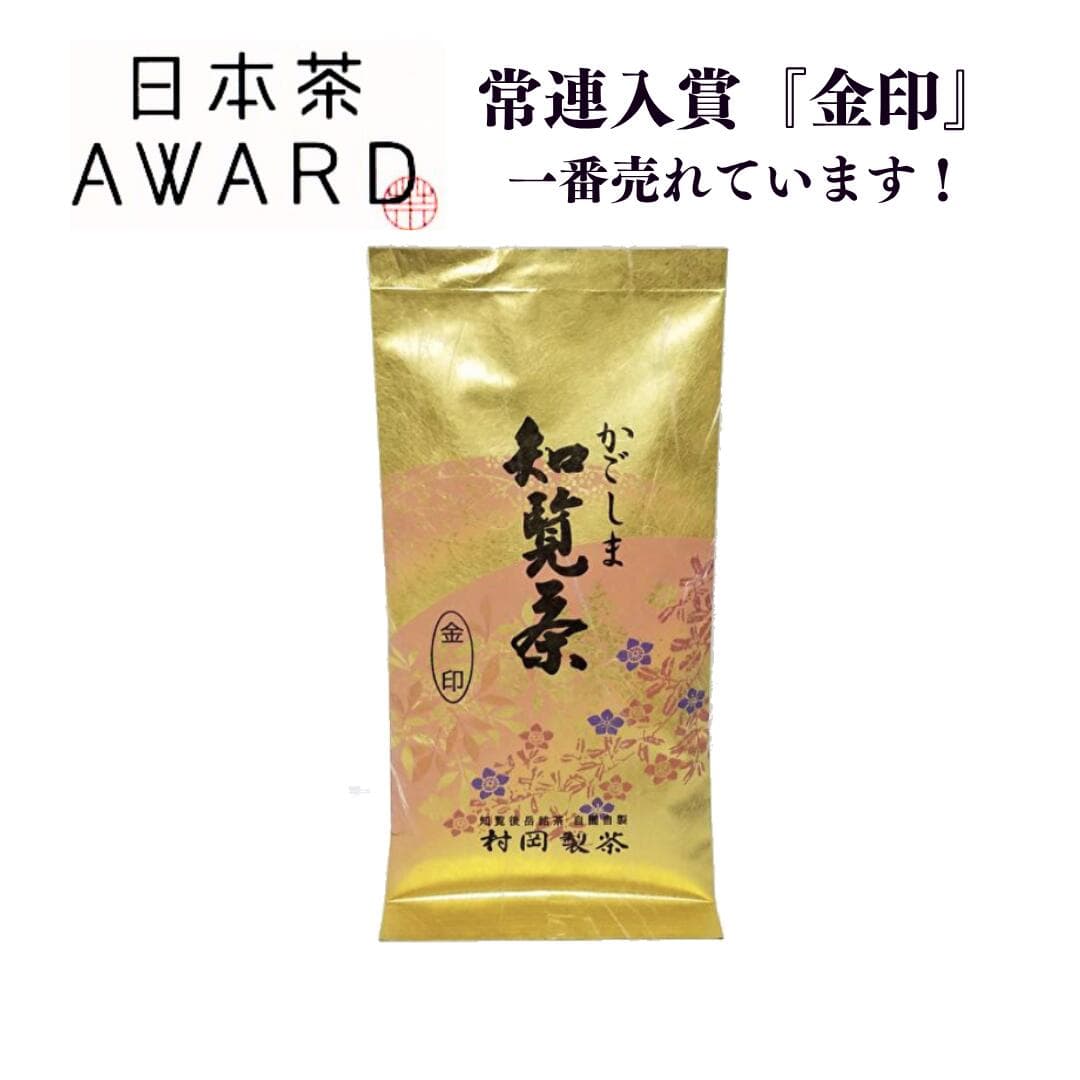
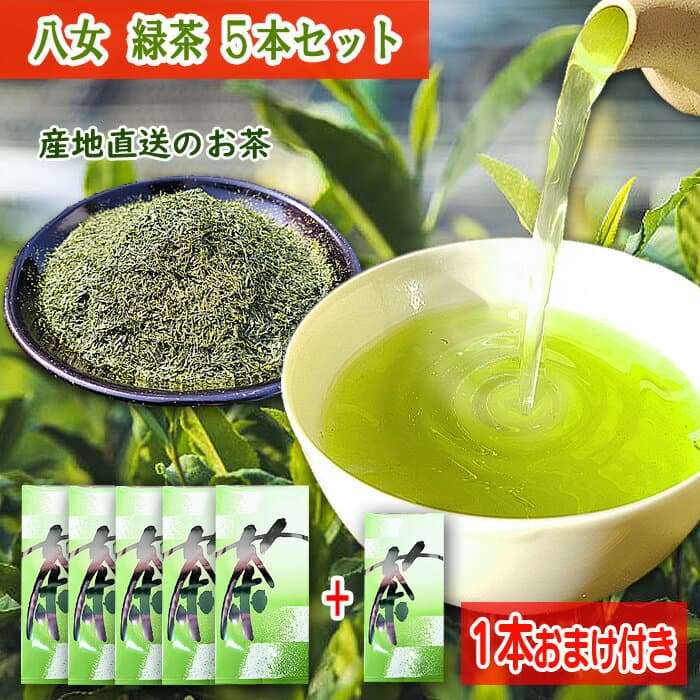

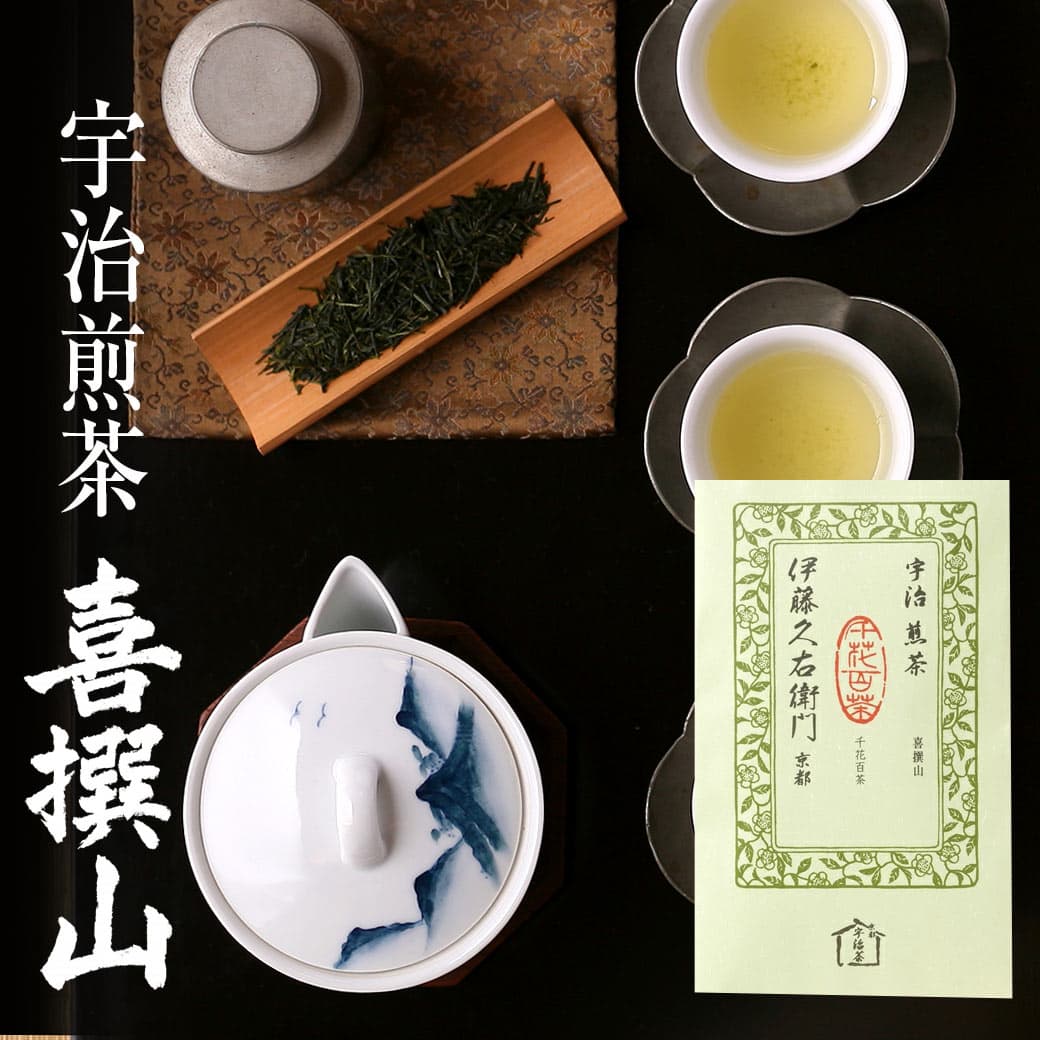
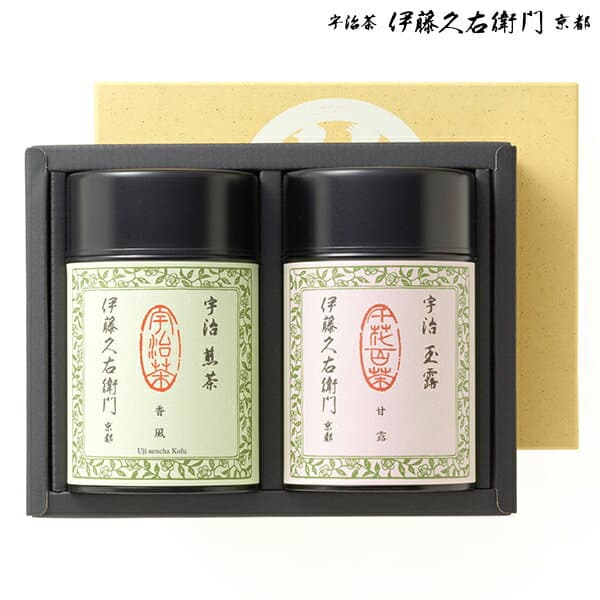
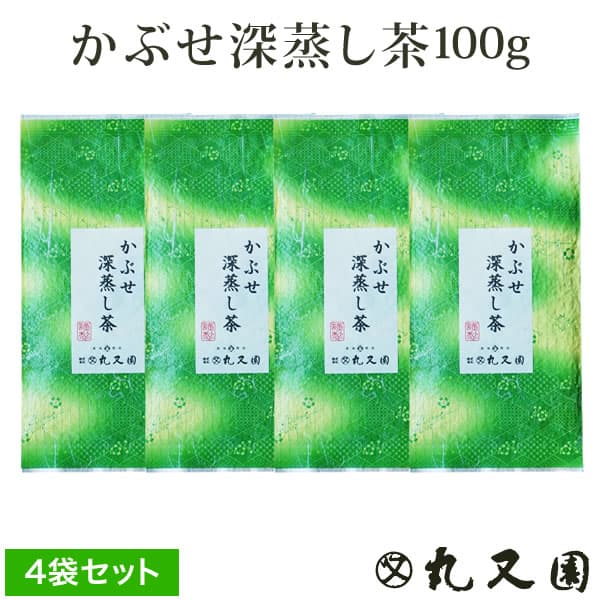
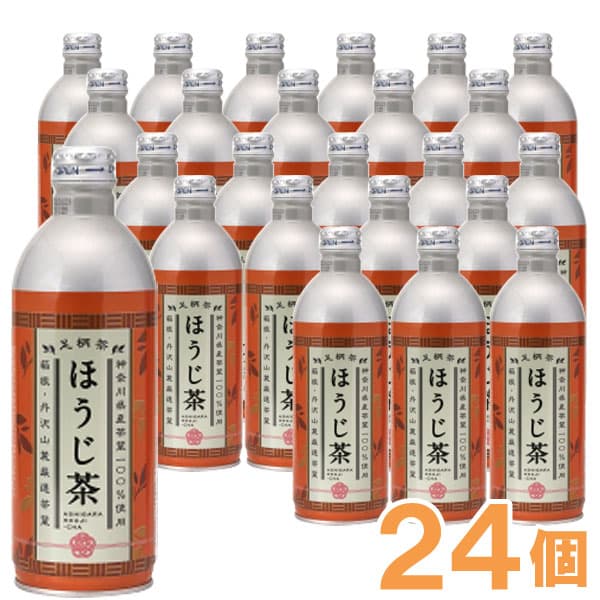
Selected automatically by category and price. Confirm individual wrapping, piece count, and best-before dates on the Rakuten listing.
Continue to prefectures
Shizuoka
Shizuoka is a useful starting point for distinctive local specialties.
Kyoto
Kyoto is a useful starting point for distinctive local specialties.
Fukuoka
Fukuoka is a useful starting point for distinctive local specialties.
Kagoshima
Kagoshima is a useful starting point for distinctive local specialties.
Saga
Saga is a useful starting point for distinctive local specialties.
Ishikawa
Ishikawa is a useful starting point for distinctive local specialties.
Related buying guides
FAQ
What is the difference between matcha and sencha?
Sencha is sun-grown leaf, steamed and rolled, brewed in hot water and then strained out. Matcha is made from tencha — shaded and never rolled — ground to a powder you drink whole, which concentrates the sweetness and umami and makes the colour far greener.
Why is gyokuro more expensive?
Gyokuro is shaded for twenty days or more before picking. Yields drop under the shade, the processing takes more steps, and the better grades are hand-picked. Yame's traditional gyokuro uses straw covers, naturally grown bushes and hand-picked buds, and that cost shows up in the price.
Which should I buy if I dislike bitterness?
Choose something roasted or fermented. Kaga bocha roasts tea stems and Uji hojicha roasts leaf over high heat; neither is astringent. For something lighter still, look at bancha — Kamikatsu awa bancha from Tokushima is lactic-fermented, golden in the cup and very easy to drink.
What does deep-steamed mean?
A longer steam at the start of processing breaks the leaf finer, which gives a darker green liquor, lower astringency and a rounder mouthfeel. It is the mainstream method in Shizuoka, clearest around Kakegawa and Kikugawa, and Chiran tea in Kagoshima uses it too.