 3 images
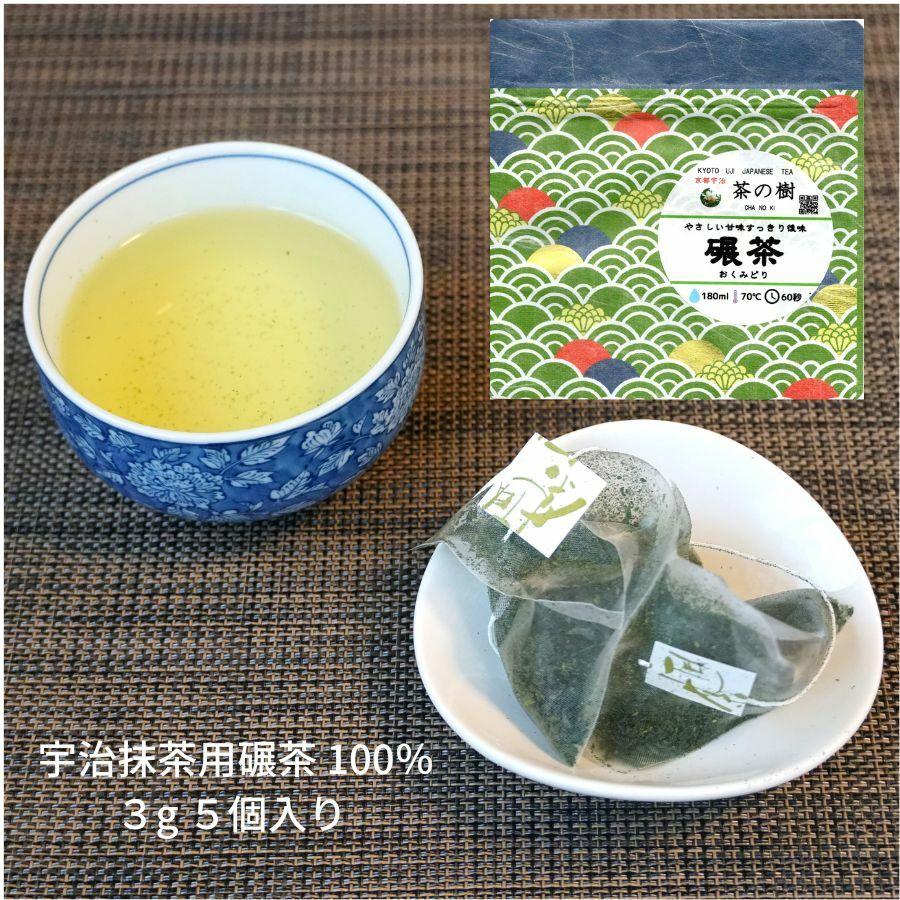
Uji Tencha Tea Bags (Okumidori)
やさしい甘味すっきり後味 碾茶 -抹茶原料のお茶- ティーバッグ 3g 5個入り| 京都 宇治産 有名 抹茶 ギフト おしゃれ 贈答品 おすすめ 宇治 高級 人気 かわいい 美味しい おいしい 海外 お土産 プレゼント ひも付き 甘味
5 × 3g bagsGift-ready
【宇治茶 専門店】京都宇治 茶の樹
Japanese name宇治碾茶
In Uji, Kyoto Prefecture, tencha becomes visible through Chazuna, tea workers, Fukubun Seichajo’s brick-built dryer, radiant heat, and the aroma carried toward matcha.
Information last updated 12 days ago
Ordering from abroad works when the recipient has a Japanese address.
All 2 listings below are sold as gifts in the shop's own wording (ギフト, のし対応 …), marked “Gift-ready”.
3 imagesやさしい甘味すっきり後味 碾茶 -抹茶原料のお茶- ティーバッグ 3g 5個入り| 京都 宇治産 有名 抹茶 ギフト おしゃれ 贈答品 おすすめ 宇治 高級 人気 かわいい 美味しい おいしい 海外 お土産 プレゼント ひも付き 甘味
【宇治茶 専門店】京都宇治 茶の樹
 3 images
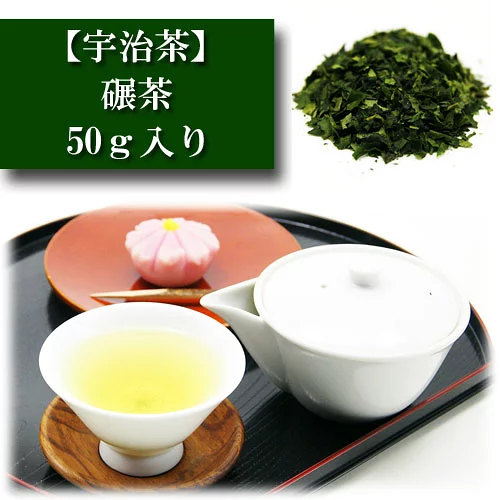
碾茶 宇治産 50g入り お茶 日本茶 緑茶 覆下園栽培茶 抹茶の原材料 お茶の葉 茶匠 みのる園 ギフト プレゼント Green Tea お茶の種類 お食事用 おやつ用 来客用 春のお茶 夏のお茶 秋のお茶 冬のお茶 京都 入れ方 淹れ方 水出し 冷茶
抹茶やお茶と茶道具の茶匠みのる園
5.0 / 1 reviews
First time buying on Rakuten? How residents in Japan order →
Each region's published sources stress something different. In brief:
Fukuoka
Fukuoka Prefecture promotes Yame matcha as part of its “Fukuoka no Yamecha” tea brand. Yame tea is grown mainly in the Yabe River basin, where wide day–night temperature swings make mist common; the Tea Culture Museum in Hoshino village offers matcha grinding.Kyoto
One of the teas grouped as Kyoto's Uji tea (Ujicha). Kyoto Prefecture's tea research institute is in Uji, and the tea industry council's Takumi no Yakata offers brewing and matcha-art sessions.Aichi
“Nishio no Matcha” is a registered regional collective trademark: matcha from leaf grown in Nishio and Anjo, made into tencha, refined and stone-milled in the same area.Shizuoka
Kakegawa's tea merchants' cooperative promotes Kakegawa tea and its own deep-steamed brand of it; its website does not describe how Kakegawa matcha itself is made.KyotoThis page
The leaf matcha is ground from. Under the Japan Tea Central Association's labelling standard, tencha is leaf shaded for two to three weeks before picking, then steamed and dried without rolling; milled to a fine powder, it becomes matcha. “Uji tencha” is a registered regional collective trademark.SourcesFukuoka Prefecture, Graph Fukuoka (autumn 2023)Fukuoka Prefecture, Yame matcha fair press releaseKyoto Prefecture Tea Industry Council, About Uji teaKyoto Prefectural Tea Industry Research InstituteKyoto Prefecture Tea Industry Council, Takumi no YakataNishio CityKakegawa tea merchants' cooperativeJapan Tea Central Association, Green Tea Labelling StandardMAFF Kinki office, regional collective trademarksNara Prefecture, Takayama Chikurin-enNara Prefecture, traditional crafts
Uji tencha is clearest when it is placed before matcha. It is the raw material for matcha, and it belongs to the tea world of Uji in Kyoto Prefecture. At Chazuna, the Ocha to Uji no Machi Historical Park in Uji City, a Uji tea lecture brought together the work of growing, making, and selling tea. The name also sits beside Kyoto tea names such as Uji tea, Uji sencha, Uji gyokuro, and Uji matcha, giving the leaf a place inside a wider regional tea vocabulary.
Compiled from public records and official sources; see the recognition links below. Details may change over time.
Where this product is officially registered, designated, or recognized in Japan.
Regional collective trademark
Registered as a Regional Collective Trademark with the Japan Patent Office.
Sources1
It is written as 宇治碾茶 in Japanese. Search Rakuten and other Japanese sites with that spelling — the English name will not bring up the listings.
Uji tencha is the raw material for matcha, tied to the tea industry of Uji, Kyoto Prefecture. At Chazuna in Uji City, a program presented Uji tea through the work of growers, makers, and sellers. Fukui Keiichi, fifth-generation head of Fukubun Seichajo, works from Uji tencha cultivation to Uji matcha made with a brick-built tencha dryer, where radiant heat from the heated bricks is linked to aroma.
The same type of brick furnace at Fukubun Seichajo dates to 1925, a continuity specific to that tea maker. Uji tencha is listed among Kyoto tea names alongside Uji tea, Uji sencha, Uji gyokuro, and Uji matcha. Traditional Uji Tencha is categorized as an agricultural processed product and is tied to a tea organization located in Uji City.
Uji tencha is dried using a brick-built tencha dryer to become Uji matcha, with radiant heat from the heated bricks linked to its aroma.
Water temperature varies a lot by type of Japanese tea: roughly 50–60°C for gyokuro, 70–80°C for sencha, and near-boiling 90–100°C for hojicha (including roasted stem tea), bancha, and genmaicha, steeped for about 30 seconds to a minute. A common ratio is about 3g of leaf per 150ml of water. Follow the instructions on the packaging where they differ.
Tea leaves are damaged by light, humidity, and absorbed odours. Once opened, keep them sealed and away from light at room temperature and drink them within a few weeks. If you refrigerate them, let the container return to room temperature before opening so condensation doesn't get in.
Most options are shelf-stable, boxed, and travel well, so they suit gifting or bringing home. Confirm the final storage and delivery terms on the Rakuten listing.
On Rakuten: the shops listed here right now are 【宇治茶 専門店】京都宇治 茶の樹, 抹茶やお茶と茶道具の茶匠みのる園. We don't sell directly; purchase, payment, stock, and delivery are all handled on the Rakuten product page.