 3 images
Kimuraen Kakegawa Rich Matcha Powder
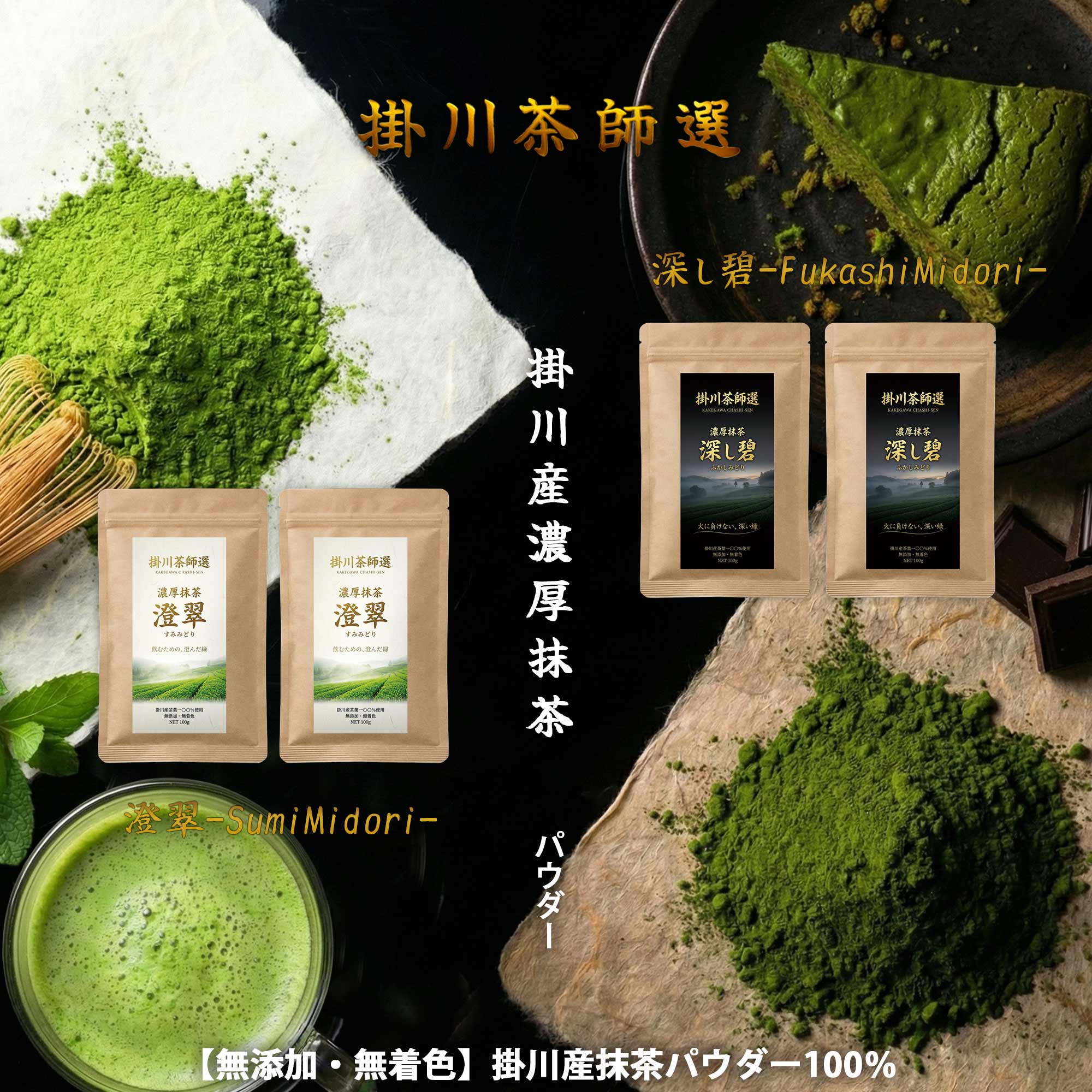
【選べる2種の濃さ:澄翠-すみみどり- / 深し碧-ふかしみどり-】 掛川産 濃厚 抹茶 パウダー 100g / 200g [茶師厳選] 送料無料 飲み比べ 抹茶ラテ お菓子作り 製菓用 カテキン 静岡茶 業務用 緑茶 粉末 無添加 掛川抹茶 お茶旅 木村園
Sumimidori / Fukashimidori, 100g or 200g茶和家 木村園 楽天市場店
4.7 / 3 reviews
Japanese name掛川抹茶
Kakegawa matcha leads to a local tea cooperative, a named deep-steamed tea, a children’s contest, and drinks made with city-grown leaves.
Information last updated 119 days ago
3 images【選べる2種の濃さ:澄翠-すみみどり- / 深し碧-ふかしみどり-】 掛川産 濃厚 抹茶 パウダー 100g / 200g [茶師厳選] 送料無料 飲み比べ 抹茶ラテ お菓子作り 製菓用 カテキン 静岡茶 業務用 緑茶 粉末 無添加 掛川抹茶 お茶旅 木村園
Sumimidori / Fukashimidori, 100g or 200g茶和家 木村園 楽天市場店
4.7 / 3 reviews
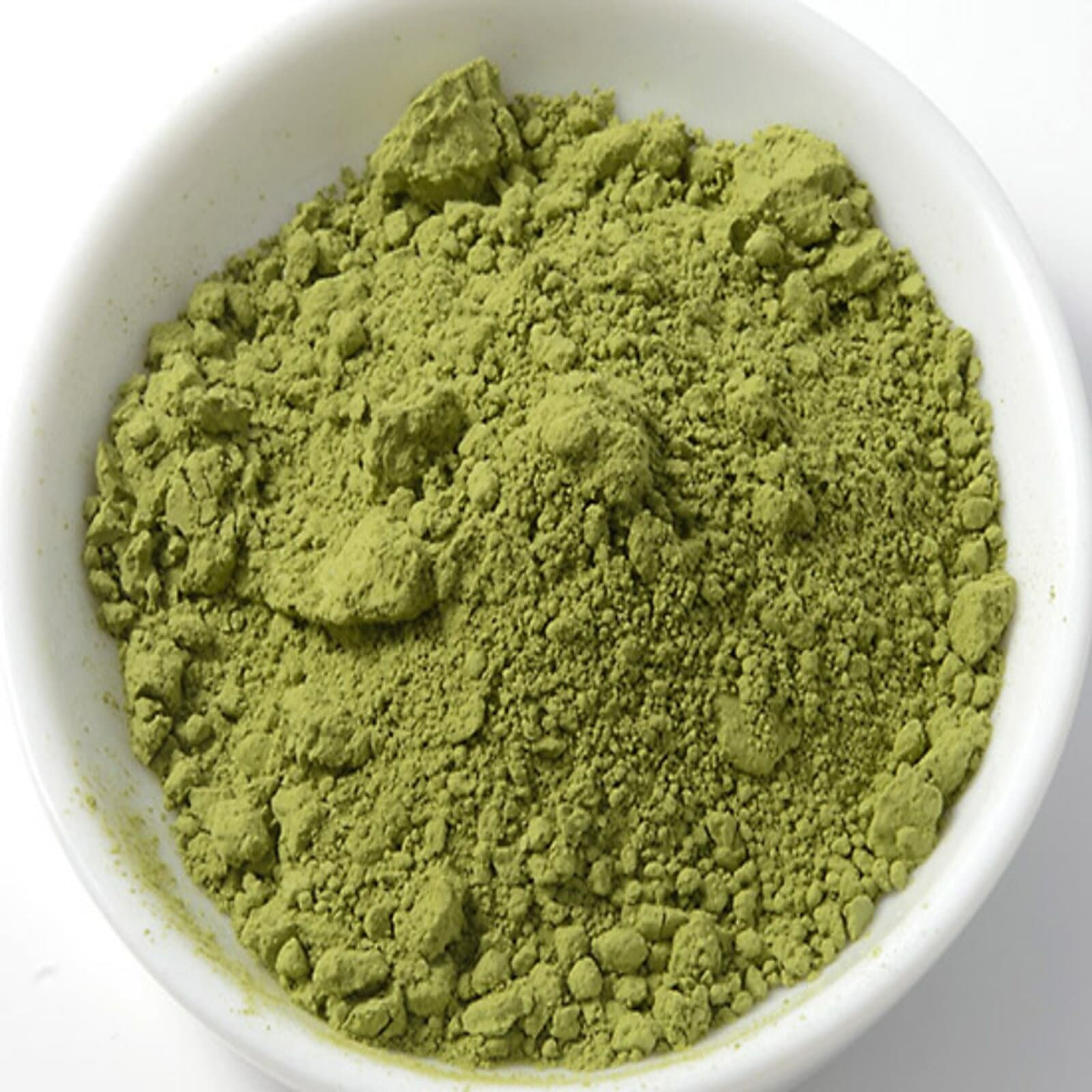
静岡県掛川市 掛川抹茶 100g 袋入り 抹茶 青空レストラン お取り寄せ
100g bagMacaron
First time buying on Rakuten? How residents in Japan order →
Kakegawa matcha opens onto a wider tea setting in Kakegawa City, Shizuoka Prefecture. The clearest doorway is the Kakegawa Tea Commerce Cooperative in Shimomata-Minami, where local tea merchants connect Kakegawa tea with named items such as deep-steamed Kakegawa tea “Amane” and Kakegawa tea warabi mochi. Tea also appears in school and drink settings: elementary students in grades three through six join the T-1 Grand Prix, and tea leaves from Kakegawa City are used in drinks such as a foaming green-tea liqueur.
The Kakegawa Tea Commerce Cooperative is based in Shimomata-Minami, Kakegawa City, and presents places and products connected with Kakegawa tea. For the name Kakegawa matcha, that address gives the tea a concrete setting: merchants, local storefronts, deep-steamed Kakegawa tea “Amane,” and warabi mochi carrying the Kakegawa tea name.
The Kakegawa cooperative also appears among the branches of the Shizuoka Prefecture Tea Commerce and Industry Cooperative. Through that branch list, Kakegawa sits inside a prefectural tea network made up of wholesalers, retailers, brokers, intermediaries, mail-order operators, and other tea businesses.
Deep-steamed Kakegawa tea “Amane” appears alongside Kakegawa tea warabi mochi in the cooperative’s local tea setting. Those names turn Kakegawa tea from a place name into recognizable objects: one is a named deep-steamed tea, and the other is a sweet carrying the Kakegawa tea name.
“Amane” also carries a regional food-brand recognition. In practical terms, that recognition ties a named deep-steamed Kakegawa tea to place, tea style, and a quality marker, giving the tea setting around Kakegawa matcha a specific object to follow.
The T-1 Grand Prix held by the Kakegawa Tea Commerce Cooperative is for elementary school students in grades three through six within Kakegawa City. A preliminary round was held on November 23, 2025, and a final round on January 17, 2026 brought together 21 finalists to decide the champion and T-1 Hakase title.
The event places tea in a school-age learning and competition setting. Daiichi, Haraya, Yokosuka, Johoku, Higashiyamaguchi, Nishiyamaguchi, Chuo, and Daini elementary schools appear among the finalists, giving Kakegawa’s tea life a form made of grades, school names, preliminaries, finalists, and a local stage for children.
The Shizuoka Prefecture Tea Commerce and Industry Cooperative was founded in 1953 and is made up of tea businesses across the prefecture, including wholesalers, retailers, brokers, intermediaries, and mail-order operators. Its shared work includes joint purchasing of tea and tea-related materials, joint promotion, market development, business research, technical improvement, education, and information sharing.
Seen from that network, the Kakegawa cooperative is a branch name and a doorway into the work of local tea merchants. Kakegawa tea is carried by the everyday labor of handling, presenting, promoting, and improving tea within a prefectural trade structure.
Shizuoka Prefecture’s ChaOI Project examples include a drink made with Kakegawa deep-steamed tea and Shizuoka thinned mandarin oranges, as well as a foaming green-tea liqueur made with tea leaves from Kakegawa City. These examples place Kakegawa tea leaves in citrus drinks, sparkling alcoholic drinks, and sweet applications around tea.
In the same surrounding context, Kakegawa tea is described for beautiful liquor color and rich umami. Those sensory words become concrete through use: Kakegawa City tea leaves are used for a foaming green-tea liqueur, and Kakegawa deep-steamed tea can sit beside Shizuoka mandarin oranges as a drink ingredient.
Kakegawa matcha comes into focus here through a local tea setting that can be named clearly: the cooperative in Shimomata-Minami, deep-steamed Kakegawa tea “Amane,” Kakegawa tea warabi mochi, the T-1 Grand Prix for elementary students, and drinks made with Kakegawa City tea leaves. In that view, Kakegawa’s tea takes shape through merchants, schools, named teas, sweets, and the color and umami of leaves moving into the glass.
Compiled from public records and official sources; see the recognition links below. Details may change over time.
Where this product is officially registered, designated, or recognized in Japan.
Regional collective trademark
Registered as a Regional Collective Trademark with the Japan Patent Office.
Sources1
It is written as 掛川抹茶 in Japanese. Search Rakuten and other Japanese sites with that spelling — the English name will not bring up the listings.
Kakegawa matcha is approached through the tea setting of Kakegawa City. The Kakegawa Tea Commerce Cooperative in Shimomata-Minami presents Kakegawa tea shops and named items such as deep-steamed Kakegawa tea “Amane” and Kakegawa tea warabi mochi. The cooperative also runs the T-1 Grand Prix for elementary students, while Shizuoka examples show Kakegawa deep-steamed tea and Kakegawa City tea leaves used in drink development.
Deep-steamed Kakegawa tea “Amane” is connected with a regional food-brand recognition. ChaOI Project examples include a drink using Kakegawa deep-steamed tea and Shizuoka thinned mandarin oranges, and a foaming green-tea liqueur using Kakegawa City tea leaves. The T-1 Grand Prix is for Kakegawa City elementary students in grades three to six, with 21 finalists in the January 17, 2026 final. The Shizuoka Prefecture Tea Commerce and Industry Cooperative was founded in 1953 and includes tea wholesalers, retailers, brokers, and related tea businesses.
Kakegawa tea and related products can be looked for at shops introduced by the Kakegawa Tea Commerce Cooperative, which also mentions deep-steamed Kakegawa tea “Amane” and Kakegawa tea warabi mochi. Shizuoka examples include a drink using Kakegawa deep-steamed tea with prefectural thinned mandarin oranges, and a foaming green-tea liqueur using Kakegawa City tea leaves.
Water temperature varies a lot by type of Japanese tea: roughly 50–60°C for gyokuro, 70–80°C for sencha, and near-boiling 90–100°C for hojicha (including roasted stem tea), bancha, and genmaicha, steeped for about 30 seconds to a minute. A common ratio is about 3g of leaf per 150ml of water. Follow the instructions on the packaging where they differ.
Tea leaves are damaged by light, humidity, and absorbed odours. Once opened, keep them sealed and away from light at room temperature and drink them within a few weeks. If you refrigerate them, let the container return to room temperature before opening so condensation doesn't get in.
Most options are shelf-stable, boxed, and travel well, so they suit gifting or bringing home. Confirm the final storage and delivery terms on the Rakuten listing.
On Rakuten: the shops listed here right now are 茶和家 木村園 楽天市場店, Macaron. We don't sell directly; purchase, payment, stock, and delivery are all handled on the Rakuten product page.