 3 images
2026 Hachijuhachiya Shincha Kawanecha Sencha
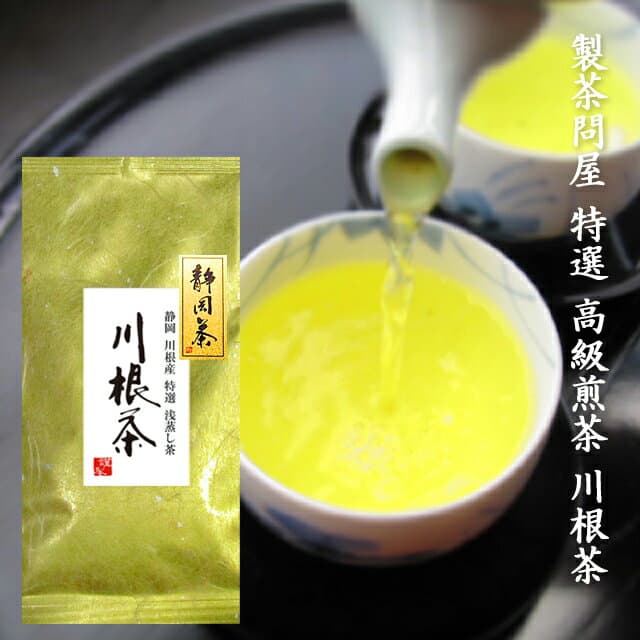
2026年度産 八十八夜 新茶 川根茶 100g 袋 パック 茶葉 お取り寄せ お茶 日本茶 国産 お茶の葉 国産茶葉 煎茶 ネコポス 健康茶 送料無料 お歳暮 お年賀
100g bag静岡お茶のだいさん
4.8 / 21 reviews
Japanese name川根茶
In central Shizuoka, Kawane-cha follows the middle and upper Oi River, where mountain shade, cool nights, hand-rubbing tables, and lower-temperature brewing shape a gentle cup.
Information last updated 120 days ago
3 images2026年度産 八十八夜 新茶 川根茶 100g 袋 パック 茶葉 お取り寄せ お茶 日本茶 国産 お茶の葉 国産茶葉 煎茶 ネコポス 健康茶 送料無料 お歳暮 お年賀
100g bag静岡お茶のだいさん
4.8 / 21 reviews
 3 images
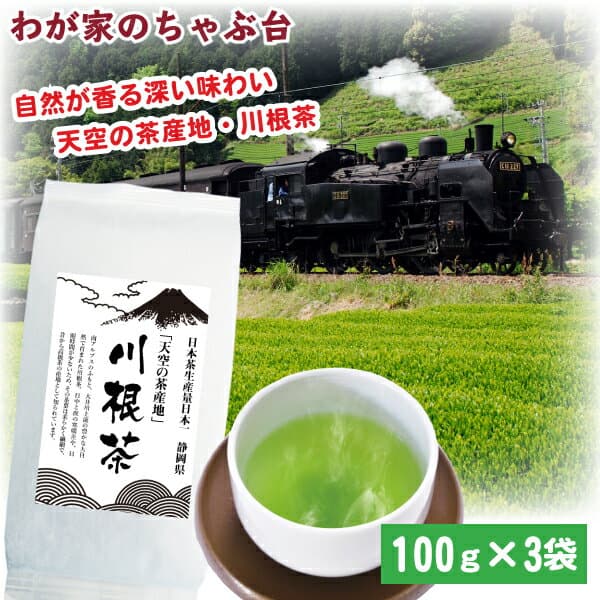
川根茶 100g×3袋 | わが家のちゃぶ台 送料無料 お茶 緑茶 煎茶 茶 茶葉 お茶葉 静岡 川根 国産 中蒸し 中むし 健康 健康茶 一番茶 新茶 色 香り うがい 藪北 ウイルス対策 やぶきた やぶ北 甘い 美味しい おいしい お徳 お得 お土産 冷茶 水出し 氷出し 急須 カテキン 3本
100g x 3 bagsわが家のちゃぶ台
4.6 / 14 reviews
 3 images
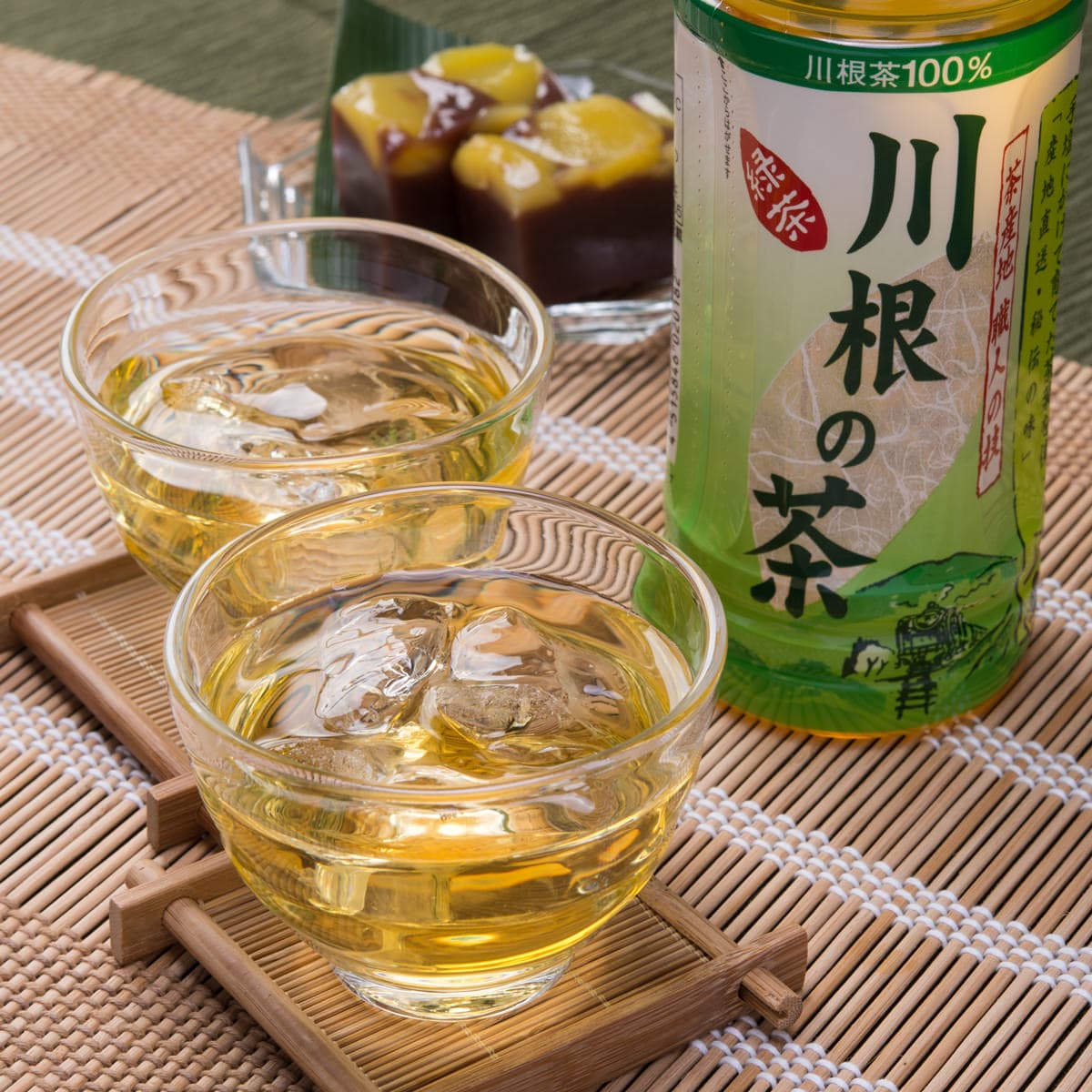
川根茶 ペットボトル 500ml 24本 1ケース お茶 緑茶 日本茶 静岡茶 茶産地限定 国産 有限会社諸田製茶 静岡県
500ml x 24 bottles (1 case)産直お取り寄せNセレクト
4.7 / 3 reviews
First time buying on Rakuten? How residents in Japan order →
Kawane-cha begins with a river landscape in central Shizuoka. The tea is produced in the Kawane area along the middle and upper reaches of the Oi River, with Kawanehoncho and Shimada City Kawanecho forming the cooperative district around the name. On the Shimada side, the Kawane district sits in the city’s northern mid-mountain area, where mountains rise on both banks of the river. The cup carries that setting through leaf shape, handwork, and brewing temperature.
Kawane-cha is tied to a clear place: the Kawane area of central Shizuoka, along the middle and upper Oi River. The cooperative district spans Kawanehoncho and Shimada City Kawanecho, so the name is best understood through a river valley and a producer community, not through a single garden. In Shimada’s Kawane district, mountains stand on both banks of the Oi River, placing tea work inside a mid-mountain landscape of slopes, roads, and small settlements.
The growing conditions in Kawane are described in plain physical terms: mountains surround the tea fields, sunshine hours are short, and the day-night temperature gap is wide. Those conditions are linked to leaves with restrained bitterness and a rich store of nutrients. The character of the tea is rooted in field conditions that repeat through the season, especially mountain shade and temperature movement between afternoon and night.
The time depth of Kawane-cha reaches at least to a Keicho 4 land-survey book from 1599, where tea already appears in the area. Later, local tea people carried cultivation and processing skills forward. In the modern cooperative line, a voluntary Kawane tea industry union began in 1953 around seven villages, and the current cooperative was established in 1979. Its 33 members, youth group, women’s circle, study meetings, and yearly finishing-skill competitions show how knowledge still moves through organized local work.
Hand-rubbing makes the work of Kawane-cha visible in the body. Before the peak of new-tea production each April, a new-tea festival in Kawanehoncho brings preservation-society members together around fresh leaves. New shoots are hand-picked as one bud and two leaves, steamed, placed on the heated hoiro table, and rubbed by hand into fine needle-like form. Kawane Momikiri-ryu appears in classes, demonstrations, and public experiences, linking palm movement, heat, and leaf shape in a local setting.
Kawane-cha leaves are described as thin like needles, with a calm luster. When brewed at a lower temperature, the tea shows rich umami, pleasant astringency, transparent liquor color, and a calming aroma. The hand-rubbing world also pays attention to shape, leaf color, aroma, liquor color, and taste, so the visible needle shape and the brewed cup belong to the same sensory path.
Kawane-cha continues through everyday work as well as through fields and cups. The tea cooperative holds study meetings and classes to improve processing knowledge, with youth and women’s groups active inside the organization. In Shimada’s Kawane district, another local cooperative brings together 10 enterprises across tea, agriculture, forestry, manufacturing, electrical work, and related fields. Tea manufacturing, tea-garden management, tencha, and matcha work keep tea connected to seasonal jobs in the Oi River mountains.
Kawane-cha can be followed through a set of concrete scenes: mountain fields along the middle and upper Oi River, short sunlight and wide day-night temperatures, a 1599 land-survey mention, cooperative work from 1953 and 1979, one-bud-two-leaves hand-rubbing on a hoiro table, and a lower-temperature cup with umami, clear color, aroma, and gentle astringency. Together, those scenes make the tea a product of Shizuoka’s river mountains, processing skill, and local labor.
Compiled from public records and official sources; see the recognition links below. Details may change over time.
Where this product is officially registered, designated, or recognized in Japan.
Regional collective trademark
Registered as a Regional Collective Trademark with the Japan Patent Office.
Sources1
It is written as 川根茶 in Japanese. Search Rakuten and other Japanese sites with that spelling — the English name will not bring up the listings.
Kawane-cha is a tea family from central Shizuoka’s Kawane area along the middle and upper Oi River, with cooperative work centered on Kawanehoncho and Shimada City Kawanecho. Mountain shade, short sunshine, and wide day-night temperatures are linked to restrained bitterness and nutrient-rich leaves; lower-temperature brewing brings umami, clear color, pleasant astringency, and a calming aroma.
Tea appears in the area in a Keicho 4 land-survey book from 1599. A voluntary union centered on seven Kawane villages began in 1953, and the present cooperative was established in 1979. The Kawane Tea Cooperative has 33 members and includes a youth group, women’s circle, study meetings, and finishing-skill competitions. Kawane hand-rubbing activity includes one-bud-two-leaves picking, steaming fresh leaves, using a hoiro table, and shaping tea into needle-like form.
Lower-temperature brewing of Kawane-cha is associated with rich umami, pleasant astringency, transparent liquor color, and a calming aroma.
Water temperature varies a lot by type of Japanese tea: roughly 50–60°C for gyokuro, 70–80°C for sencha, and near-boiling 90–100°C for hojicha (including roasted stem tea), bancha, and genmaicha, steeped for about 30 seconds to a minute. A common ratio is about 3g of leaf per 150ml of water. Follow the instructions on the packaging where they differ.
Tea leaves are damaged by light, humidity, and absorbed odours. Once opened, keep them sealed and away from light at room temperature and drink them within a few weeks. If you refrigerate them, let the container return to room temperature before opening so condensation doesn't get in.
Most options are shelf-stable, boxed, and travel well, so they suit gifting or bringing home. Confirm the final storage and delivery terms on the Rakuten listing.
On Rakuten: the shops listed here right now are 静岡お茶のだいさん, わが家のちゃぶ台, 産直お取り寄せNセレクト. We don't sell directly; purchase, payment, stock, and delivery are all handled on the Rakuten product page.