 3 images
Mishima Croquette with 100% Mishima May Queen Potatoes
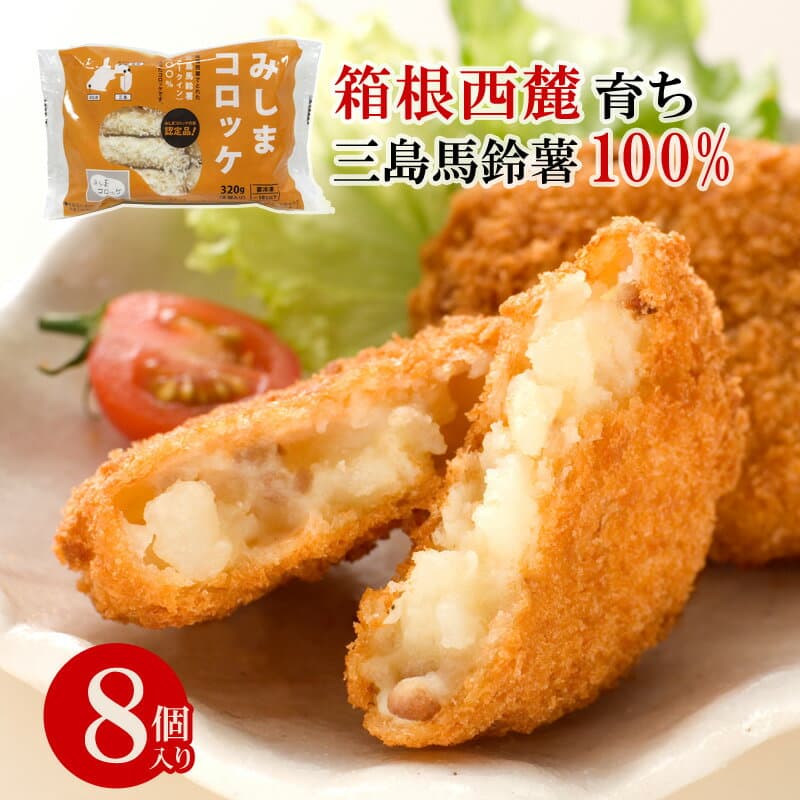
みしまコロッケ8個入 静岡県三島市認定ご当地グルメ 三島馬鈴薯ばれいしょメークインを100%使用した衣サクサククリーミーコロッケ 三島コロッケ B-1グランプリ 惣菜 揚げ物 じゃがいもフライ おかず 夕食 弁当
8 pieces東平屋 楽天市場店
5.0 / 3 reviews
Japanese nameみしまコロッケ
In Mishima, Shizuoka, one ingredient keeps the croquette local: Hakone western-foot Mishima potatoes. Hand-dug May Queen potatoes, sun-dried and wind-dried, become a crisp, creamy snack for walking through town.
Information last updated 119 days ago
3 imagesみしまコロッケ8個入 静岡県三島市認定ご当地グルメ 三島馬鈴薯ばれいしょメークインを100%使用した衣サクサククリーミーコロッケ 三島コロッケ B-1グランプリ 惣菜 揚げ物 じゃがいもフライ おかず 夕食 弁当
8 pieces東平屋 楽天市場店
5.0 / 3 reviews
First time buying on Rakuten? How residents in Japan order →
Mishima, Shizuoka, sits at the gateway to Izu and Hakone, with Mishima Taisha and clear waterways in the town center. In July 2008, the city's local food idea took the form of a croquette people could eat while walking. Mishima croquette keeps one shared anchor: Hakone western-foot Mishima potatoes, a May Queen potato grown in the foothills and carried into a familiar crisp, creamy snack.
Visitors already came through Mishima for Izu, Hakone, the shrine, and the waterside streets, but the town lacked an easy food to hold while walking. Mishima croquette answered that gap with a recognizable shape: a hot potato croquette made from Mishima potatoes. The first bite connects the street scene to the Hakone foothills, because the croquette's required ingredient comes from the vegetable-growing area behind Hakone western-foot Mishima produce.
The common rule is precise: Mishima croquette uses 100% Hakone western-foot Mishima potatoes, the May Queen variety. Everything around that potato can change. Shops certified under the local system may choose seasoning, fillings, and shape, so one name can cover many forms while still returning to the sweetness and creamy texture of Mishima potatoes.
The potatoes begin on the Hakone western foothills, where a cool climate and well-drained red Kanto loam support vegetable growing. Harvesters dig the potatoes by hand to avoid damaging the skin, dry them in the sun for one day, then keep them for about two weeks in a dark, cool, ventilated warehouse. That wind-drying step is tied to stronger sweetness and better keeping, which later shows up inside the croquette.
Some Mishima potatoes emerge too small or misshapen for ordinary fresh sale. The croquette gave those B-grade potatoes a clear use inside the city's food life. A potato that might have stayed outside the fresh market can become a crisp, hot item at town events, on a shop counter, or as part of a meal.
Because the potato rule is fixed and the recipe around it is open, the family can appear as a walking snack, an izakaya bite, or a restaurant a la carte dish. The shared sensory line is simple: crisp outside, creamy inside, and sweet from the Mishima potato. Around that center, each kitchen can decide what to mix in and how to shape the croquette.
Mishima croquette is also a citywide collaboration. In 2008, みしまコロッケの会 brought together the chamber of commerce, tourism association, agricultural cooperative, producers, retailers, city staff, and residents. Its work has included contests, croquette festivals, food education, and promotion of Mishima potatoes, so the name stays tied to both the fields and the town center.
At its clearest, Mishima croquette is a path from red foothill soil to a hand-held croquette in Mishima's streets. May Queen potatoes are dug, dried, wind-dried, and cooked into a crisp shell with a creamy, sweet center. The result lets the town's rivers, shrine visits, shops, and potato fields meet in one warm bite.
Compiled from public records and official sources; see the recognition links below. Details may change over time.
Where this product is officially registered, designated, or recognized in Japan.
Regional collective trademark
Registered as a Regional Collective Trademark with the Japan Patent Office.
Sources1
It is written as みしまコロッケ in Japanese. Search Rakuten and other Japanese sites with that spelling — the English name will not bring up the listings.
Mishima korokke is a local croquette from Mishima, Shizuoka, launched in July 2008 as an easy food for walking through town. The shared rule is that it must use Hakone western-foot Mishima potatoes, while seasoning, fillings, and shape are left to each shop.
The Mishima potato variety used is May Queen. Mishima potatoes grow in the cool, well-drained red Kanto loam of the Hakone western foothills. The potatoes are hand-dug, sun-dried for one day, then wind-dried for about two weeks in a cool, dark, ventilated warehouse. The finished croquette is crisp outside, creamy inside, and strongly sweet.
Mishima korokke is often eaten as a snack while walking through town. Because seasoning, fillings, and shape differ by shop, comparing versions across certified shops is a common way to try it. It appears in forms ranging from handheld walking food to izakaya snacks and restaurant a la carte dishes.
Storage varies by product — shelf-stable, refrigerated, or frozen — and is stated on the packaging and the Rakuten listing. Shelf-stable processed foods usually need refrigerating once opened and eating within a few days; chilled and frozen items go straight into storage on arrival. Treat the best-before date on the physical packaging as authoritative.
Most options are shelf-stable, boxed, and travel well, so they suit gifting or bringing home. Confirm the final storage and delivery terms on the Rakuten listing.
On Rakuten: the shops listed here right now are 東平屋 楽天市場店. We don't sell directly; purchase, payment, stock, and delivery are all handled on the Rakuten product page.