Japanese Blades by Region: Knives, Sickles, Scissors, Needles and Where Each Is Forged
Type before region: knives by shape and bevel, sickles by job, and whether the blade was forged or stamped.
Sort out the type first, then the region
Japanese blades cover far more than knives. One forging town will often make kitchen knives, sickles, hatchets, chisels and planes at the same time, because the skill is shared: hammer red-hot steel into shape, then harden, temper and grind it. Learn the types first and the regional differences start to make sense.
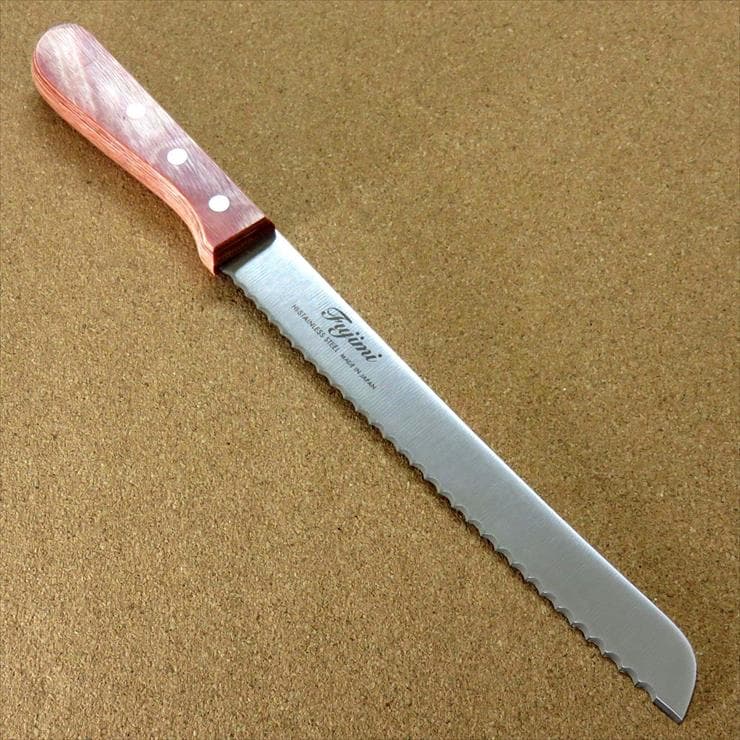
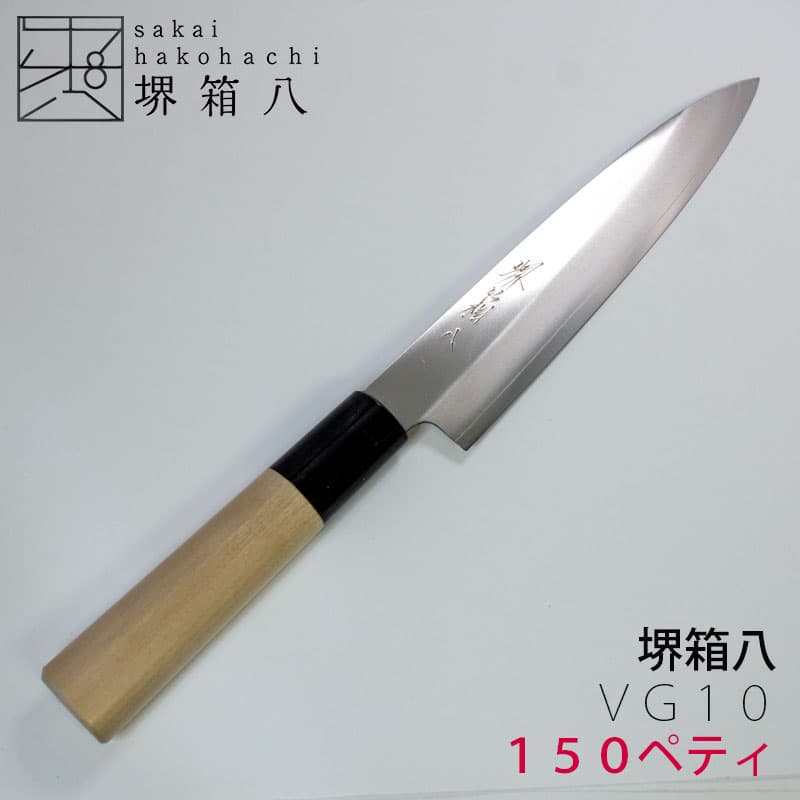
With kitchen knives, look at the shape and the edge. The deba is thick, heavy and single-bevel, for breaking down fish; the yanagiba is long, narrow and single-bevel, for slicing sashimi; the usuba is a single-bevel vegetable knife. The santoku and gyuto are double-bevel all-rounders and the nakiri a double-bevel vegetable knife. A single bevel is ground on one side only, which gives a keen edge but makes the knife left- or right-handed; a double bevel is ground on both sides and suits either hand.
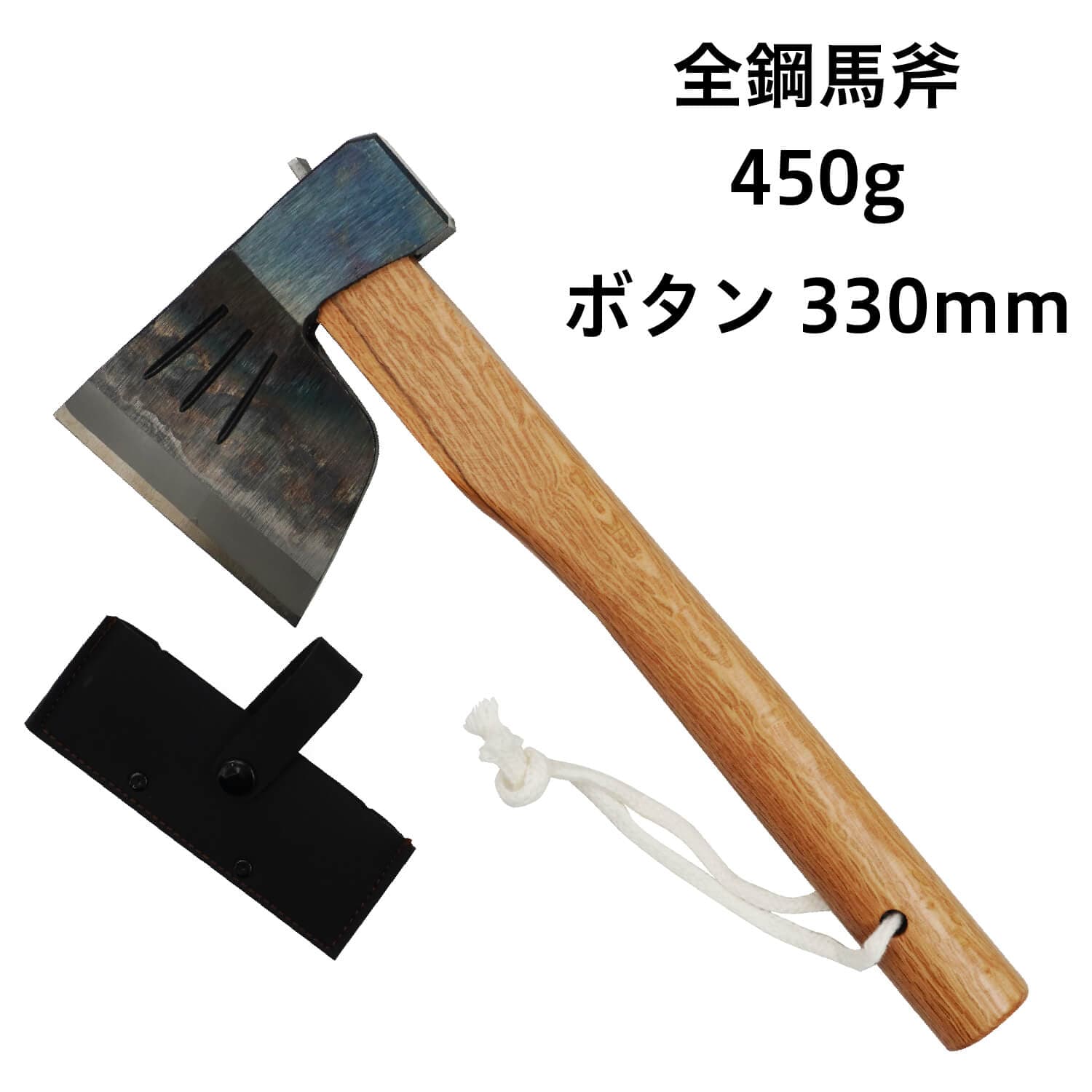
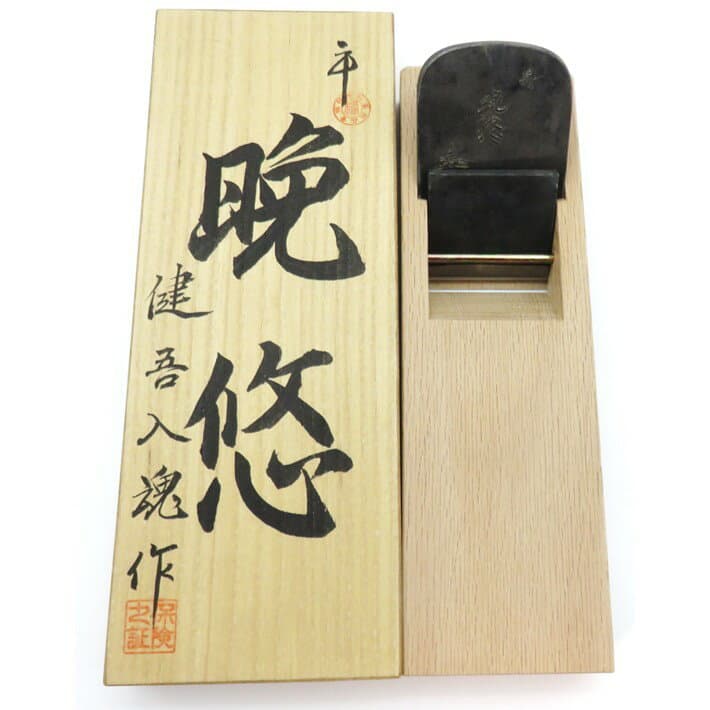
Beyond the kitchen there are several more groups: farm and forestry tools, namely sickles, nata hatchets, axes and hoes; carpentry tools, namely chisels, planes, saws and plastering trowels; scissors and shears, including flower-arranging and pruning shears; sewing needles, pins and fishing hooks; and hardware such as Japanese nails and yattoko tongs. The product lists of Sanjo, Tosa and Miki each span several of these groups at once, which is the usual pattern of a Japanese forging town.
Forged or stamped, and how the steel is built
Uchihamono, literally struck blades, are shaped by a smith hammering red-hot steel, usually with a hard steel edge (hagane) forge-welded onto a softer iron body (jigane); the blade is then quenched, tempered and given its edge by hand. Tosa forged blades call the die-free method free forging: the hammer alone draws the metal longer and wider, so sickles, hatchets and knives can be adjusted to the job, the soil and the user's height. Sakai describes the same process: soft iron and steel joined and hammered out, a mud coating before quenching to reduce uneven hardening, and tempering to give the edge toughness.
The alternative is the stamped blade, nuki-hamono in Japanese: the blank is cut from rolled sheet steel, then ground and heat-treated, usually of a single steel. Most mass-produced kitchen knives and scissors are made this way, and there is nothing wrong with them; they are simply not forged. A label that says forged or uchihamono points to the first kind.
A few construction terms come up often. Awase laminates hard steel onto one side of soft iron and is typical of single-bevel knives; warikomi sandwiches the steel between two layers of soft iron and is typical of double-bevel knives; a blade of one steel throughout is called zenko. Yoita chisels wrap carbon steel onto a small area at the edge, and a Miki plane blade joins soft jigane and hard steel at over 1,000 degrees Celsius, the maker judging the temperature by flame colour. Carbon steel takes a keen edge but rusts; stainless is easier to look after. That is the first decision to make.
The two main lines for kitchen knives: Sakai and Seki
Sakai forged blades and Sakai blades are two names for one production area around Sakai City and Osaka City, and both are registered trademarks of the Sakai cutlery federation. The main products are knives and scissors. The timeline starts with tobacco knives in the Azuchi-Momoyama period, moves to deba and cooking knives in the early Edo period, when Sakai established its national position, and adds flower-arranging and pruning shears in the late Edo period. Today's range includes yanagiba, deba, soba knives and large tuna knives, with workshops in Sakai-ku and Naka-ku, and the annual Sakai Cutlery Festival runs a tool clinic where visitors' knives and shears are diagnosed, re-sharpened and re-handled.
Seki blades come from Seki City in Gifu, on the middle reaches of the Nagara River, with a blade history traced to the Kamakura-period swordsmith Motoshige, who moved there. The range is wider than Sakai's, from kitchen knives and scissors to kitchen tools and beauty tools, and modern production is organised as a cluster covering blade manufacturing, heat treatment, plating and plastic moulding. Gifu Seki Cutlery Hall on Heiwadori gathers about 2,000 items from more than 70 makers, and its sharpening workshop offers hands-on knife sharpening as well as re-sharpening by craftspeople.
Echizen and Echigo: from kitchen knives to carpentry tools
Echizen forged blades are centred on Echizen City in Fukui, with workshops in the city and inside Takefu Knife Village. Locally, Chiyozuru Kuniyasu's move to Echizen Fuchu around 1337 is treated as the founding, and 2037 marks the 700-year milestone. The range runs from kitchen knives, tuna knives with blades of about 1.5 metres, soba knives, paper-cutting knives and saw sickles to a vegetable-harvest knife developed with farmers in 1975, and mawashi-hagane-zuke, a steel-attaching technique, is the skill handed down here.
Echigo Sanjo forged blades come from Sanjo City in Niigata. Blacksmithing there is traced to a Kajimachi named in an early Edo cadastral book; new-field development in the first half of the Edo period drove sickles, hoes and other farm tools, off-season Japanese nail making by farming households formed the production area, and Shinano River transport and metalware merchants carried the trade into carpentry tools, kitchen knives and kiridashi knives. Today's list runs from kitchen knives, kiridashi, planes, chisels and hatchets to sickles, pruning shears, yattoko tongs and Japanese nails.
Echigo Yoita forged blades, from the Yoita area of Nagaoka, specialise in chisels, planes, masakari axes and chouna adzes. Local accounts trace the start to the 16th century, when a retainer of Uesugi Kenshin invited swordsmiths from Kasugayama, and by the mid-Edo period Yoita carpentry tools were known by names such as Doihi-nomi and Hyobu-nomi. Every early June, Yoita Gymnasium hosts a thin plane-shaving competition and visits to the local forges.
Farm and forestry blades: Shinshu sickles and Tosa
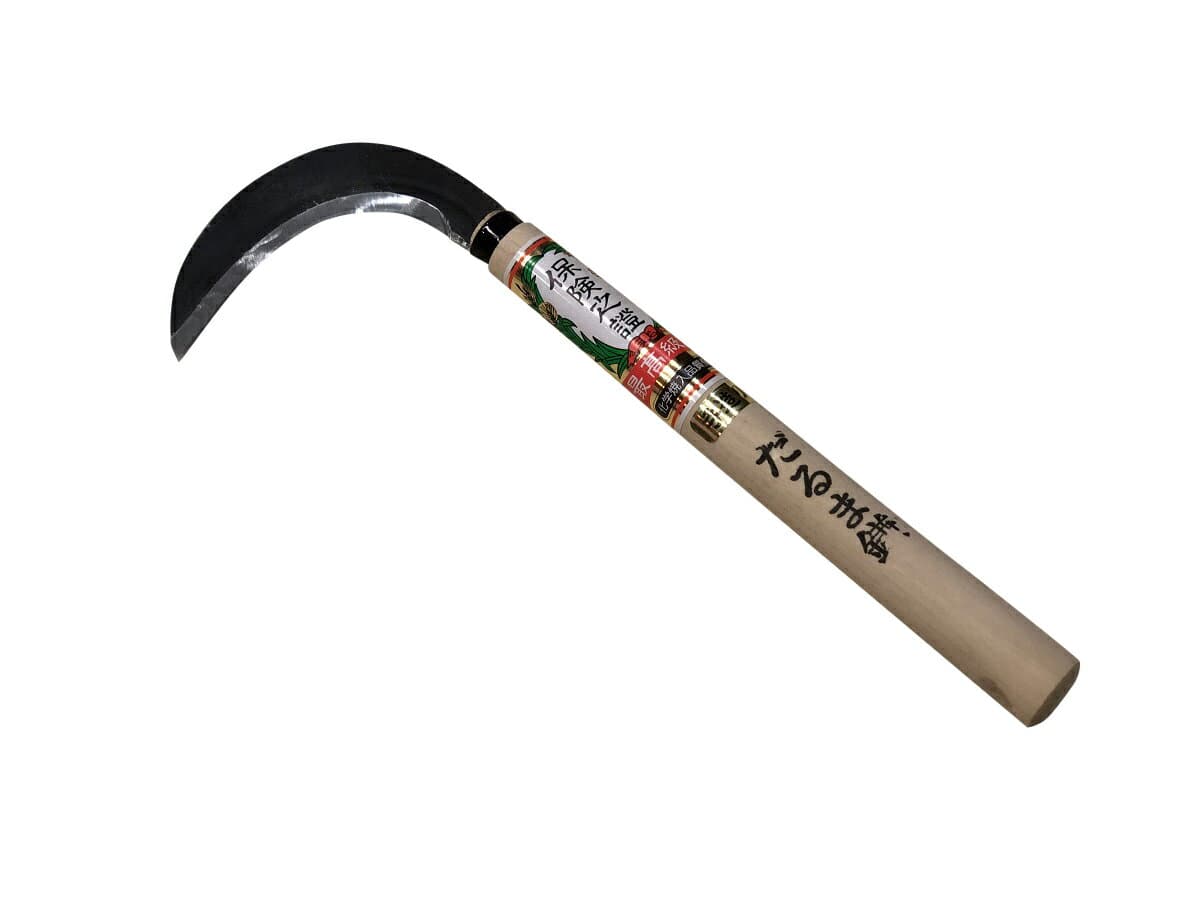
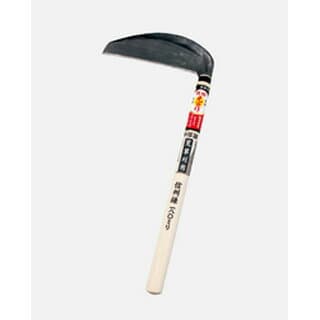
Shinshu forged blades in Nagano centre on sickles, kitchen knives and nata hatchets, made in Nagano City, Chikuma, Shinano Town and Iizuna. The best-known line is the Shinshu sickle, a thin single-bevel grass sickle that developed along the Hokkokukaido route: a wide body, a very thin edge and a thicker back, with shibazuke setting an angle between blade and tang so the cut grass gathers toward the hand, and tsuri setting the blade so it stands diagonally even when the handle is level. Its origin is usually linked to blade makers around the late-16th-century Kawanakajima battles; the present form was settled by the first half of the 19th century; and by late Meiji the villages of Furuma and Kashiwara reportedly made about 800,000 sickles a year.
Tosa forged blades in Kochi are made around Kami, Nankoku, Tosa, Ino and Susaki. A 1590 Chosokabe land survey lists 399 blacksmith households in Tosa, and the 1621 Genna reforms promoted forest management and new-field development, which expanded demand for farm and forestry blades; that is the background to Tosa's sickles, hatchets, axes, saws and hoes. In 2019 Kajiya Soseijuku opened in Kami, with working smiths teaching new trainees forging, materials and business.
Hardware and needles: Miki, Banshu and Hiroshima
Miki City in Hyogo is a hardware town. Miki hardware is a regional collective trademark covering saws, trowels, chisels, sickles, planes, machine tools such as drills, kitchen knives and small knives, and Banshu Miki forged blades is the traditional-craft name for five forged tools within it: saws, chisels, planes, trowels and small knives. The town's early modern growth is tied to rebuilding after the 1578 fall of Miki Castle, when carpenters gathered, the blacksmiths making their tools multiplied, and the carpenters' later work in Kyoto and Osaka spread the reputation.
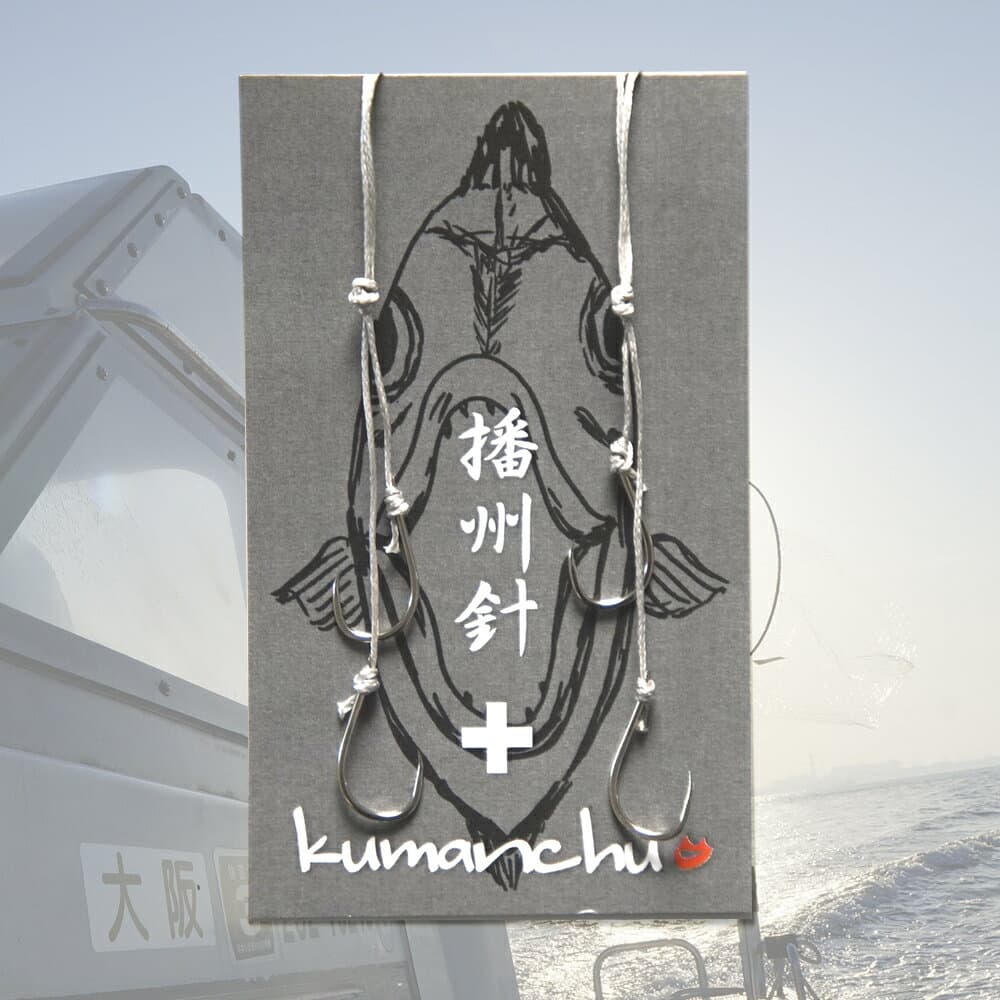
Banshu needles, despite the name, are fishing hooks: made in Hyogo's North Harima area, with the most clearly defined production area in Kato, Ono and Miki. Production goes back more than 150 years, and the decisive changes were better forming machinery, improved heat treatment and the shift from iron hooks to steel hooks.
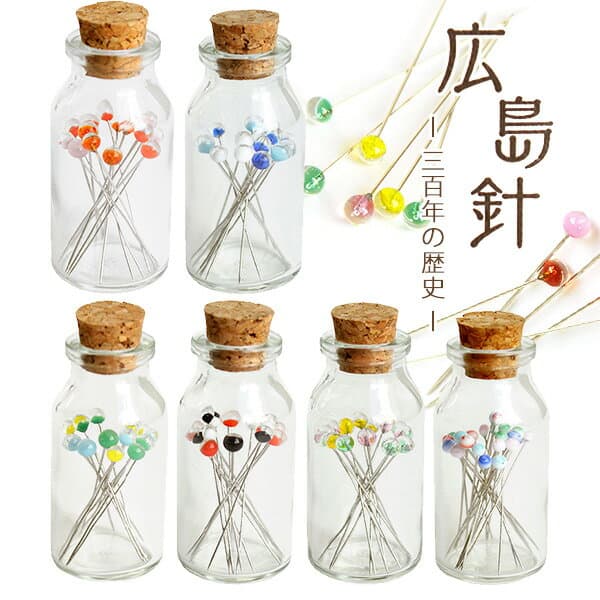
Hiroshima sewing needles are centred on Hiroshima City and comprise hand-sewing needles and pins; Hiroshima accounts for more than 90 percent of Japan's production of both. The story runs through Kake, about 50 kilometres up the Ota River, known in the Edo period for sand iron and tatara ironmaking, with the iron moving downriver to present-day Hiroshima to be worked into needles. The raw materials are iron wire, steel wire, stainless wire and brass wire, and heat treatment gives hardness while keeping the needed flexibility, which is why the needles are described as hard to bend, hard to break and elastic.
How to choose, and how to look after them
Decide the job first, then the bevel and the steel. For breaking down fish and slicing sashimi, choose single-bevel knives such as the deba and yanagiba; for everyday all-round use, a double-bevel santoku or gyuto. Single-bevel knives are left- or right-handed and a left-handed version usually has to be ordered; carbon steel is sharper but rusts, stainless is easier to look after. Before ordering, check the listing for blade length, steel, bevel and handedness, whether the edge has been set (Sakai workshops call this step honbazuke), and whether the handle is fitted. With sickles and hatchets, go by the job: a thin-bladed grass sickle for cutting grass, a nata for splitting kindling and clearing branches; Tosa smiths adjust tools to use and build, and listings usually note this.
The care rules are shared across all of them. Wash and dry the blade straight after use, keep it out of the dishwasher, and give carbon steel a thin film of oil to prevent rust. Do not use a thin single-bevel knife on bones or frozen food. When it dulls, sharpen on a whetstone rather than a pull-through sharpener. Re-sharpening and repair can be sent back to the region: Gifu Seki Cutlery Hall has a sharpening workshop and re-sharpening by craftspeople, Takefu Knife Village offers sharpening and repair, and the Sakai Cutlery Festival's tool clinic diagnoses, re-sharpens and re-handles knives and shears, and collects worn-out knives for a later memorial rite.




Continue to prefectures
Hyogo
Hyogo is a useful starting point for distinctive local specialties.
Osaka
Osaka is a useful starting point for distinctive local specialties.
Niigata
Niigata is a useful starting point for distinctive local specialties.
Nagano
Nagano is a useful starting point for distinctive local specialties.
Gifu
Gifu is a useful starting point for distinctive local specialties.
Fukui
Fukui is a useful starting point for distinctive local specialties.
Kochi
Kochi is a useful starting point for distinctive local specialties.
Related buying guides
FAQ
What does uchihamono, or a forged blade, mean?
A blade shaped by a smith hammering red-hot steel, usually a hard steel edge forge-welded onto soft iron, then quenched, tempered and sharpened by hand. Tosa calls the die-free method free forging. The alternative is a stamped blade cut from sheet steel.
Single-bevel or double-bevel: which should I choose?
A single bevel is ground on one side only and gives a keen edge; deba, yanagiba and usuba are single-bevel, suited to fish and sashimi, but left- or right-handed. A double bevel is ground on both sides; santoku, gyuto and nakiri are double-bevel and suit either hand, and for everyday use that is the one to pick.
Which regions are known for Japanese kitchen knives?
Sakai in Osaka established its national position with deba and cooking knives in the early Edo period, Seki in Gifu traces its blades to the Kamakura period, Echizen in Fukui dates its start to Chiyozuru Kuniyasu's move around 1337, and Sanjo in Niigata grew from farm tools and Japanese nails into kitchen knives and carpentry tools.
Does carbon steel rust, and how do I look after it?
Yes. Wash and dry it straight after use, oil it lightly, keep it out of the dishwasher and sharpen on a whetstone. For re-sharpening by the makers, Gifu Seki Cutlery Hall has a sharpening workshop, Takefu Knife Village offers sharpening and repair, and the Sakai Cutlery Festival's tool clinic re-sharpens and re-handles knives and shears.