 2 images
Sakai Ichimonji Mitsuhide Blue No.1 Steel Pattern-Forged Deba Knife
【名入れ無料】堺一文字光秀 青鋼 紋鍛錬 出刃包丁 210mm 【送料無料】 包丁 堺刃物 出刃 青鋼 キッチン 送料無料 ギフト包装無料 プレゼント 贈り物 結婚祝い
210mm blade堺刃物 堺一文字光秀の包丁専門店
Japanese name堺刃物
In Sakai City, Osaka, workshops shape kitchen knives, yanagiba, deba, soba knives, tuna knives, custom blades, seal-carving knives, flower shears, and garden shears through forging, charcoal quenching, sharpening, handle fitting, repair, and public demonstrations.
Information last updated yesterday
2 images【名入れ無料】堺一文字光秀 青鋼 紋鍛錬 出刃包丁 210mm 【送料無料】 包丁 堺刃物 出刃 青鋼 キッチン 送料無料 ギフト包装無料 プレゼント 贈り物 結婚祝い
210mm blade堺刃物 堺一文字光秀の包丁専門店
 2 images
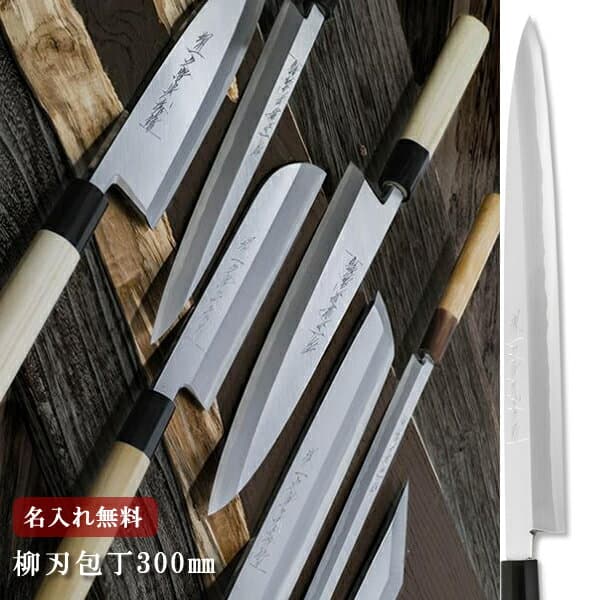
【名入れ無料】堺一文字光秀 青鋼 本霞 柳刃包丁 300mm 【送料無料】 包丁 堺刃物 キッチン 柳刃 送料無料 ギフト包装無料 プレゼント 贈り物 結婚祝い
300mm堺刃物 堺一文字光秀の包丁専門店
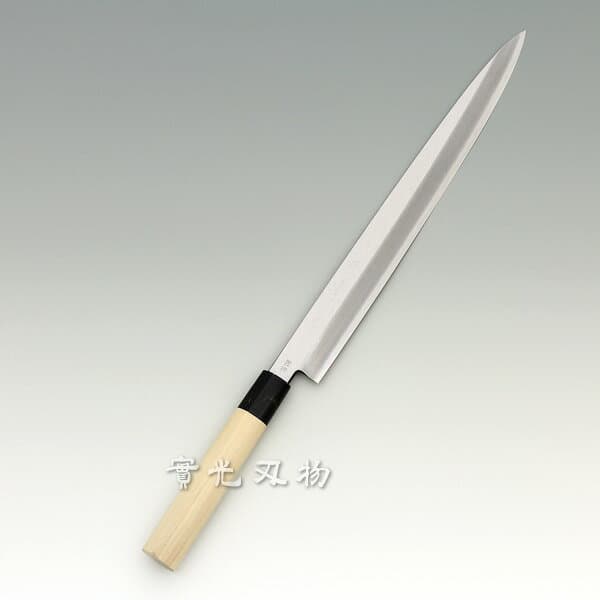
刺身用 刺身 240mm 【創業110年】【堺包丁】【堺刃物】 〔 安来鋼 〕實光包丁 贈り物 プレゼント ラッピング 堺 名入れ 日本製 国産 名前入れ 鋼 安来鋼 jk_h
240mm, Ginsan steel明治33年創業 本気の切味 實光包丁
 3 images
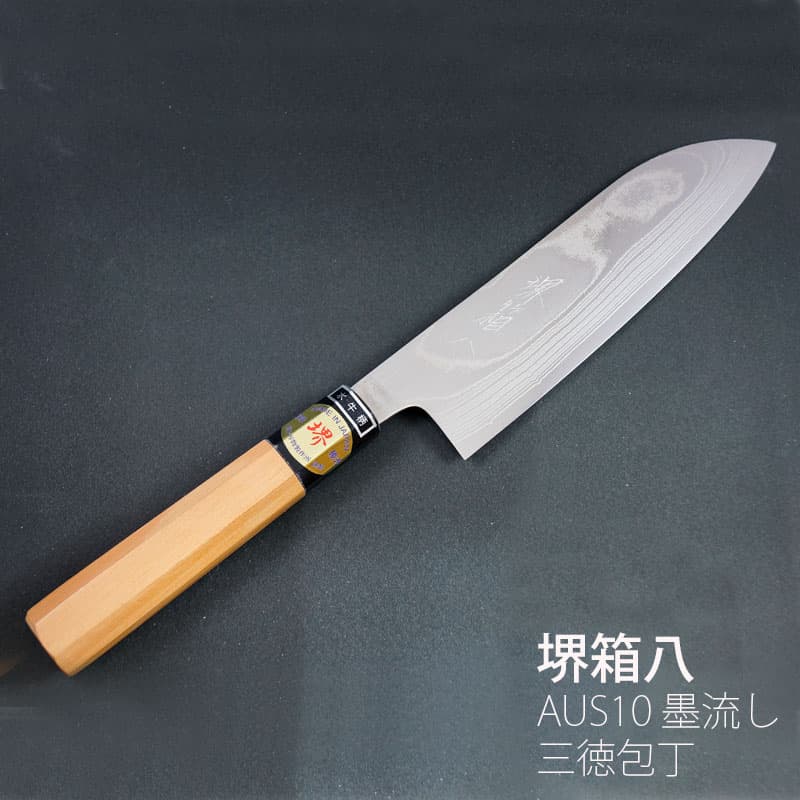
[名入れ印字可][プレゼント包装・のし無料]三徳包丁 文化包丁 万能包丁 ステンレス 堺箱八 AUS10 ニッケルダマスカス 8層 墨流し 刃渡り17.5cm 堺刃物 堺打刃物
17.5 cm blade, suminagashi finish無垢材家具と工芸 箱屋の八代目
4.7 / 56 reviews
 3 images
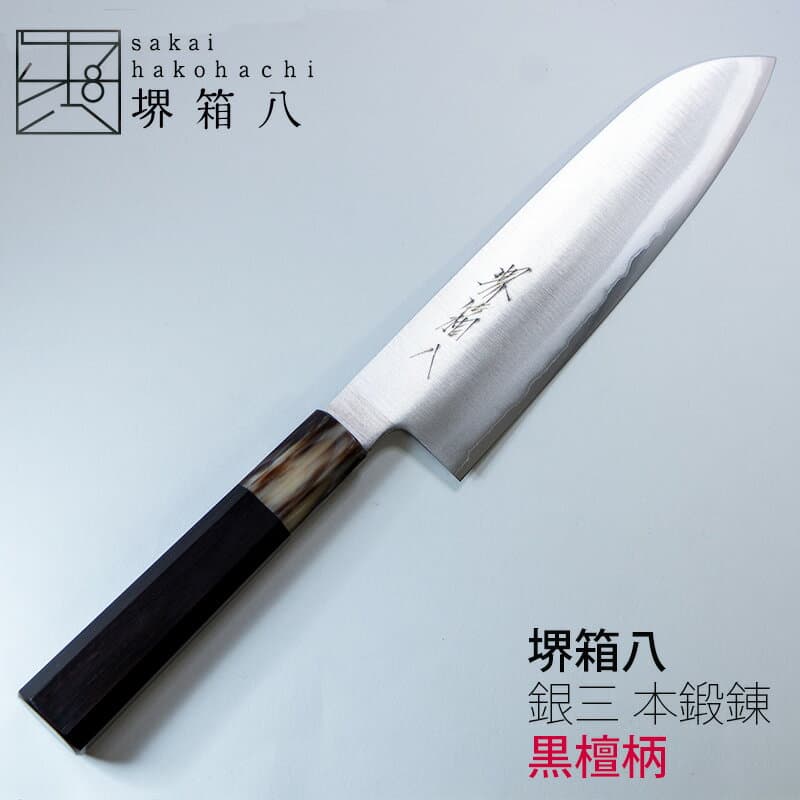
[名入れ印字可][プレゼント包装・のし無料]三徳包丁 文化包丁 万能包丁 ステンレス 170mm 堺箱八 銀三鋼 本鍛錬 銀紙3号 堺包丁 刃渡り17cm 堺刃物 堺打刃物
170mm Ginsan steel無垢材家具と工芸 箱屋の八代目
4.8 / 82 reviews
First time buying on Rakuten? How residents in Japan order →
All 5 listings of this product on Rakuten, lowest price first.
| Listing | Price | Shop | Reviews | Open listing |
|---|---|---|---|---|
Sakai Hakohachi AUS10 8-Layer Damascus Santoku Knife 17.5 cm blade, suminagashi finishLowest priceGift-ready | ¥27,280 | 無垢材家具と工芸 箱屋の八代目 | 4.7 / 56 reviews | View on Rakuten → |
Sakai Hakohachi 170mm Ginsan Stainless Santoku Knife 170mm Ginsan steelMost reviewedGift-ready | ¥27,500 | 無垢材家具と工芸 箱屋の八代目 | 4.8 / 82 reviews | View on Rakuten → |
Jikko Sakai Sashimi Knife 240mm, Ginsan steelGift-ready | ¥35,860 | 明治33年創業 本気の切味 實光包丁 | View on Rakuten → | |
Sakai Ichimonji Mitsuhide Blue Steel Hon-Kasumi Yanagiba Knife 300mmGift-ready | ¥46,400 | 堺刃物 堺一文字光秀の包丁専門店 | View on Rakuten → | |
Sakai Ichimonji Mitsuhide Blue No.1 Steel Pattern-Forged Deba Knife 210mm bladeGift-ready | ¥101,000 | 堺刃物 堺一文字光秀の包丁専門店 | View on Rakuten → |
Japanese · new tab
Sakai cutlery begins with a city map: workshops in Sakai-ku and Naka-ku, a federation office at Sakai Denshokan in Sakai-ku, and a festival venue at the Sakai City Industrial Promotion Center. The objects are equally concrete: cooking knives, yanagiba, deba, soba knives, large tuna knives, custom knives, seal-carving knives, flower shears, and garden shears. The actions give the place its texture: fire forging, steel cutting, forge welding, charcoal quenching, sharpening, handle fitting, inspection, name inscription, repair, and handle replacement. Around those actions, Sakai cutlery stays close to hands, kitchens, flowers, garden work, and tools that return for care after use.
The Sakai-ku addresses include Ashi Hamono Seisakusho in Namimatsu-cho, Inochu Hamono Seisakusho in Kitasho-cho, and Enami Hamono Seisakusho in Kuken-cho Nishi; Togashi Uchihamono Seisakusho sits in Fukai Hatakeyama-cho in Naka-ku. Nearby station names such as Shichido, Takasu-jinja, Sakai-higashi, Shinmei-cho, and Fukai tie the workshops to ordinary routes through Sakai City. The federation is based on the second floor of Sakai Denshokan in Zaimoku-cho Nishi and manages the Sakai forged-blade and Sakai cutlery names, giving the family a boundary rooted in workshops, an association facility, rail approaches, and a city event hall.
The kitchen is the clearest entry point. The workshop materials name cooking knives, yanagiba, deba, soba knives, household knives, knife sets, large tuna knives, custom knives, and seal-carving knives, each linked to a task such as slicing fish, cutting noodles, everyday cooking, carving seals, or working with a large fish body. The Sakai Cutlery Festival also places flower shears and garden shears beside kitchen knives. That range keeps the local name attached to practical cutting tools for food, flowers, and garden branches rather than to a single blade shape.
At Enami Hamono Seisakusho, visitors with reservations can watch fire forging in Japanese kitchen-knife production, bringing the heat and hammer work into view before the finished edge appears. The broader process includes steel cutting, forge welding, charcoal quenching, tempering, straightening, and blade edging, so the blade takes shape through repeated heating, joining, adjusting, and finishing. At the Sakai Cutlery Festival, old-style fire forging gives the word tradition a concrete meaning: visible fire work, steel, and hand sequence shown in front of visitors.
Ashi Hamono Seisakusho handles heat treatment, sharpening, handle fitting, and inspection in-house, using that sequence to keep cooking knives, custom knives, and seal-carving knives consistent. Inochu Hamono Seisakusho has Ino Chuichi demonstrate and guide Sakai knife sharpening, and its final-edge sharpening experience brings the stone angle and hand motion close to the viewer. The festival adds demonstrations of name inscription, kitchen-knife handle fitting, and ferrule insertion into wooden handles. Together, those steps turn a forged blade into a tool that can be held, guided, named, and brought back to a kitchen counter.
The work continues after a blade leaves the maker. Workshop visits include sharpening demonstrations and experiences, while the Sakai Cutlery Festival runs a tool clinic where visitors bring knives and shears for diagnosis, sharpening repair, and other repair work. The same event handles knife-handle replacement and collects knives that have reached the end of use for later blade memorial rites. These practices make the life of a tool visible: edges dull, wooden handles loosen, shears need adjustment, and repair lets a knife or pair of shears return to cooking, flower work, or garden work.
The Sakai Cutlery Festival is held in the event hall of the Sakai City Industrial Promotion Center and is organized by an executive committee that includes the federation and the industrial promotion center. In one venue, kitchen knives, flower shears, garden shears, name inscription, handle fitting, old-style forging, and sharpening repair appear together. Classes and demonstrations also bring use into the same frame: knife history, knife handling, sharpening, and fish preparation connect the public hall back to the forge, the sharpening stone, and the kitchen.
Sakai cutlery comes into focus through actions as much as objects: heating steel, joining metal, quenching with charcoal, sharpening on stones, fitting a handle, and repairing a worn edge. Across Sakai-ku, Naka-ku, Sakai Denshokan, and the Sakai City Industrial Promotion Center, the blades remain close to use: cutting fish, preparing noodles, carving seals, arranging flowers, trimming gardens, and returning to skilled hands for care.
Compiled from public records and official sources; see the recognition links below. Details may change over time.
Where this product is officially registered, designated, or recognized in Japan.
Regional collective trademark
Registered as a Regional Collective Trademark with the Japan Patent Office.
Sources1
It is written as 堺刃物 in Japanese. Search Rakuten and other Japanese sites with that spelling — the English name will not bring up the listings.
Sakai blades are rooted in Sakai City, Osaka, with workshops in Sakai-ku and Naka-ku and a federation office at Sakai Denshokan. They include cooking knives, yanagiba, deba, soba knives, large tuna knives, custom knives, seal-carving knives, flower shears, and garden shears. Processes include fire forging, steel cutting, forge welding, charcoal quenching, sharpening, handle fitting, inspection, and name inscription.
Documented processes include fire forging, steel cutting, forge welding, charcoal quenching, tempering, straightening, blade edging, sharpening, handle fitting, inspection, and name inscription. The Sakai Cutlery Festival includes kitchen knives, flower shears, garden shears, name inscription, handle fitting, old-style forging, and sharpening repair. Ashi Hamono Seisakusho handles heat treatment, sharpening, handle fitting, and inspection in-house, while Inochu Hamono Seisakusho demonstrates and teaches Sakai knife sharpening. The festival tool clinic diagnoses visitor knives and shears, handles sharpening repair and knife-handle replacement, and collects worn-out knives for later blade memorial rites.
Kitchen knives are used for household and professional cooking, including household santoku-style knives, deba knives, yanagiba knives, soba knives, tuna knives, and knife sets, and the festival includes knife use, sharpening, and fish preparation learning. Ikebana and gardening shears are presented for display and sale at the Sakai Cutlery Festival, and sharpening repair is available for shears. Workshops and the festival offer sharpening demonstrations and experiences, sharpening repair, handle replacement, and diagnosis of visitors' knives and shears.
Keep wood, bamboo, and lacquer out of prolonged soaking, dishwashers, and direct sun — wipe dry after use and let them air out in the shade. For metal and fabric goods, follow the care notes on the listing.
Most options are shelf-stable, boxed, and travel well, so they suit gifting or bringing home. Confirm the final storage and delivery terms on the Rakuten listing.
On Rakuten: the shops listed here right now are 堺刃物 堺一文字光秀の包丁専門店, 明治33年創業 本気の切味 實光包丁, 無垢材家具と工芸 箱屋の八代目. We don't sell directly; purchase, payment, stock, and delivery are all handled on the Rakuten product page.