 3 images
Echigo-Sanjo Uchihamono Mizuno Seisakusho All-Steel Bakin Axe
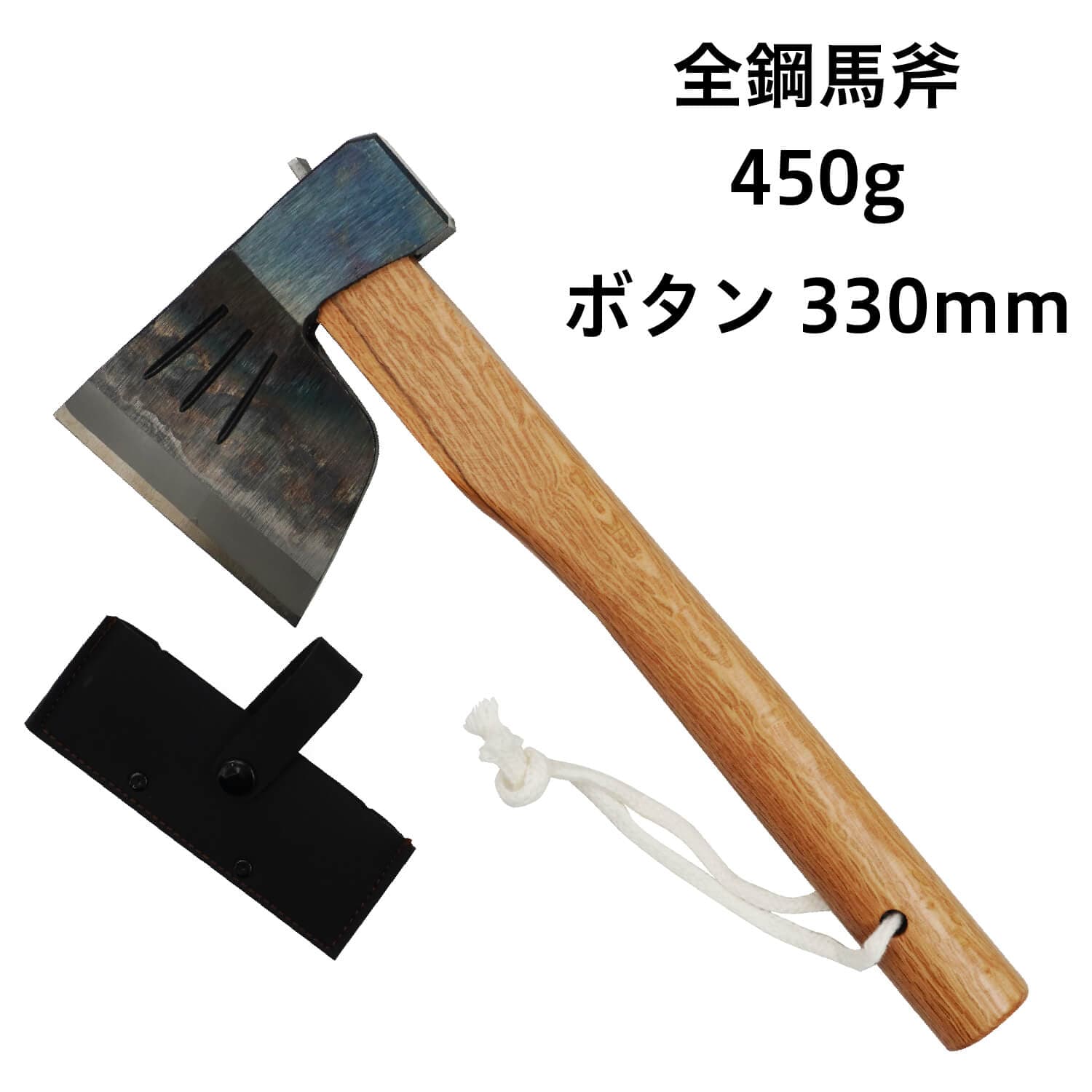
【010-016】越後三条打刃物 水野製作所作全鋼馬斧(バキン)450gボタン330mm サック入焚付が楽に作れます【頑張って送料無料!】
450g head, 330mm botan handle, with sheath村の鍛冶屋
4.6 / 71 reviews
Japanese name越後三条打刃物
In Sanjo City, Niigata, Echigo Sanjo Uchihamono runs from sickles, hoes, and Japanese nails to kitchen knives, planes, chisels, shears, and axes shaped by furnace heat, hammer work, forge welding, quenching, and hand finishing.
Information last updated 120 days ago
3 images【010-016】越後三条打刃物 水野製作所作全鋼馬斧(バキン)450gボタン330mm サック入焚付が楽に作れます【頑張って送料無料!】
450g head, 330mm botan handle, with sheath村の鍛冶屋
4.6 / 71 reviews
 3 images
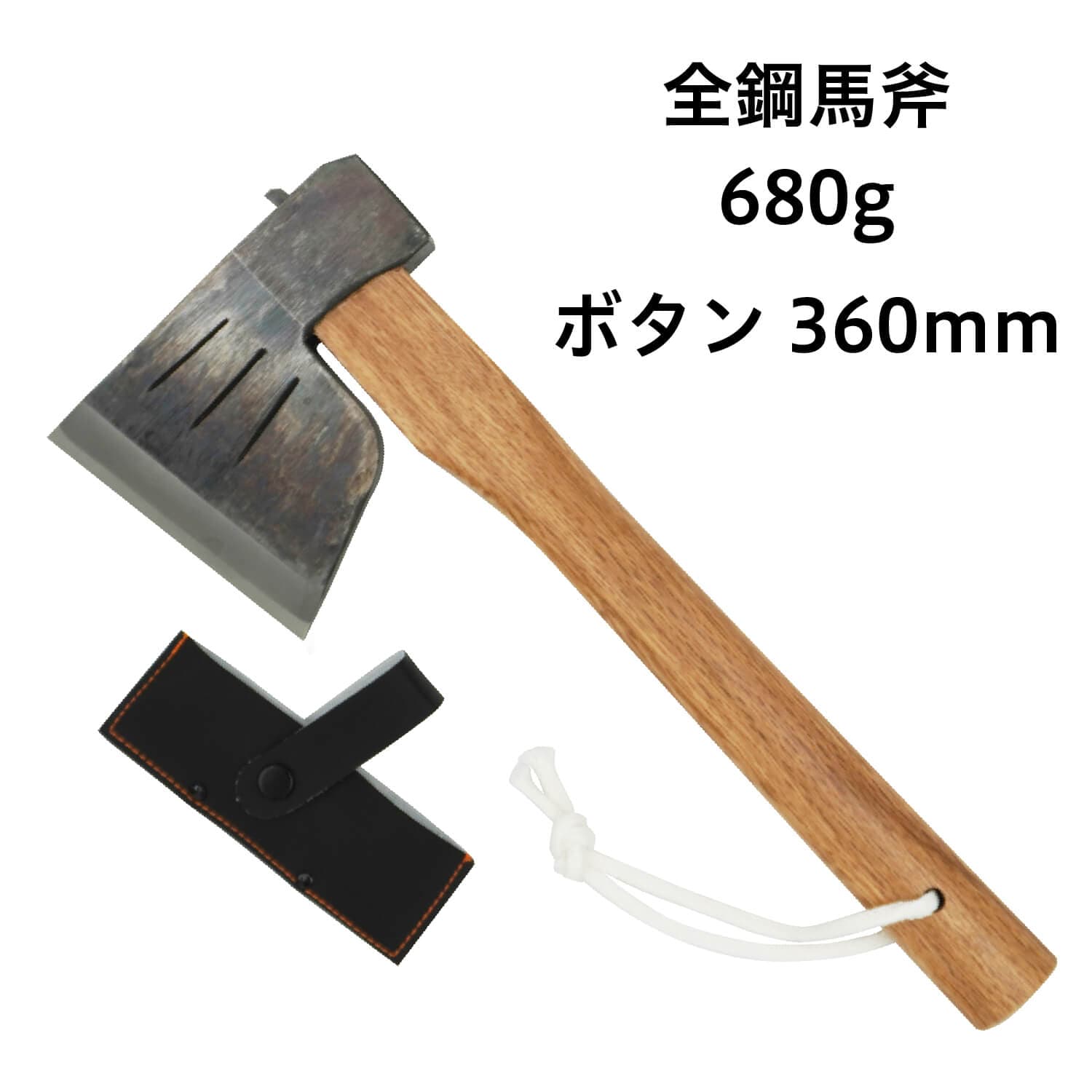
【010-017】越後三条打刃物 水野製作所作全鋼馬斧(バキン)680gボタン360mm サック入焚付が楽に作れます【頑張って送料無料!】
680g head, 360mm buttonwood handle, with sheath村の鍛冶屋
4.7 / 23 reviews
 3 images
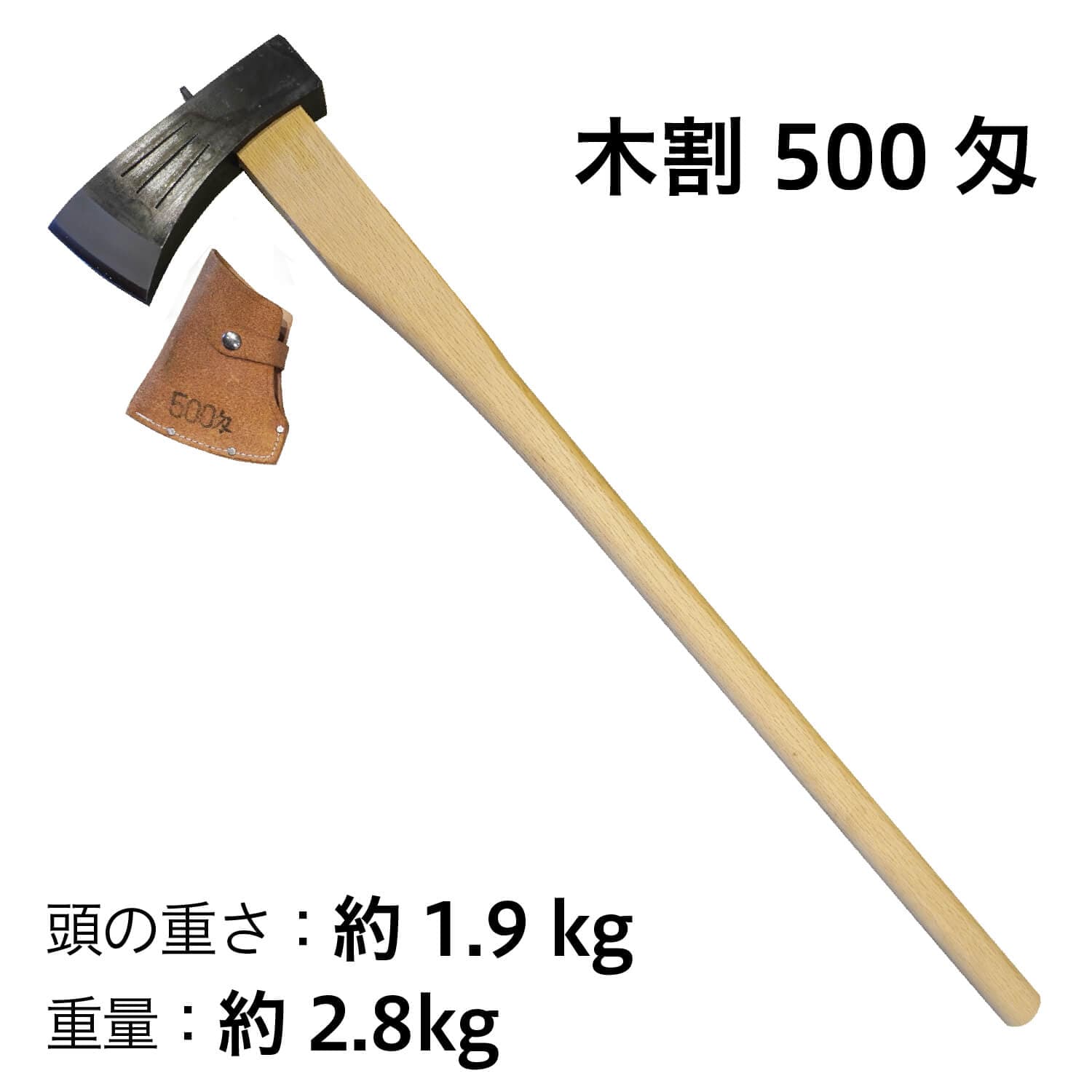
【010-034】越後三条打刃物 水野製作所作木割500匁1.9kg白樫900mm サック入振り下ろすだけで真っ二つ!余計な力は不要です【頑張って送料無料!】
500 monme, 1.9 kg head, 900 mm white oak handle, with sack村の鍛冶屋
4.5 / 20 reviews
First time buying on Rakuten? How residents in Japan order →
Echigo Sanjo Uchihamono belongs to Sanjo City in Niigata Prefecture. The family includes kitchen knives, kiridashi knives, planes, chisels, hatchets, axes, sickles, pruning shears, yattoko tongs, and Japanese nails, so its world reaches fields, workshops, buildings, and kitchens. Its character sits in iron, carbon steel, wooden handles, furnace heat, hammering, forge welding, hand sharpening, and forms shaped for particular uses.
The main production area for Echigo Sanjo Uchihamono is Sanjo City, and the craft is grouped as Niigata metalwork. Its named products move across many kinds of work: kitchen knives and kiridashi knives for cutting, planes and chisels for carpentry, hatchets, axes, sickles, and pruning shears for outdoor and agricultural tasks, and yattoko tongs and Japanese nails for the blacksmithing and building world. The material boundary is practical and plain: iron, or iron with carbon steel, with wooden handles used for the grips.
Sanjo City links blacksmith activity to the name Kajimachi in an early Edo-period cadastral book. Around Sanjo, new-field development in the first half of the Edo period increased the need for farm tools such as sickles and hoes. Niigata Prefecture also connects the formation of the production area to Japanese nail making as off-season work for farming households, before the range grew into knives, planes, chisels, and wooden shears. The continuity is concrete: fields needed blades, farm households made nails, and blacksmiths gathered in a named town area.
Sanjo blades widened through movement along the Shinano River. River transport helped commerce grow, brought exchange with production areas such as Aizu, and connected Sanjo goods with consumer regions including Kanto through metalware merchants. That movement made room for carpentry tools such as chisels and planes, along with kitchen knives and kiridashi knives. By the end of the Edo period, Sanjo Japanese nails had become a major production base supporting construction in Edo, giving a small forged object a clear place in urban building work.
The making begins with heat. Iron, or iron with carbon steel, is heated in a furnace and then stretched or spread by hammering through free forging. Blade steel is made by heating iron and carbon steel and forge-welding them by hammer work. After shaping come hand processes such as blade setting, sharpening, and finishing; for some kitchen knives, kiridashi knives, planes, hatchets, and sickles, the quench uses mud coating followed by rapid cooling. The tool family is described through handling ease, lasting sharpness, and durability for long use because forms and materials are specialized by use field.
Within the same family, each object keeps its own making detail. Japanese nails receive ridgelines. Pruning shears are color-finished before quenching by rubbing the heated surface with a silk rod or a cloth rod of equivalent material. Axes are joined by attaching the head, body, and body-edge steel at the same time. A nail, a shear, and an axe all belong to Sanjo blade work, while each answers a different grip, force, edge, and use.
Sanjo Kajidojo gives the craft a visible public doorway. The facility runs daily experiences such as Japanese nail making and kitchen-knife sharpening, and it offers blade-making courses guided by working blacksmiths throughout the year. Niigata Prefecture also describes an annual practice in which more than 800 pupils from 20 elementary schools in Sanjo take part in Japanese nail making. The 2009 traditional craft designation matters here as context for Sanjo City, the Echigo Sanjo blacksmith community, free forging, and the range of everyday tools still tied to the place.
Echigo Sanjo Uchihamono is easiest to understand through objects held in the hand: a sickle and hoe for fields, a plane and chisel for wood, a kitchen knife for food preparation, a Japanese nail for building, and yattoko tongs beside the furnace. In Sanjo City, iron, carbon steel, wooden handles, hammering, quenching, sharpening, and finishing connect those different tools into one local craft family.
Compiled from public records and official sources; see the recognition links below. Details may change over time.
Where this product is officially registered, designated, or recognized in Japan.
Traditional craft
Designated a Traditional Craft (dentō kōgeihin) by Japan's Ministry of Economy, Trade and Industry.
Sources1
It is written as 越後三条打刃物 in Japanese. Search Rakuten and other Japanese sites with that spelling — the English name will not bring up the listings.
Echigo Sanjo forged blades are a family of ironwork centered in Sanjo City, Niigata, covering kitchen knives, farm tools, and carpentry tools along with Japanese nails. The craft grew from early Edo-period blacksmithing in Kajimachi, farm tool making tied to new-field development, off-season nail making, and trade along the Shinano River with metalware merchants. Blades use iron or iron with carbon steel, wooden handles, and processes such as furnace heating, forging, forge welding, mud-coated quenching, and hand finishing.
The product family includes kitchen knives, kiridashi knives, planes, chisels, hatchets, axes, sickles, pruning shears, yattoko tongs, and Japanese nails. An early Edo-period cadastral book already records the name Kajimachi in Sanjo City. Japanese nail making by farming households in the off-season helped form the production area. Shinano River transport, exchange with areas such as Aizu, and metalware merchants helped Sanjo tools expand into carpentry tools, kitchen knives, and kiridashi knives.
Kitchen knives are used for cooking and food preparation, designed for ease of handling, lasting sharpness, and durability. Sickles, pruning shears, hand axes, garden tools, transplanting trowels, and cultivating forks are used for agricultural and gardening work. Chisels, planes, yattoko tongs, and Japanese nails are used in carpentry and building work; by the end of the Edo period, Sanjo Japanese nails had become a major production supporting construction in Edo.
Keep wood, bamboo, and lacquer out of prolonged soaking, dishwashers, and direct sun — wipe dry after use and let them air out in the shade. For metal and fabric goods, follow the care notes on the listing.
Most options are shelf-stable, boxed, and travel well, so they suit gifting or bringing home. Confirm the final storage and delivery terms on the Rakuten listing.
On Rakuten: the shops listed here right now are 村の鍛冶屋. We don't sell directly; purchase, payment, stock, and delivery are all handled on the Rakuten product page.