 3 images
Niigata Local Goods Guide
新潟県
Niigata is indexed here as a practical buying guide for travelers and foreign residents in Japan. Start with packable gifts, then compare table goods, quiet luxuries, and crafted objects when you need a stronger sense of place.
20Local selections
What Niigata is known for
The 8 products below are what Niigata is known for, ordered by how strongly each is rooted in the prefecture — what it is, and why it comes from here.
Echigo Sanjo forged bladesHome & living
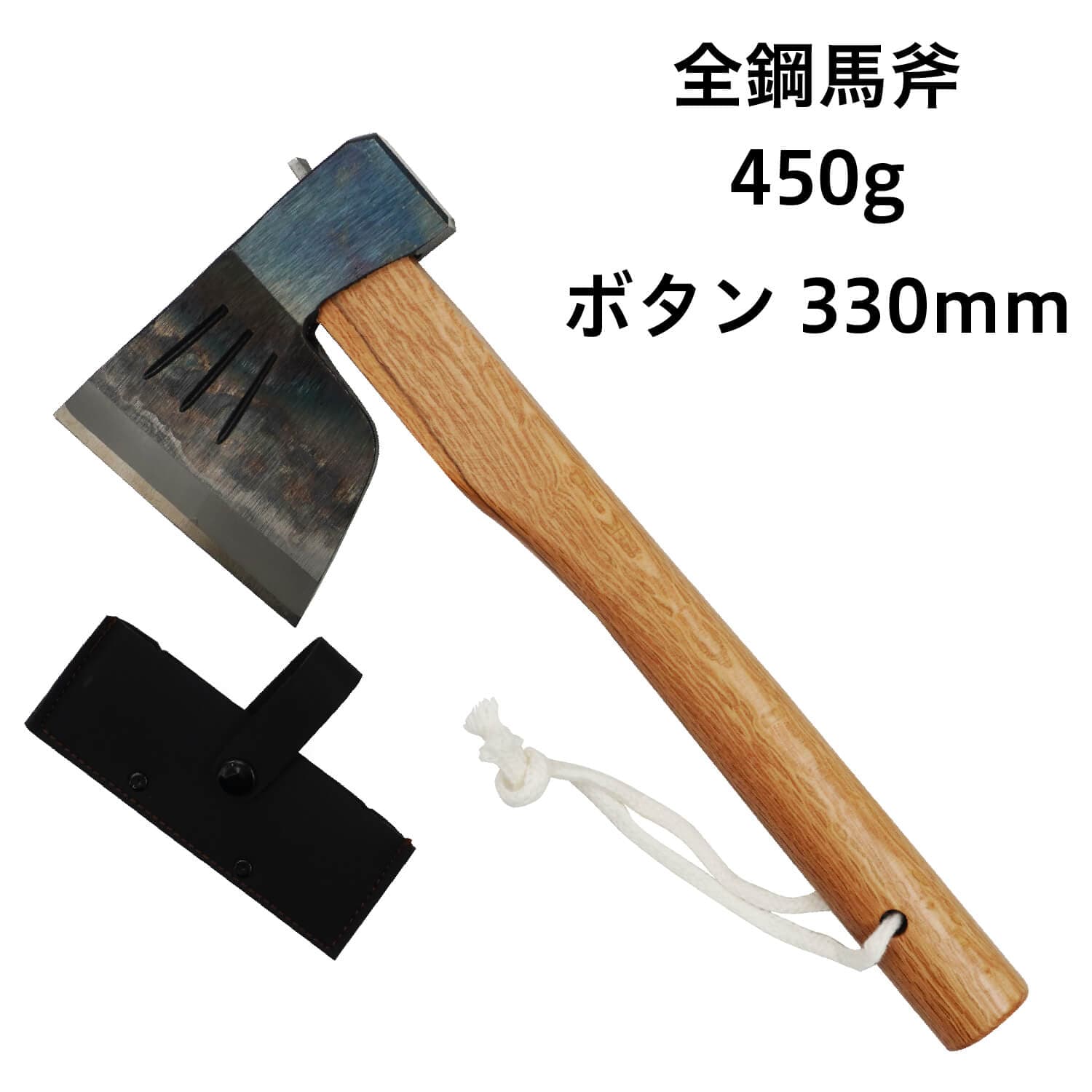
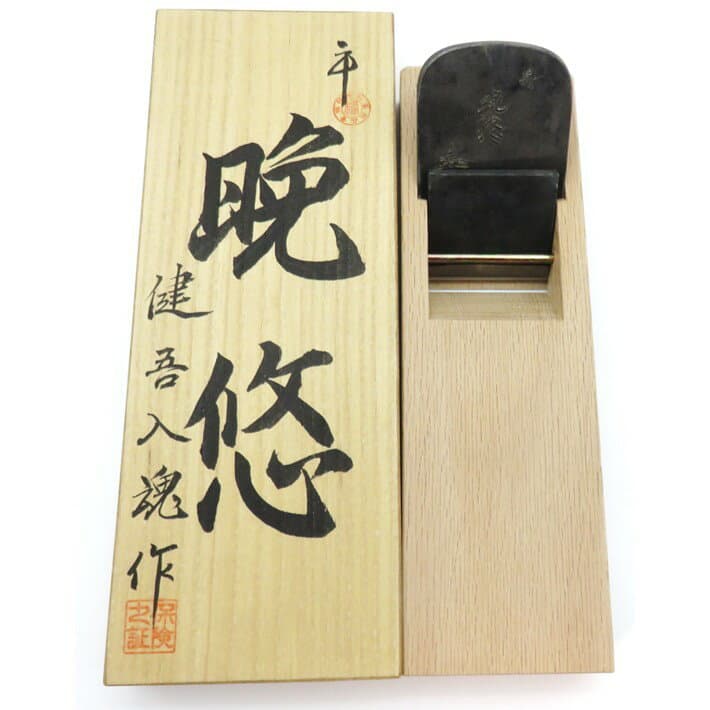
In Sanjo City, Niigata, Echigo Sanjo Uchihamono runs from sickles, hoes, and Japanese nails to kitchen knives, planes, chisels, shears, and axes shaped by furnace heat, hammer work, forge welding, quenching, and hand finishing.
Echigo Yoita forged bladesHome & living
Echigo Yoita forged blades center on chisels, planes, masakari axes, and chouna adzes, carrying iron, carbon steel, mud quenching, hand sharpening, and woodworking use into one regional tool family.
Tsubame tsuiki copperwareTableware
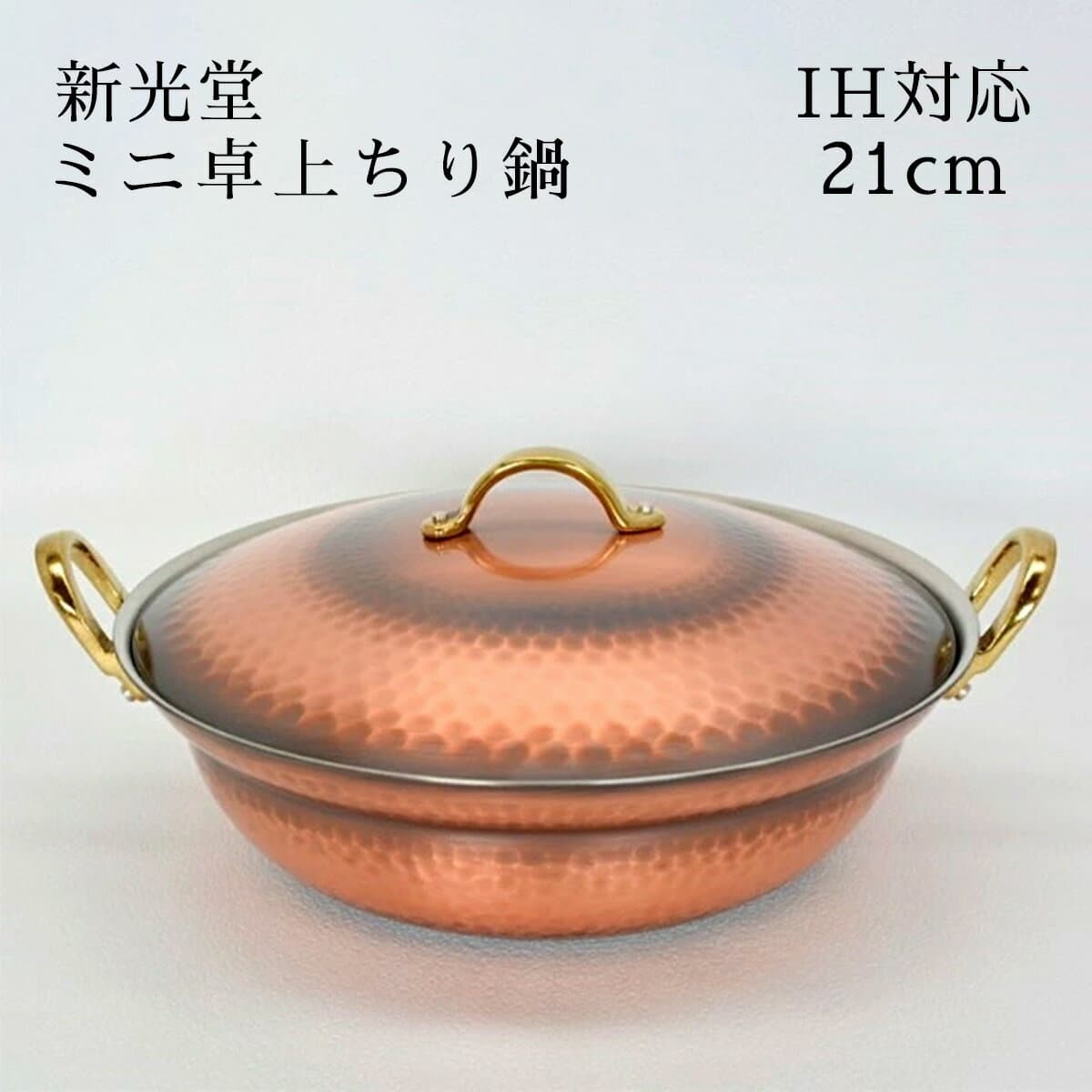
In Tsubame, Niigata, one copper sheet passes through mallets, torikuchi tools, annealing, hammer marks, and color liquids before becoming a kettle, teapot, pan, cup, or desk object.
Murakami kibori tsuishuTableware
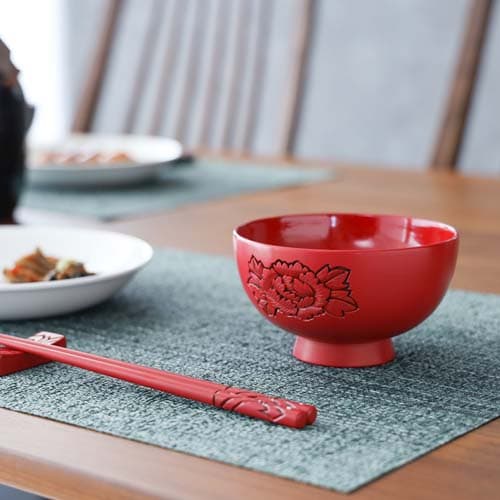
In Murakami City in northern Niigata, magnolia, horse chestnut, and katsura wood are carved with flowers, birds, rivers, seas, and rocks, then coated with natural lacquer so the cut lines remain visible beneath a quiet red surface.
Echigo misoRegional foods
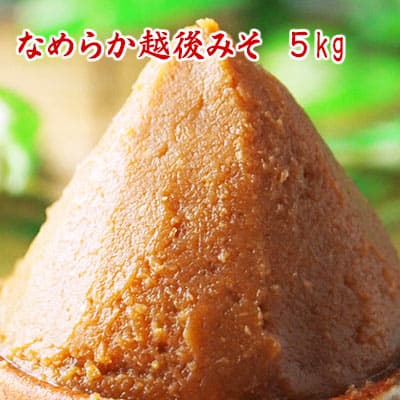
From Joetsu bowls dotted with floating rice-koji husks to Sado barrels with deeper red aroma, Echigo miso ties Niigata rice, soybeans, moderate cold, castle towns, and farmhouse brewing into one local food.
Niigata lacquerwareTableware
From Furumachi’s wandana district to an Iwamuro Onsen workshop, Niigata lacquerware carries its character through nishiki-nuri, take-nuri, trays, tea caddies, and chopsticks made for daily use.
Ojiya tsumugiTextiles
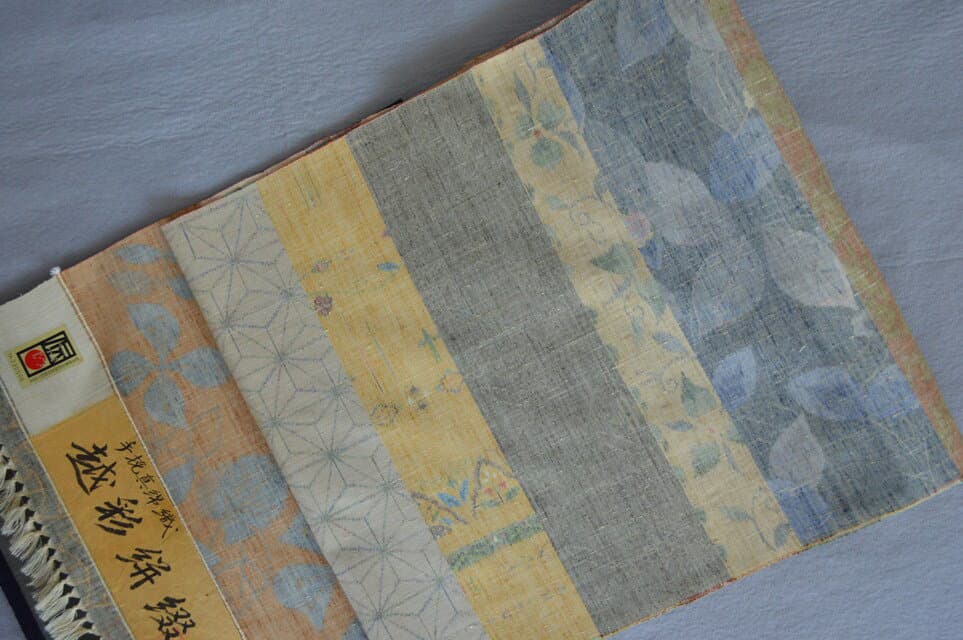
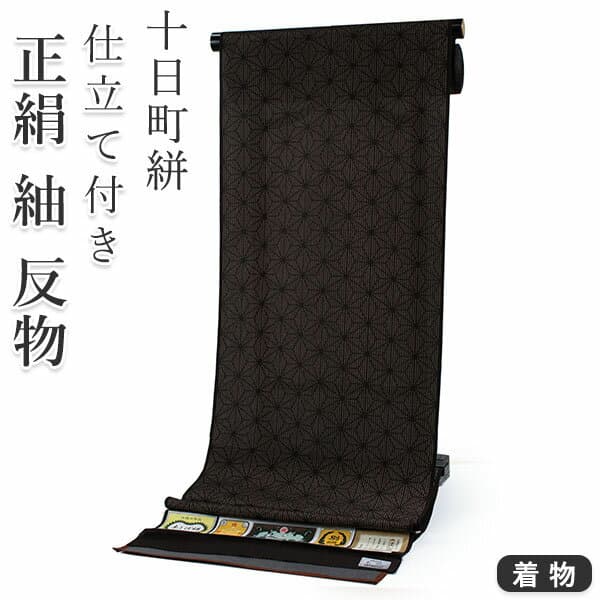
In Niigata’s Ojiya textile area, tama-ito and hand-spun mawata yarn pass through koba rulers, ink marks, and weft kasuri alignment to become a light, warm silk cloth.
Ojiya chijimiTextiles
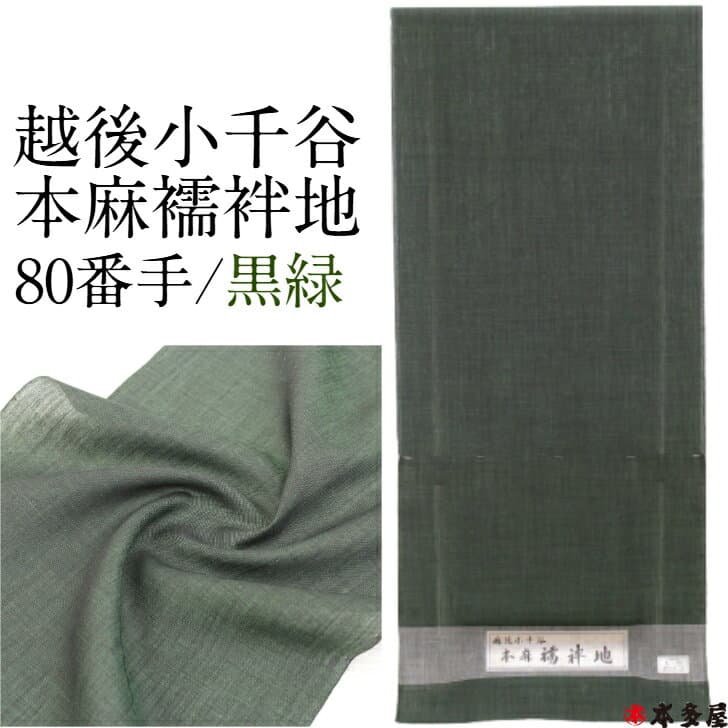
In Niigata’s Ojiya-Uonuma textile area, strongly twisted ramie weft, warm-water finishing, kasuri alignment, and snow bleaching give Ojiya-chijimi its dry summer touch.
Regional Gifts
Packable foods and gifts with clear regional character.

Table & Tea
Tea, drinks, foods, and table pieces shaped by local taste.


Daily Rituals
Home goods and textiles that turn everyday use into a local ritual.
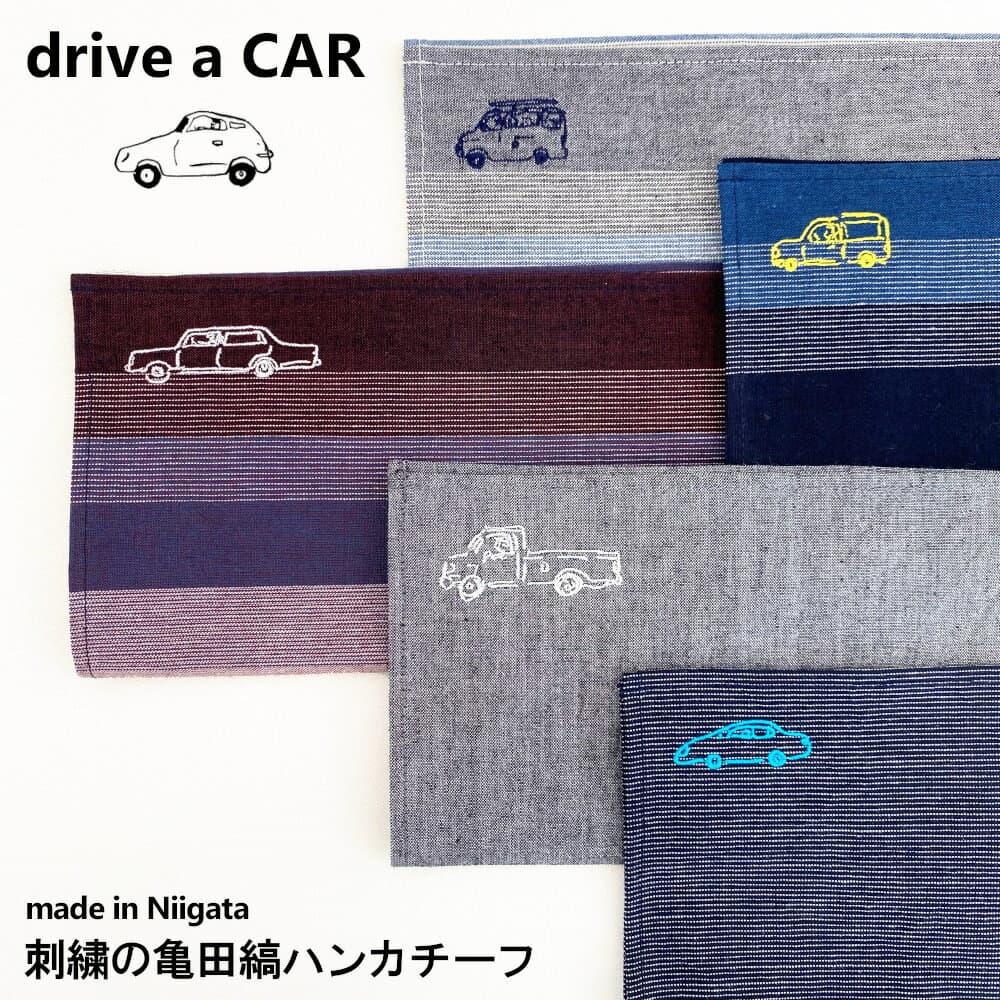

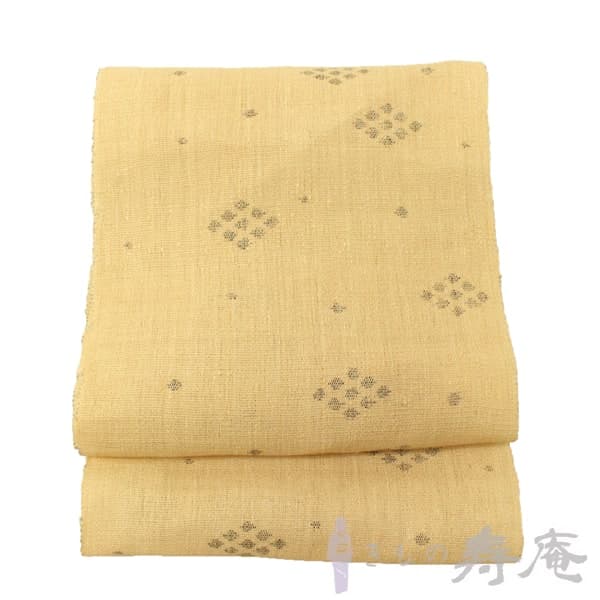



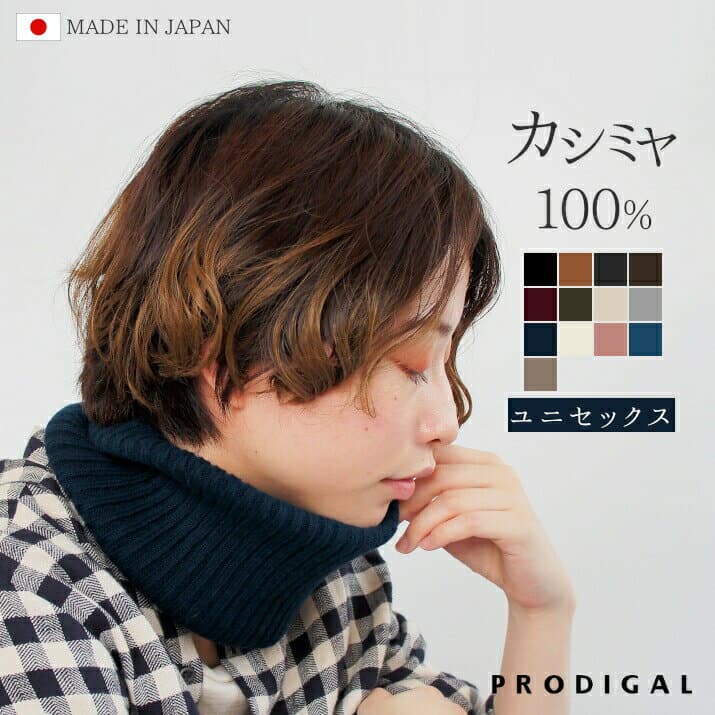
Niigata's specialties by category
How the same thing is made elsewhere, and what differs: the category overviews start here.
Start with type, not region: white miso is sweet and short-aged, red miso is salty and long-aged, bean miso is soybeans and salt only.
Everyday Japanese tools, each tied to a named craft region and still made for use.
Earthenware or porcelain first, then the surface: unglazed like Bizen, glazed like Hagi, or painted like Kutani.
Type before region: knives by shape and bevel, sickles by job, and whether the blade was forged or stamped.
Woven or dyed first: tsumugi, kasuri and chijimi weave dyed yarn; yuzen, komon and bingata dye white cloth.
FAQ
What is Niigata known for?
Niigata (Chubu) is represented here by specialties such as Echigo Sanjo forged blades, Echigo Yoita forged blades, Tsubame tsuiki copperware — each verified against official registries and matched to Rakuten listings.
Are Niigata souvenirs good to bring home?
Many Niigata picks — Echigo Sanjo forged blades, Echigo Yoita forged blades, Tsubame tsuiki copperware among them — are shelf-stable foods and crafts that travel well; for temperature- or fragility-sensitive items, confirm delivery and packaging on the Rakuten listing.
Are these products sold directly by this site?
No. This site curates Rakuten listings and may earn affiliate revenue from links to Rakuten.
How are products selected?
Listings are filtered for local relevance, product images, availability, and review strength.
Related prefecture guides
Toyama
Toyama is a useful regional guide for distinctive local specialties.
Ishikawa
Ishikawa is a useful regional guide for distinctive local specialties.
Fukui
Fukui is a useful regional guide for distinctive local specialties.
Yamanashi
Yamanashi is a useful regional guide for distinctive local specialties.