 3 images
Ojiya Tsumugi Pure Silk Kimono Fabric Bolt
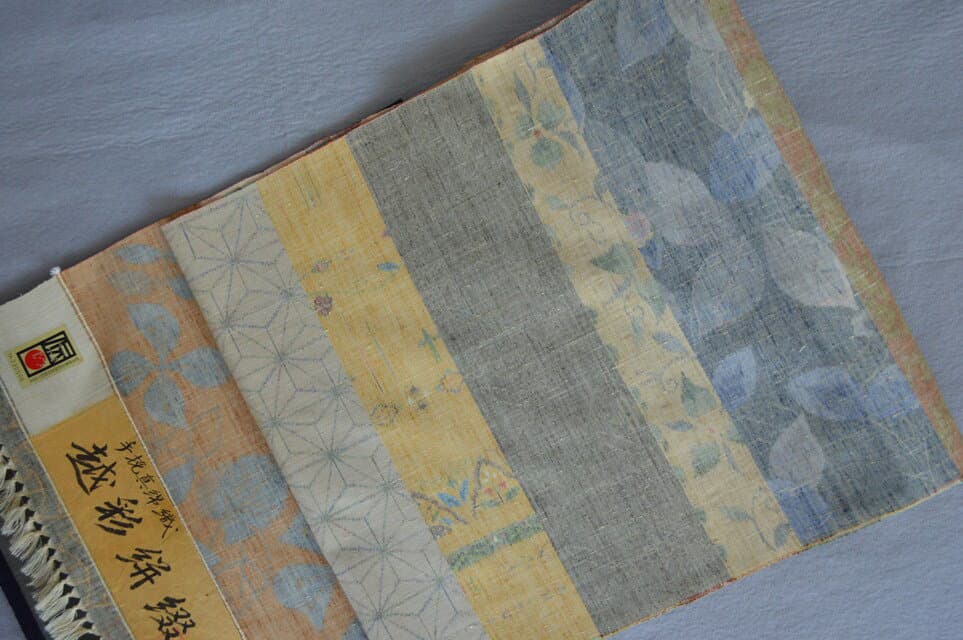
着物 着尺小千谷紬越彩絣綴・手挽真綿織正絹紬・多彩横段/おしゃれきもの送料無料
multicolor horizontal kasuri stripesつむぎ屋
Japanese name小千谷紬
In Niigata’s Ojiya textile area, tama-ito and hand-spun mawata yarn pass through koba rulers, ink marks, and weft kasuri alignment to become a light, warm silk cloth.
Information last updated 120 days ago
3 images着物 着尺小千谷紬越彩絣綴・手挽真綿織正絹紬・多彩横段/おしゃれきもの送料無料
multicolor horizontal kasuri stripesつむぎ屋
 3 images
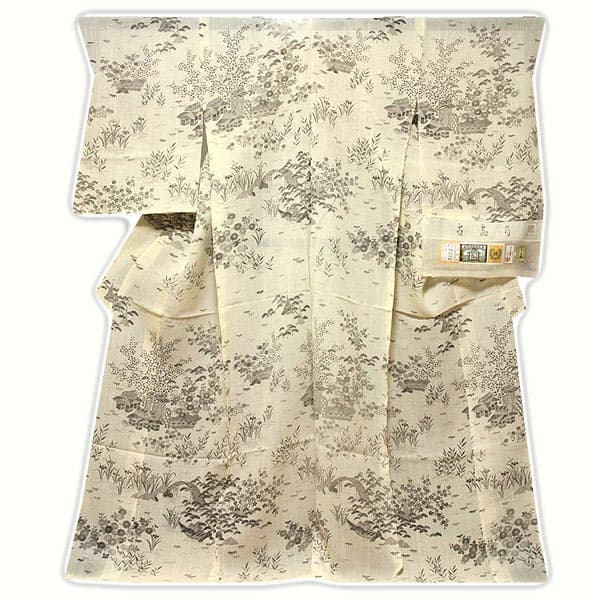
「本場小千谷紬 古志乃」 大新織物 茶屋辻之図 夏物 訪問着
unstitched, ecru和あそび 京水月
First time buying on Rakuten? How residents in Japan order →
Ojiya Tsumugi belongs to the textile world of Ojiya in Niigata, where accounts of local weaving often move from Echigo hemp cloth to Ojiya Chijimi and then to silk tsumugi. The cloth adapts Chijimi techniques to silk, using tama-ito and hand-spun mawata yarn to create a surface known for silk lustre, a soft hand, and light warmth. It appears as kimono yardage, while craft descriptions also connect it with interior textiles.
Ojiya Tsumugi takes its name from Ojiya, a city in Niigata tied to a wider weaving area that descriptions place around Ojiya, Nagaoka, and Tokamachi, while another regional account highlights Ojiya and Nagaoka. The local sequence matters: Echigo hemp cloth came first, Ojiya Chijimi developed in the early Edo period, and Ojiya Tsumugi began in the mid-Edo period by applying Chijimi techniques to silk. The cultural setting is therefore concrete: named towns, hemp cloth, Chijimi, silk yarn, and weaving workshops rather than a vague regional mood.
The silk tsumugi line began in the mid-Edo period, and older forms included stripes, kasuri, plain cloth, and white tsumugi. A craft account adds that full-scale tsumugi production began in the early Showa period after improvements to tsumugi yarn shaped the basis of the present cloth. Its 1975 traditional-craft recognition is best read through the making rules it points to: pre-dyed plain weave, kasuri yarn, hand alignment, and the use of tama-ito or hand-spun mawata yarn.
The warp uses tama-ito or hand-spun mawata yarn, and the weft uses hand-spun mawata yarn. Those material choices help explain the cloth’s quiet silk sheen, soft touch, lightness, and warmth. Ojiya Chijimi is described through hemp and a cool feel, while Ojiya Tsumugi is described through silk, soft hand, and plain warmth; the difference rests in named fibers and tactile qualities, not in a broad claim about superiority.
The kasuri pattern starts before the loom. Makers prepare the design and rulers, transfer the pattern onto grooved boards or paper, then move it onto stacked thin plates called koba rulers; each ruler fixes where color should enter a length of weft. Ink marks guide the yarn, dye is applied by hand tying or hand rubbing, and the weaving depends on matching kasuri and edge marks so the weft pattern appears in the plain-weave cloth.
Ojiya Tsumugi is listed as silk kimono yardage and is also described in casual kimono contexts for light outings or at-home wear; another craft overview names indoor interiors among its main products. In Ojiya, the textile cooperative’s Ori-no-za gallery on the first floor of Sun Plaza displays weaving tools and explanations of local techniques, and visitors can try short weaving on a small loom, bringing the rulers, yarn, and loom work back into view.
The strength of Ojiya Tsumugi lies in specific things: Ojiya’s snow-country textile setting, tama-ito and hand-spun mawata yarn, inked weft marks on koba rulers, and the steady matching of edge marks at the loom. From the mid-Edo adaptation of Chijimi techniques to early Showa yarn improvements and present uses in kimono and interiors, the cloth keeps a clear silk path beside Ojiya’s better-known hemp Chijimi.
Compiled from public records and official sources; see the recognition links below. Details may change over time.
Where this product is officially registered, designated, or recognized in Japan.
It is written as 小千谷紬 in Japanese. Search Rakuten and other Japanese sites with that spelling — the English name will not bring up the listings.
Ojiya Tsumugi is a silk tsumugi textile woven in the Ojiya area of Niigata, created by adapting Ojiya Chijimi weaving techniques to silk. Weavers use tama-ito and hand-spun mawata yarn, dyeing kasuri patterns by hand before weaving them into a pre-dyed plain weave. The finished cloth has a silk lustre, a soft hand, and light warmth, and is used mainly for kimono yardage.
Production began in the mid-Edo period, with full-scale output developing in the early Showa period after improvements to tsumugi yarn. Descriptions of the production area differ: some name Ojiya, Nagaoka, and Tokamachi, while another names only Ojiya and Nagaoka. It is a pre-dyed, plain-weave kasuri textile, with kasuri yarn used in the weft alone or in both the warp and weft. The warp can be tama-ito or hand-spun mawata, while the weft is always hand-spun mawata.
As kimono yardage, the cloth is worn for light outings and at-home dress, valued for its softness and durability. It is also used for interior textiles. At Ori-no-za in Ojiya, visitors can see the weaving tools and technique explanations and try weaving briefly on a small loom.
Naturally dyed textiles shed some colour on first wash. Hand-wash separately with a neutral detergent, avoid long soaking and bleach, and dry in the shade to prevent fading. Silk, ramie, and traditionally dyed pieces often need professional cleaning — the care label on the listing takes precedence.
Most options are shelf-stable, boxed, and travel well, so they suit gifting or bringing home. Confirm the final storage and delivery terms on the Rakuten listing.
On Rakuten: the shops listed here right now are つむぎ屋, 和あそび 京水月. We don't sell directly; purchase, payment, stock, and delivery are all handled on the Rakuten product page.