 3 images
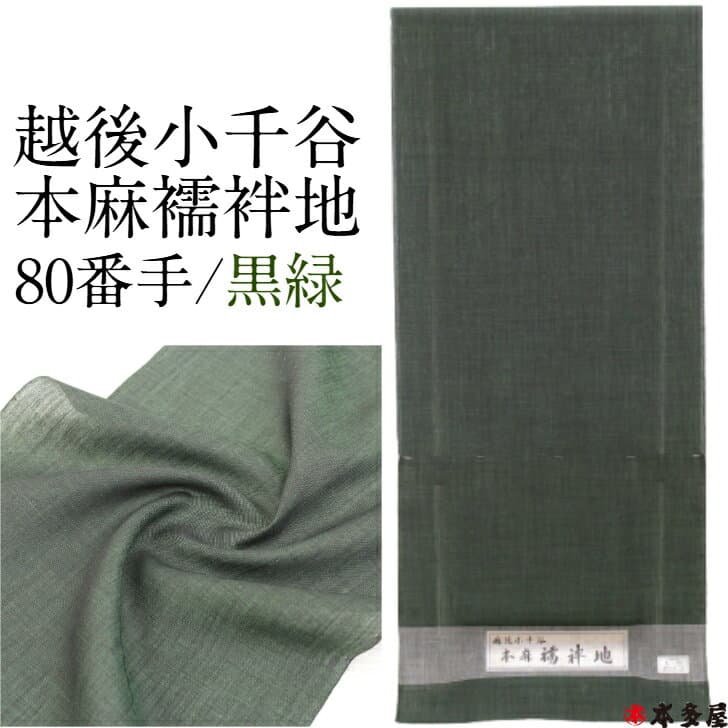
Ojiya Hon-asa Juban Fabric Bolt
小千谷本麻襦袢地 麻長襦袢 麻襦袢 生地 反物 80番手 麻100% 限定色 レア色 レアカラー 黒緑 ブラックグリーン 数量限定カラー 長襦袢 新潟 越後 日本製 麻反物 麻生地 小千谷縮 無地 ロング 広幅 長尺 男女兼用 薄手 着尺 着物 きもの ランキング
80-count black green, approx. 40cm x 12mきもの 本多屋 楽天市場店
5.0 / 1 reviews
Japanese name小千谷縮
In Niigata’s Ojiya-Uonuma textile area, strongly twisted ramie weft, warm-water finishing, kasuri alignment, and snow bleaching give Ojiya-chijimi its dry summer touch.
Information last updated yesterday
3 images小千谷本麻襦袢地 麻長襦袢 麻襦袢 生地 反物 80番手 麻100% 限定色 レア色 レアカラー 黒緑 ブラックグリーン 数量限定カラー 長襦袢 新潟 越後 日本製 麻反物 麻生地 小千谷縮 無地 ロング 広幅 長尺 男女兼用 薄手 着尺 着物 きもの ランキング
80-count black green, approx. 40cm x 12mきもの 本多屋 楽天市場店
5.0 / 1 reviews
 3 images
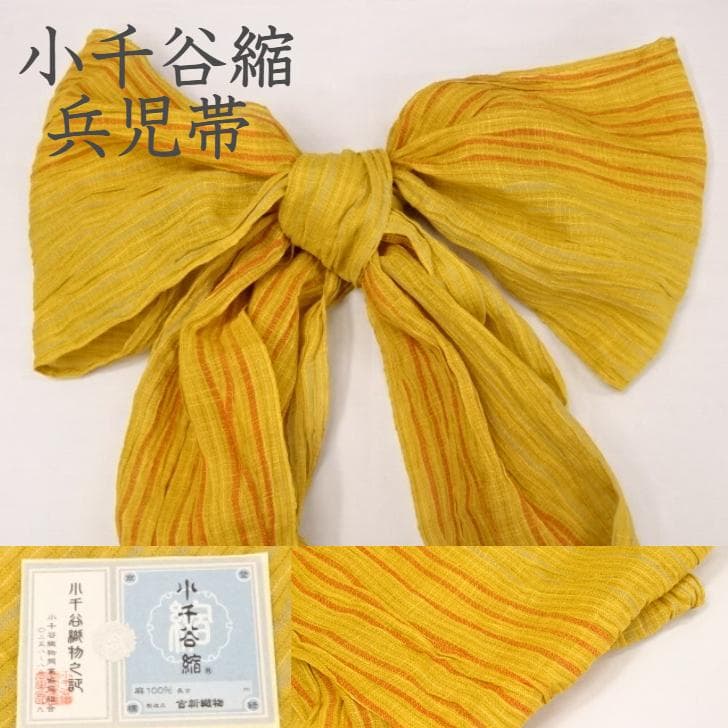
大人 兵児帯 本物志向 古典山吹 橙 レトロイエロー オレンジ 先染め糸使用 縞模様 小千谷縮 兵児帯 麻帯 新潟県 吉新織物 小千谷織物之証 男女兼用 フリーサイズ 素材 麻100% 長さ 約4m 帯幅 約35cm 着物 浴衣 きもの ゆかた ランキング
retro yellow & orange stripeきもの 本多屋 楽天市場店
5.0 / 1 reviews
 3 images
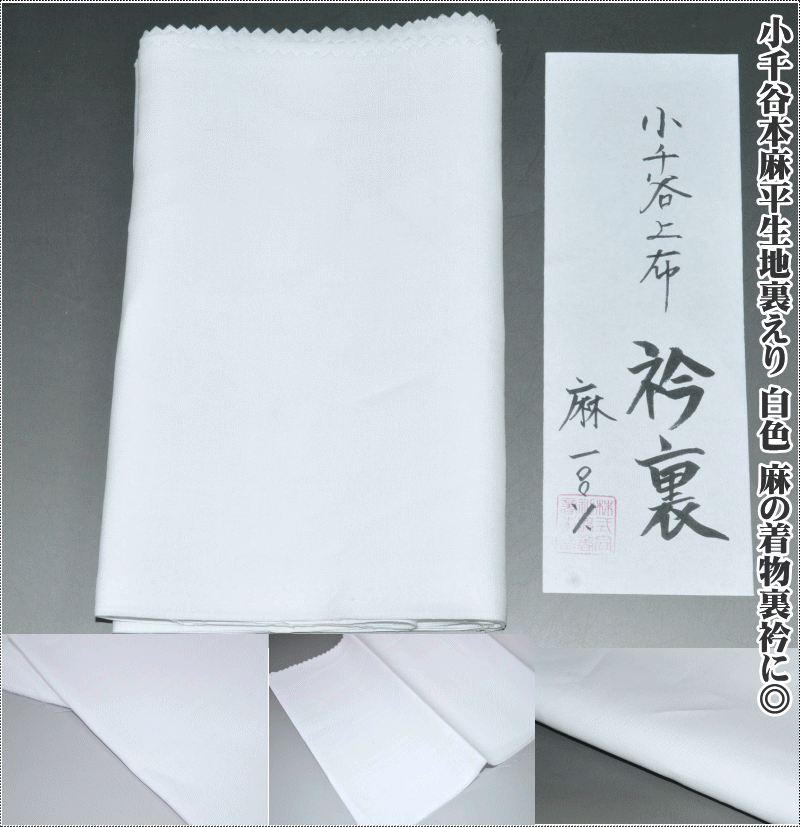
小千谷本麻平生地裏えり No.035 経糸100番手・緯糸100番手 白色 麻の着物裏衿に◎ 全長約210cm×20cm 小千谷縮のキモノに相性がいい裏衿 【キモノ仙臺屋の和装小物特集】裏襟 うらえり 裏衿 襟うら 衿うら 襟裏 襟うら えりうら
No.035 white, approx. 210 x 20 cmキモノ 仙臺屋 本店
5.0 / 4 reviews
 3 images
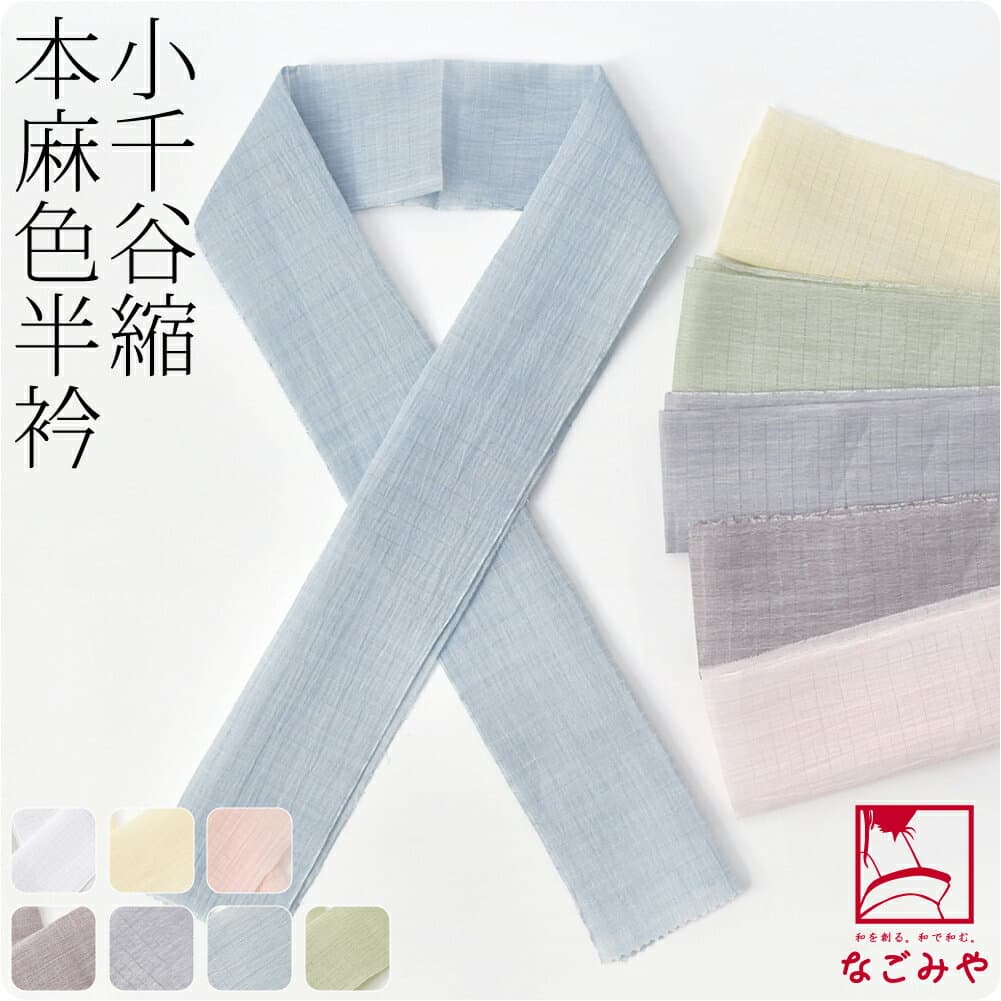
\まとめ割★終了間近/ ★4.5【ランキング1位受賞】 洗える 半衿 カラー 半襟 薄物用 夏用 日本製 小千谷縮 本麻 色半衿 着物全般用 麻 おしゃれ 女性
approx. 106 x 16 cm着物なごみや
4.6 / 99 reviews
First time buying on Rakuten? How residents in Japan order →
All 4 listings of this product on Rakuten, lowest price first.
| Listing | Price | Shop | Reviews | Open listing |
|---|---|---|---|---|
Ojiya Chijimi Ramie Kimono Half Collar approx. 106 x 16 cmLowest priceMost reviewed | ¥3,380 | 着物なごみや | 4.6 / 99 reviews | View on Rakuten → |
Ojiya Pure Hemp Kimono Collar Lining No.035 white, approx. 210 x 20 cm | ¥4,950 | キモノ 仙臺屋 本店 | 5.0 / 4 reviews | View on Rakuten → |
Yoshishin Orimono Ojiya Chijimi Linen Heko Obi retro yellow & orange stripe | ¥37,400 | きもの 本多屋 楽天市場店 | 5.0 / 1 reviews | View on Rakuten → |
Ojiya Hon-asa Juban Fabric Bolt 80-count black green, approx. 40cm x 12m | ¥55,000 | きもの 本多屋 楽天市場店 | 5.0 / 1 reviews | View on Rakuten → |
Japanese · new tab
Ojiya-chijimi belongs to the ramie hemp textiles made mainly from Ojiya to Uonuma in Niigata. Within this textile family, cloth with the distinctive shibo crinkle is called Ojiya-chijimi, while the plain-woven cloth is Echigo-jofu. Its dry summer touch comes from ramie, strongly twisted weft, warm-water rubbing, kasuri work, and in the older technique, snow bleaching. Echigo asa cloth appears by name in the early tenth-century Engishiki, and early Edo-period improvements turned that older hemp cloth toward Ojiya-chijimi.
The place behind the cloth is compact and concrete: Ojiya City, the wider Uonuma area, the Ojiya Textile Cooperative, and Orinoza on the first floor of Sun Plaza. Orinoza displays weaving tools, explains Ojiya-chijimi techniques, and offers short weaving on small looms. The name points to a working setting of ramie threads, tools, shibo texture, and snow-country finishing.
Before any shibo appears, the fiber has to become thread. Ojiya-chijimi uses choma, also called ramie or karamushi, a bast fiber taken from the plant stem. In the older hand-thread method, the fiber is split finely with the mouth and fingertips, then joined into thread; one tan of thread can take about three months in the method described by the local cooperative. The long preparation shows why the loom is only one part of the cloth’s making.
Shibo is made through force and water. The weft is twisted strongly, woven into the cloth, and then rubbed in warm water so fine wrinkles rise across the surface. Niigata describes Ojiya-chijimi as summer kimono cloth because those wrinkles keep the fabric from clinging to skin and because the ramie cloth is breathable, absorbent, and cool to the touch in humid weather. The sensation is tactile, but its cause is mechanical: twist, weaving, and yumomi.
For patterned cloth, kasuri begins before weaving with ruler marks, tying, and dyeing. At the loom, the weaver checks the edge marks and places the dyed weft one pass at a time so the pattern lands where it should. The finished motif is embedded in the weave through the alignment of marked and dyed thread.
Snow bleaching gives the finish its most local image. In the older cultural-property technique, warm-water rubbing, foot work when needed, and snow bleaching are named as concrete steps; yarn or cloth is spread on snow and repeatedly handled with water. The point is practical whitening and finishing, tied to the snow conditions of Ojiya and Uonuma. Much Ojiya-chijimi seen today should be kept separate from that stricter older method, which specifies hand-spun ramie, hand-tied kasuri, an izari loom, yumomi or foot work, and snow bleaching.
The early Edo improvement is often linked with Hori Jiro Masatoshi in the Kanbun era. Later in the Edo period, demand from Edo and Kyoto led to large production and shipments of Ojiya-chijimi, supporting Ojiya as a commercial textile town. The work also left a technical trace outside cloth: metal parts for spinning tools are connected with the later development of Ojiya’s iron industry. Today, Orinoza’s displays and the preservation association’s courses keep the sequence of ramie, kasuri, shibo, and snow bleaching teachable.
One piece of Ojiya-chijimi carries a chain of small operations: ramie split into thread, weft twisted hard, kasuri marks tied and dyed, cloth rubbed in warm water, and yarn or fabric laid on snow in the older finish. The cool, dry hand is the surface result of those local operations around Ojiya and Uonuma.
Compiled from public records and official sources; see the recognition links below. Details may change over time.
Where this product is officially registered, designated, or recognized in Japan.
It is written as 小千谷縮 in Japanese. Search Rakuten and other Japanese sites with that spelling — the English name will not bring up the listings.
Ojiya chijimi is a ramie hemp textile from the Ojiya-Uonuma area of Niigata. Within the Ojiya-chijimi and Echigo-jofu family, the shibo-crinkled cloth is Ojiya-chijimi and the plain-woven cloth is Echigo-jofu. Its dry summer hand comes from ramie thread, strongly twisted weft, warm-water rubbing, kasuri alignment, and snow bleaching in the older technique.
In the older hand-thread method, ramie fiber is split with the mouth and fingertips, and one tan of thread can take about three months. The material is choma, also called ramie or karamushi, a bast fiber used for the hemp thread. Kasuri work includes ruler marking, tying, dyeing, and one-weft-at-a-time alignment at the loom. Snow bleaching spreads yarn or cloth on snow and belongs with warm-water rubbing and foot work in the stricter older technique.
The shibo texture helps the cloth avoid clinging to skin and supports the breathable, absorbent, cool feel of summer kimono cloth. The cooperative presents Ojiya textiles in kimono goods as well as interiors, tableware, bedding, and fashion lines.
Naturally dyed textiles shed some colour on first wash. Hand-wash separately with a neutral detergent, avoid long soaking and bleach, and dry in the shade to prevent fading. Silk, ramie, and traditionally dyed pieces often need professional cleaning — the care label on the listing takes precedence.
Most options are shelf-stable, boxed, and travel well, so they suit gifting or bringing home. Confirm the final storage and delivery terms on the Rakuten listing.
On Rakuten: the shops listed here right now are きもの 本多屋 楽天市場店, キモノ 仙臺屋 本店, 着物なごみや. We don't sell directly; purchase, payment, stock, and delivery are all handled on the Rakuten product page.