Japanese Ceramics by Kiln: Earthenware, Porcelain, Unglazed, Painted and the Kiln Regions
Earthenware or porcelain first, then the surface: unglazed like Bizen, glazed like Hagi, or painted like Kutani.
Earthenware or porcelain first, then the region
In Japanese, every fired vessel is yakimono, literally a fired thing, and the first thing to settle is whether a piece is earthenware or porcelain. Earthenware (toki) is shaped from clay: opaque, slightly absorbent, usually thick-walled and warm in the hand, and potters call it tsuchimono, earth ware. Porcelain (jiki) is made from powdered porcelain stone: it fires white, hard and non-absorbent, can be thrown very thin, and rings when tapped, so it is called ishimono, stone ware.
Between the two sits semi-porcelain. Yokkaichi Banko ware is classed as semi-porcelain, between earthenware and porcelain, and it can take a direct flame and dry heating, which is why donabe cooking pots are its mainstay. Karatsu ware is the classic coarse-clay tsuchimono, made for tea and for the table alike; Kutani ware began when porcelain stone was found in the Daishoji domain, and the ware existed by 1655.
Settle the body, then look at how the surface is treated, and only then at where it was made. This page follows that order.
Three surfaces on earthenware: unglazed, glazed and slip
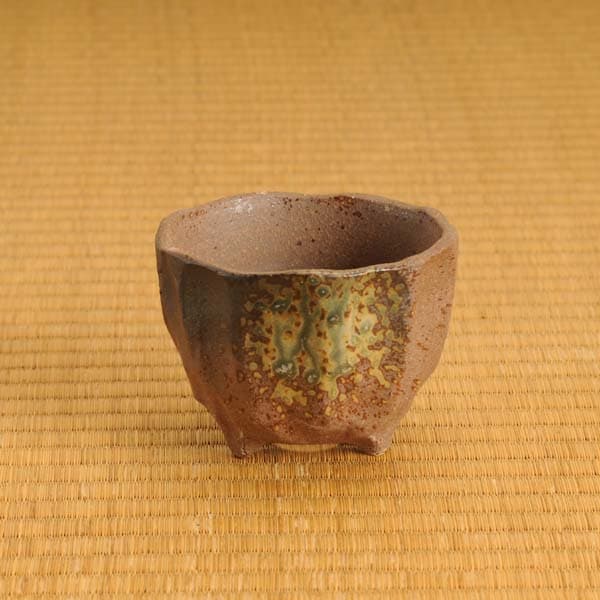
Earthenware surfaces come in roughly three kinds. Unglazed yakishime is fired high with no glaze at all: ash from the wood fuel settles on the piece and melts into a natural glaze, and the colour and markings left by fire and ash differ from one piece to the next. Bizen ware and Shigaraki ware are the standard examples, and a later section returns to them.
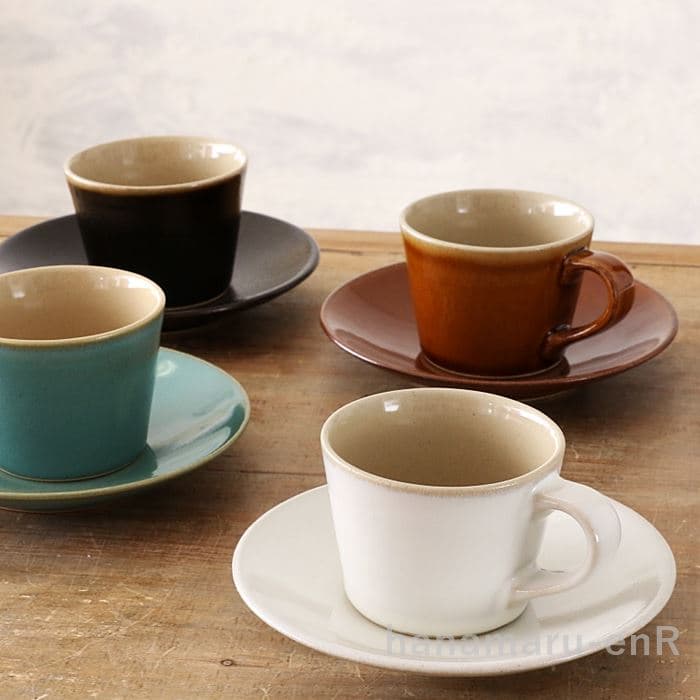
On glazed earthenware, the raw material of the glaze sets the colour. Ash glazes fire green or yellow, iron glazes give black, brown and amber, a feldspar glaze fires to the soft white of Shino, and copper turns it the green of Oribe. Mino ware's fifteen traditional craft types read almost like a glaze catalogue: Shino, Oribe, Kiseto, Setoguro, ash glaze, tenmoku, iron glaze, ame glaze and kohiki are all on the list.
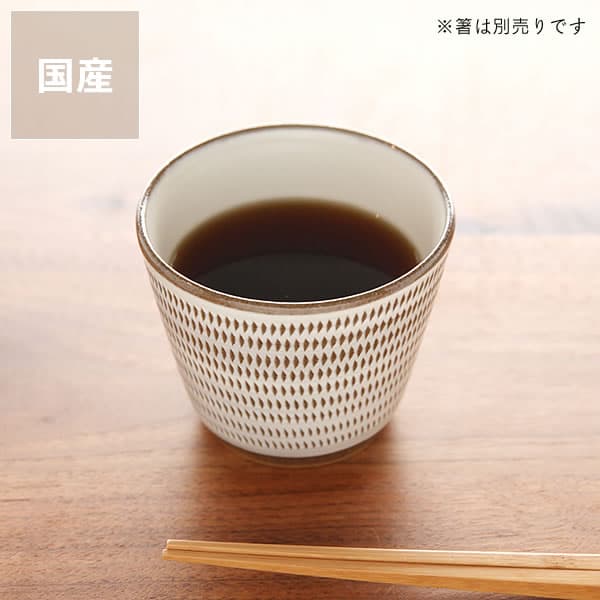
The third kind is slip: white clay over a dark body, patterned, then covered with clear glaze. Koishiwara ware puts white slip over red clay from the nearby mountains and, while the wheel turns, marks it with tobi-kanna chatter marks, hakeme brush strokes, comb lines, finger drawing and poured or dripped glaze. Karatsu's kohiki is white slip over a brown body, then ash glaze.
Painted decoration: iron, underglaze blue, overglaze enamel
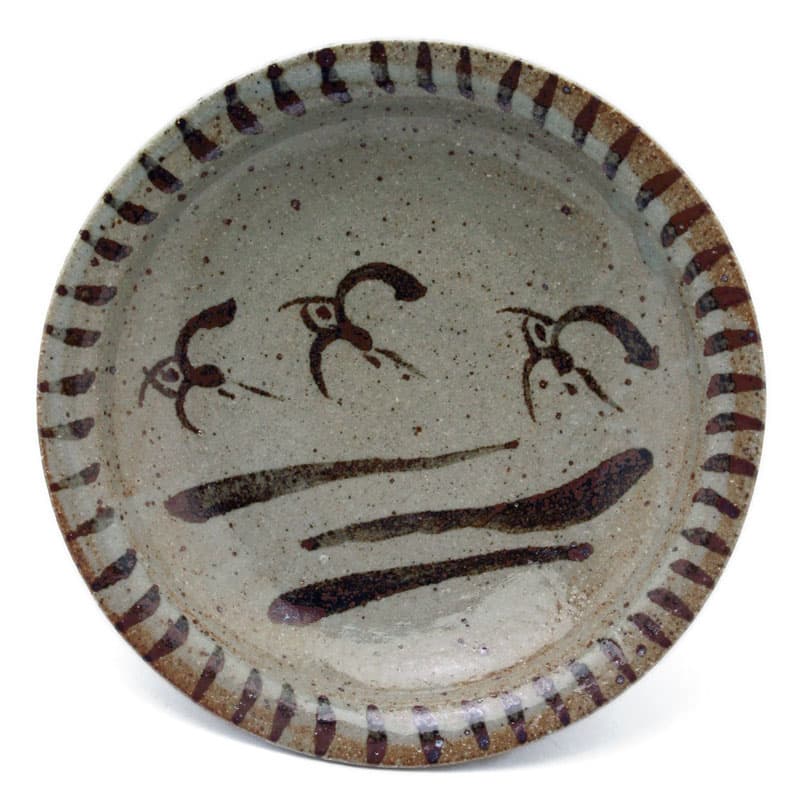
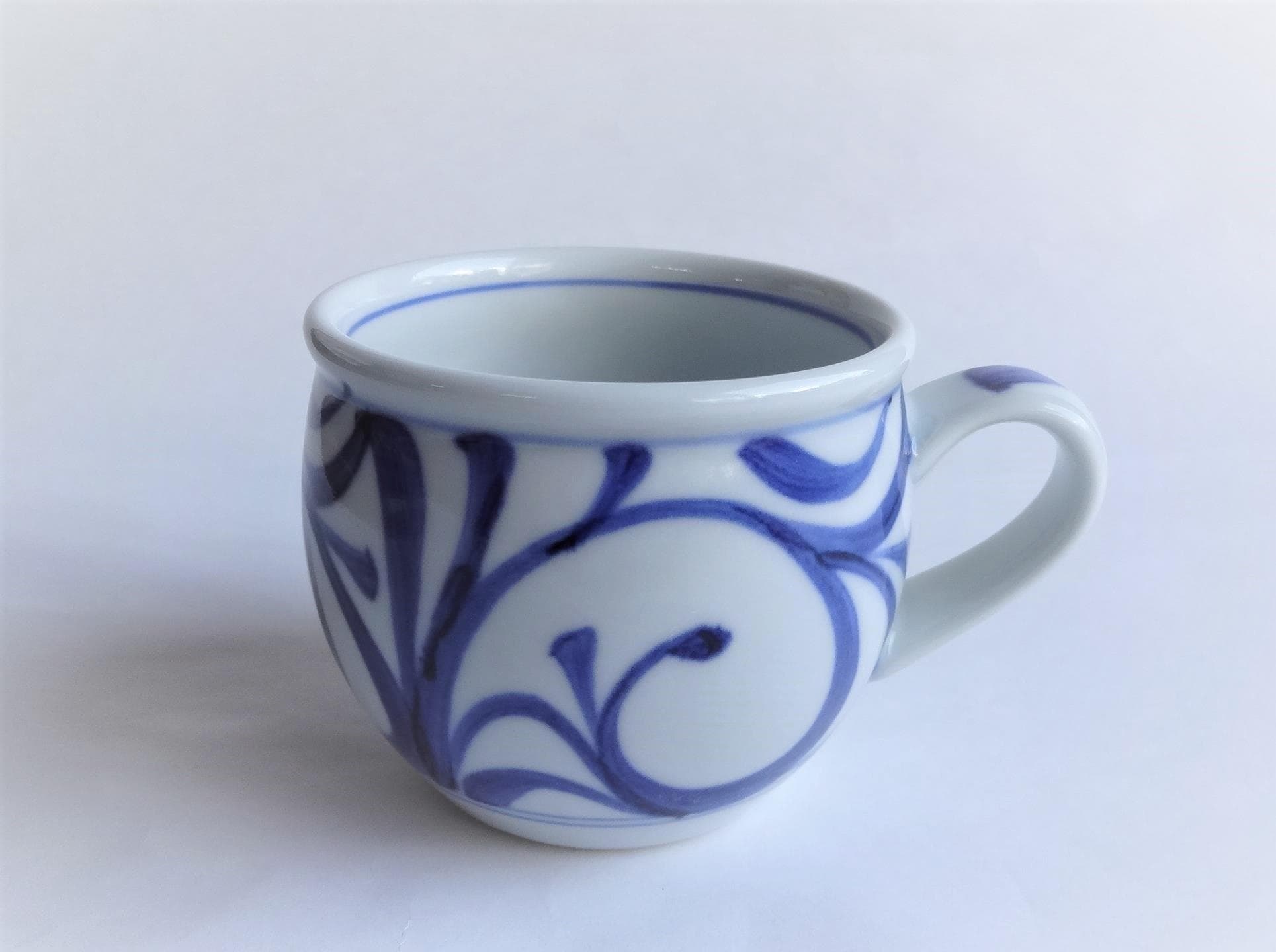
Painting splits into two routes depending on whether it goes under or over the glaze. Underglaze painting is done on the unglazed body, covered with clear glaze and fired once at high temperature, so only a few pigments survive: iron gives brown-black, and cobalt (gosu in Japanese) gives blue, which is sometsuke. E-Karatsu is painted with an iron solution called onita before glazing and firing; Seto sometsuke is known for its blue and its ink-wash brushwork. Underglaze blue is most at home on porcelain, and Hasami ware's kurawanka bowls, everyday rice bowls for the home market, are one example.
Overglaze enamel is painted onto the fired glaze and refired at a lower temperature, which is what allows red and gold, colours a high firing would burn away. Kutani ware is identified by its five colours, green, yellow, purple, dark blue and red; the Kaga City Kutani Ware Museum shows it as aote, gosai-de five-colour work, and aka-e kinrande with fine red drawing and gold. The old Kutani kilns worked for fifty or sixty years and stopped, and revival kilns such as Yoshidaya, Miyamotoya and Matsuyama appeared about a century later, in the late Edo period.
The Six Old Kilns: fire and ash without glaze
Seto, Tokoname, Shigaraki, Echizen, Tamba and Bizen are named together as Japan's Six Old Kilns, and they are where unglazed ware lives. Bizen ware takes no glaze and no painting; it is fired with split pine for seven to ten days, and its goma, sangiri, hidasuki and botamochi surfaces come from ash, charcoal, straw and where the piece sat in the kiln. Shigaraki clay is refractory and coarse, and blended with kibushi clay, it suits large or thick forms; firing brings a reddish hi-iro out of the pale body, and wood ash leaves dark scorch marks and a green natural glaze.
Echizen ware began in the late Heian period with kiln technology from Tokoname; its iron-rich clay fires red-black or red-brown and tightens enough to hold water, and the old ware consisted of pots, large jars and mortars. Tokoname's anagama kilns had spread across the hills of the Chita Peninsula by the late Heian period, and its medieval jars went out by sea; today its signature is the red shudei kyusu, the colour drawn from iron in the clay, with unglazed pieces polished before and after firing.
Tamba ware is dated between the late Heian and early Kamakura periods, moved to multi-chamber climbing kilns on slopes in the early Edo period, and is thrown on Tachikui's own left-turning kick wheel. Seto uses kibushi and gaerome clays, with a range that runs from tableware and ornaments to electrical porcelain and fine ceramics, over roughly a thousand years.
Western Japan: kilns for tea bowls, kilns for porcelain
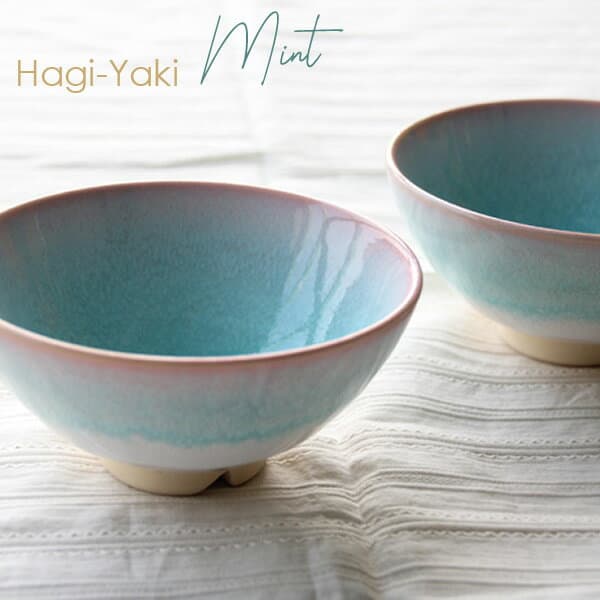
Hagi ware's kilns go back to 1604, when Mori Terumoto entered Hagi and the Korean potters Ri Shakko and Ri Kei began firing. A low, long firing in climbing kilns leaves the clay soft and absorbent; tea seeps into the fine crazing of the glaze and slowly changes the colour and gloss, a shift tea people call Hagi no nanabake, the seven changes of Hagi. Bowls often carry a notched foot ring, the kiri-kodai or wari-kodai.
Karatsu ware is usually dated to the 1580s near Kishidake Castle. Madara-Karatsu uses a cloudy straw-ash glaze that brings out blue or black spots from iron in the body or pine ash in the fuel; the ware went out through Karatsu Port to Kyoto and Osaka, and the word karatsumono travelled with it. It declined after the Meiji period, when domain support ended, until Nakasato Muan revived the old Karatsu techniques, and about seventy kilns operate in Karatsu City today.
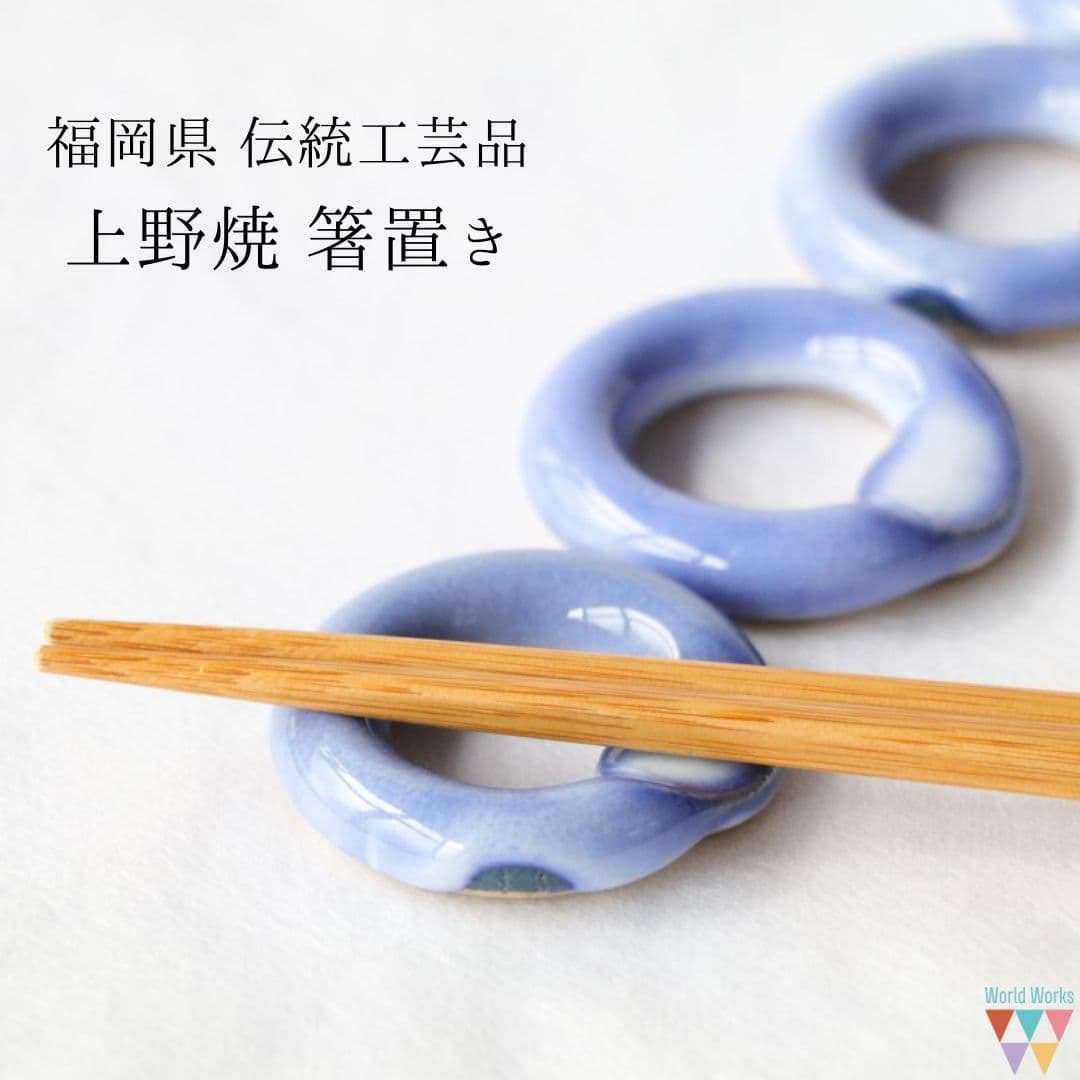
The porcelain side is Hasami ware: potting began around 1580, white porcelain, underglaze blue and celadon followed around 1610 with Korean potters and techniques, and porcelain production went full-scale around 1630. Kompura bottles for exporting sake and soy sauce, and rice bowls for the home market, show that it has always been a place for everyday tableware. Koishiwara ware dates to around 1682 and moved from shared kilns firing large jars and mortars to individual kilns making rice bowls, yunomi and soba cups; more than fifty kilns are gathered there now.
Everyday tableware: Mino, Banko and Mashiko
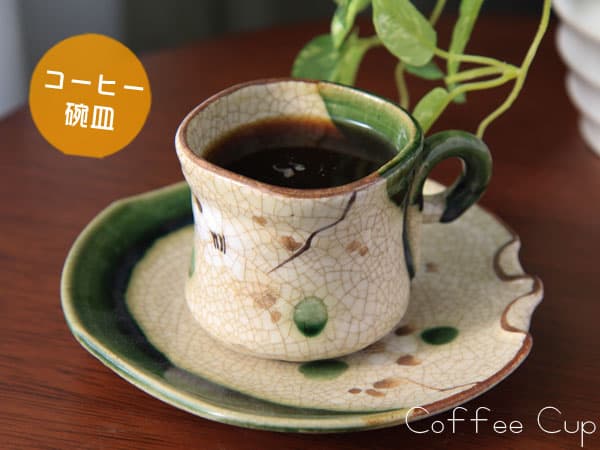
Mino ware comes from the Tono area of Gifu, and its character is variety. The Mino Ware Traditional Industrial Hall in Toki presents more than a thousand years of history and the fifteen traditional craft types; the kilns of Shimoishi are skilled in slip-casting that is hard to mechanise, and Takiro makes white bodies for Western and Japanese tableware, coffee cups and saucers, mugs and tiles.
Yokkaichi Banko ware takes its name from Nunami Rozan, a Kuwana merchant who built a kiln in present-day Asahi Town in the mid-Edo period and stamped his tea wares with Banko Fueki. The purple-clay kyusu, local iron-rich red clay fired high without glaze, is its symbol; much of the tableware is fired at about 1150 to 1200 degrees with lime-based glazes.
Mashiko clay is rich in silica and iron, and because nothing else is added, the pieces come out thick, with a weight you notice. Otsuka Keizaburo built a kiln at Negoya in present-day Mashiko in 1853, and in the Showa period Hamada Shoji made flower vessels and tableware there, which fixed the ware's everyday image. The town has about 160 kilns and pottery shops, and its pottery fair has run each spring and autumn since 1966.
How to choose, and what to check before ordering
Start from the use. A pot that goes on the stove should be semi-porcelain marked for direct flame; Yokkaichi Banko ware's donabe can take a direct flame and dry heating. For a teapot, look at Tokoname's shudei or Banko's purple clay, both iron-rich clays fired unglazed. Choose a Hagi matcha bowl knowing it absorbs and changes colour with tea, because that is the point of it. For bowls and plates headed for the dishwasher and the microwave, porcelain without gold is the easy choice; gilded overglaze such as Kutani's aka-e kinrande should stay out of the microwave.
On the listing, four things are worth a look. Whether it says earthenware, porcelain or semi-porcelain, and whether direct flame, microwave and dishwasher use are stated. Size and capacity: millilitres for a kyusu, diameter for a plate, and weight for thick-walled ware like Mashiko. The kiln or maker's name: names like Mino ware and Hasami ware are regional collective trademarks, and a listing that names the kiln is more reliable than one that gives only the region. And packaging and shipping: a wooden or presentation box if it is a gift, and the delivery method, since ceramics break.
Last, unglazed and ash-glazed ware differs by nature from piece to piece. Bizen's goma and hidasuki come from ash, straw and kiln placement, so the photograph is a guide, not a promise. The list below shows every ceramics family in the catalogue.


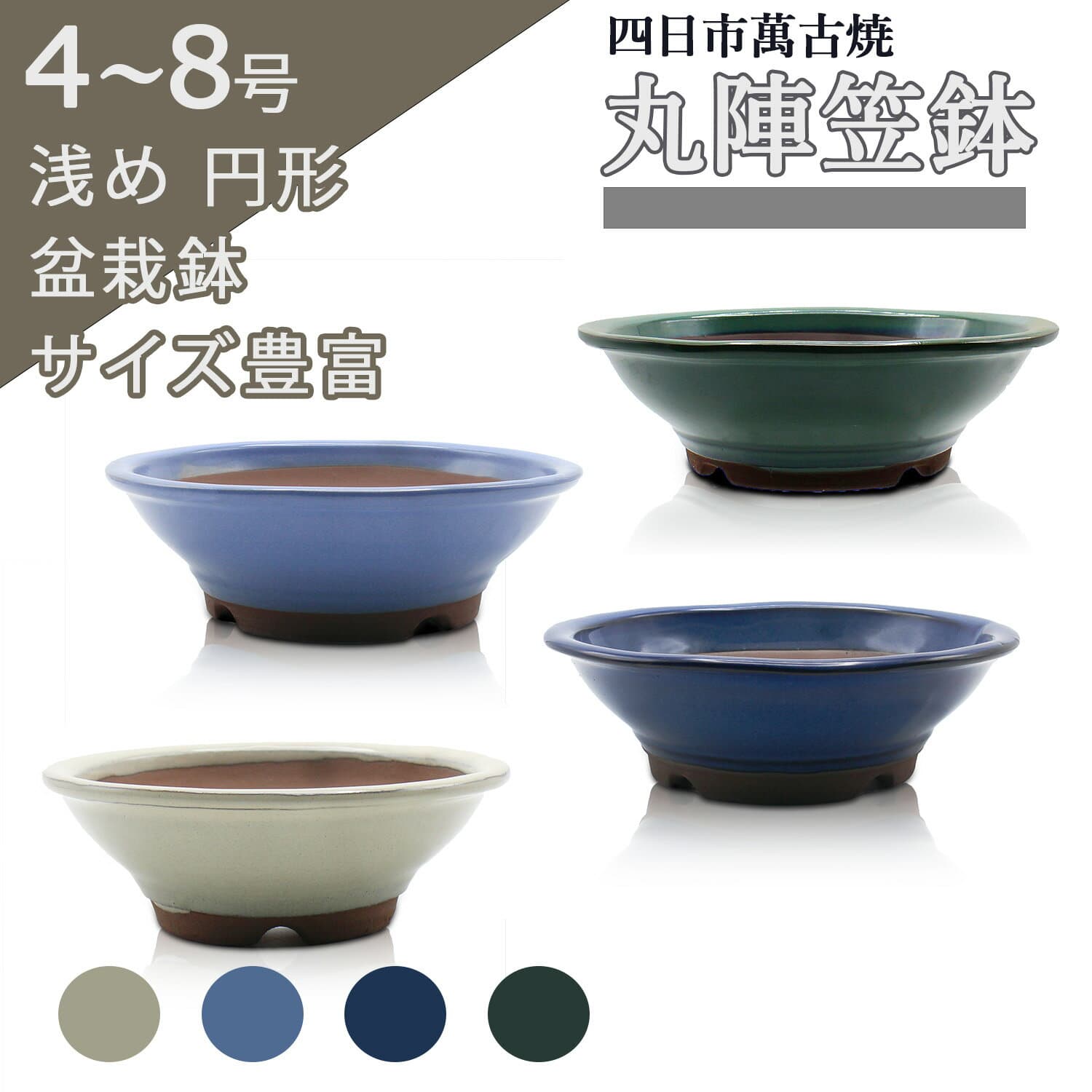
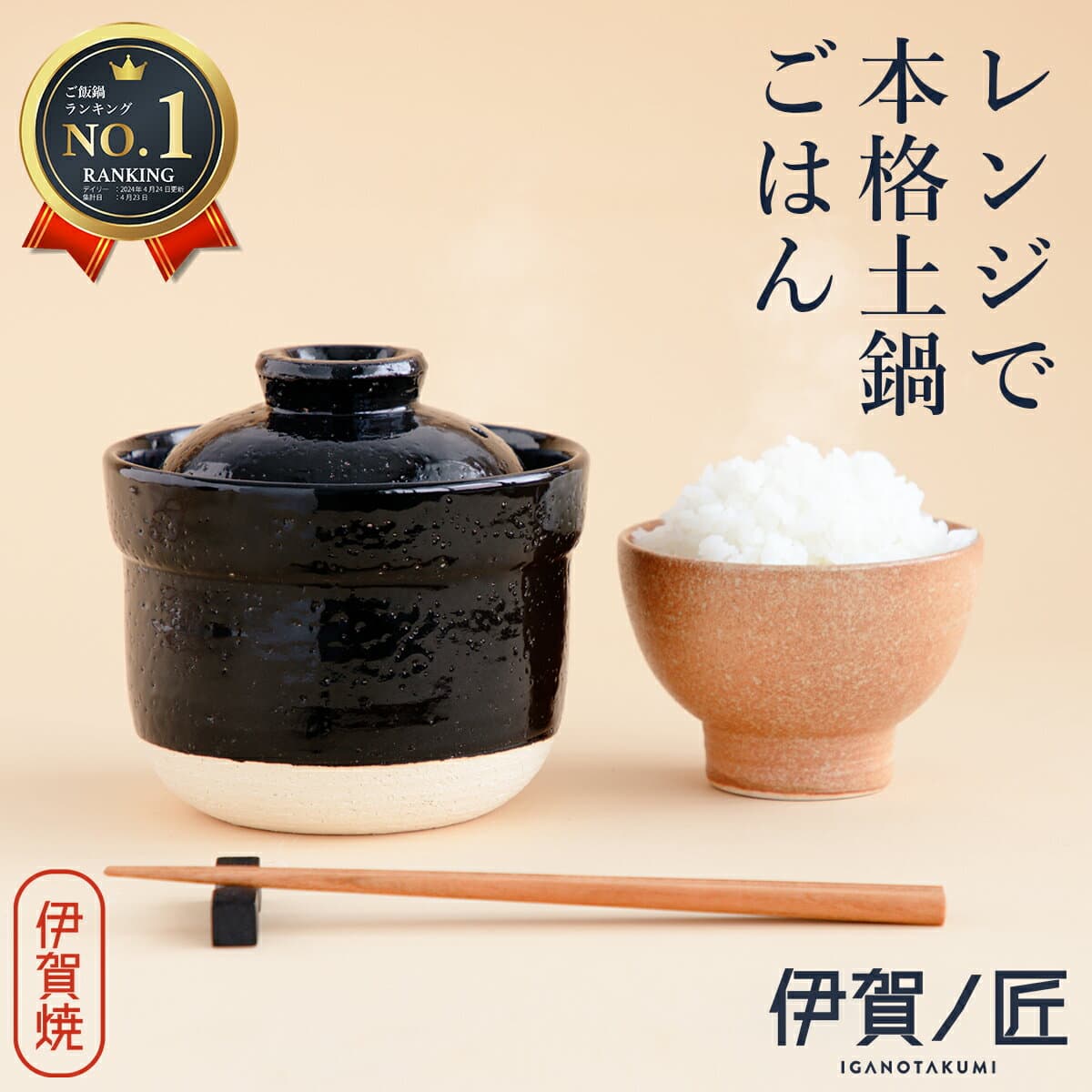
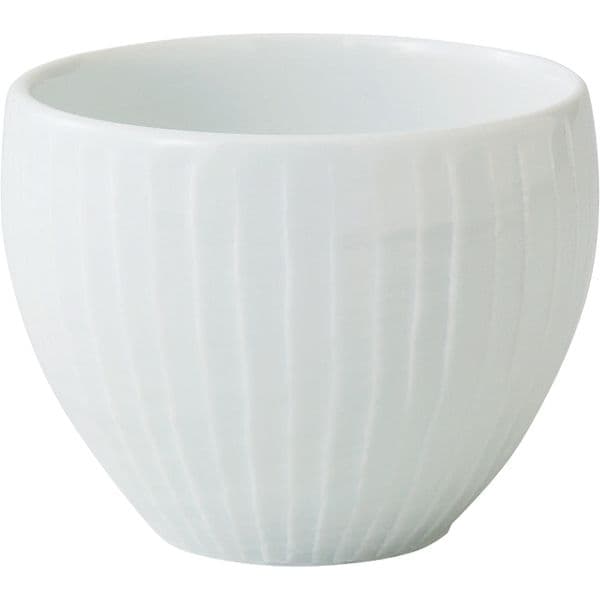

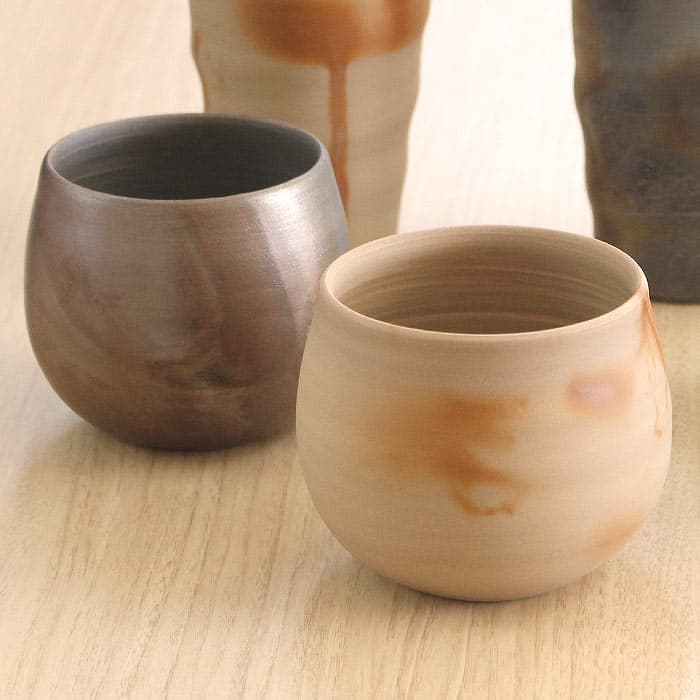




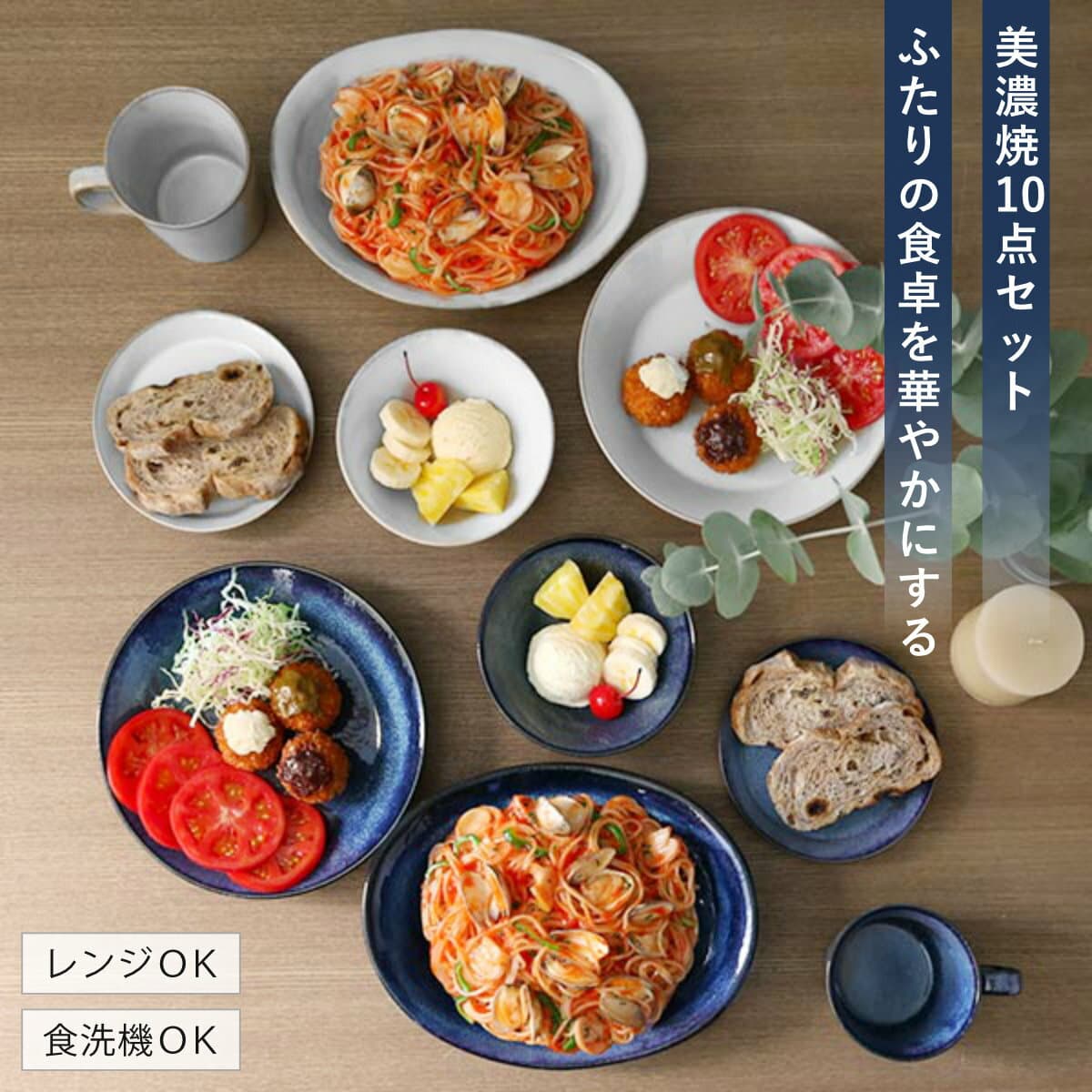


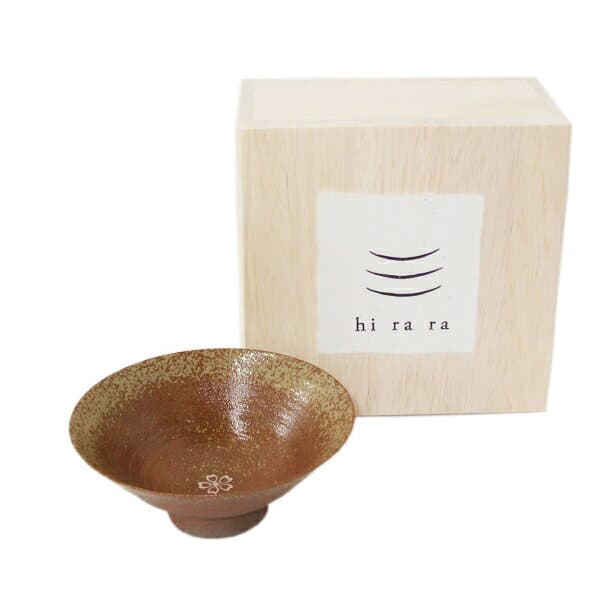
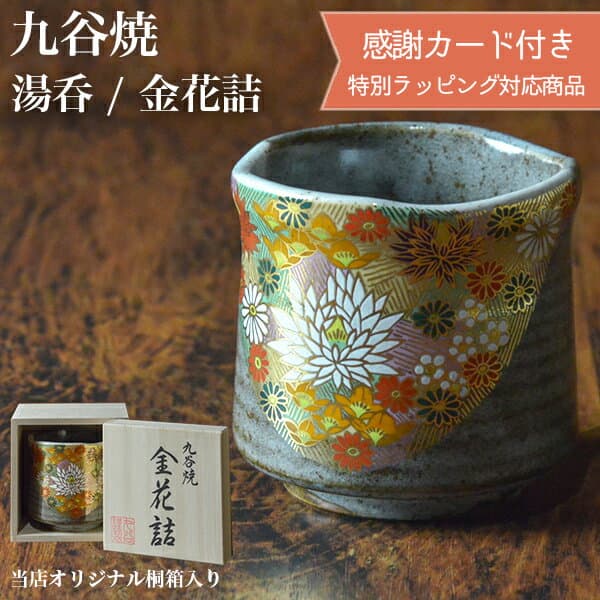
Selected automatically by category and price. Confirm individual wrapping, piece count, and best-before dates on the Rakuten listing.
Continue to prefectures
Aichi
Aichi is a useful starting point for distinctive local specialties.
Mie
Mie is a useful starting point for distinctive local specialties.
Nagasaki
Nagasaki is a useful starting point for distinctive local specialties.
Fukuoka
Fukuoka is a useful starting point for distinctive local specialties.
Hyogo
Hyogo is a useful starting point for distinctive local specialties.
Gifu
Gifu is a useful starting point for distinctive local specialties.
Related buying guides
FAQ
How do I tell earthenware from porcelain?
Earthenware is made from clay: opaque, slightly absorbent, thick-walled and warm to the touch, as in Bizen, Shigaraki and Hagi ware. Porcelain is made from powdered porcelain stone: white, hard, non-absorbent, thin enough to ring when tapped, as in Hasami and Kutani ware. Yokkaichi Banko ware is semi-porcelain, between the two.
Which are the Six Old Kilns?
Seto, Tokoname, Shigaraki, Echizen, Tamba and Bizen. They are the home of unglazed ware: Bizen fires without glaze or painting, using split pine for seven to ten days, Shigaraki shows a reddish hi-iro and a green natural glaze from wood ash, and Tokoname draws red shudei out of its iron-rich clay for kyusu.
Why does Hagi ware change colour?
Hagi is fired low and long in climbing kilns, which leaves the clay soft and absorbent. Tea seeps into the fine crazing of the glaze and gradually shifts the colour and gloss, a change tea people call Hagi no nanabake. Rinse it after use and dry it fully before putting it away.
Which ceramics can go on a flame or in the microwave?
For the stove, choose pieces marked for direct flame; Yokkaichi Banko ware's semi-porcelain donabe can take a direct flame and dry heating. For the microwave and dishwasher, porcelain without gold is the safe choice, and gilded overglaze such as Kutani aka-e kinrande should stay out of the microwave. Absorbent earthenware like unglazed ware and Hagi needs to be dried fully after use.