 3 images
Mizunami Ware Yui Medium Plate, Red
【楽天スーパーSALE 10%OFF 割引】結 プレート 中皿 赤 19.2cm 300g レッド 日本製 美濃焼 取り皿 ケーキ皿 丸皿 皿 デザート 和菓子 お祝い 結び 結婚式 正月 食器 陶器 小田陶器 みずなみ焼 節分 ひな祭り 食洗器対応可ラッピング不可
19.2cm, redKitchenMartD-まちのうつわ屋さん-
5.0 / 11 reviews
Japanese nameみずなみ焼
In Gifu’s Mizunami City, a working part of the Mino ware region makes ceramic vessels for restaurants, hotels, gifts, and home meals, with older Mino ware memory beside durable contemporary forms.
Information last updated 119 days ago
3 images【楽天スーパーSALE 10%OFF 割引】結 プレート 中皿 赤 19.2cm 300g レッド 日本製 美濃焼 取り皿 ケーキ皿 丸皿 皿 デザート 和菓子 お祝い 結び 結婚式 正月 食器 陶器 小田陶器 みずなみ焼 節分 ひな祭り 食洗器対応可ラッピング不可
19.2cm, redKitchenMartD-まちのうつわ屋さん-
5.0 / 11 reviews
 3 images
【楽天スーパーSALE 10%OFF 割引】プレーリー プレート S 14cm 190g グレー お皿 取皿 小皿 ソーサー 食器 陶器 日本製 美濃焼 和食器 小田陶器 みずなみ焼 カフェ おしゃれ 北欧 北欧風 インスタ映え 食洗器対応 即納 即日配送
S 14cm, gray, approx. 190gKitchenMartD-まちのうつわ屋さん-
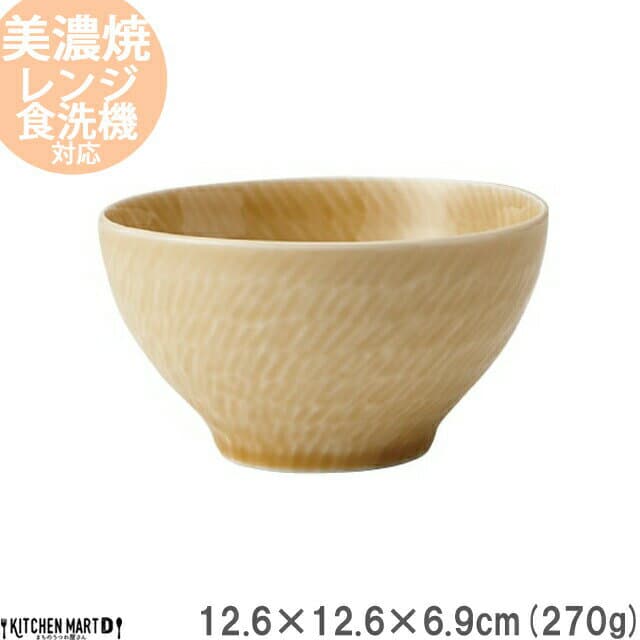 3 images
【楽天スーパーSALE 半額 割引】ククラ お椀 黄瀬戸 12.6cm 270g ベージュ ご飯茶碗 ライスボウル 飯碗 ごはん茶碗 丸型 ボウル カフェ 食器 国産 陶器 日本製 美濃焼 和食器 小田陶器 みずなみ焼 食洗器対応可 ラッピング不可
Yellow Seto, 12.6 cmKitchenMartD-まちのうつわ屋さん-
5.0 / 1 reviews
First time buying on Rakuten? How residents in Japan order →
Mizunami City sits in Gifu’s Toki River basin, within the wider Mino ware production area. Mizunami ware refers to ceramic tableware made in Mizunami, and its clearest entrance is the table itself: bowls, plates, and other vessels that can be washed, stacked, reheated, and returned to food. Local makers describe the ware through quality, design, and technique. The city’s ceramic memory reaches to the Muromachi period and carries names such as Shino, Oribe, Setoguro, and Ki-Seto, while current production serves hotels, restaurants, dining establishments, gifts, and everyday home use.
Mizunami begins with place. The city is described as a Mino ware production area in the naturally rich Toki River basin, and that geography gives Mizunami ware its first clear boundary. Within Gifu’s ceramic landscape, the name points to ceramic tableware made in Mizunami City.
That boundary keeps the subject close to actual vessels. Mizunami ware is best read through the city, the river basin, the Mino ware production area, and the objects that meet food: bowls, plates, and other tableware used repeatedly at meals.
The Mizunami Ceramic Industrial Cooperative describes Mizunami ware through quality, design, and technique. In tableware, those words become concrete when a vessel reaches the hand: a usable rim, a form that supports food, a surface that can be cleaned, and a shape that can be stacked between uses.
The name is also protected around Mizunami-produced ceramic tableware, which reinforces the place and product boundary. For readers, the important point is practical and visible: Mizunami’s production community makes ceramic vessels with attention to design and quality, and those vessels are intended for the table.
Mizunami ware has a practical profile. The cooperative describes the vessels as hard, durable, wear-resistant, heat-resistant, non-absorbent, hygienic, and usable in dishwashers and microwaves. These traits answer the daily conditions around food: hot dishes, repeated washing, storage, reheating, and frequent handling.
Because the vessels are described as non-absorbent and heat-resistant, their beauty stays connected to use. A bowl can return from washing to the next meal; a plate can move from storage to a dining room; a stackable form can serve a restaurant rhythm and still belong on a home table.
Mizunami ware appears in hotel, restaurant, dining establishment, gift, and household settings. Those settings give one family of vessels several lives: a plate under a restaurant dish, a bowl used at home, and a ceramic piece chosen for another person’s table.
The cooperative also describes the tableware as simple, design-rich, easy to use, suitable across cuisine genres, able to enhance food, and made with stacking in mind. Any cultural meaning here should stay close to those facts: it lies in the repeated use of ceramic vessels across Gifu production, professional dining rooms, and home cupboards.
Mizunami’s pottery history is described as beginning in the Muromachi period and continuing through Azuchi, Momoyama, and the modern era. The local account also names Shino, Oribe, Setoguro, and Ki-Seto among older Mino ware styles connected to the region.
Those names work as ceramic memory around Mizunami. They do not make every current Mizunami ware vessel a reproduction of an old form. The more concrete picture is a Toki River basin city with a long Mino ware setting that now produces Japanese and Western tableware, strengthened porcelain, Chinese tableware, bone china, and newer ceramic designs.
Contemporary Mizunami includes younger designers in its production community. The cooperative describes makers working across Japanese and Western tableware, strengthened porcelain, Chinese tableware, bone china, and newer designs, giving the city a wide tableware range instead of a single fixed look.
A local setting makes that range visible. In Kamidaira-cho, the tourism association introduces Chawan-ya Mizunami as a place where traditional ceramics appear alongside newer vessels with contemporary individuality. Older Mino ware memory and current bowls and plates for present tables stand in the same Mizunami landscape.
Mizunami ware is easiest to understand through the table. It comes from Mizunami City in Gifu’s Toki River basin, within the Mino ware production area, and centers on ceramic vessels made with attention to quality, design, and technique. Older names such as Shino, Oribe, Setoguro, and Ki-Seto remain part of the city’s ceramic memory, while today’s makers work with durable, hygienic, stackable forms for restaurants, hotels, gifts, and everyday meals.
Compiled from public records and official sources; see the recognition links below. Details may change over time.
Where this product is officially registered, designated, or recognized in Japan.
Regional collective trademark
Registered as a Regional Collective Trademark with the Japan Patent Office.
Sources1
It is written as みずなみ焼 in Japanese. Search Rakuten and other Japanese sites with that spelling — the English name will not bring up the listings.
Mizunami ware is ceramic tableware made in Mizunami City, Gifu, within the Toki River basin and the wider Mino ware production area. Local producers describe it through quality, design, and technique, noting hard, durable, wear-resistant, heat-resistant, non-absorbent, and hygienic vessels suited to dishwashers and microwaves. It appears in hotels, restaurants, dining establishments, gifts, and everyday home meals.
The Mizunami Ceramic Industrial Cooperative is the organisation that describes Mizunami ware through quality, design, and technique. Mizunami City sits in the naturally rich Toki River basin and is identified as a Mino ware production area. Mizunami's pottery history is described as beginning in the Muromachi period and continuing through the Azuchi, Momoyama, and modern eras. Shino, Oribe, Setoguro, and Ki-Seto are named as older Mino ware styles connected to the region.
In hotels, restaurants, and dining establishments, Mizunami ware is valued for its durability, heat resistance, hygiene, and compatibility with dishwashers and microwaves. At home, the tableware is presented as simple and design-conscious, easy to use, and made with stacking in mind, suited to many kinds of food regardless of cuisine. It is also given as a gift, and visitors can browse Mizunami ware alongside other Mino ware at Chawan-ya Mizunami in Kamidaira-cho.
Porous earthenware is usually given a "medome" treatment first — simmer it gently in rice-rinsing water (or water with a little flour), then cool, rinse, and air-dry. This reduces staining and odour absorption. Porcelain normally just needs a wash. Follow the listing where it says otherwise.
Handmade earthenware, pieces with gold or silver overglaze, and lacquerware generally should not go in a dishwasher, microwave, or heated drying cabinet; heat-resistant porcelain usually can. Check the Rakuten listing for the specific piece.
Most options are shelf-stable, boxed, and travel well, so they suit gifting or bringing home. Confirm the final storage and delivery terms on the Rakuten listing.
On Rakuten: the shops listed here right now are KitchenMartD-まちのうつわ屋さん-. We don't sell directly; purchase, payment, stock, and delivery are all handled on the Rakuten product page.