 3 images
Tokoname Ware Gyokuryu Kiln Jiro Umehara Kyusu Teapot
急須 常滑焼〔玉龍〕梅原二郎 国産急須 ギフト プレゼント 使いやすい せっ器 送料無料
approx. 200 mlお茶通販の長峰製茶
5.0 / 26 reviews
Japanese name常滑焼
In Tokoname City, Aichi, hill kilns, sea-borne jars, iron-rich red clay, and polished unglazed surfaces lead into present-day kyusu, flower vessels, sake vessels, and plant pots.
Information last updated yesterday
3 images急須 常滑焼〔玉龍〕梅原二郎 国産急須 ギフト プレゼント 使いやすい せっ器 送料無料
approx. 200 mlお茶通販の長峰製茶
5.0 / 26 reviews
 3 images
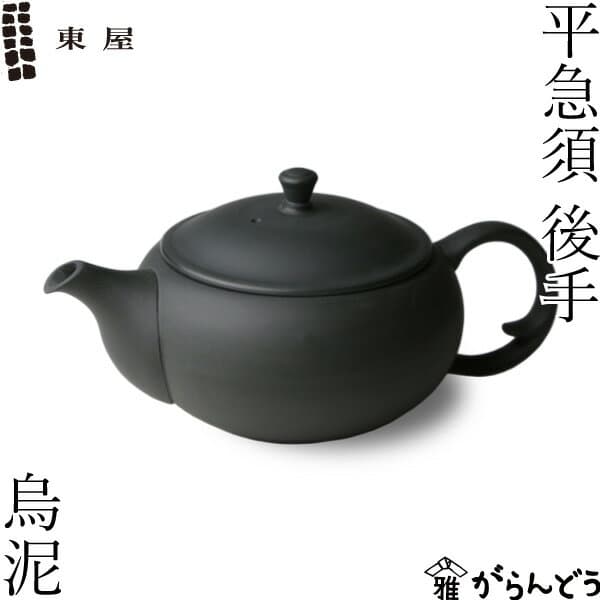
東屋 急須 平急須 後手 烏泥 常滑焼 黒 ティーポット 茶器 陶器 日本製 父の日 母の日
300 mlがらんどう
4.7 / 47 reviews
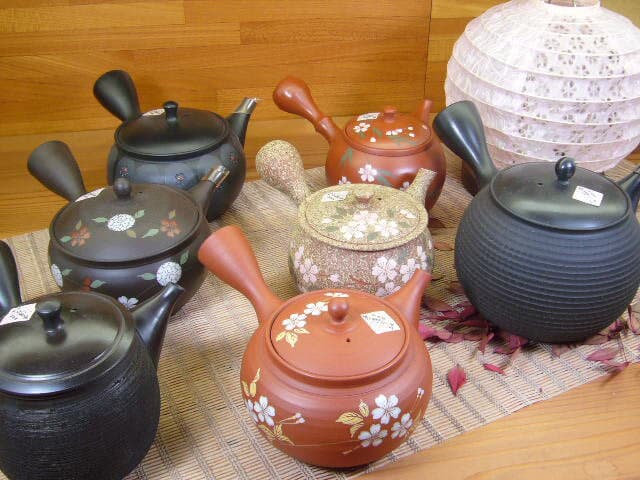
伝統工芸士作 一級品 常滑焼急須最大68%OFF開催不定期!!早い物勝ちどんな急須が届くかはお楽しみ♪【楽ギフ_のし宛書】【あす楽対応_東海】【あす楽対応_関東】【あす楽対応_近畿】【敬老の日】
assorted design常滑焼急須 和食器 『光きゅうす』
4.7 / 407 reviews
 3 images
【LINE友達で300円OFFクーポン】急須 洗いやすい 370ml 朱泥 黒泥 瑠璃色 常滑焼 茶こし付 和食器 楽彩急須 ひまわり堂
370 ml; red clay, black clay, or lapis blueひまわり堂
4.7 / 246 reviews
 3 images
急須 おしゃれ 常滑焼 お茶が美味しくなる ティーポット 日本製 108穴 百八急須 きゅうす 大きい 大きめ 500ml カフェポット 丸い 茶こし付き 贈り物 プレゼント ギフト 茶器 とこなめ 青色 ブルー 茶色 ブラウン 蒼宙
500 mlマンモスビレッジ
4.7 / 15 reviews
 3 images
急須 おしゃれ 日本製 お茶が美味しくなる 常滑焼 きゅうす 赤い ティーポット 陶器 まろやか 上品 茶こし付き 左利き 右利き 茶器 朱色 朱泥 ポット 朱丸 ポットタイプ とこなめ 常滑急須 ギフト 贈り物 プレゼント
400 ccマンモスビレッジ
4.8 / 18 reviews
 3 images
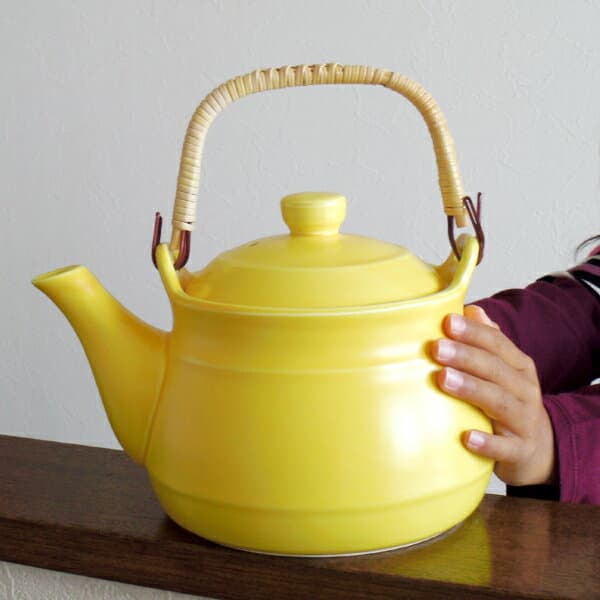
耐熱土瓶 黄色 8号 1400cc 直火OK!/常滑焼 日本製 白湯 さゆ
Yellow No. 8, 1400ccMOM kitchen
4.7 / 134 reviews
 3 images
常滑焼 急須 とこなめ焼 国産 ふたなし急須 常滑焼 だいち さくら 日本製 フタが無い急須 蓋無し急須 新生活 ギフト スターター プレゼント 使いやすい
Daichi / Sakura colorsお茶通販の長峰製茶
4.2 / 5 reviews
 3 images
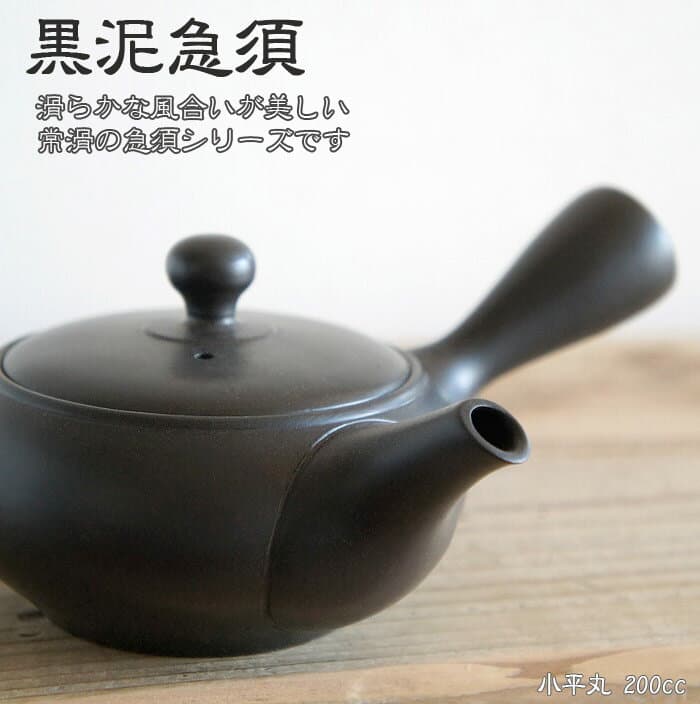
黒泥急須 小平丸 常滑焼やかん/ポット/ブラック/TOJIKI TONYA
small flat round, approx. 200ccヴァン コムサ VAN comme ca
4.6 / 8 reviews
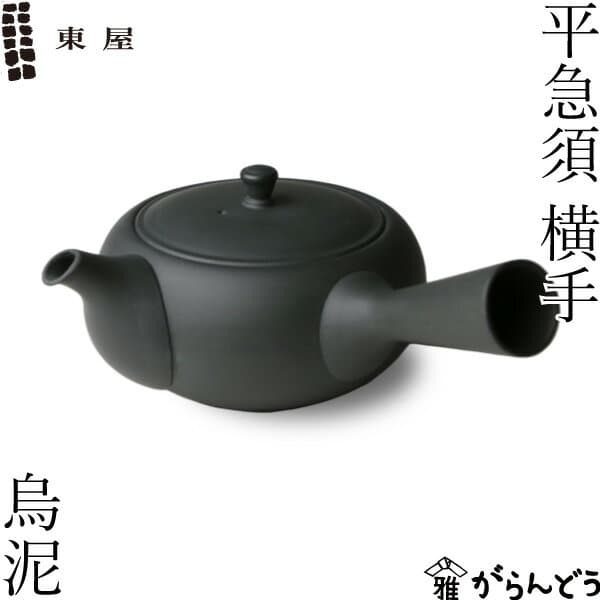 3 images
東屋 急須 平急須 横手 烏泥 (右利き) 常滑焼 黒 ティーポット 茶器 陶器 日本製 父の日 母の日
right-handedがらんどう
4.7 / 42 reviews
First time buying on Rakuten? How residents in Japan order →
All 10 listings of this product on Rakuten, lowest price first.
| Listing | Price | Shop | Reviews | Open listing |
|---|---|---|---|---|
Premium Tokoname Ware Kyusu Teapot by Traditional Craftsperson assorted designLowest priceMost reviewed | ¥3,278 | 常滑焼急須 和食器 『光きゅうす』 | 4.7 / 407 reviews | View on Rakuten → |
Tokoname Ware Lidless Kyusu Teapot, Made in Japan Daichi / Sakura colorsGift-ready | ¥3,510 | お茶通販の長峰製茶 | 4.2 / 5 reviews | View on Rakuten → |
Tokoname Ware Shumaru Red Ceramic Kyusu Teapot with Tea Strainer 400 ccGift-ready | ¥3,680 | マンモスビレッジ | 4.8 / 18 reviews | View on Rakuten → |
Tokoname Ware Heat-Resistant Dobin Teapot Yellow No. 8, 1400cc | ¥4,400 | MOM kitchen | 4.7 / 134 reviews | View on Rakuten → |
TOJIKI TONYA Tokoname Black Clay Kyusu Teapot small flat round, approx. 200cc | ¥4,620 | ヴァン コムサ VAN comme ca | 4.6 / 8 reviews | View on Rakuten → |
Tokoname Ware Rakusai Easy-Clean Kyusu Teapot with Tea Strainer 370 ml; red clay, black clay, or lapis blue | ¥6,600 | ひまわり堂 | 4.7 / 246 reviews | View on Rakuten → |
Tokoname Ware Gyokuryu Kiln Jiro Umehara Kyusu Teapot approx. 200 mlGift-ready | ¥7,260 | お茶通販の長峰製茶 | 5.0 / 26 reviews | View on Rakuten → |
東屋 Tokoname Ware Black Clay Flat Kyusu Teapot 300 ml | ¥7,700 | がらんどう | 4.7 / 47 reviews | View on Rakuten → |
東屋 Tokoname Ware Black Clay Flat Side-Handle Kyusu Teapot right-handed | ¥7,700 | がらんどう | 4.7 / 42 reviews | View on Rakuten → |
Tokoname Ware 蒼宙 108-Hole Kyusu Teapot 500 mlGift-ready | ¥8,980 | マンモスビレッジ | 4.7 / 15 reviews | View on Rakuten → |
Japanese · new tab
Tokoname ware begins with a city name in Aichi: Tokoname, on the Chita Peninsula. In the late Heian period, anagama kilns spread through the peninsula's hills and fired mountain tea bowls, plates, and jars; today, around the Tokoname City Ceramics Hall, reused ceramic material in the slopes, brick chimneys, kilns, and black-walled factories keep the kiln ground visible. The same place appears in the objects: iron-rich clay turns red in shudei, unglazed surfaces are polished for gloss, and kyusu, flower vessels, sake vessels, and plant pots carry Tokoname clay into tea, interiors, and plants.
Tokoname ware is made around Tokoname City in Aichi Prefecture. The late-Heian kiln area reached across much of the hilly Chita Peninsula, and the modern city still lets that terrain show around the pottery walking path that starts at the Ceramics Hall. Slopes paved with reused ceramics, brick chimneys, kilns, and black-walled factories make the production place visible as surfaces, walls, and fired structures along a walking route.
By the late Heian period, old Tokoname wares were being fired in anagama kilns, including mountain tea bowls, mountain plates, and jars. In the medieval period, Tokoname became known for large forms: great jars and vats were sent by sea to Tohoku, Kanto, Kansai, Chugoku, and Kyushu. The size of those vessels ties a hill kiln area to everyday storage and transport across Japan.
The red of shudei comes from clay with a high iron content. In Tokoname ware, shudei is the red expression produced when iron in the clay develops color; Edo-period Tokoname products included shudei teaware, sake vessels, and hibachi. The color rests on material and firing, with local clay, iron, and heat meeting on the wall of the vessel.
Tokoname pieces may be shaped on a wheel, formed in a press mold, or built by hand. After shaping, makers decorate, glaze, and fire the pieces; for unglazed ware, the surface can be polished before firing and then polished with feathers after firing to bring out gloss. The process keeps the clay surface active from the first forming motion to the final touch across the fired body.
Today the family spans teaware, flower vessels, sake vessels, ornaments, and plant pots. Around the Ceramics Hall, kyusu remain one of the most visible Tokoname forms; the wholesale cooperative there also works in a setting where teaware and bonsai pots draw attention beyond Japan, including European interest in bonsai pots. These forms keep the craft near the hand, the table, the alcove, and the planted container.
Continuity in Tokoname is carried by named workshops, shared facilities, and trainees. Makers such as Maruyo Hisada Pottery, Yamase Pottery, and Katsuyoshi-gama appear in Tokoname districts including Segi-cho, Taya-cho, Kumano-cho, and Sakaemachi; Tokoname Toenomori brings an exhibition space, ceramics research institute, and training workshop into one public complex, where trainees make ceramics every day. Tokoname ware is also counted among Aichi's traditional crafts and the Six Ancient Kilns; in practical terms those names point to local clay, kiln work since the late Heian period, and people still shaping and firing in Tokoname. The wholesale cooperative has also faced succession as a concrete issue, with membership moving from about 60 members 25 years earlier to 18.
A kyusu can introduce Tokoname ware, but the family is wider than tea. The Chita Peninsula hills, sea routes for great jars, iron-red shudei clay, feather-polished unglazed surfaces, and chimneys near the Ceramics Hall all keep Tokoname's ground in view. As trainees work at Toenomori and producer organizations face succession, the craft continues through hands, clay, kilns, and everyday vessels.
Compiled from public records and official sources; see the recognition links below. Details may change over time.
Where this product is officially registered, designated, or recognized in Japan.
It is written as 常滑焼 in Japanese. Search Rakuten and other Japanese sites with that spelling — the English name will not bring up the listings.
Tokoname ware is centered on Tokoname City in Aichi, where late-Heian anagama kilns spread through the Chita Peninsula hills. Medieval Tokoname was known for large jars and vats shipped by sea across Japan. Today the family is anchored by iron-rich shudei clay, polished unglazed surfaces, kyusu, teaware, flower vessels, sake vessels, plant pots, training facilities, and producer organizations in Tokoname.
Medieval jars and vats from Tokoname were shipped by sea to Tohoku, Kanto, Kansai, Chugoku, and Kyushu. Tokoname ware can be shaped by wheel throwing, press molding, or hand forming. Unglazed pieces are polished before firing and again with feathers after firing to bring out their shine. The red color of shudei comes from iron in the clay developing hue during firing.
Kyusu and other teaware are used for brewing tea and are displayed and sold as a symbol of Tokoname ware. Flower vessels, sake vessels, and ornaments are used for household display and daily life. Plant pots and bonsai pots are used for growing plants, and bonsai pots have drawn attention overseas, particularly in Europe.
Porous earthenware is usually given a "medome" treatment first — simmer it gently in rice-rinsing water (or water with a little flour), then cool, rinse, and air-dry. This reduces staining and odour absorption. Porcelain normally just needs a wash. Follow the listing where it says otherwise.
Handmade earthenware, pieces with gold or silver overglaze, and lacquerware generally should not go in a dishwasher, microwave, or heated drying cabinet; heat-resistant porcelain usually can. Check the Rakuten listing for the specific piece.
Most options are shelf-stable, boxed, and travel well, so they suit gifting or bringing home. Confirm the final storage and delivery terms on the Rakuten listing.
On Rakuten: the shops listed here right now are お茶通販の長峰製茶, がらんどう, 常滑焼急須 和食器 『光きゅうす』, ひまわり堂. We don't sell directly; purchase, payment, stock, and delivery are all handled on the Rakuten product page.