 3 images
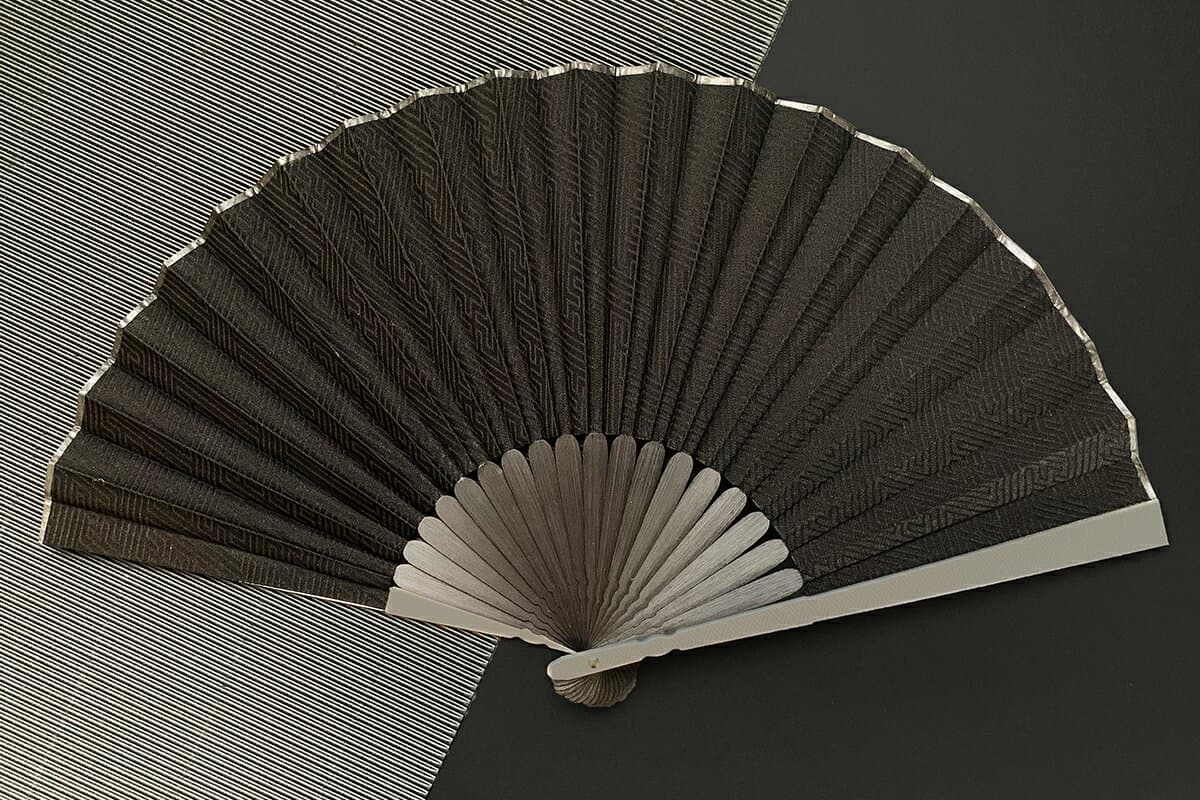
Nagoya Kuromontsuki Dyeing KOKUSEN Aluminum Folding Fan
黒紋付染アルミ扇子「KOKUSEN」クローム×ブラック 伝統工芸品 名古屋黒紋付染め 高級 男性用 紳士用 記念品 贈答品 海外土産 プレゼント 誕生日ギフト 末廣 縁起物 日本製 和服 着物 父の日 父親 お父さん お中元 送料無料 japan made in japan fan
chrome x black名古屋扇子の末廣堂
Japanese name名古屋黒紋付染
Around Nagoya in Aichi, white silk is marked for sleeves, collar, body panels, and crests before pattern paper, brass nets, red or indigo under-dyeing, and black dyeing shape formal cloth.
Information last updated 120 days ago
3 images黒紋付染アルミ扇子「KOKUSEN」クローム×ブラック 伝統工芸品 名古屋黒紋付染め 高級 男性用 紳士用 記念品 贈答品 海外土産 プレゼント 誕生日ギフト 末廣 縁起物 日本製 和服 着物 父の日 父親 お父さん お中元 送料無料 japan made in japan fan
chrome x black名古屋扇子の末廣堂
First time buying on Rakuten? How residents in Japan order →
Nagoya kuro-montsuki-zome begins with white silk and a reserved place for the family crest. The surrounding cloth is dyed black, then the white crest field is finished by hand drawing or by rubbing through carved crest paper, creating the mark seen on formal kimono and haori cloth. The work belongs to Nagoya and other Aichi dyeing communities. Its named products center on kimono cloth and haori cloth, with related pieces including kimono, dyed panels, and tapestries. The clearest way into the craft is through the cloth, crest-pattern paper, brass nets, brushes, under-dyeing, and the final crest work.
Production is tied to Nagoya, and Nishio is also named as a major manufacturing area. Workshops in Nagoya’s Nishi and Tenpaku wards, Kitanagoya, and Tokoname show an Aichi footprint made by several dyeing places, rather than a single workshop name.
The network’s core objects are kimono cloth and haori cloth. Crested clothing is used as formal wear, while dyed panels and tapestries also appear among related pieces; the shared point is black-dyed cloth with a crest area kept for later finishing.
The beginning is tied to 1610, when the Kosakai family of Owari-domain retainers is said to have made flags and banners for the domain. That account places the dyeing work near cloth meant to carry visible marks in and around Nagoya.
The technique later developed around crest-pattern paper clamping. By the late Edo period, black crested dyeing was being made for domain retainers and commoners, and by the mid-19th century a guild-like organization had formed around the work.
The material boundary is silk cloth. Before dyeing, white silk is cleaned so it will take color evenly, then marked according to the ordered positions of sleeves, collar, and body panels; those marks also settle where each crest will remain.
For immersion dyeing, crest-pattern papers are attached to both sides of the fabric. Brass crest nets about five centimeters across press the papers from both sides and are tightened with thread, keeping the paper from shifting or peeling during water and dye work.
After the crest area is protected, the cloth receives a red or indigo under-dye. In immersion dyeing, the cloth then enters black dye at a high temperature for a long period, a method associated with a durable, colorfast black.
Brush dyeing follows another route. Paste protects the crest area, and brushes apply black through toro-hiki black dyeing or mitsuhiki black dyeing. In the mitsuhiki method, indigo under-dyeing is followed by plant-based main dye and mordant dyes, each brushed two or more times.
Once the black is finished, the white crest field remains. The crest is added by hand drawing or by rubbing through carved crest paper, so the final image is made after the cloth has already passed through the black-dyeing work.
Demand has narrowed as kimono use has declined, especially for black crested mourning kimono and black haori. Named workshops in Aichi keep the sequence visible: silk, pattern paper, brass nets, red or indigo under-dyeing, black dye, brushes, and a crest added at the end.
The lasting image of Nagoya kuro-montsuki-zome is practical and precise: white silk measured for a garment, a crest field held by paper and brass, under-dyeing in red or indigo, and black built by immersion or brush. From Owari-domain banners to kimono cloth and haori cloth, its continuity rests in a sequence that keeps the family mark visible inside formal black fabric.
Compiled from public records and official sources; see the recognition links below. Details may change over time.
Where this product is officially registered, designated, or recognized in Japan.
Traditional craft
Designated a Traditional Craft (dentō kōgeihin) by Japan's Ministry of Economy, Trade and Industry.
Sources1
It is written as 名古屋黒紋付染 in Japanese. Search Rakuten and other Japanese sites with that spelling — the English name will not bring up the listings.
Nagoya kuro-montsuki-zome is an Aichi black crested dyeing family centered on Nagoya. It uses silk cloth, keeps the family-crest area white, and dyes the rest black by immersion dyeing or brush dyeing. Immersion dyeing uses crest-pattern paper and brass crest nets, with red or indigo under-dyeing before high-temperature black dyeing. Brush dyeing protects the crest with paste and applies black by brush. The finished crest is added by hand drawing or stencil rubbing, mainly for formal kimono and haori cloth.
The origin account ties the craft to 1610, when the Kosakai family, retainers of the Owari domain, made flags and banners for the domain. The dyeing family is connected to Nagoya city, Nishio city, and several dye workshops across Aichi Prefecture. Besides kimono cloth and haori cloth, products also include dyed panels and tapestries. Before dyeing, white silk cloth is marked for the sleeves, collar, body panels, and crest positions.
It is worn as formal crested kimono and haori. The crest area stays white during black dyeing and is later completed by hand to suit formal crested clothing. The slow, high-temperature black dyeing gives a durable, colorfast black, and the crest can be refreshed through crest cleaning if it becomes dirty or faint.
Naturally dyed textiles shed some colour on first wash. Hand-wash separately with a neutral detergent, avoid long soaking and bleach, and dry in the shade to prevent fading. Silk, ramie, and traditionally dyed pieces often need professional cleaning — the care label on the listing takes precedence.
Most options are shelf-stable, boxed, and travel well, so they suit gifting or bringing home. Confirm the final storage and delivery terms on the Rakuten listing.
On Rakuten: the shops listed here right now are 名古屋扇子の末廣堂. We don't sell directly; purchase, payment, stock, and delivery are all handled on the Rakuten product page.