 3 images
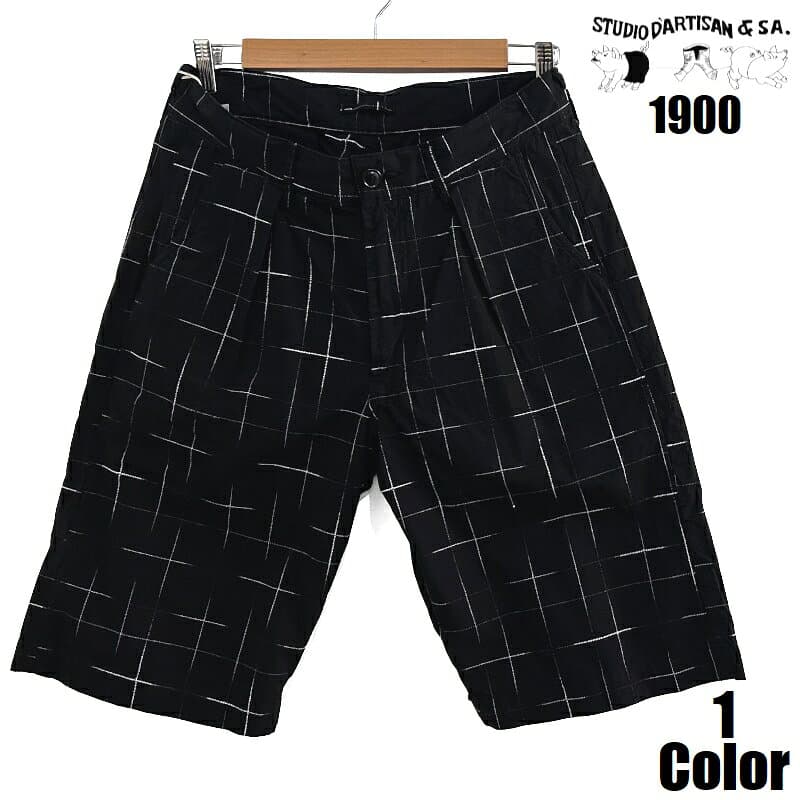
STUDIO D'ARTISAN Kyo Kuro Montsuki-Dyed Kasuri Shorts
ステュディオ・ダ・ルチザン '京黒紋付染絣'ショートパンツ STUDIO D'ARTISAN EASY NAVY 1900 ハーフパンツ 半パン 国産 日本製 メンズ アメカジ あす楽 送料無料
BlackEASY NAVY 楽天市場店
Japanese name京黒紋付染
Kyo-kuro-montsuki-zome links Kyoto black formal wear with deep dyed silk and clear white family crests. Hikizome, immersion dyeing, steaming, washing, drying, and hand-painted crest work shape black tomesode, mourning garments, and crested haori-hakama.
Information last updated 121 days ago
3 imagesステュディオ・ダ・ルチザン '京黒紋付染絣'ショートパンツ STUDIO D'ARTISAN EASY NAVY 1900 ハーフパンツ 半パン 国産 日本製 メンズ アメカジ あす楽 送料無料
BlackEASY NAVY 楽天市場店
First time buying on Rakuten? How residents in Japan order →
The first image of Kyo-kuro-montsuki-zome is a quiet one: deep black silk and a white family crest. The dyeing belongs to Kyoto Prefecture and is made mainly around Kyoto city, with Rakuchu districts such as Nakagyo, Kamigyo, and Shimogyo named in the production setting. Its garments are concrete: black tomesode worn at weddings, mourning wear worn at funerals, and black crested haori-hakama associated with formal ceremony after the Meiji dress change. On silk, the ground is dyed, steamed, washed, dried, corrected, and then marked by hand.
Compiled from public records and official sources; see the recognition links below. Details may change over time.
Where this product is officially registered, designated, or recognized in Japan.
Traditional craft
Designated a Traditional Craft (dentō kōgeihin) by Japan's Ministry of Economy, Trade and Industry.
Sources1
It is written as 京黒紋付染 in Japanese. Search Rakuten and other Japanese sites with that spelling — the English name will not bring up the listings.
Kyo black formal dyeing (kyo-kuro-montsuki-zome) is a black-crest dyeing craft from Kyoto Prefecture, based mainly in Kyoto city, used for black tomesode worn at weddings, mourning garments worn at funerals, and black crested haori-hakama. Patterned black cloth is dyed by hikizome, while plain mourning cloth is dyed by immersion. The dyed silk then goes through several finishing steps before white family crests are added.
The craft's black-dye lineage includes sumi dyeing from around the Heian period and tannin-and-iron mordanting used from the Muromachi period until synthetic dyes became common in Meiji. Production is centered in Kyoto city's Rakuchu area, particularly around Nakagyo, Kamigyo, and Shimogyo. The silk workflow moves through after-dyeing, steaming, washing, drying, and ground-color correction before crest work. White family crests are hand-painted by specialist crest painters using brushes and pattern guides.
Black tomesode is worn at weddings. Mourning garments are worn at funerals. Black crested haori-hakama became formal dress after Meiji-era dress changes.
Naturally dyed textiles shed some colour on first wash. Hand-wash separately with a neutral detergent, avoid long soaking and bleach, and dry in the shade to prevent fading. Silk, ramie, and traditionally dyed pieces often need professional cleaning — the care label on the listing takes precedence.
Most options are shelf-stable, boxed, and travel well, so they suit gifting or bringing home. Confirm the final storage and delivery terms on the Rakuten listing.
On Rakuten: the shops listed here right now are EASY NAVY 楽天市場店. We don't sell directly; purchase, payment, stock, and delivery are all handled on the Rakuten product page.