 3 images
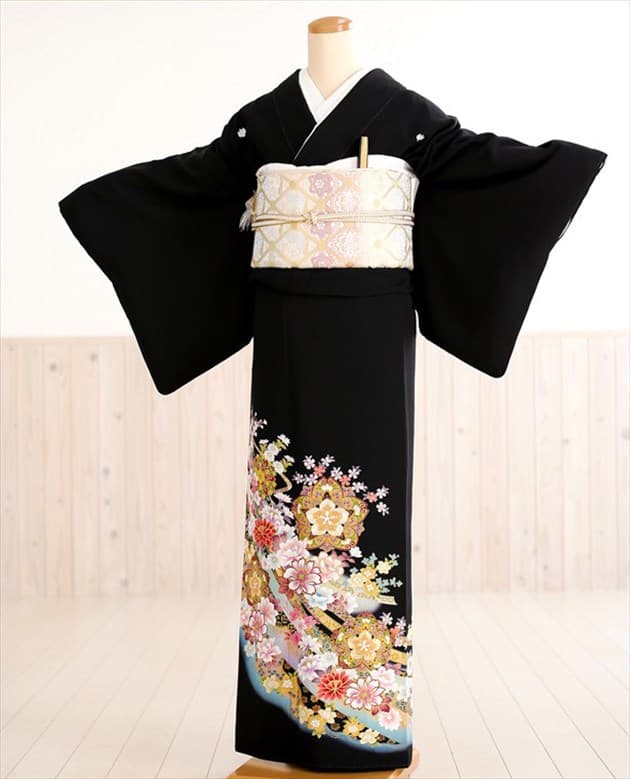
Kyo-Yuzen Black Tomesode Kimono Rental with Bundled Noshi and Gold Celebration Flowers
留袖レンタル ts148 黒留袖レンタル 結婚式 母親 着物レンタル 正絹 親族 留袖 留袖レンタル 人気 母 黒留袖レンタル 京友禅 華燭束ね熨斗に金彩慶華 2022【fy16REN07】【レンタル】
ts148 high-class tomesode貸衣裳 ぽえむ
5.0 / 4 reviews
Japanese name京友禅
In Kyoto, Kyo-yuzen moves from pictorial dyeing and itome resist to brush color, stencils, machine printing, digital dyeing, and kimono forms seen in today’s exhibitions.
Information last updated 121 days ago
3 images留袖レンタル ts148 黒留袖レンタル 結婚式 母親 着物レンタル 正絹 親族 留袖 留袖レンタル 人気 母 黒留袖レンタル 京友禅 華燭束ね熨斗に金彩慶華 2022【fy16REN07】【レンタル】
ts148 high-class tomesode貸衣裳 ぽえむ
5.0 / 4 reviews
 3 images
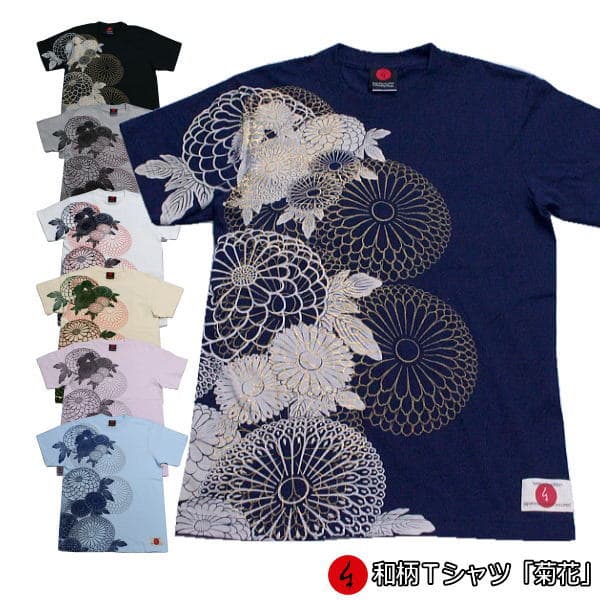
【25%OFFクーポン対象品】和柄Tシャツ「菊花」3L以上 大きいサイズ 極厚生地 冬でも着れるTシャツ 半袖 tシャツ 華 カーリー愛用 京都 送料無料 メンズ 生地 服 手染 京友禅
3L+ extra-thick fabric和柄カジュアル工房 京都壬生堂
5.0 / 3 reviews
First time buying on Rakuten? How residents in Japan order →
Kyo-yuzen is a Kyoto dyeing technique for placing colorful, painterly patterns on kimono. Its name is tied to Miyazaki Yuzensai, a fan painter associated with the Gion area, and its present-day world includes Kyoto workshops, dyeing factories, craft dyers, exhibitions, and kimono forms such as furisode, homongi, tomesode, fabric lengths, and dyed obi. A hand-drawn kimono may pass through about twenty processes before the final color and gold details settle onto the cloth.
Kyo-yuzen begins with dye on cloth, not with a woven pattern. Kyoto Prefecture describes it as a dyeing technique that creates colorful, pictorial designs on kimono, while Kyoto’s Yuzen organizations place the name within the city’s kimono-making network of cooperatives, workshops, and dyeing factories. The culture around Kyo-yuzen is concrete: a federation in Kyoto City connected with nine kimono-making cooperatives, workshops where kimono production can be observed, and textile forms such as furisode, homongi, tomesode, fabric lengths, and dyed obi. The word points to people, rooms, tools, and garments before it points to any broad idea of Kyoto style.
Kyoto Prefecture traces Kyo-yuzen to dyeing methods already developed by the Edo period. During the Genroku years, Miyazaki Yuzensai, a fan painter living around Kyoto’s Gion area, is said to have added beautiful pictorial drawing to those methods, helping establish hand-drawn Yuzen; the Yuzen name is also said to come from him. That history is easiest to grasp through the object in front of the maker: a kimono surface receiving lines and images shaped by someone trained in fan painting. When people speak of this tradition, the concrete base is the movement from dyeing method to pictorial line to kimono cloth.
In the Meiji era, imported chemical dyes brought vivid colors and a wider color range. Hirose Jisuke, known as a master of hand-drawn Yuzen, developed stencil-based Yuzen called utsushi-yuzen; compared with hand drawing, stencil Yuzen used cut paper stencils to dye patterns in larger numbers and helped Yuzen reach more people. The paper stencil changed the dyeing room. Color separation, stencil alignment, repeated motifs, and cloth handling allowed the craft to carry ordered patterns and layered color without relying only on a single hand-drawn line.
A hand-drawn Kyo-yuzen kimono can involve about twenty processes and a specialist division of labor. The underdrawing may be placed directly on temporarily assembled cloth with blue dayflower juice; then rubber paste is squeezed along the design to make itome resist lines that keep later dyes from bleeding into neighboring areas. During color insertion, artisans use brushes and hake brushes with dozens of dyes. Gold finishing can include kinkukuri, rubbed foil, pressed foil, and sunago. The refined surface comes from these specific materials and actions: blue dayflower, rubber paste, brushes, dye, foil effects, and the hands of specialists working on one garment surface.
Stencil dyeing uses paper stencils prepared according to the number of colors, and one kimono may require dozens or even hundreds of stencils. In itaba-yuzen, cloth is stretched on a long board; the board is about six meters long, with front and back corresponding to one kimono. Rubbing, spray dyeing, gradation brushes, and hiki-zome all depend on taut cloth and even color. Kyo-yuzen technique also includes machine printing and digital dyeing. Machine printing transfers pattern dyeing to mechanical equipment, while digital dyeing uses image and printer workflows; across these methods, color checking, cloth setup, and attention to seasonal temperature and humidity remain part of the dyeing room.
Kyo-yuzen is visible today in exhibition settings such as Kyoto City KYOCERA Museum of Art. The Kyo-yuzen Kimono Art Exhibition organized by the Kyoto craft dyers’ cooperative presents hand-drawn Kyo-yuzen kimono in divisions for overall patterns, hem patterns, and long fabric lengths, with categories including furisode, homongi, kurotomesode, irotomesode, fabric lengths, tsukesage, and dyed obi. Those garment names show how the dyeing meets use. Furisode can carry large flowing patterns, tomesode concentrates attention near the hem, and a dyed obi gathers color and motif on the long cloth worn at the waist. Continuity here means identifiable kimono forms, Kyoto dyers, and exhibition rooms where the work is still shown.
Kyo-yuzen stays close to the cloth: the Gion-area fan painter connected with its name, Meiji stencils and chemical dyes, blue dayflower underdrawing, itome resist, brush color, gold finishing, long boards, humidity-aware dyeing, and kimono forms displayed in Kyoto. Its tradition is best understood through materials, tools, divided labor, and the way color settles onto garments made to be worn and seen.
Compiled from public records and official sources; see the recognition links below. Details may change over time.
Where this product is officially registered, designated, or recognized in Japan.
It is written as 京友禅 in Japanese. Search Rakuten and other Japanese sites with that spelling — the English name will not bring up the listings.
Kyo yuzen is a Kyoto kimono dyeing technique that creates colorful, painterly patterns on cloth. It is associated with the Gion-area fan painter Miyazaki Yuzensai, and in the Meiji era chemical dyes and Hirose Jisuke’s stencil-based Yuzen broadened production. Today its techniques include hand-drawn dyeing, stencil dyeing, machine printing, and digital dyeing; a hand-drawn kimono may pass through about twenty processes.
Hand-drawn process details include blue dayflower underdrawing, rubber-paste itome resist, brushes, dozens of dyes, and gold finishing. Stencil dyeing may use dozens to hundreds of paper stencils for one kimono and can involve a board about six meters long. In the Meiji era, imported chemical dyes and Hirose Jisuke’s stencil-based Yuzen helped Yuzen spread to more people. Contemporary exhibition categories include furisode, homongi, kurotomesode, irotomesode, fabric lengths, tsukesage, and dyed obi.
Kyo yuzen is used when planning kimono and formalwear; exhibition categories include furisode, homongi, kurotomesode, irotomesode, cloth lengths, tsukesage, and dyed obi. The Kyoto Yuzen cooperative federation introduces public workshops and dyeing factories where visitors can see kimono production after booking directly with the selected workshop or factory.
Naturally dyed textiles shed some colour on first wash. Hand-wash separately with a neutral detergent, avoid long soaking and bleach, and dry in the shade to prevent fading. Silk, ramie, and traditionally dyed pieces often need professional cleaning — the care label on the listing takes precedence.
Most options are shelf-stable, boxed, and travel well, so they suit gifting or bringing home. Confirm the final storage and delivery terms on the Rakuten listing.
On Rakuten: the shops listed here right now are 貸衣裳 ぽえむ, 和柄カジュアル工房 京都壬生堂. We don't sell directly; purchase, payment, stock, and delivery are all handled on the Rakuten product page.