
Kyoto Local Goods Guide
京都府
Kyoto is indexed here as a practical buying guide for travelers and foreign residents in Japan. Start with packable gifts, then compare table goods, quiet luxuries, and crafted objects when you need a stronger sense of place.
49Local selections
What Kyoto is known for
The 8 products below are what Kyoto is known for, ordered by how strongly each is rooted in the prefecture — what it is, and why it comes from here.
Taiza CrabRegional foods
In Kyotango, Kyoto Prefecture, boats work grounds close enough to fish and return the same day. Before the November 6 opening, the prefecture's marine center sizes shells and claws along the Sea of Japan coast.
Manganji Sweet PeppersRegional foods
Grown from Maizuru's Manganji district out to Ayabe and Fukuchiyama, this big, thick-fleshed summer pepper has few seeds and almost no heat — easy to simmer, grill, or fry.
Kyo confectionsRegional foods
Kyoto-trained makers shape white bean paste, azuki, rice flour, sugar, and agar into sweets for court memory, temple occasions, tea rooms, and the turning year.
Kyo black formal dyeingTextiles
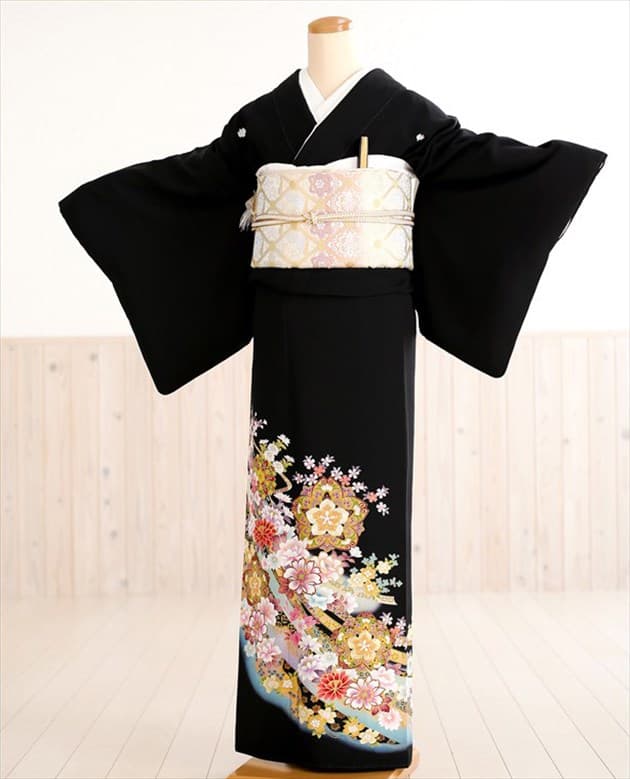
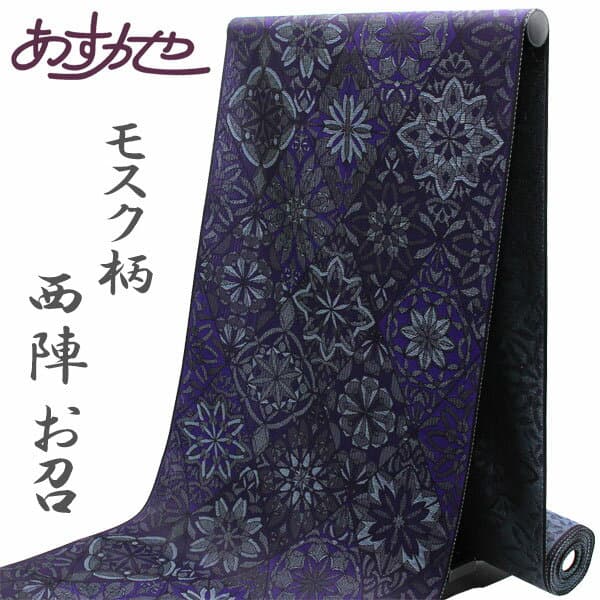
Kyo-kuro-montsuki-zome links Kyoto black formal wear with deep dyed silk and clear white family crests. Hikizome, immersion dyeing, steaming, washing, drying, and hand-painted crest work shape black tomesode, mourning garments, and crested haori-hakama.
Kyo embroideryTextiles
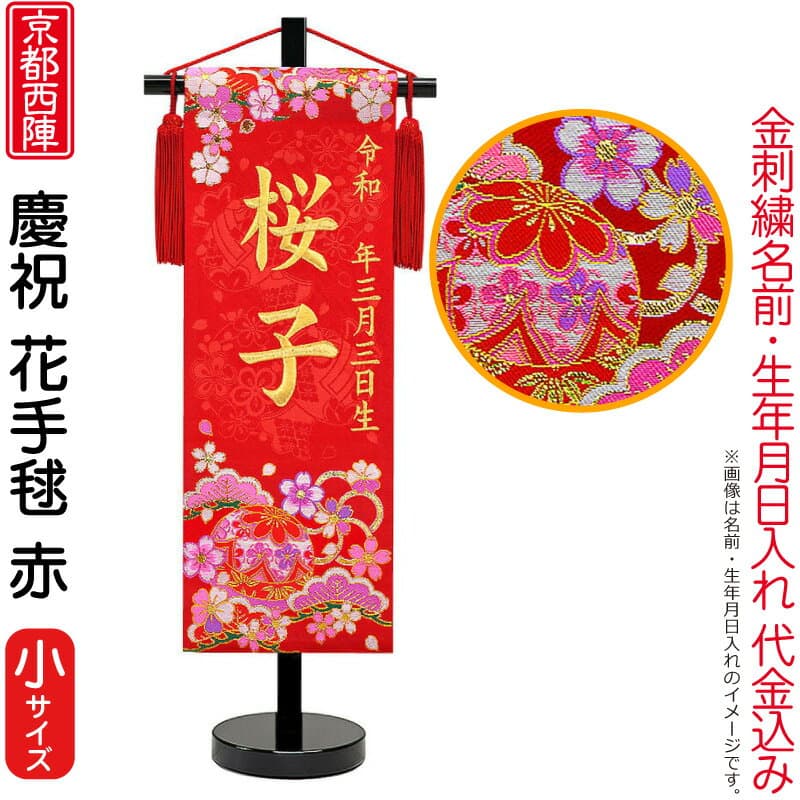
From the Nuidonotsukasa office of the Heian capital to twelve-layer robes, Noh costume, kosode, and framed works, Kyō-nui builds pattern with cloth and multicolored thread.
Kyo tofuRegional foods
Kyo-tofu begins with soybeans, coagulant, and Kyoto water, then moves through hot soy milk, momen tofu cavities, yudofu bowls, hirosu, oage, and member tofu shops.
Kyo senbeiRegional foods
Kyoto’s sweet senbei name is carried by a confectionery cooperative, while its most vivid clues come from wheat flour, egg, sugar, hot iron plates, and quick shaping in maker examples.
Kyo arareRegional foods
Domestic mochi rice is steamed whole, pounded, rested, cut, dried slowly, and baked until fragrant; Maruyama and Fushimi kakimochi place Kyo-arare inside Kyoto’s rice-confectionery memory.
Regional Gifts
Packable foods and gifts with clear regional character.
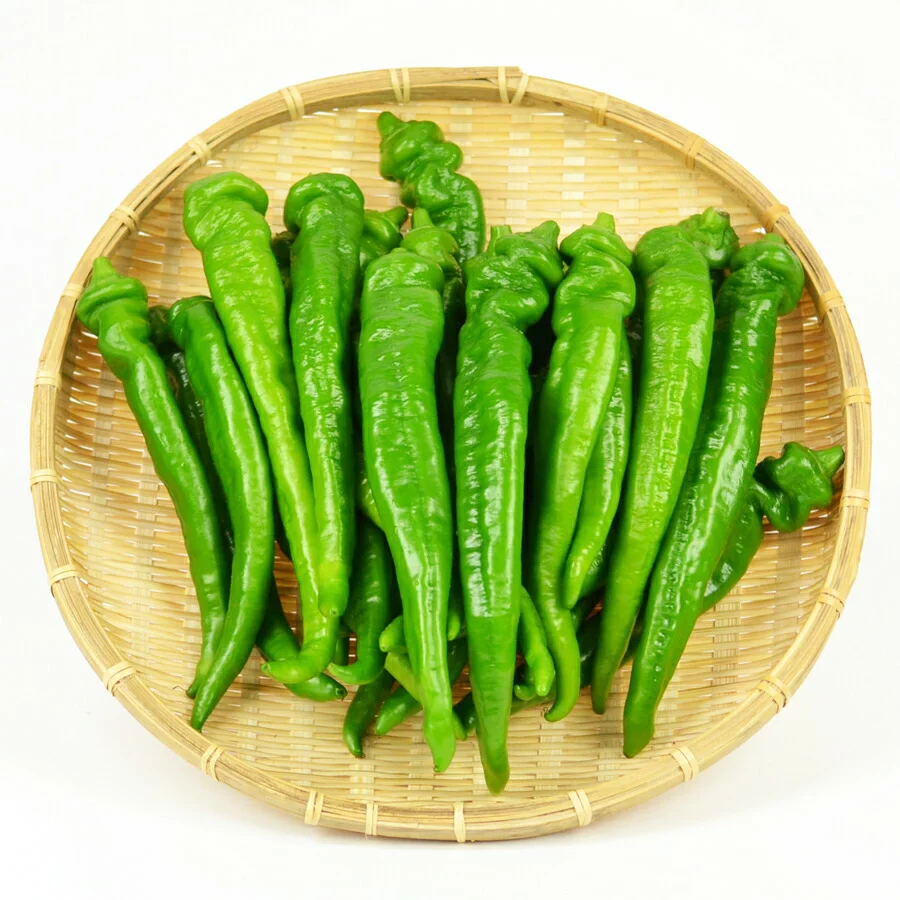
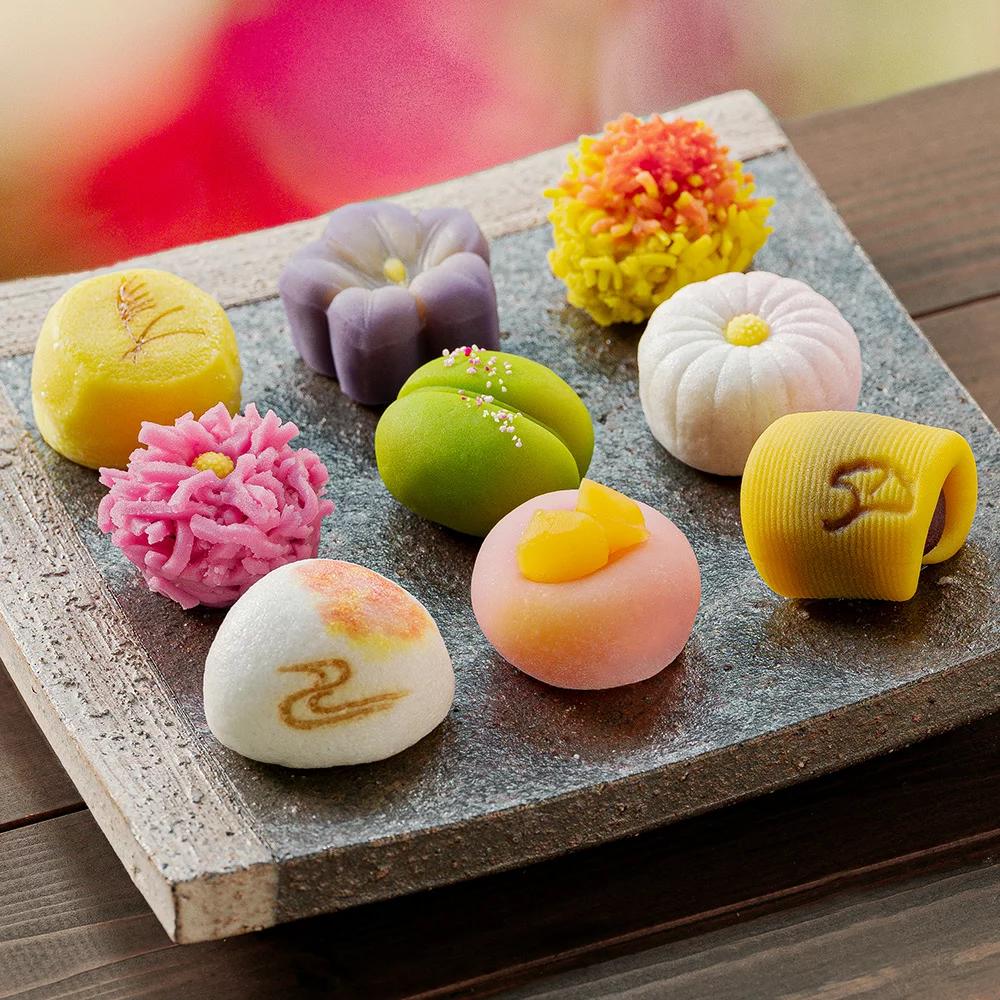


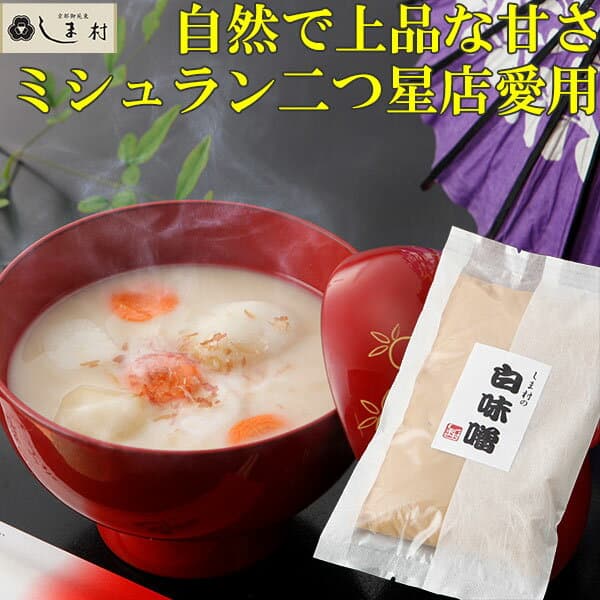

Table & Tea
Tea, drinks, foods, and table pieces shaped by local taste.


Daily Rituals
Home goods and textiles that turn everyday use into a local ritual.



Crafted Forms
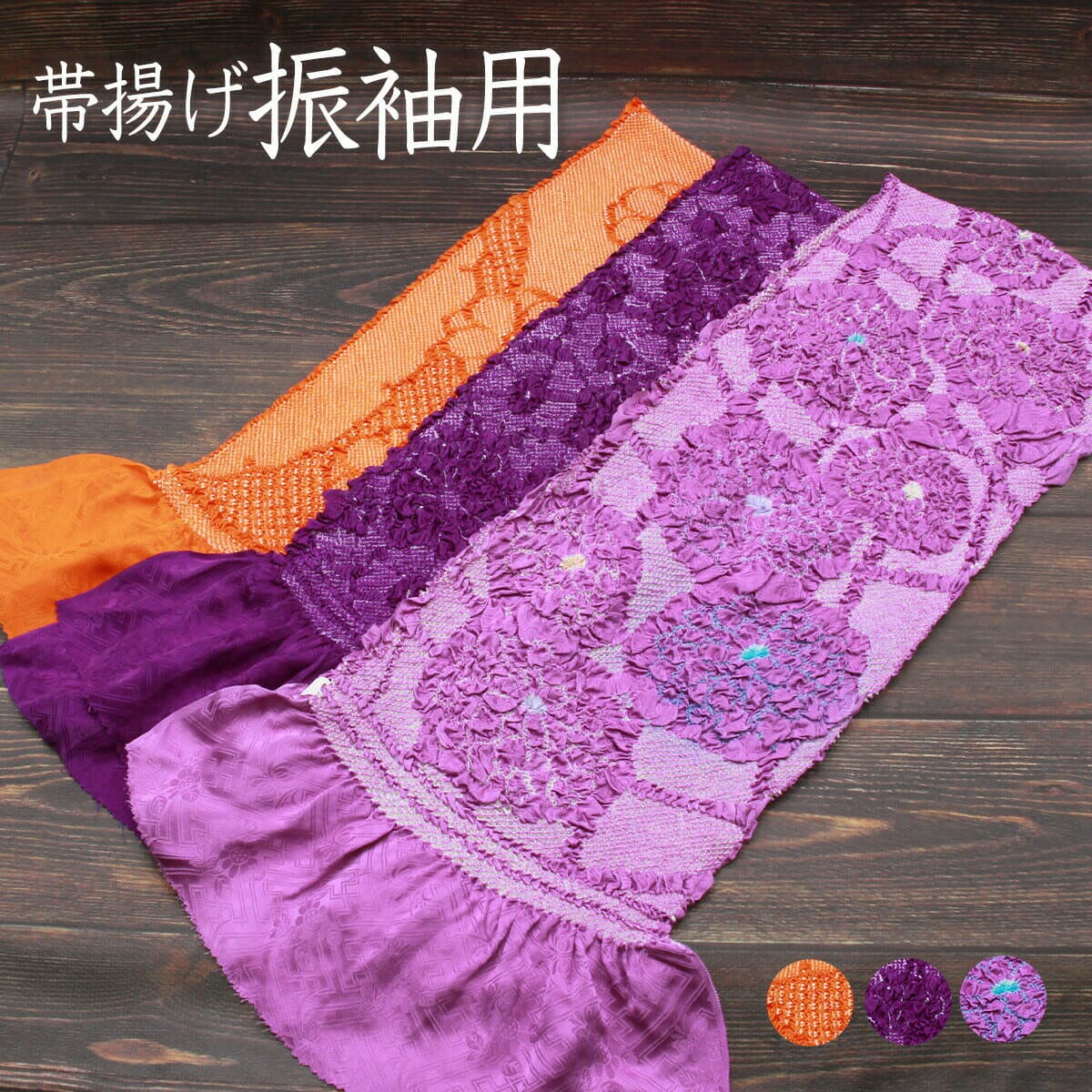
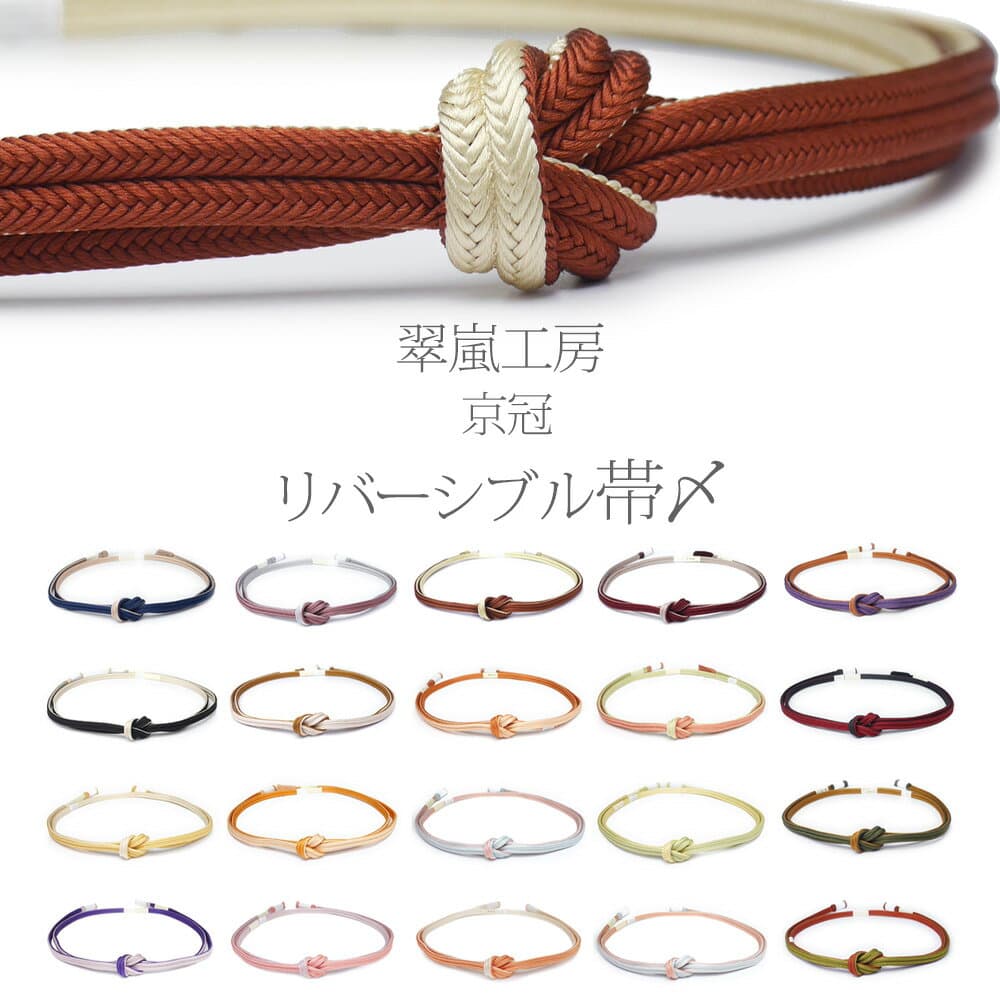
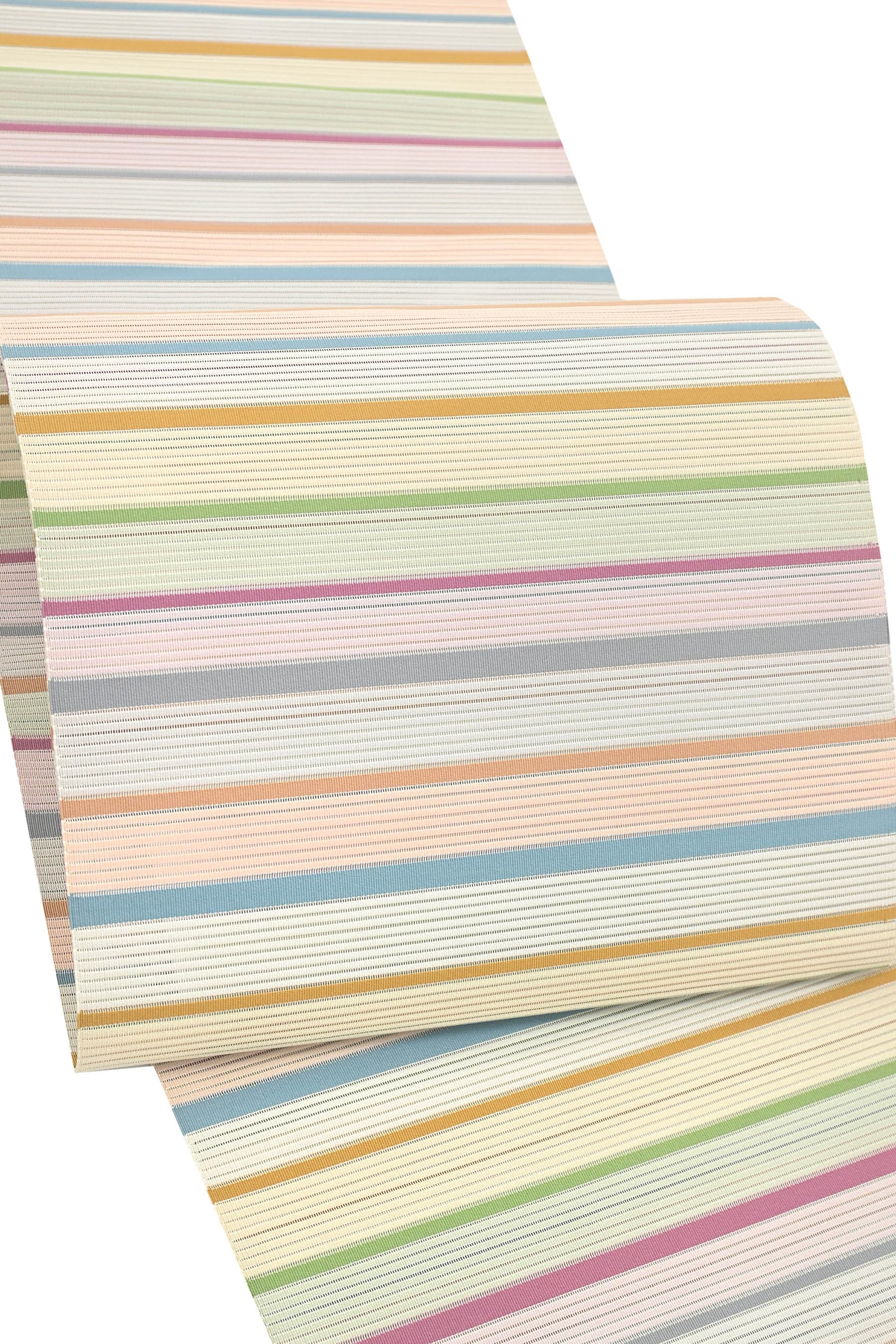
Ceramics, lacquer, glass, woodwork, metalwork, folk craft, and their forms.


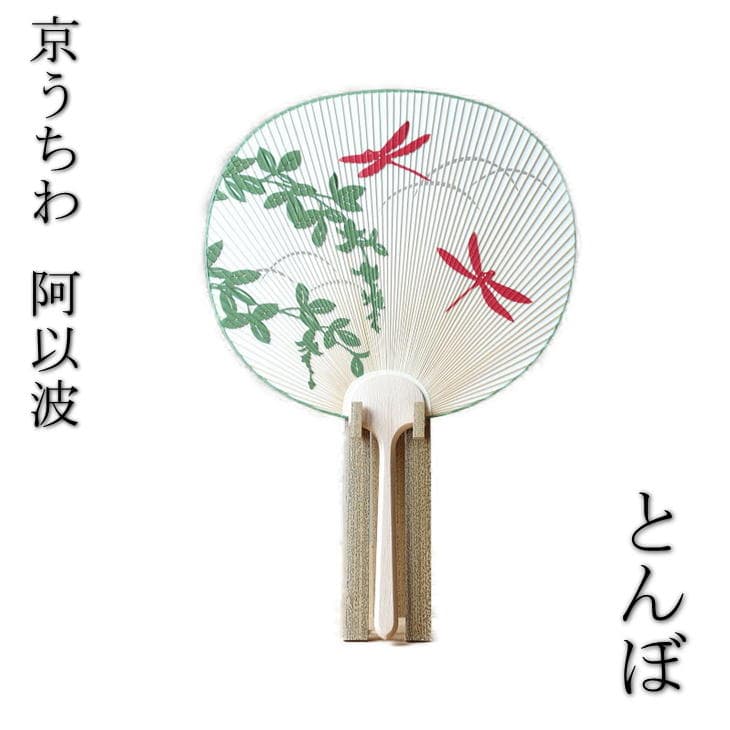
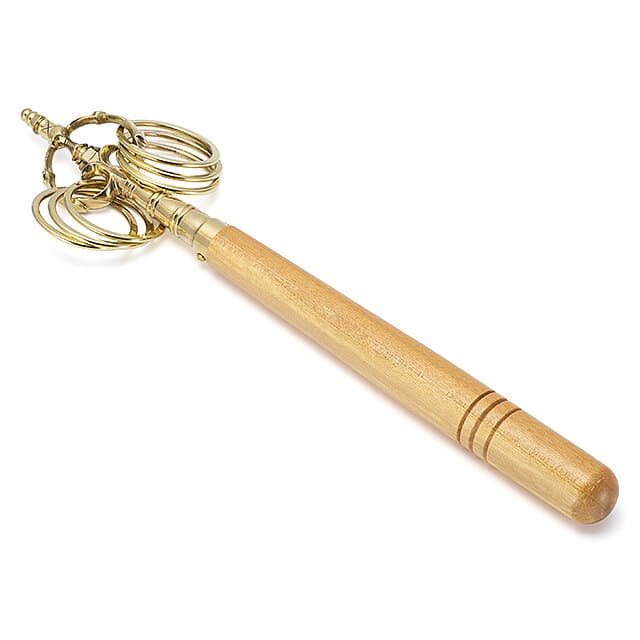

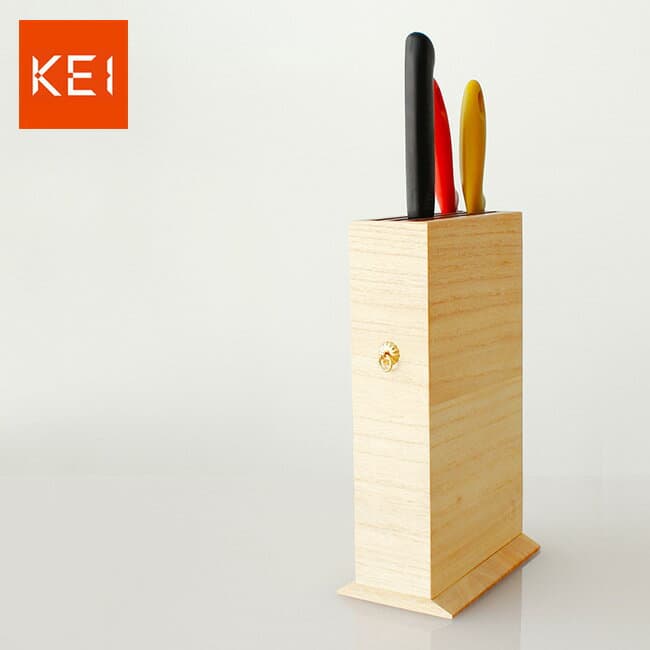
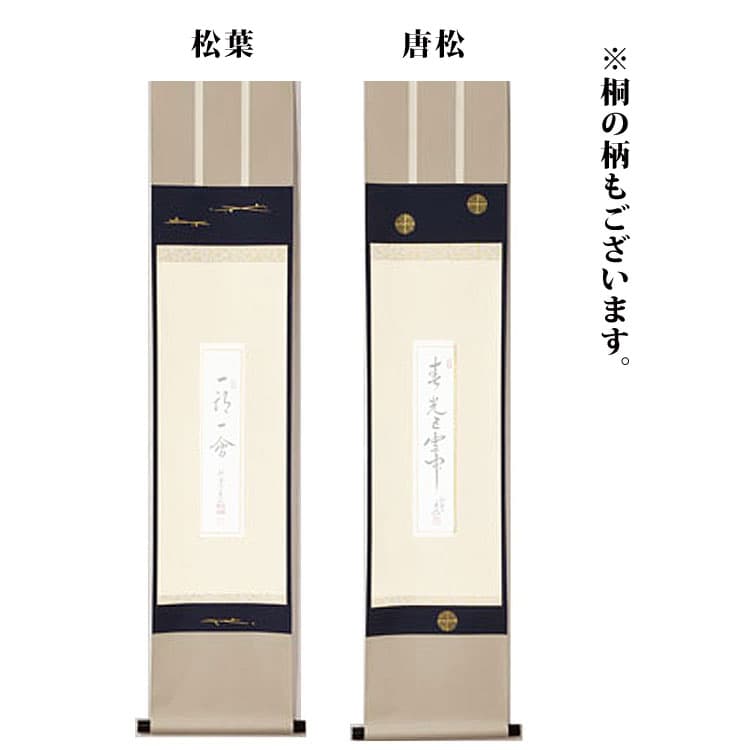
Kyoto's specialties by category
How the same thing is made elsewhere, and what differs: the category overviews start here.
Kind before region: fresh fish is about handling, crab and oysters about season, nori and dried goods about processing.
Start with type, not region: white miso is sweet and short-aged, red miso is salty and long-aged, bean miso is soybeans and salt only.
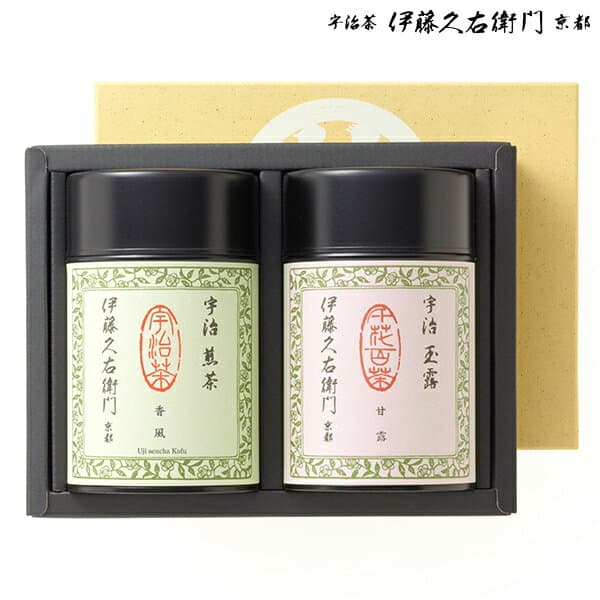
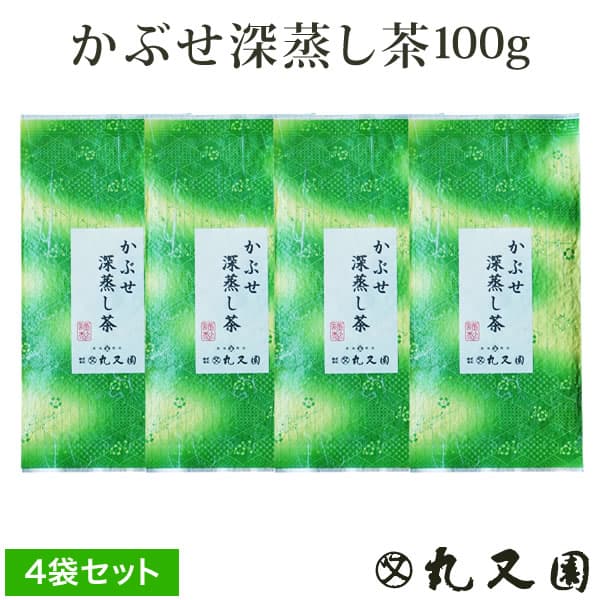
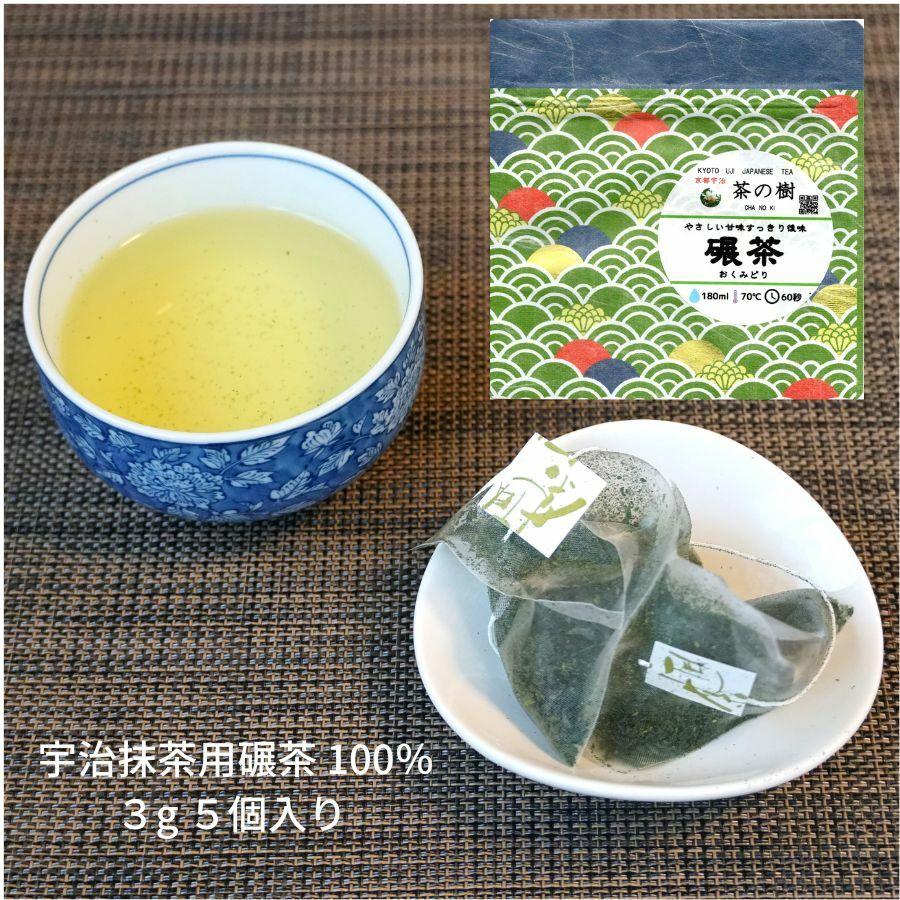
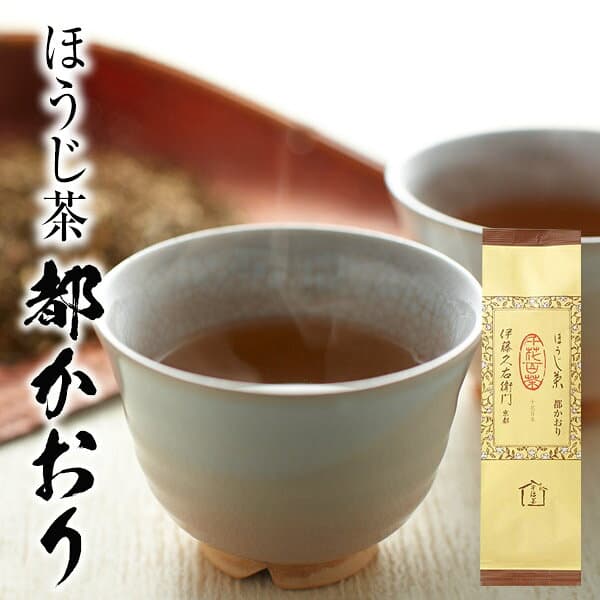
Pick the type before the region: sencha is brisk, gyokuro is sweet and thick, matcha is ground tencha, hojicha is roasted and not bitter.
Earthenware or porcelain first, then the surface: unglazed like Bizen, glazed like Hagi, or painted like Kutani.
Woven or dyed first: tsumugi, kasuri and chijimi weave dyed yarn; yuzen, komon and bingata dye white cloth.
Everyday Japanese tools, each tied to a named craft region and still made for use.
FAQ
What is Kyoto known for?
Kyoto (Kansai) is represented here by specialties such as Taiza Crab, Manganji Sweet Peppers, Kyo confections — each verified against official registries and matched to Rakuten listings.
Are Kyoto souvenirs good to bring home?
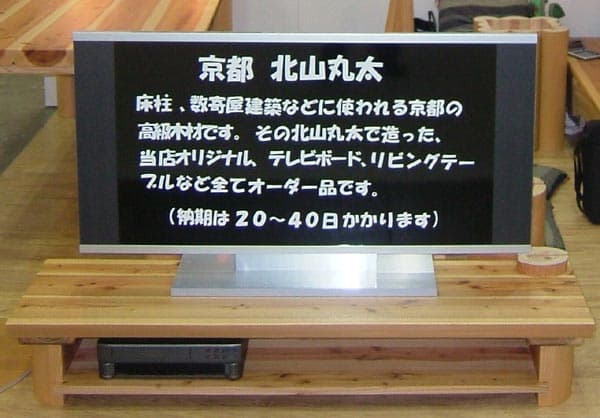
Items such as Kyo confections, Kyo black formal dyeing, and Kyo embroidery usually travel well. For Taiza Crab, Kitayama logs, and Kitayama cedar, it depends on the form or the quantity. Many countries restrict bringing in foods such as Manganji Sweet Peppers and Kyoto heirloom vegetables, so those are best enjoyed in Japan. Rules differ by destination, so check yours before you pack.
Are these products sold directly by this site?
No. This site curates Rakuten listings and may earn affiliate revenue from links to Rakuten.
How are products selected?
Listings are filtered for local relevance, product images, availability, and review strength.