 3 images
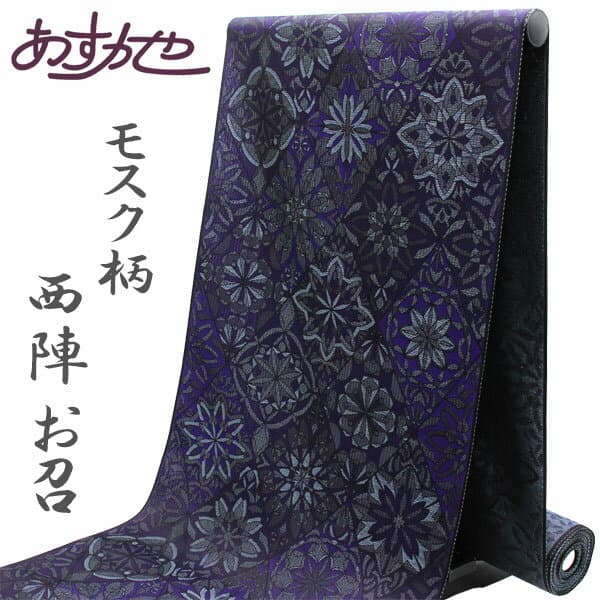
Nishijin Omeshi Mosque-Pattern Kimono Fabric
着物 西陣御召着尺 モスク柄 単衣にも あすかや [商品番号t2161]
mosque patternあすかや
Japanese name西陣御召
Nishijin Omeshi begins with a weaving method from Kyoto City’s Nishijin area, using pre-dyed silk and strongly twisted weft to raise the crepe-like shibo of omeshi chirimen.
Information last updated 121 days ago
3 images着物 西陣御召着尺 モスク柄 単衣にも あすかや [商品番号t2161]
mosque patternあすかや
 3 images
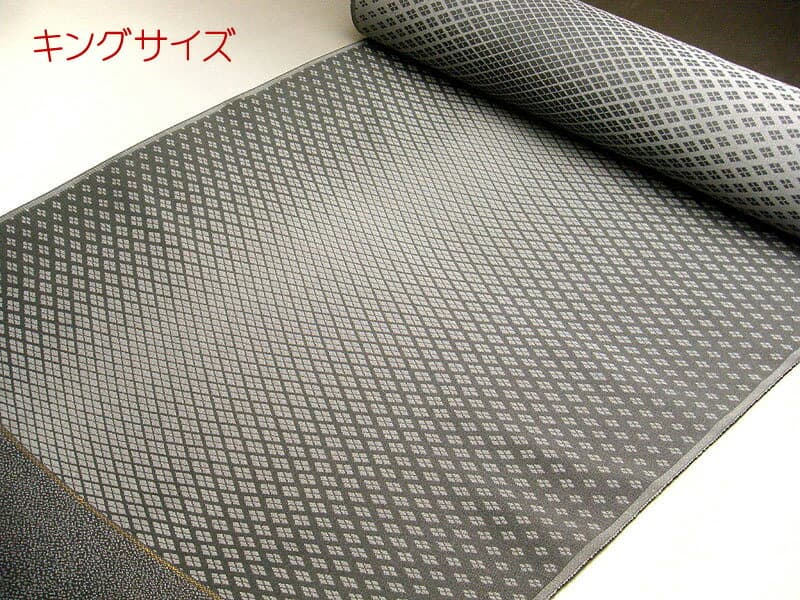
反物 お召 キングサイズ おめし 先染 広巾 裄長 一尺一寸 正絹 御召 西陣御召 絹 シルク 男着尺 男女兼用 男物着物 男物羽織 男性羽織 着尺 男着物 羽織 コート お洒落用 街着 広幅 袷 単衣 単 カジュアル着物 新品 未仕立て
king size, approx. 41.5cm x 12.8mきもの幸造
 3 images
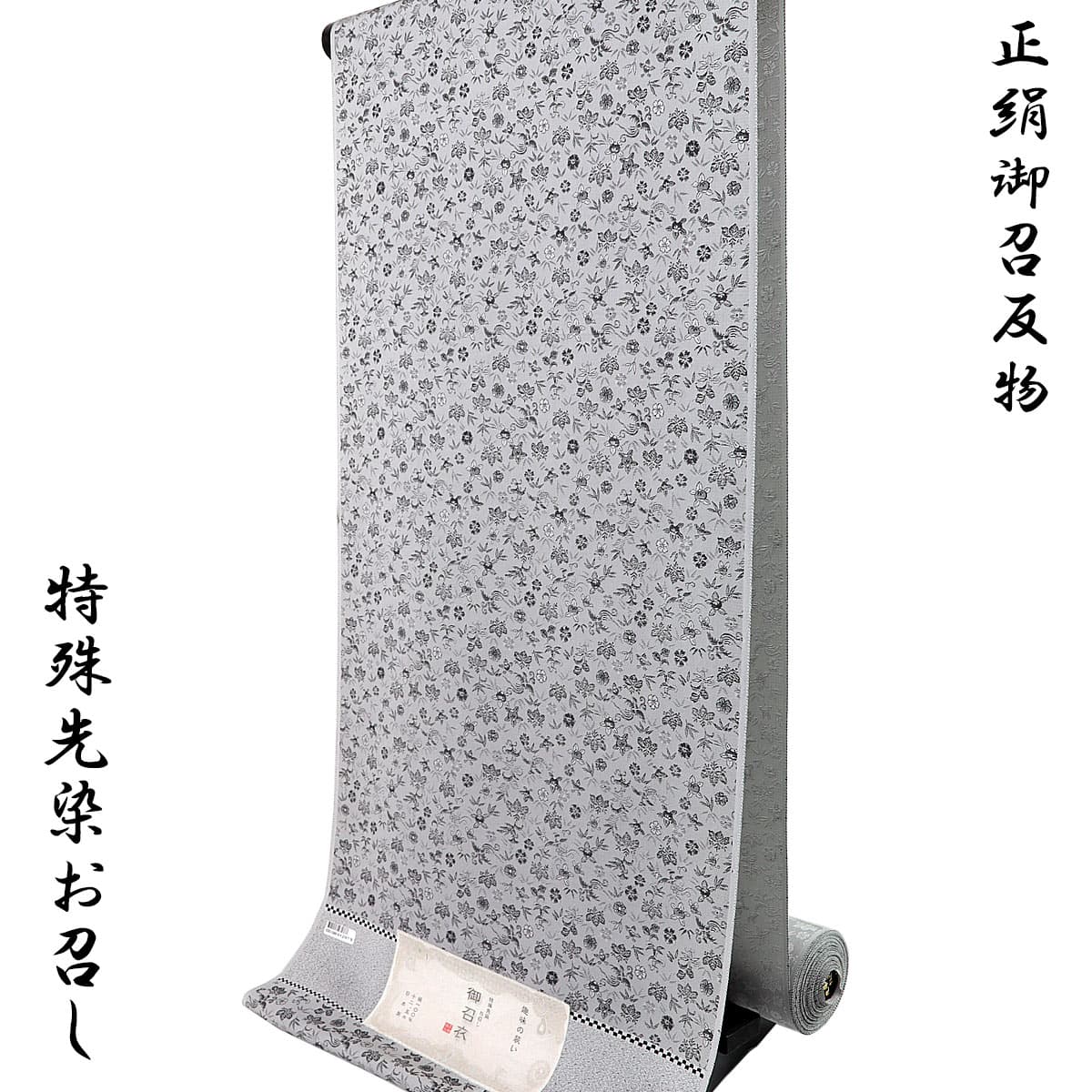
御召し 反物 -71- 白鼠 桐竹鳳凰 桜橘 西陣御召 39.0cm巾 日本の絹 正絹 絹100%
No. 71, white-gray, 39.0 cm widthあおい 正直問屋
First time buying on Rakuten? How residents in Japan order →
In the textile setting linked to Kyoto City’s Nishijin area, Nishijin Omeshi begins with silk dyed before weaving. The cloth is known for the shibo surface associated with chirimen, a small raised texture formed through strong weft twist, alternating insertion, lukewarm water, and rubbing. As omeshi chirimen fabric, and as Japanese clothing made from that fabric, it brings together place, material, technique, and use in cloth meant to be worn.
Compiled from public records and official sources; see the recognition links below. Details may change over time.
Where this product is officially registered, designated, or recognized in Japan.
Regional collective trademark
Registered as a Regional Collective Trademark with the Japan Patent Office.
Sources1
It is written as 西陣御召 in Japanese. Search Rakuten and other Japanese sites with that spelling — the English name will not bring up the listings.
Nishijin omeshi is a pre-dyed silk textile tied to a weaving method from Kyoto City's Nishijin area, with production in Kyoto City and its surrounding areas. Its chirimen-like shibo texture forms when strongly twisted left- and right-twist omeshi-nuki weft threads are woven in alternation, then the finished cloth is soaked in lukewarm water and rubbed.
One origin account links Nishijin omeshi to Tokugawa Ienari, the eleventh Tokugawa shogun, and his preference for fine-lattice chirimen. The Nishijin omeshi family also includes omeshi chirimen fabric itself and Japanese clothing made from it. The omeshi-nuki weft is twisted strongly to the left or right before being woven in alternation. After weaving, the cloth is soaked in lukewarm water and rubbed to bring out the shibo surface.
Omeshi chirimen fabric is used to make Japanese clothing.
Naturally dyed textiles shed some colour on first wash. Hand-wash separately with a neutral detergent, avoid long soaking and bleach, and dry in the shade to prevent fading. Silk, ramie, and traditionally dyed pieces often need professional cleaning — the care label on the listing takes precedence.
Most options are shelf-stable, boxed, and travel well, so they suit gifting or bringing home. Confirm the final storage and delivery terms on the Rakuten listing.
On Rakuten: the shops listed here right now are あすかや, きもの幸造, あおい 正直問屋. We don't sell directly; purchase, payment, stock, and delivery are all handled on the Rakuten product page.