 3 images
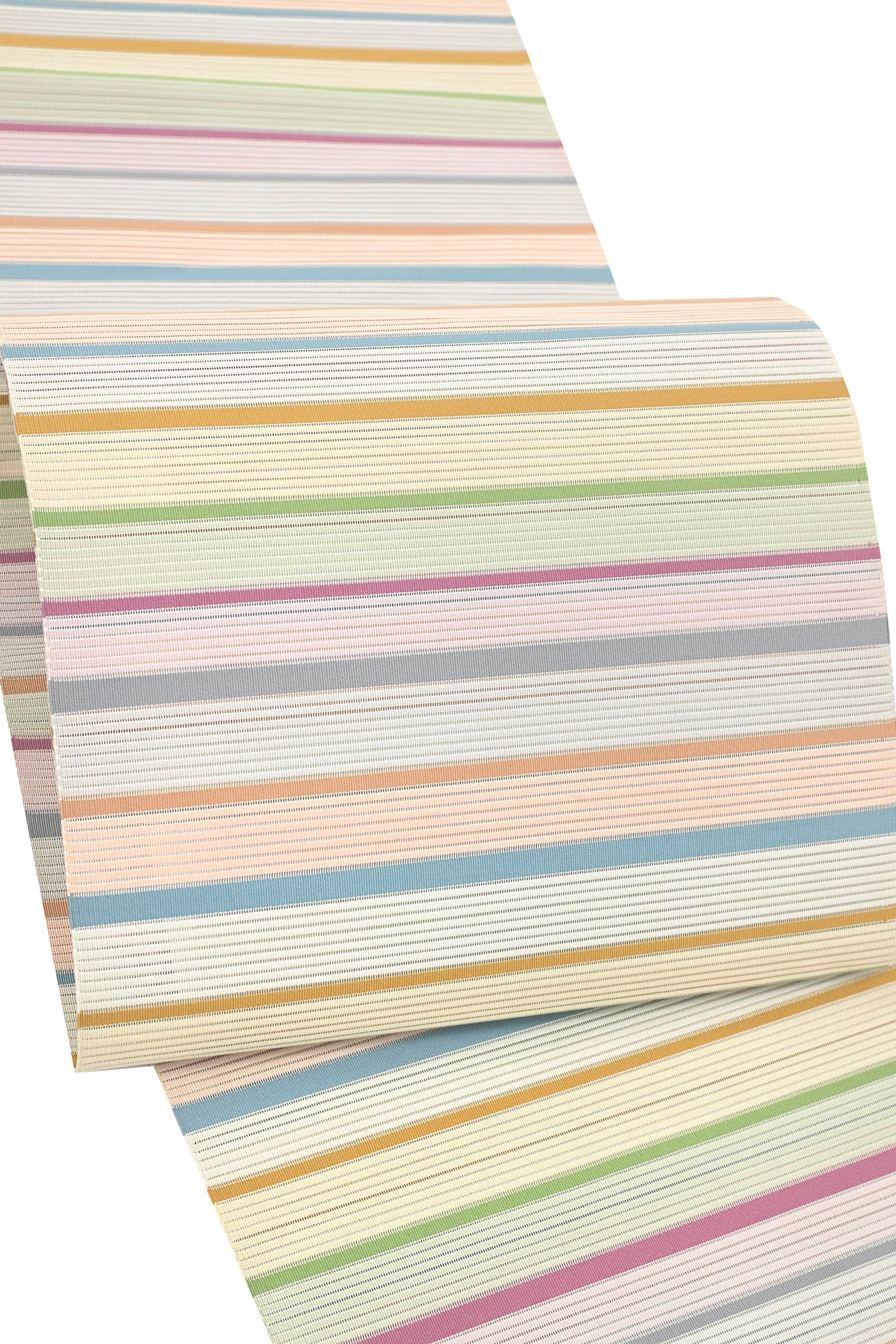
Kiyohara Orimono Nishijin Tsume-kaki Hon-Tsuzure Ro-Tsuzure Hachisun Summer Obi
【20%OFFクーポン対象】 【夏帯】 【爪織つづれ織匠 清原織物・清原宗八】 特選西陣爪掻本綴織絽綴れ八寸帯 ≪御仕立て上がり・新古品≫ 綴れに宿る彩の余韻…
tailored, unused vintage京都きもの市場 楽天市場店
Japanese name西陣爪掻本綴織
Nishijin tsumekaki hon tsuzure-ori grows out of Kyoto’s Nishijin methods, placing colored weft only where a motif needs it and guiding each thread with saw-tooth-shaped fingernail tips.
Information last updated 20 days ago
3 images【20%OFFクーポン対象】 【夏帯】 【爪織つづれ織匠 清原織物・清原宗八】 特選西陣爪掻本綴織絽綴れ八寸帯 ≪御仕立て上がり・新古品≫ 綴れに宿る彩の余韻…
tailored, unused vintage京都きもの市場 楽天市場店
First time buying on Rakuten? How residents in Japan order →
In Kyoto’s Nishijin textile setting, a pattern can appear while the cloth itself is being woven. Nishijin tsumekaki hon tsuzure-ori refers to tsumekaki hon tsuzure woven fabric made by methods derived from Kyoto City’s Nishijin area and produced in Kyoto City and nearby areas, along with obi made from that fabric; tatami-edge cloth falls outside the range. Its clearest image is the hand at the loom: colored yarn enters only the part of the motif that needs it, then fingernail tips shaped like tiny saw teeth draw, gather, and weave the thread into place.
The place connection begins with the Nishijin area of Kyoto City. Nishijin tsumekaki hon tsuzure-ori refers to fabric made by methods derived from that area and produced in Kyoto City and its surrounding region. Obi using the fabric are included in the range, while tatami-edge cloth is excluded. These boundaries tie the name to a particular Kyoto textile practice: Nishijin methods, Kyoto-area making, woven fabric, and obi cloth.
The broader Nishijin-ori setting helps explain why the cloth is read through yarn structure. Nishijin-ori is described as a pre-dyed figured textile from Kyoto’s Nishijin area, and weaving forms cloth by interlacing yarns rather than by coloring a finished surface. In Nishijin tsumekaki hon tsuzure-ori, the motif belongs to that woven structure, where yarn, loom, and hand movement make the image together.
The central technique is the expression of fine, lively motifs with weft yarns alone. Different colored yarns are inserted only in the parts where each color is needed, rather than carried across the whole width without distinction. A leaf, border, or small figure can emerge from short passages of color placed exactly within the weave.
The color in Nishijin tsumekaki hon tsuzure-ori is part of the act of making the fabric. Each passage of weft carries structure and image at the same time. Up close, the viewer is looking at interlocked threads, carefully placed color, and a motif that gains shape from the density and direction of the yarn.
The word tsumekaki points to the weaver’s fingertips. During weaving, the fingernail tips are shaped with saw-tooth-like edges and used to draw, gather, and set the threads into the cloth. The decisive tool sits close to the hand itself: the nail tip adjusts distance, color placement, and the edge of a motif.
That finger work gives the name its practical force. Nishijin tsumekaki hon tsuzure-ori includes the finished design and the hand technique that moves colored weft into position. Thread by thread, the motif gains definition through repeated pulling, gathering, and weaving at the loom.
In Kyoto’s Kamishichiken area, the technique also appears in a teaching and practice setting. Soushitsuzureen is a workshop led by Hirano Kikuo that combines hand-weaving experiences and classes for Nishijin-ori tsumekaki hon tsuzure-ori. The setting gives the textile a present-day place: loom, yarn, classroom, and hand movement bring the technique close enough to be practiced.
The workshop describes its aim as the wider diffusion, succession, preservation, and development of tsuzure weaving. In concrete terms, those words point to lessons, hand-weaving sessions, and repeated steps at the loom in Kamishichiken. Continuity here is carried by people learning how to place weft yarns and move them by hand.
Within the range of goods, obi made with tsumekaki hon tsuzure woven fabric are an important use. The obi setting lets the weft-built motifs move into dress, where the woven image wraps around the body. Broader Nishijin-ori context includes uses such as obi, kimono, Noh costumes, kinran, and neckties; for Nishijin tsumekaki hon tsuzure-ori, the strongest anchors remain its own fabric, obi, and fingernail-guided weft technique.
Handwoven tsuzure fabric is also shown in a formal handbag context, including occasions such as parties and weddings. That example works as a careful extension of the cloth’s use. Even on a smaller object, the important elements remain Kyoto-derived method, colored weft placement, and the handwoven texture made at the loom.
Nishijin tsumekaki hon tsuzure-ori is most clearly seen through concrete details: Kyoto Nishijin methods, production in Kyoto City and nearby areas, motifs made by weft yarns, and fingernail tips that draw the threads into place. From Kamishichiken classes to obi cloth and formal-use textiles, the fabric shows how an image can be built inside the structure of the weave itself.
Compiled from public records and official sources; see the recognition links below. Details may change over time.
Where this product is officially registered, designated, or recognized in Japan.
Regional collective trademark
Registered as a Regional Collective Trademark with the Japan Patent Office.
Sources1
It is written as 西陣爪掻本綴織 in Japanese. Search Rakuten and other Japanese sites with that spelling — the English name will not bring up the listings.
Nishijin tsumekaki hon tsuzure-ori refers to tsumekaki hon tsuzure woven fabric made using methods derived from Kyoto City's Nishijin area, produced in Kyoto City and nearby areas, along with obi made from that fabric; tatami-edge cloth is excluded. Motifs are formed using weft yarns alone, with colored yarn inserted only where needed, drawn into place by fingernail tips shaped like saw teeth. In Kyoto's Kamishichiken area, Soushitsuzureen offers hand-weaving experiences and classes that continue tsuzure weaving practice.
Obi made with tsumekaki hon tsuzure woven fabric are included within the goods range for Nishijin tsumekaki hon tsuzure-ori. Tatami-edge cloth is excluded from the Nishijin tsumekaki hon tsuzure-ori range. Soushitsuzureen in Kyoto's Kamishichiken area is led by Hirano Kikuo and combines hand-weaving experiences with classes. Handwoven tsuzure fabric can appear in a formal handbag context for occasions such as parties and weddings.
Beyond obi, handwoven tsuzure fabric has also been used in handbags for formal occasions such as parties and weddings. Soushitsuzureen in Kyoto's Kamishichiken area offers hand-weaving experiences and classes aimed at the diffusion, succession, preservation, and development of tsuzure weaving. Kyoto's traditional-industry exhibits can present finished works, process videos, tools, and materials, along with touch and experience areas, offering a way to learn about handweaving techniques such as tsuzure.
Naturally dyed textiles shed some colour on first wash. Hand-wash separately with a neutral detergent, avoid long soaking and bleach, and dry in the shade to prevent fading. Silk, ramie, and traditionally dyed pieces often need professional cleaning — the care label on the listing takes precedence.
Most options are shelf-stable, boxed, and travel well, so they suit gifting or bringing home. Confirm the final storage and delivery terms on the Rakuten listing.
On Rakuten: the shops listed here right now are 京都きもの市場 楽天市場店. We don't sell directly; purchase, payment, stock, and delivery are all handled on the Rakuten product page.