Japanese Textiles: Tsumugi, Kasuri, Yuzen, Komon, Indigo and Where Each Comes From
Woven or dyed first: tsumugi, kasuri and chijimi weave dyed yarn; yuzen, komon and bingata dye white cloth.
Woven or dyed: the first split
The first way to sort a traditional Japanese cloth is not by region but by how the pattern got there. Woven textiles dye the yarn first and weave the colour into a pattern, what the trade calls saki-zome; dyed textiles weave a white cloth first and put the design on afterwards, ato-zome. The families on this site fall into those two groups, and they cluster most densely in Okinawa, Kyoto, Tokyo and Niigata. The sections below take the types first and the regions inside each.
On the woven side: tsumugi originally meant silk cloth woven from hand-spun floss yarn, plain and hard-wearing. Kasuri ties and dyes the yarn before weaving, then lines the warp and weft up at the loom, which gives the pattern its softly blurred edges. Chijimi and jofu are mostly ramie summer cloths: chijimi crinkles because the weft is strongly twisted, jofu is fine flat-woven ramie. Nishijin textiles and Hakata textiles are mainly silk, with the pattern woven straight into the cloth, and much of it goes into obi.
On the dyed side: yuzen draws resist lines in paste on the cloth and fills the colour in, so the surface reads like a painting. Stencil dyeing puts paste through a paper stencil before dyeing; komon is its smallest-patterned form, and bingata is Okinawa's version with the colour brushed in by hand. Shibori binds the cloth before it goes into the dye, and the bound parts stay white. Indigo uses a fermented vat that yarn or cloth is dipped into again and again.
Tsumugi: the yarn decides the hand
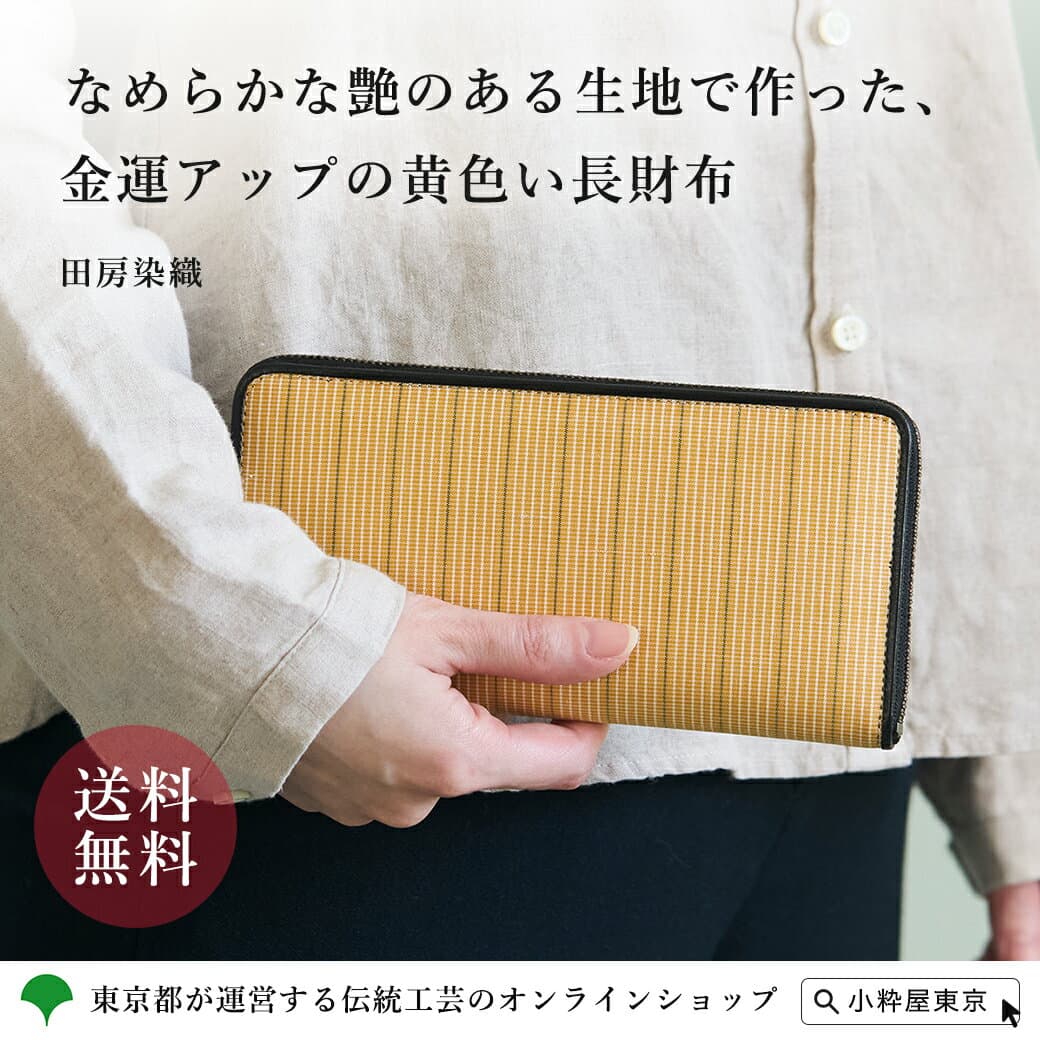
Yuki tsumugi comes from Yuki City in Ibaraki, which had become the production centre by the Kamakura period. In the plain-weave form both warp and weft are untwisted thread spun by fingertips from silk floss, the kasuri is tied by hand, and the cloth is woven on a ground loom where the weaver controls the tension with the waist, which is why it comes out light and warm. Besides kimono it is now made into card cases, wallets and neckties.
Honba Oshima tsumugi originated on Amami Oshima and developed in the Kagoshima production area. Around Meiji 40, in 1907, the makers adopted the shimebata loom for tie-resist kasuri, which made the fine patterns stable and gave rise to the saying that Oshima tsumugi is woven twice; the motifs come from nature on Amami, dragonflies and turtle shell among them, and the cloth has a restrained sheen, is light and warm, and resists creasing. Only cloth that passes 20 quality inspection items receives the certificate.
Ushikubi tsumugi comes from Shiramine in Hakusan, Ishikawa, and takes its name from the old village of Ushikubi. The weft is tama-ito, reeled on a zaguri from double cocoons that two silkworms spin together, over a warp of raw silk; its toughness earned it the nickname kugi-nuki tsumugi, the nail-pulling tsumugi, while it is also described as lustrous and soft against the body.
Kasuri, chijimi and jofu: pattern in the yarn, coolness in the ramie
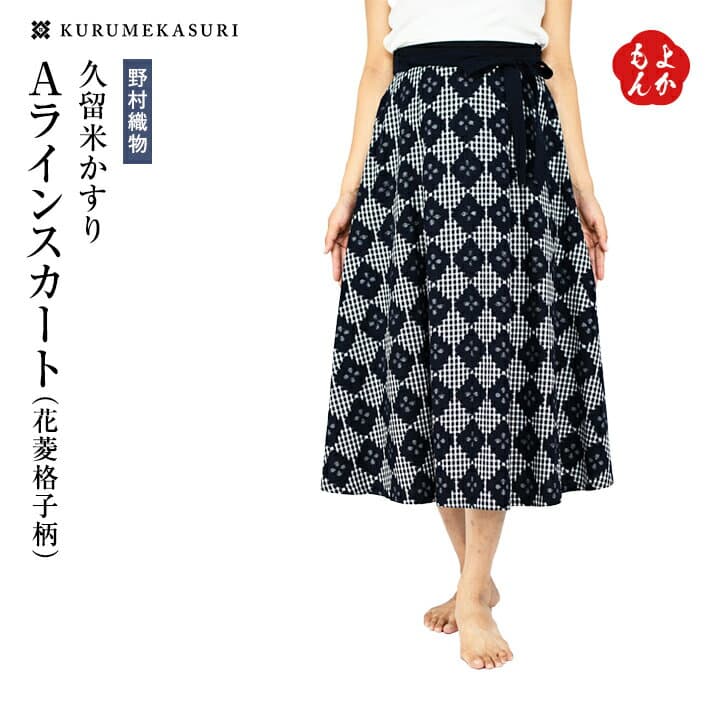
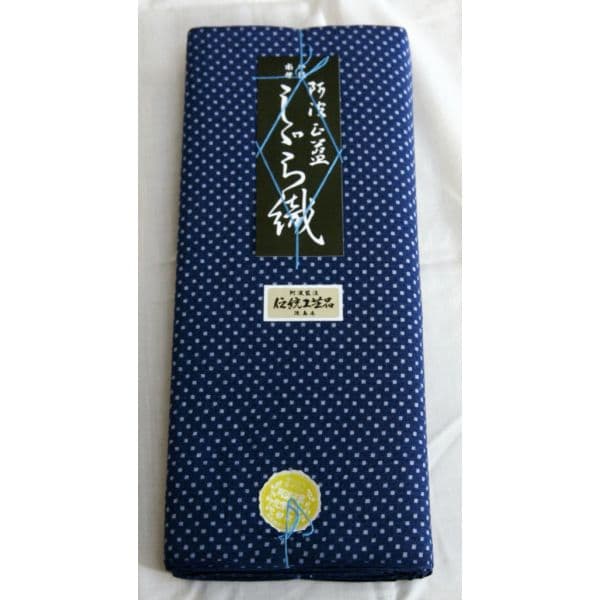
Kurume kasuri is a pre-dyed cotton from the Chikugo area of southern Fukuoka, made in Kurume, Hirokawa, Chikugo and Yame. Around 1800 the thirteen-year-old Inoue Den took the idea from faded speckles on a worn indigo garment; white cotton yarn is tied and indigo-dyed, then warp and weft are lined up at the loom so the pattern appears. More than 30 processes often take months.
Ojiya chijimi is the ramie cloth of the Ojiya to Uonuma stretch of Niigata: the crinkled cloth is Ojiya chijimi, the flat-woven one is Echigo jofu. The crinkle comes from strongly twisted weft and warm-water rubbing, and it keeps the cloth off the skin, breathable and absorbent, which is why it is high-summer kimono cloth; the older technique also spread yarn or cloth on snow to bleach it.
Echigo jofu is the flat-woven ramie of Shiozawa in Minamiuonuma, breathable with a dry, crisp hand. The ramie fibre, aoso, is linked with Showa Village in Fukushima and is split and joined into thread in Uonuma; it is woven on an izaribata, a loom that lets the weaver control the warp tension with the body, and after washing the cloth is snow-bleached so the white ground and the kasuri pattern come out clearer.
Obi and brocade: pattern woven into silk
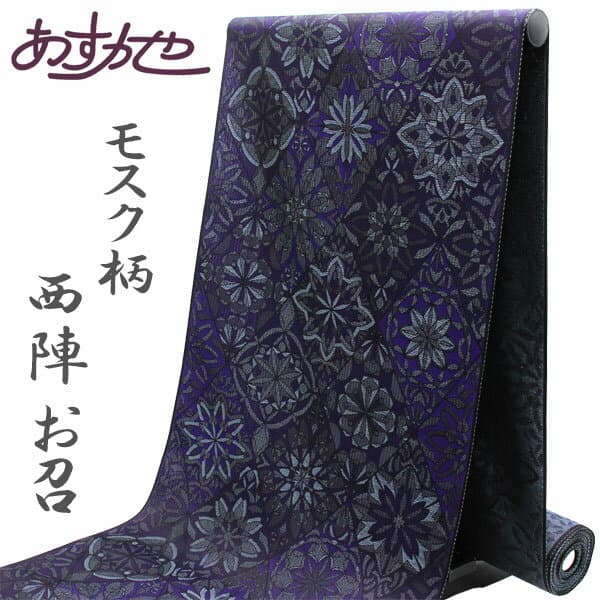
Nishijin textiles (Nishijin-ori) are the pre-dyed figured silks of the Nishijin area in northwestern Kyoto, made in many varieties and small lots, with the workshops concentrated around Kamigyo and Kita wards. The name comes from the western army's headquarters during the Onin War of 1467 to 1477, after which the weavers returned to Kyoto and restarted near Hakumura and Omiya-Imadegawa. Some fabrics use 3,000 to 8,000 warp threads, and in the Meiji period Sakura Tsuneshichi and two others studied in Europe and brought the Jacquard loom back from France. Uses run from obi, kimono and Noh costume to neckties and bags.
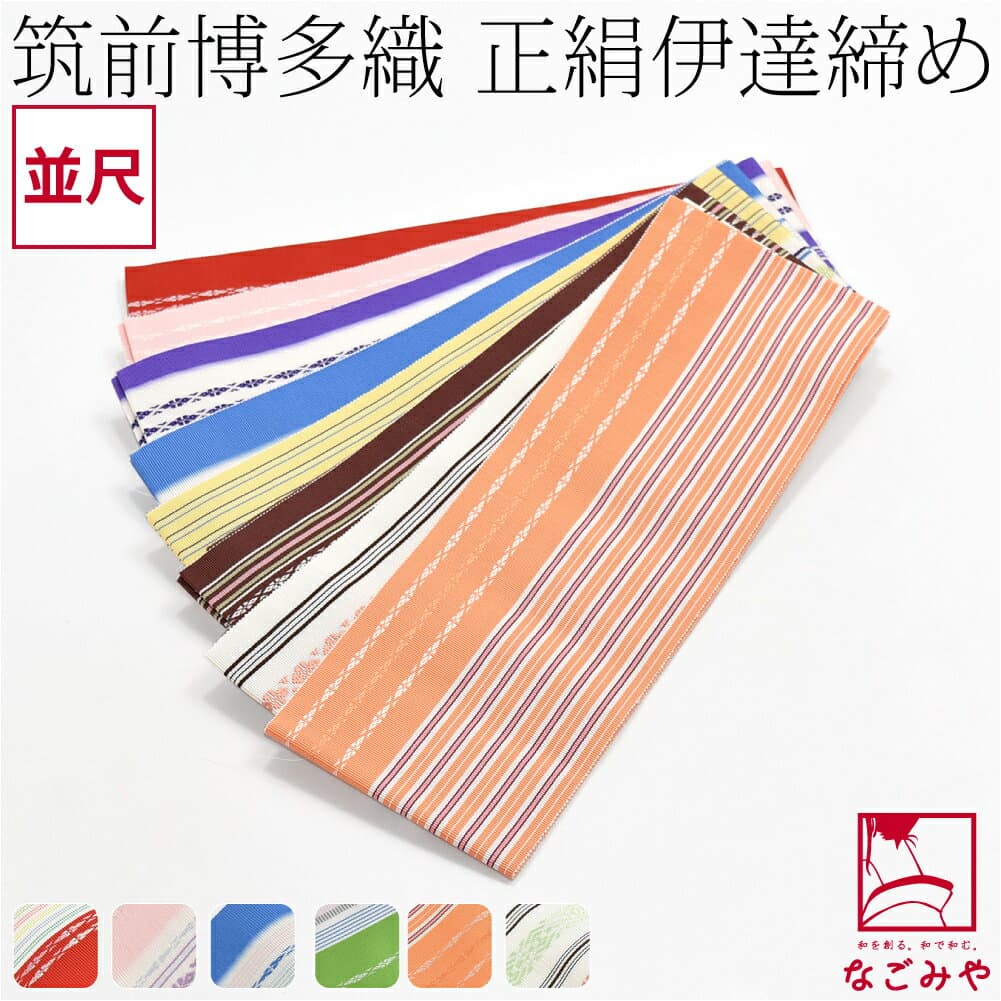
Hakata textiles (Hakata-ori) are the silk of Hakata in Fukuoka: thick weft yarns bundled from fine threads are beaten hard into a dense warp, giving a cloth that is supple yet durable and the most closely tied of all to the kimono obi. A handwoven obi may use more than 10,000 threads under a millimetre wide and take months to make. The origin story names the Hakata merchant Mitsuda Yasaburoemon, who came home from Song China in 1241 and added his own designs to what he had learned; the pattern Kuroda Nagamasa presented to the shogunate in the Edo period became the representative kenjo-gara.
Yuzen and stencil dyeing: painted on, or stencilled on
Kyo yuzen is Kyoto's technique for putting colourful, painterly designs on kimono, and the name is tied to Miyazaki Yuzensai, a fan painter who lived around Gion. In the Meiji period chemical dyes arrived and Hirose Jisuke invented stencil yuzen, which let the style be dyed in quantity. A hand-drawn kimono passes through about twenty processes, divided among specialist craftspeople.
Kaga yuzen is centred on Kanazawa, where Miyazaki Yuzensai moved from Kyoto in 1712. It uses five base colours, enji or suo red, indigo, ochre, grass green and ancient purple, in realistic flower-and-bird or grass-and-flower designs, with the fine white lines left by itome paste, outer bokashi shading and mushikui insect-bitten leaves as its recognisable marks, mostly on homongi and tomesode. Kaga yuzen artists register a seal with the Kaga Dye Promotion Association, and their kimono carry it.
Edo komon is Tokyo's fine stencil dyeing, made mainly in Shinjuku, Setagaya and Nerima and developed along the water of the Kanda River basin. The dots and lines are about 0.5 to 1 mm, and goku-same fits more than a thousand dots into a 3 cm square, so the cloth looks plain from a distance and patterned up close. Ryukyu bingata is Okinawa's dyeing, using stencil paper with the colour brushed in by hand, vivid in red, yellow and indigo, its motifs drawn from southern creatures and landscapes; in the Ryukyu Kingdom it dressed royalty and the samurai class for formal occasions, and the cooperative is now based in Shuri, Naha.
Indigo and shibori: colour by dipping, pattern by binding
Indigo dyeing builds a fermented vat from the leaf dye and dips yarn or cloth into it repeatedly. Bushu indigo dyeing comes from Hanyu, Kazo and Gyoda in northern Saitama, where indigo was already grown in the Tenmei years of the late Edo period, and the craft is said to have started with farm women making the family's clothes in the slack season. The dye is fermented naturally from indigo leaves and applied by hand; there is yarn dyeing and stencil dyeing, and about seventy percent of Bushu work is yarn dyeing, which colours the thread to the core so that natural blue stripes appear once it is woven.
Shibori binds the cloth tight before dyeing, and the bound parts stay white. Arimatsu-Narumi shibori comes from Arimatsu and Narumi in Nagoya's Midori ward; its origin story is set in the Keicho era, tied to a technique brought by people working on Nagoya Castle and to tenugui. There are about 70 tying methods, kumo, arashi and sekka among them. It goes from silk furisode and homongi to cotton yukata and tenugui; travellers on the old Tokaido bought shibori tenugui and yukata as souvenirs, and that line has never really stopped.
How to choose: settle the use, then read the label
Decide the use first. A full bolt is for someone having a kimono made; most of these families now make small goods too: Yuki tsumugi goes into card cases and ties, Edo komon into ties and stoles, Ryukyu bingata into bags and wallets, Bushu indigo dyeing into handkerchiefs, noren and kendo wear, Arimatsu-Narumi shibori into tenugui and yukata. Season counts as well: Ojiya chijimi and Echigo jofu are high-summer ramie, Yuki tsumugi and Honba Oshima tsumugi are light and warm.
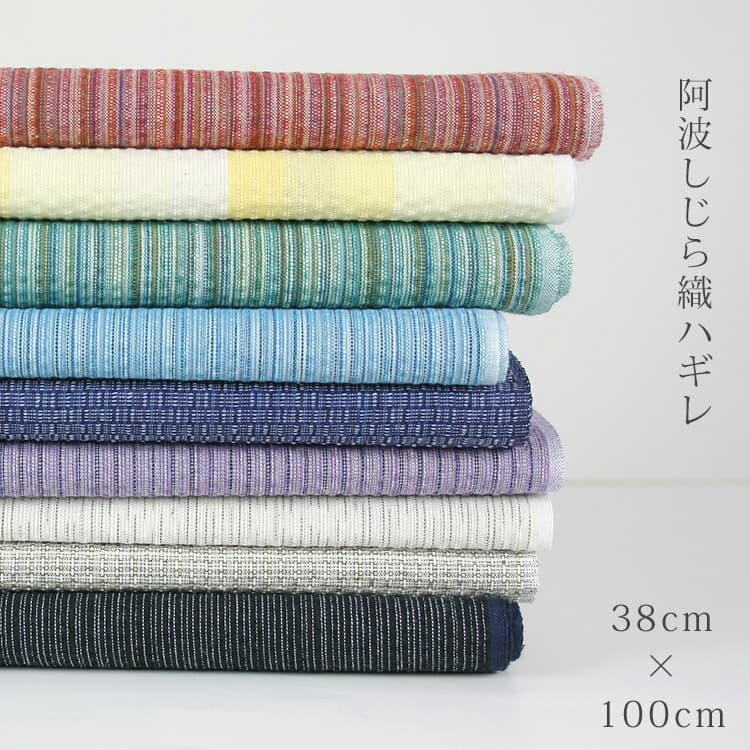
Then read the label, because one name covers very different work. The Kurume kasuri area runs indigo, hand weaving and hand tying alongside power looms, chemical dyes and machine tying; Kyo yuzen spans hand-drawn, stencil, machine-printed and digital; and Ojiya's own city page notes that most Ojiya chijimi in circulation differs from the strict cultural-property requirements and is made as traditional craft goods. Hand-drawn or stencilled, natural indigo or chemical, handwoven or power loom: that is where the price gap lives.
Finally, look for the certificate or the seal. Honba Oshima tsumugi has to pass the cooperative's 20 quality inspection items before it gets its certificate, the Kurume Kasuri Cooperative marks accepted cloth against its examination standards, and kimono by Kaga yuzen artists carry a registered seal. Indigo also fades and shifts with wear; the Bushu makers count that change as part of the beauty, so know it before ordering.
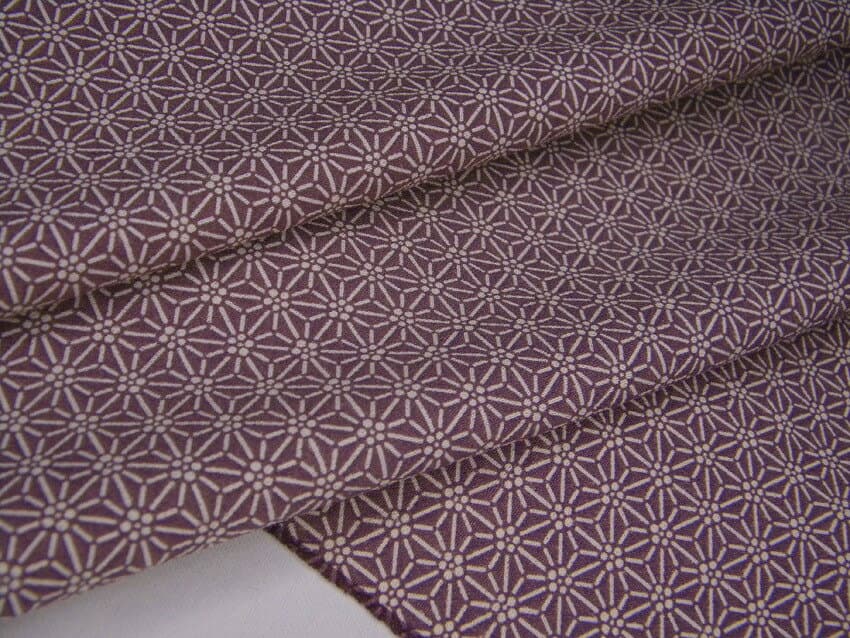
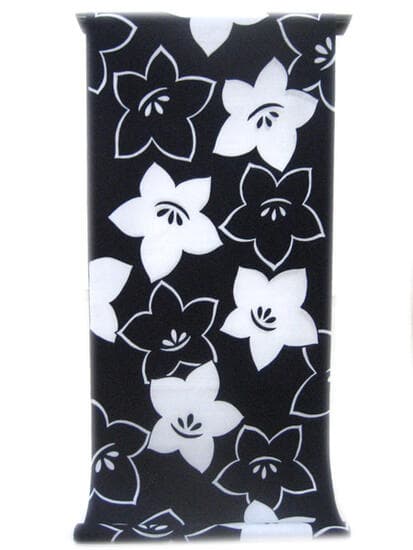

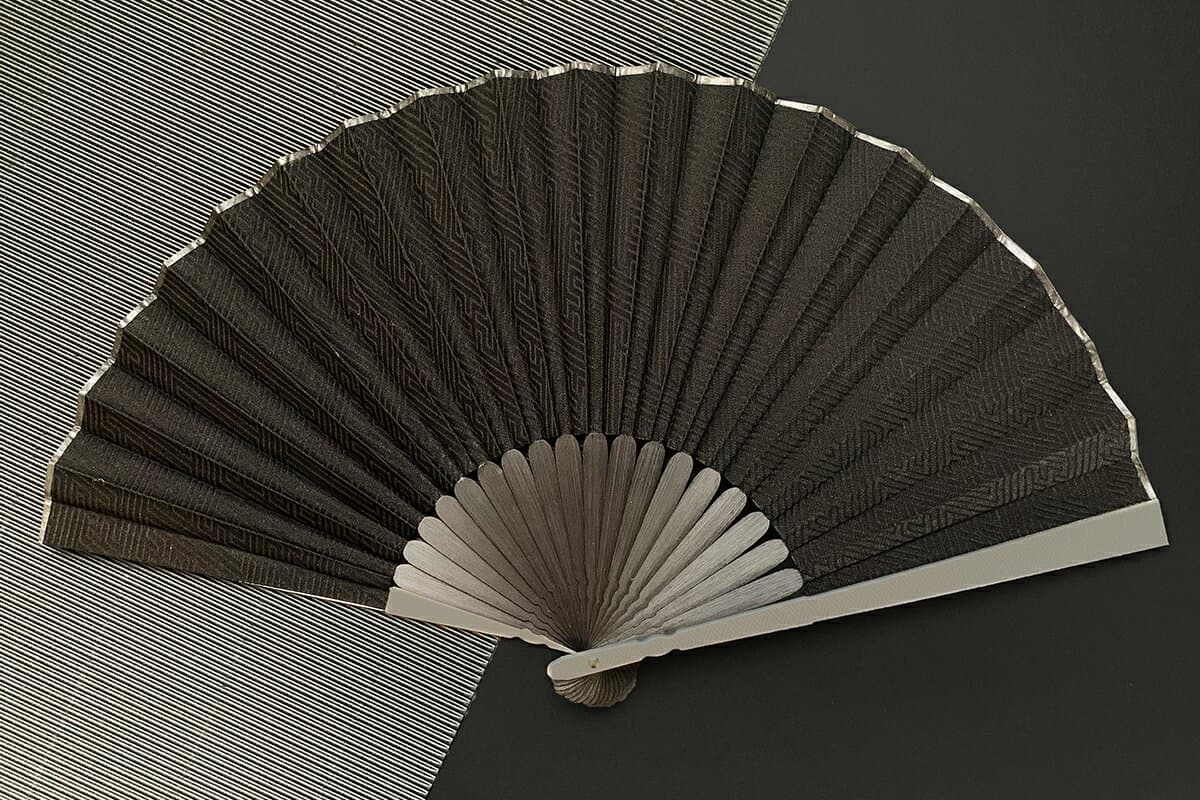
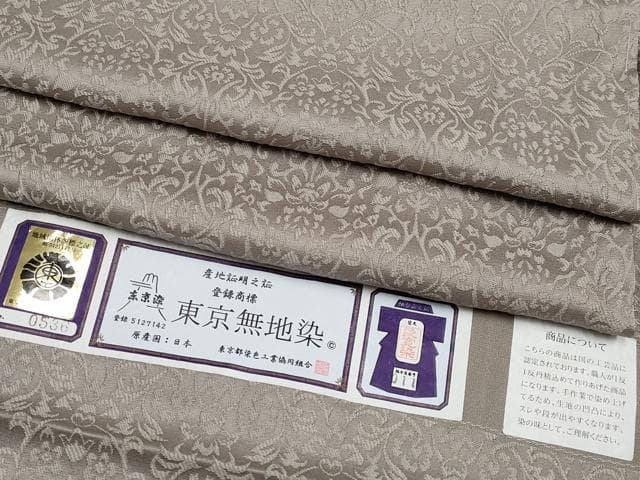
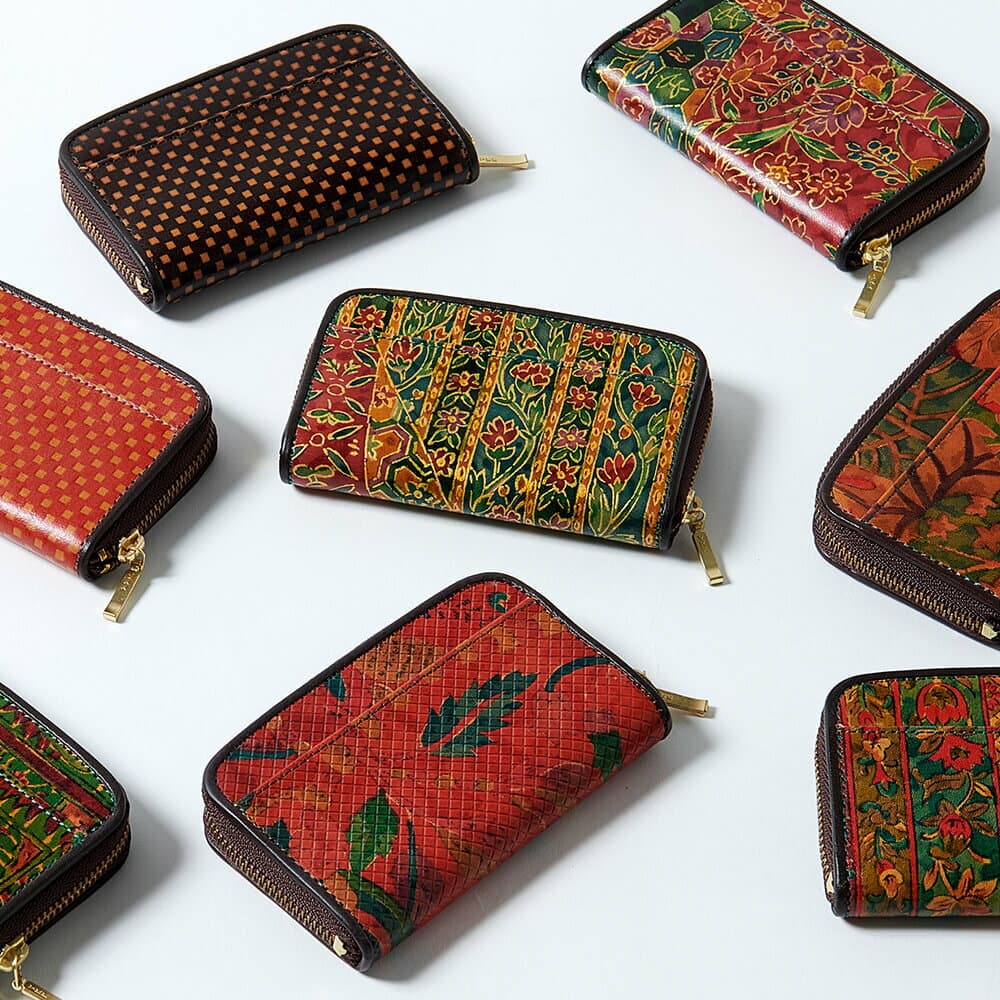
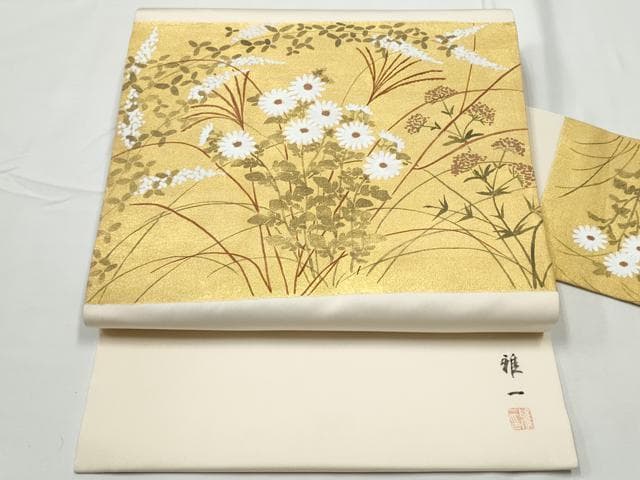
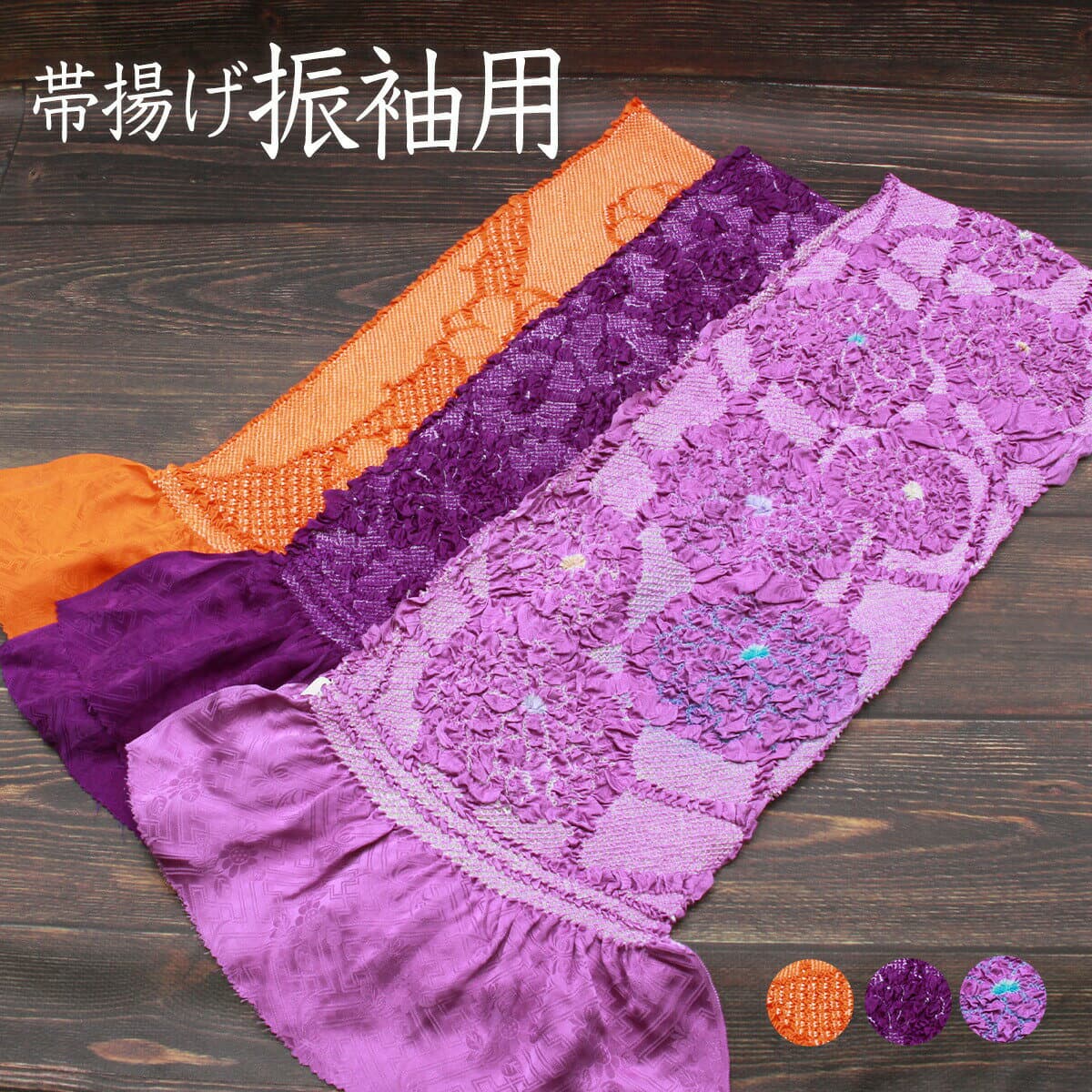
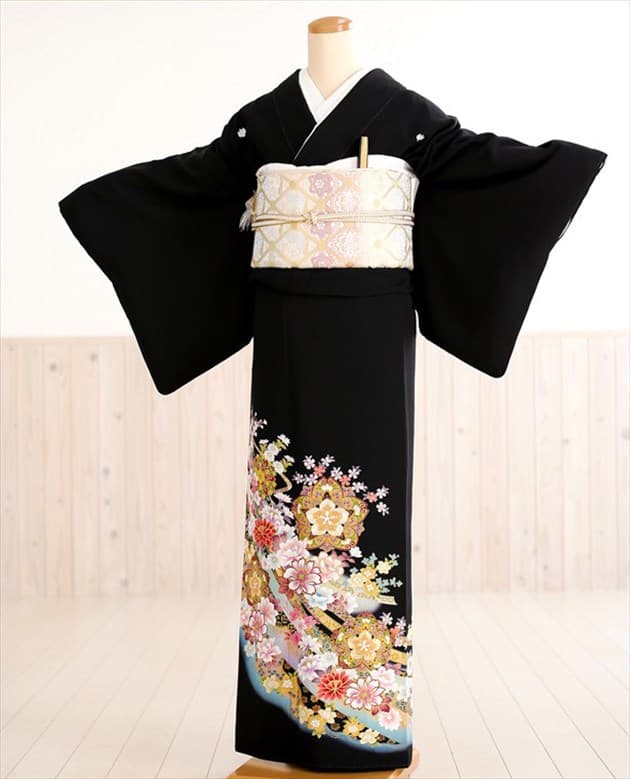
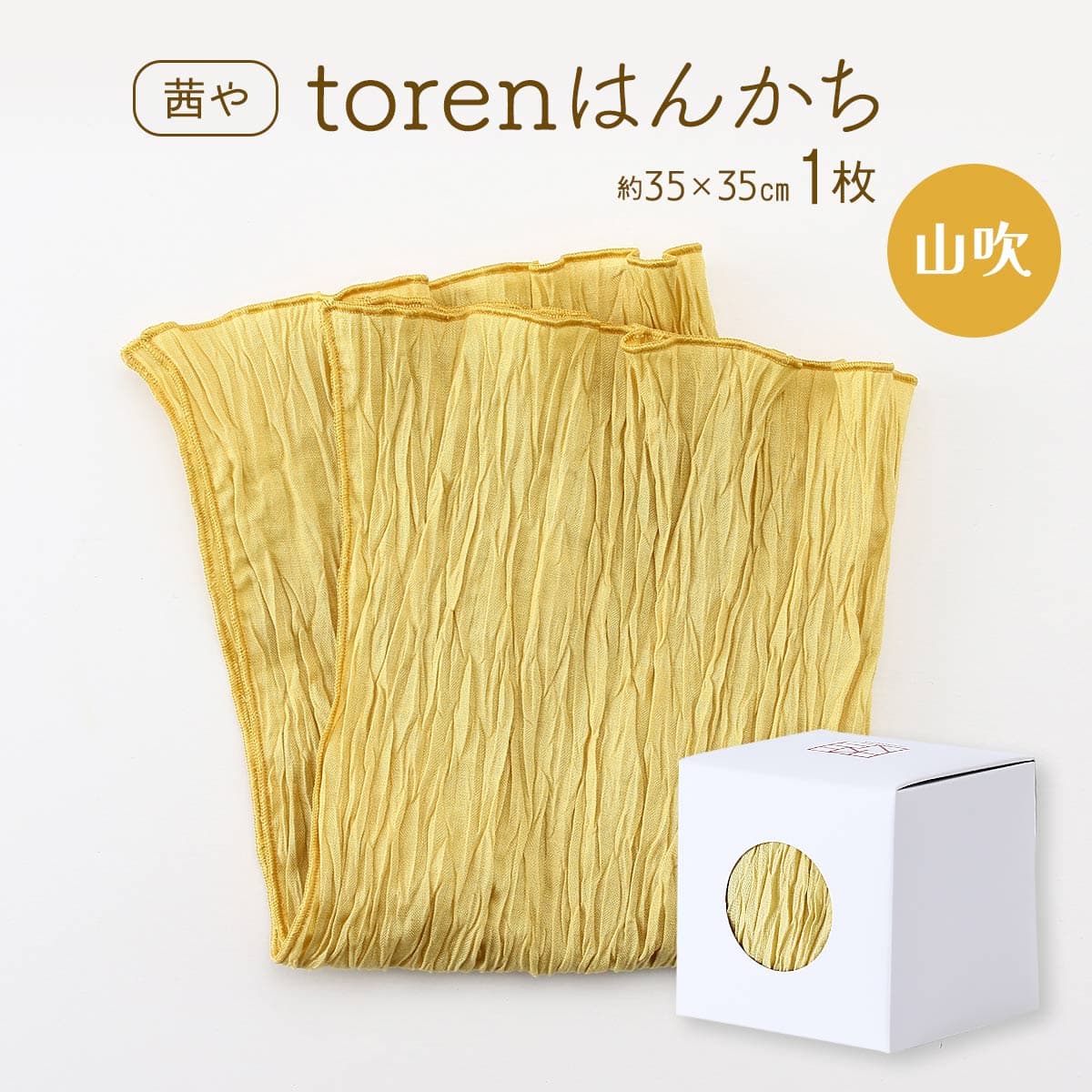
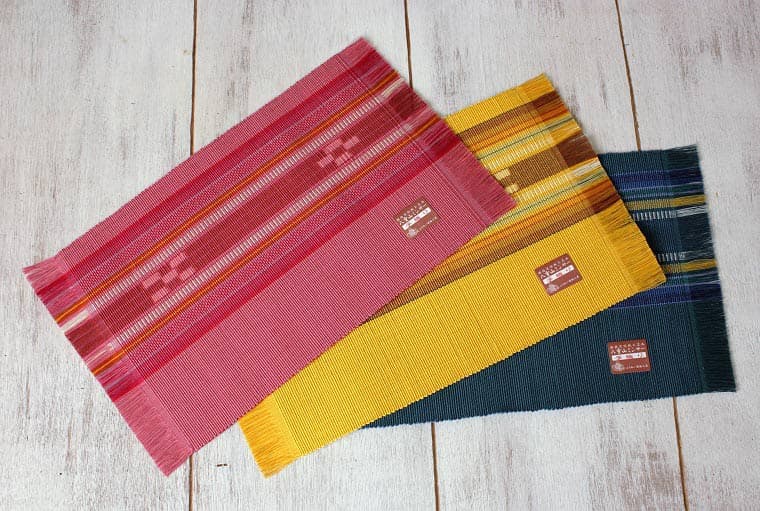
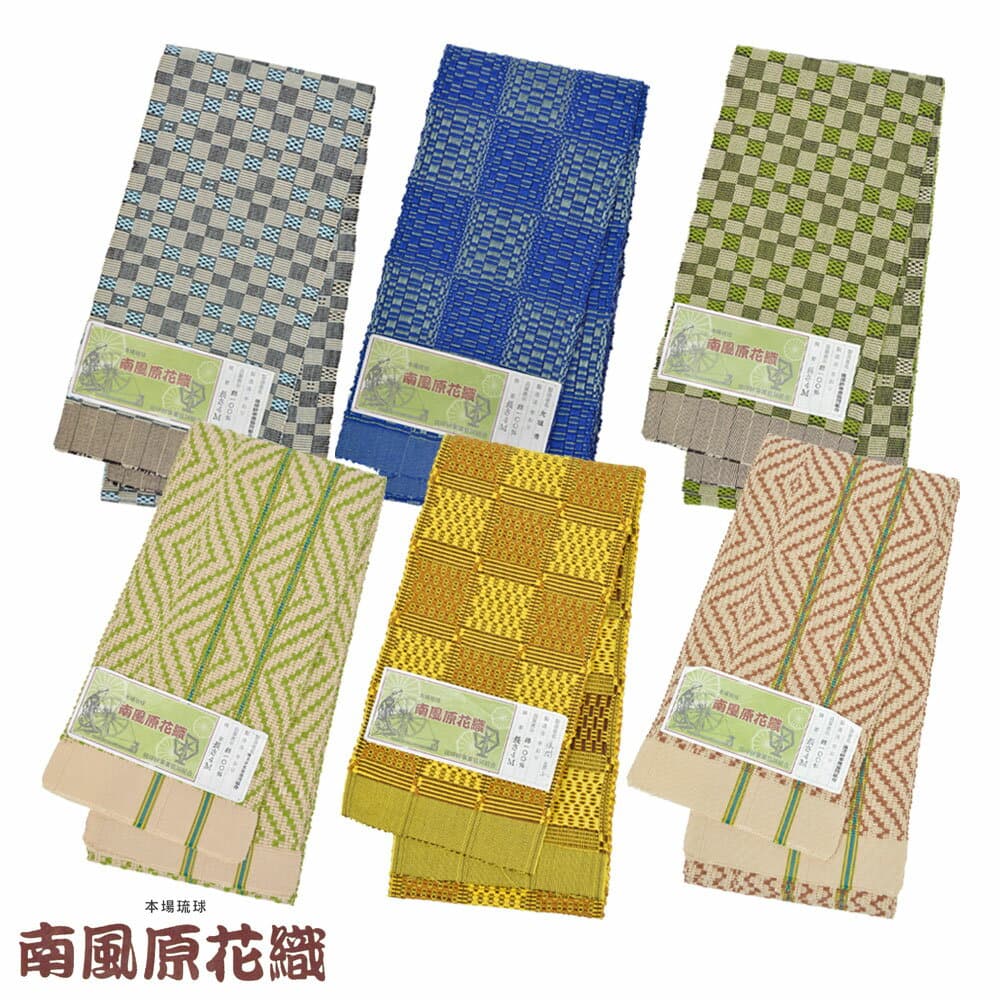
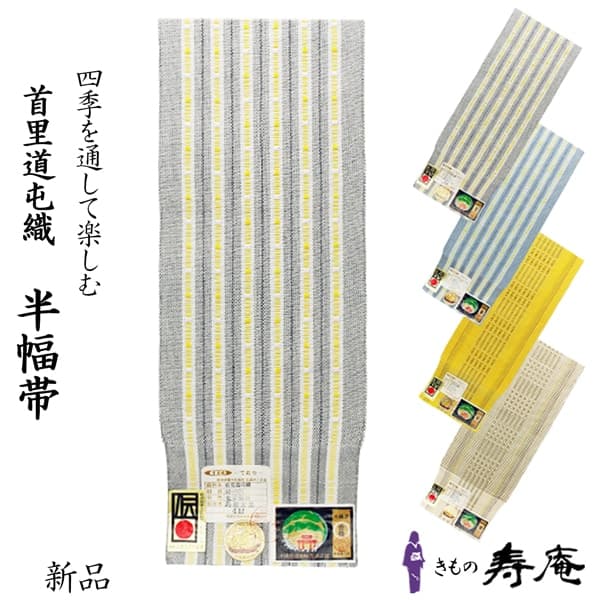
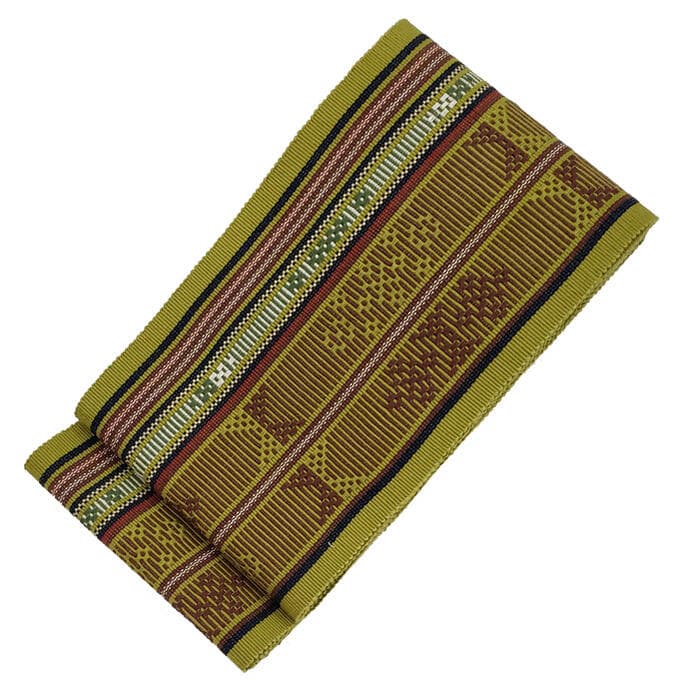
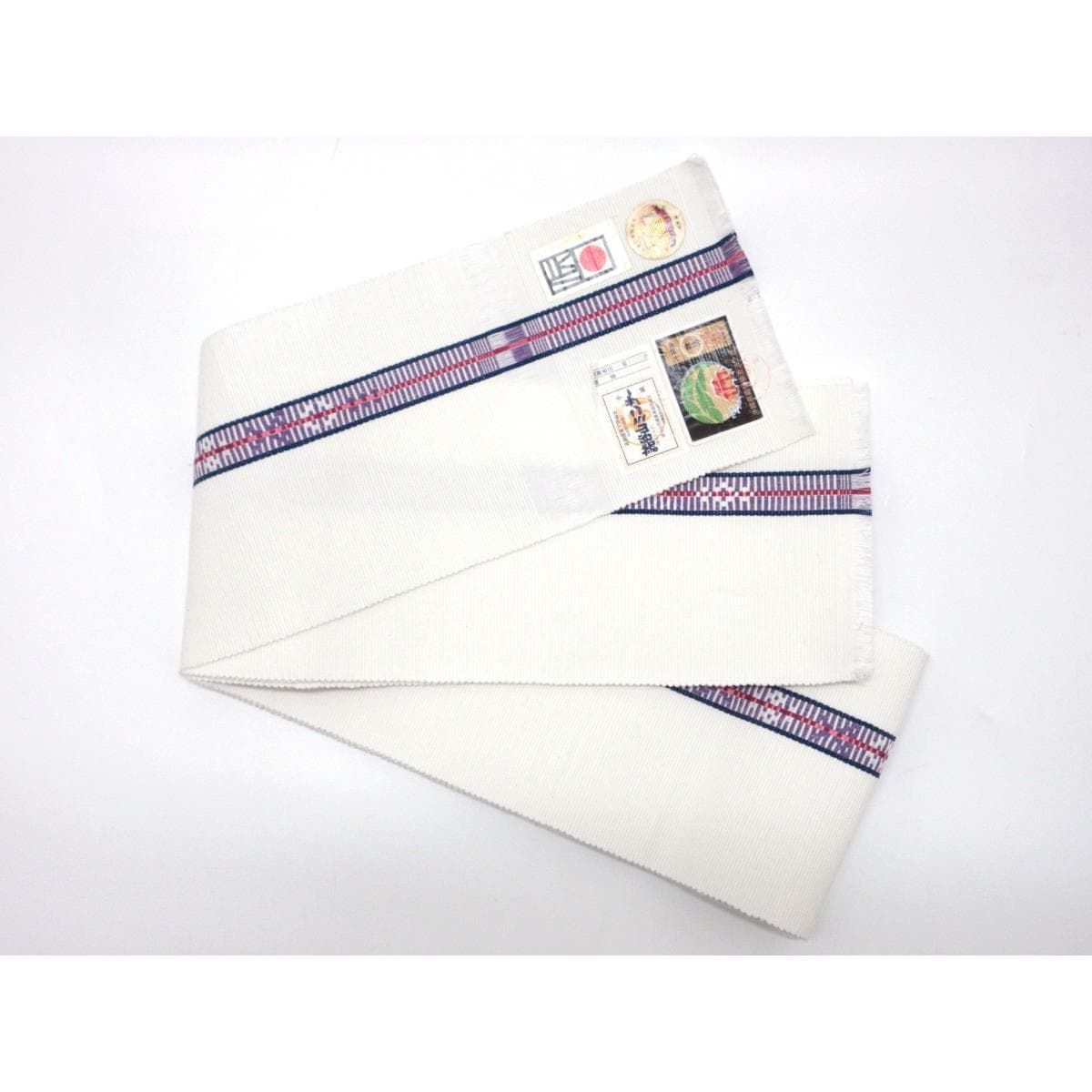

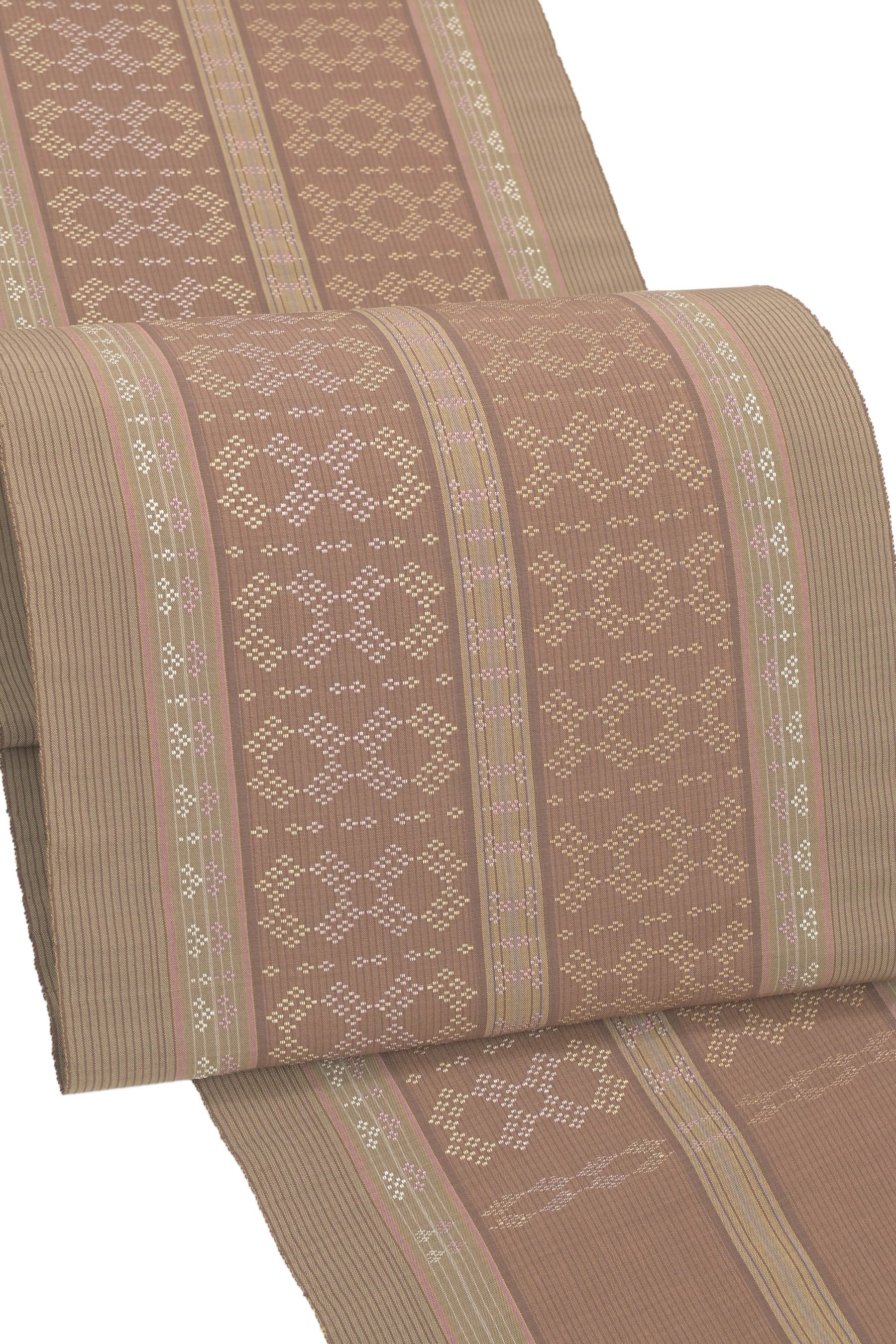
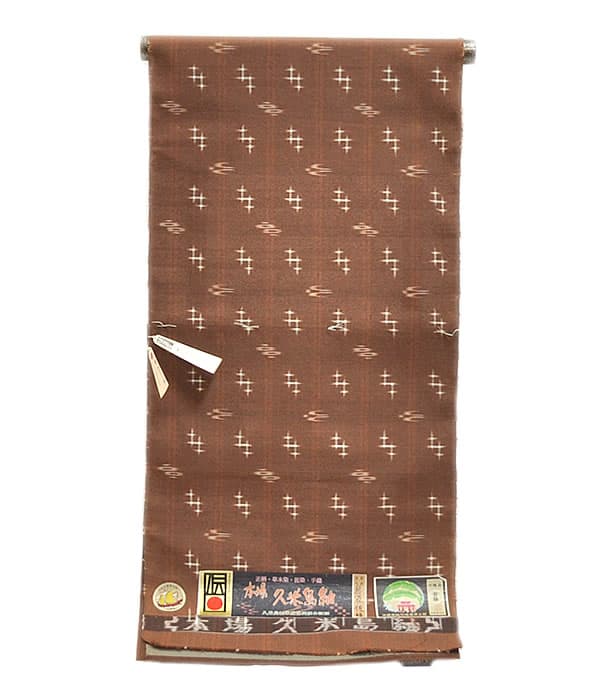
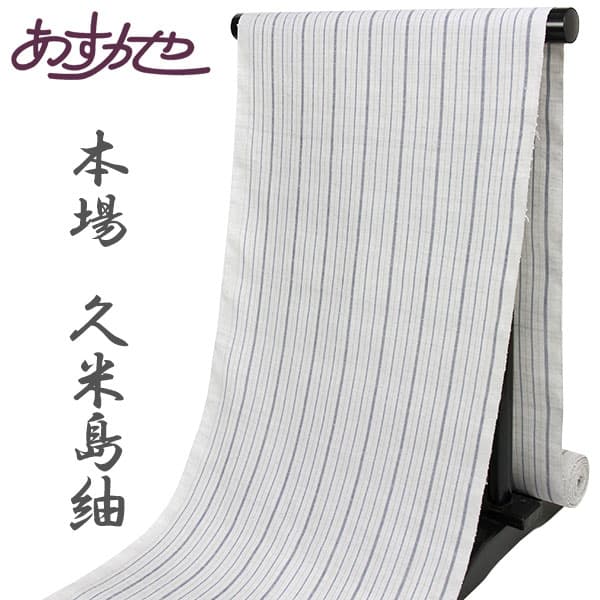
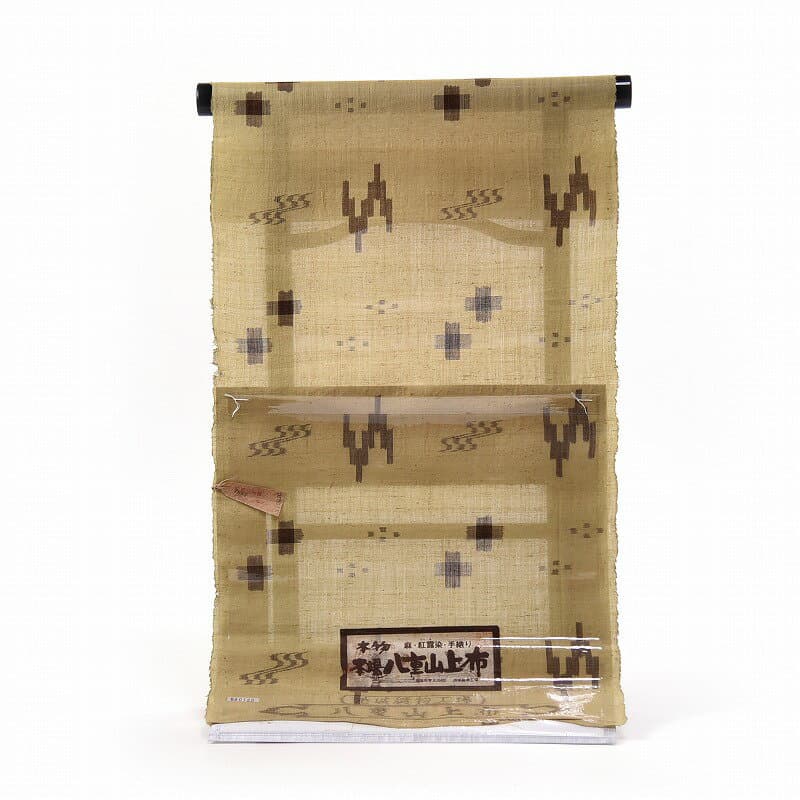

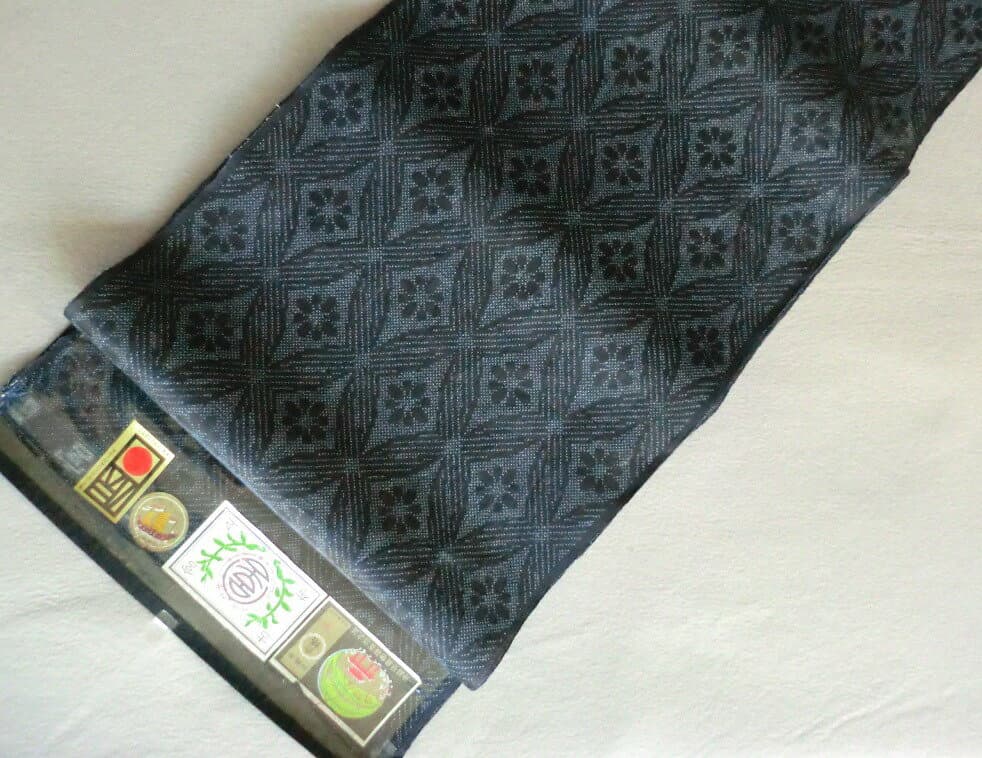


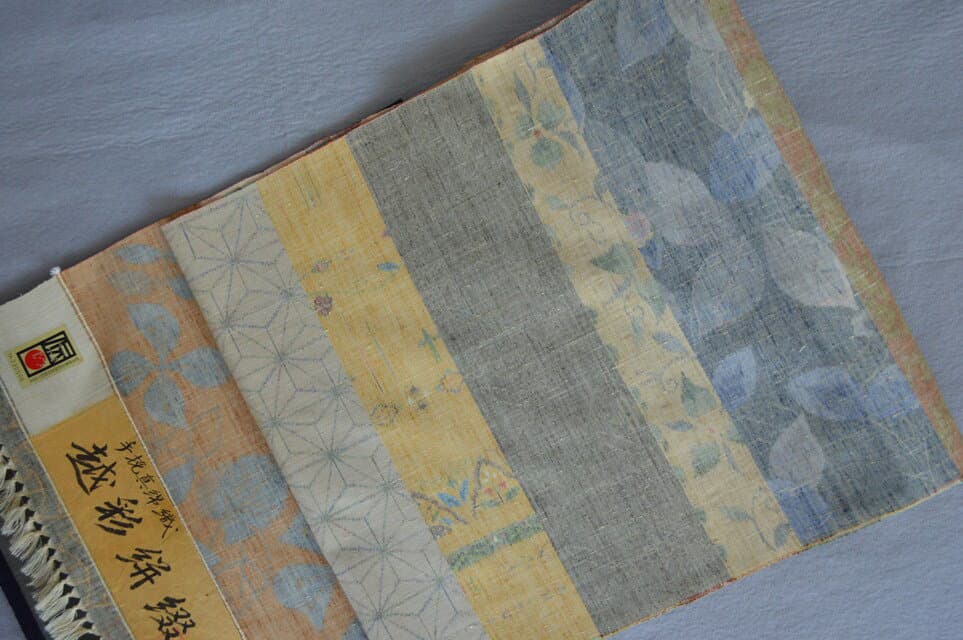

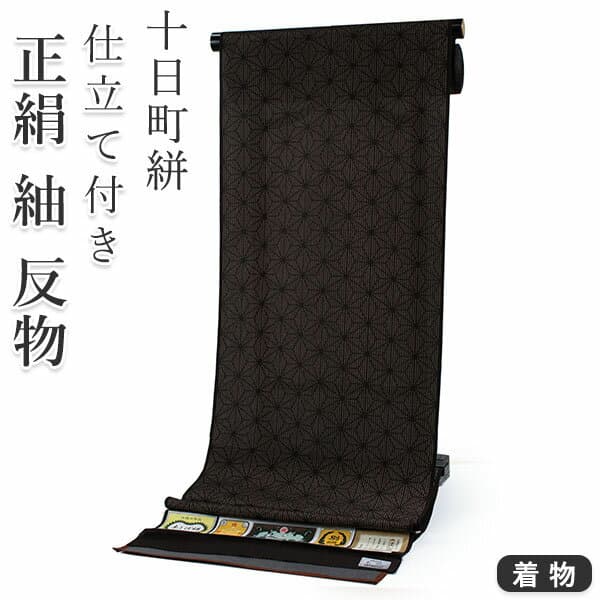
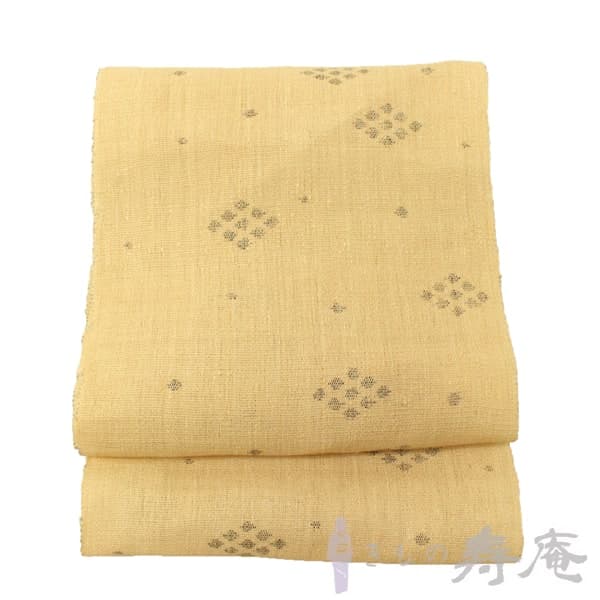

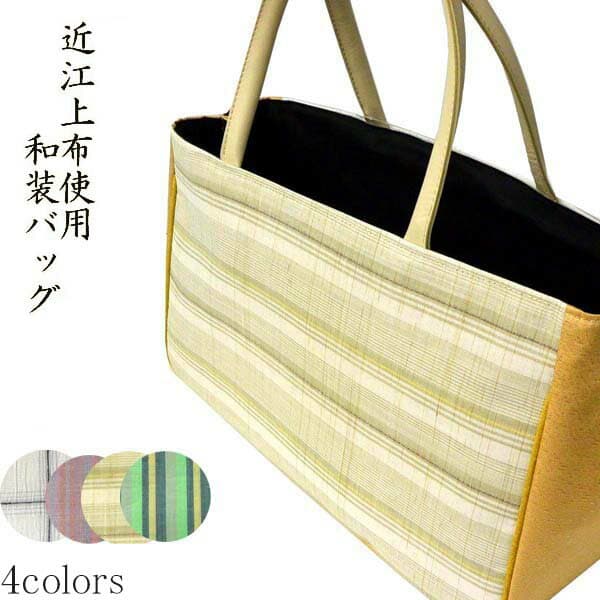

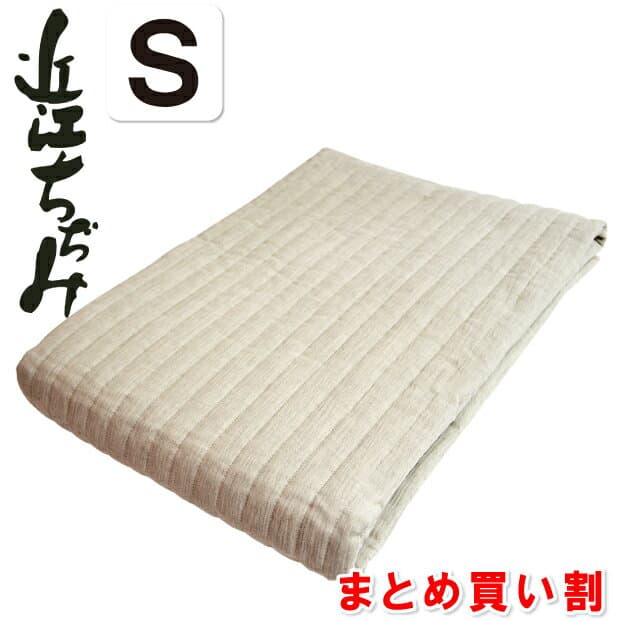
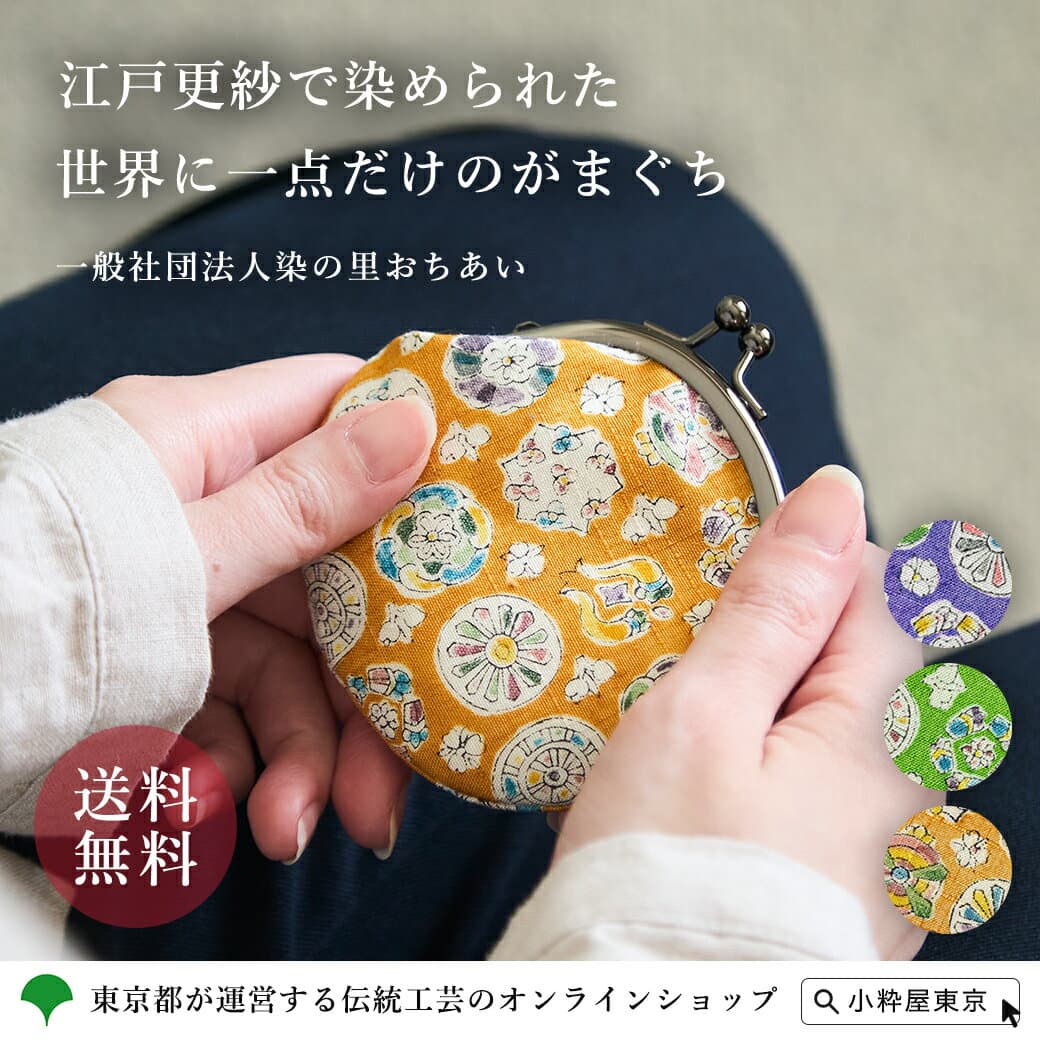

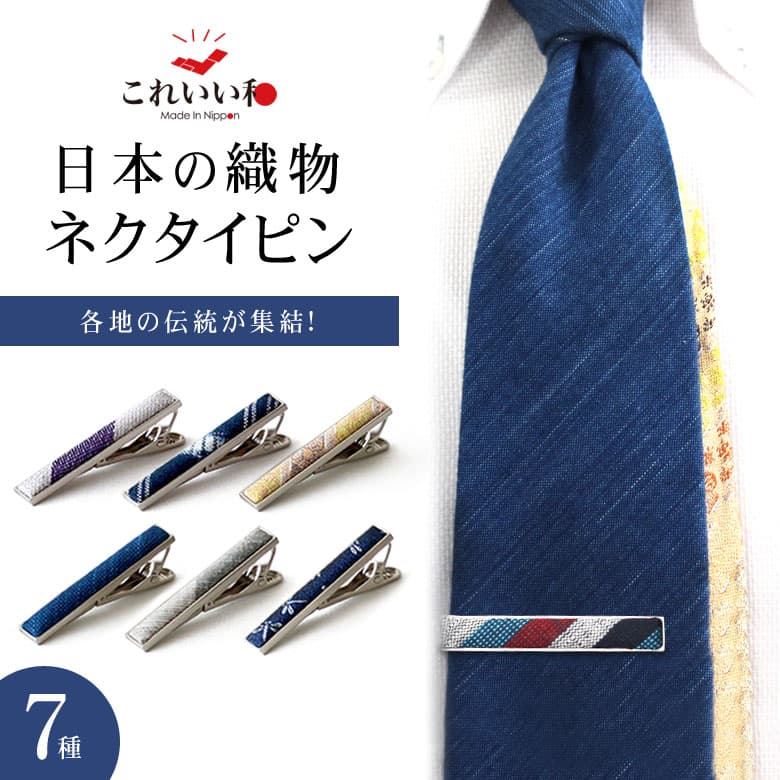
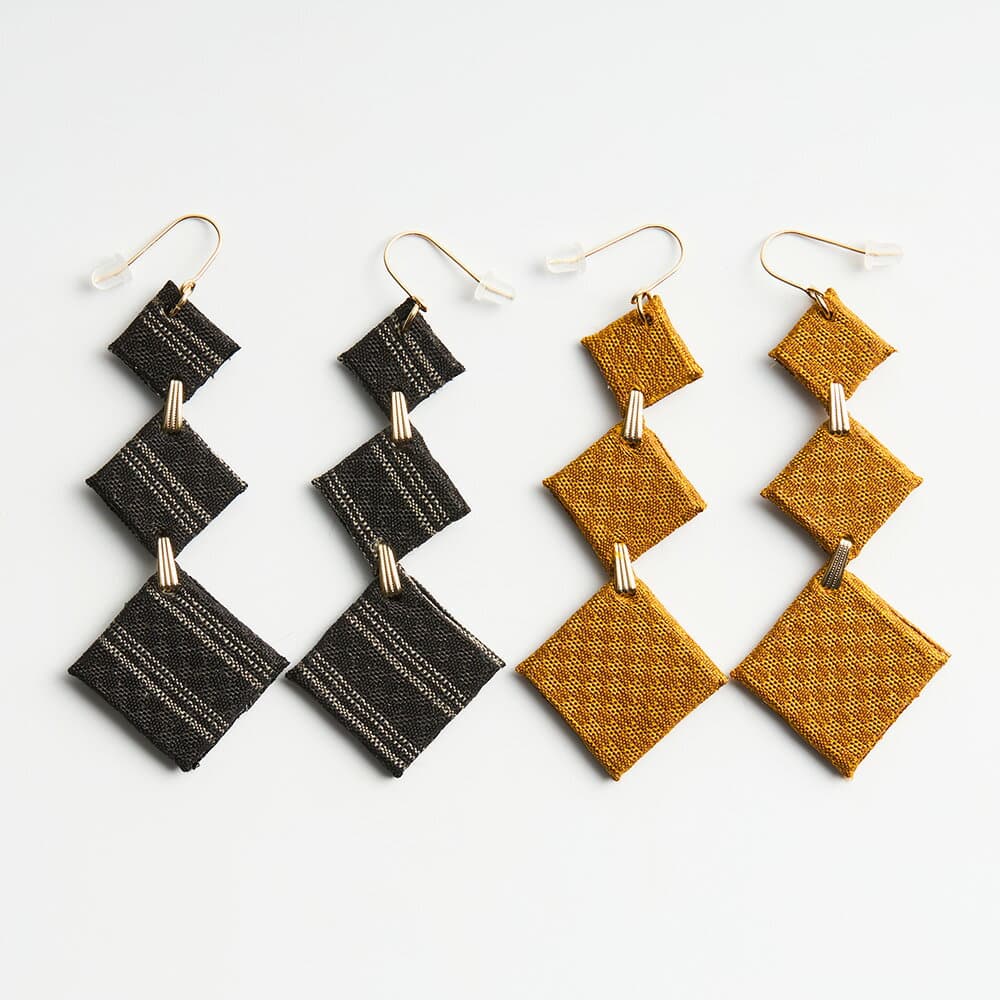

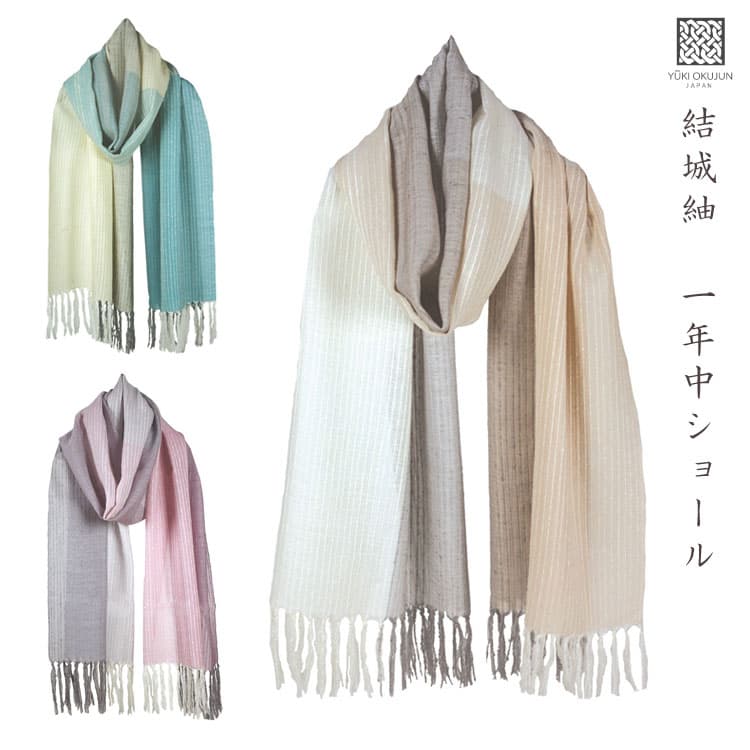
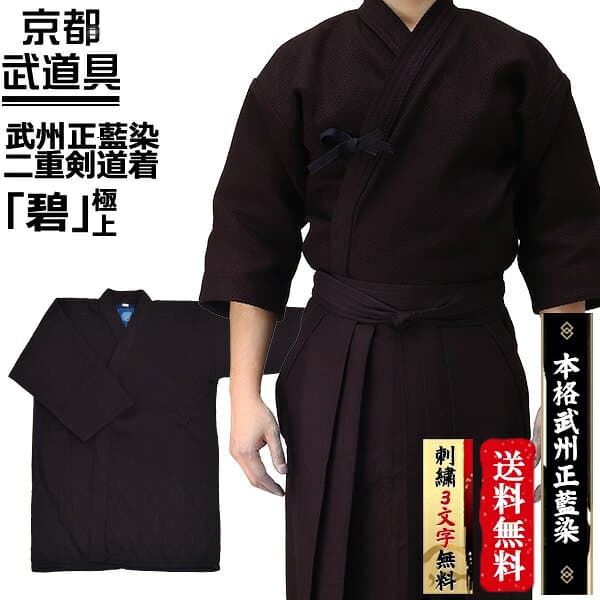

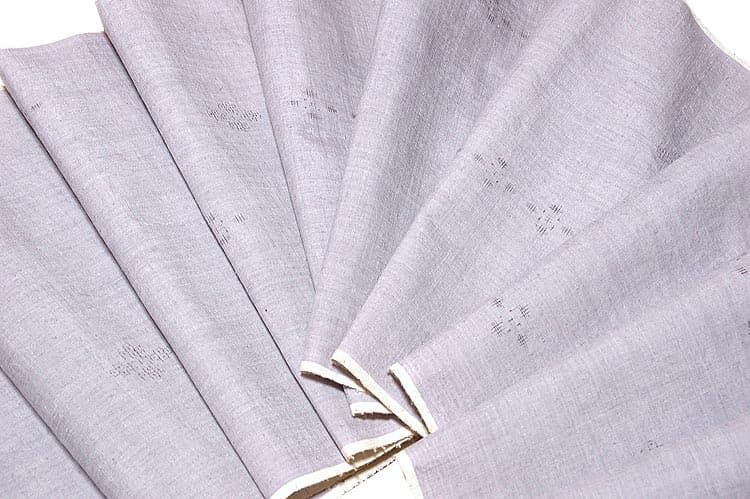



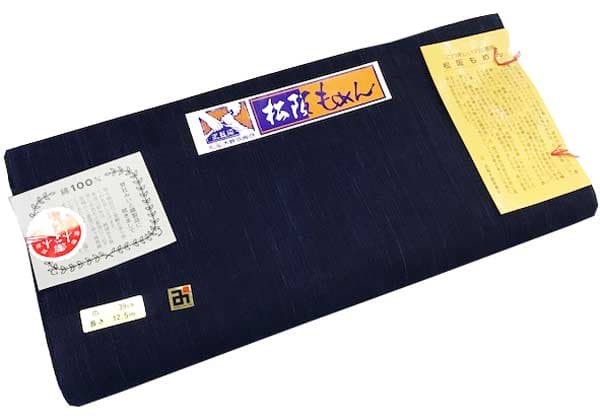
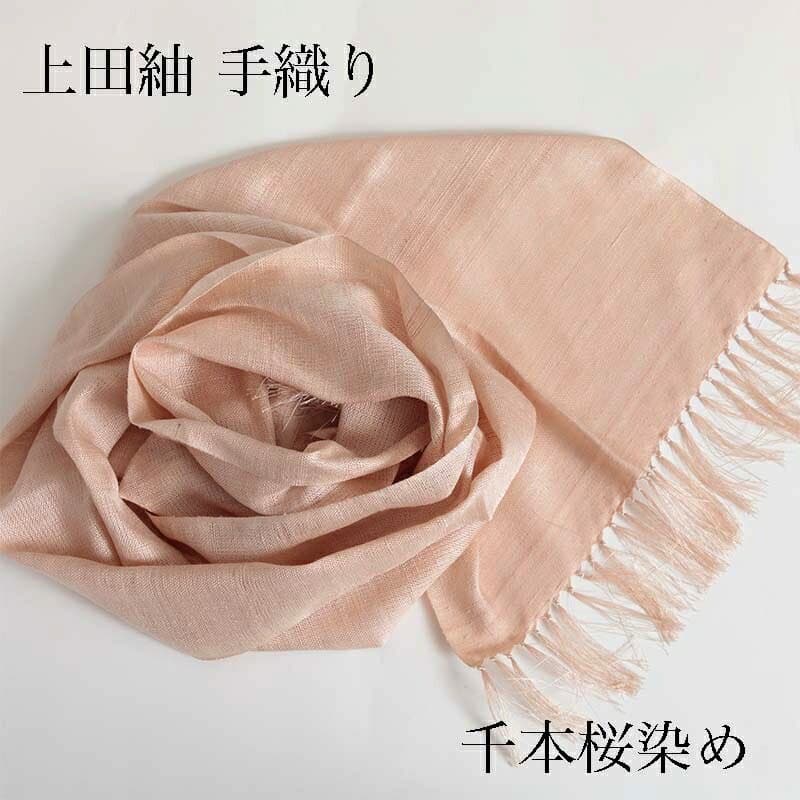
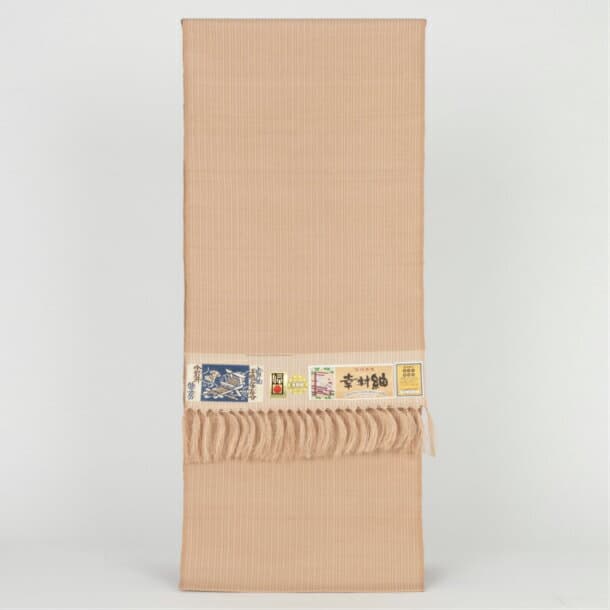

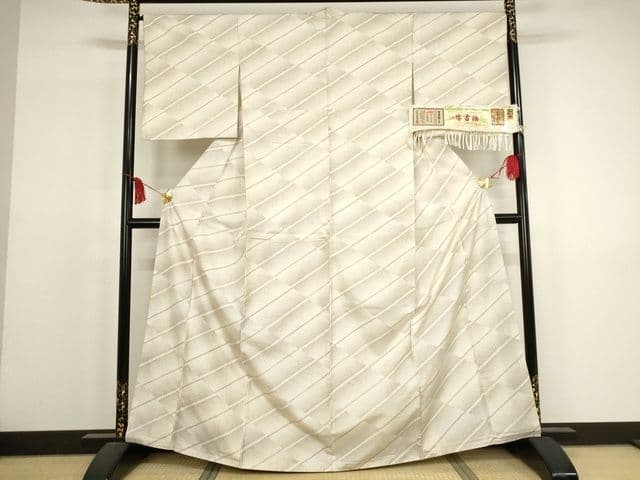

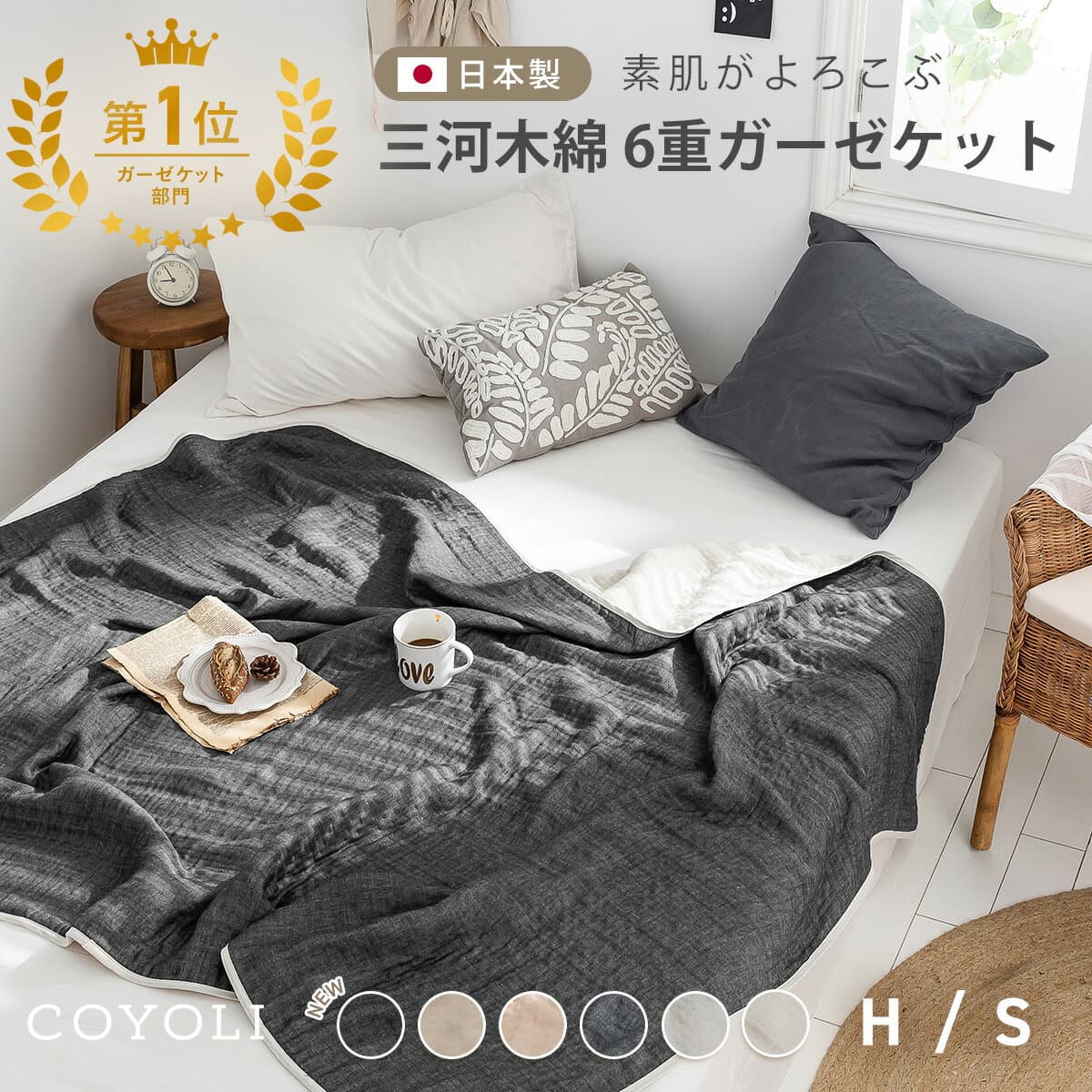
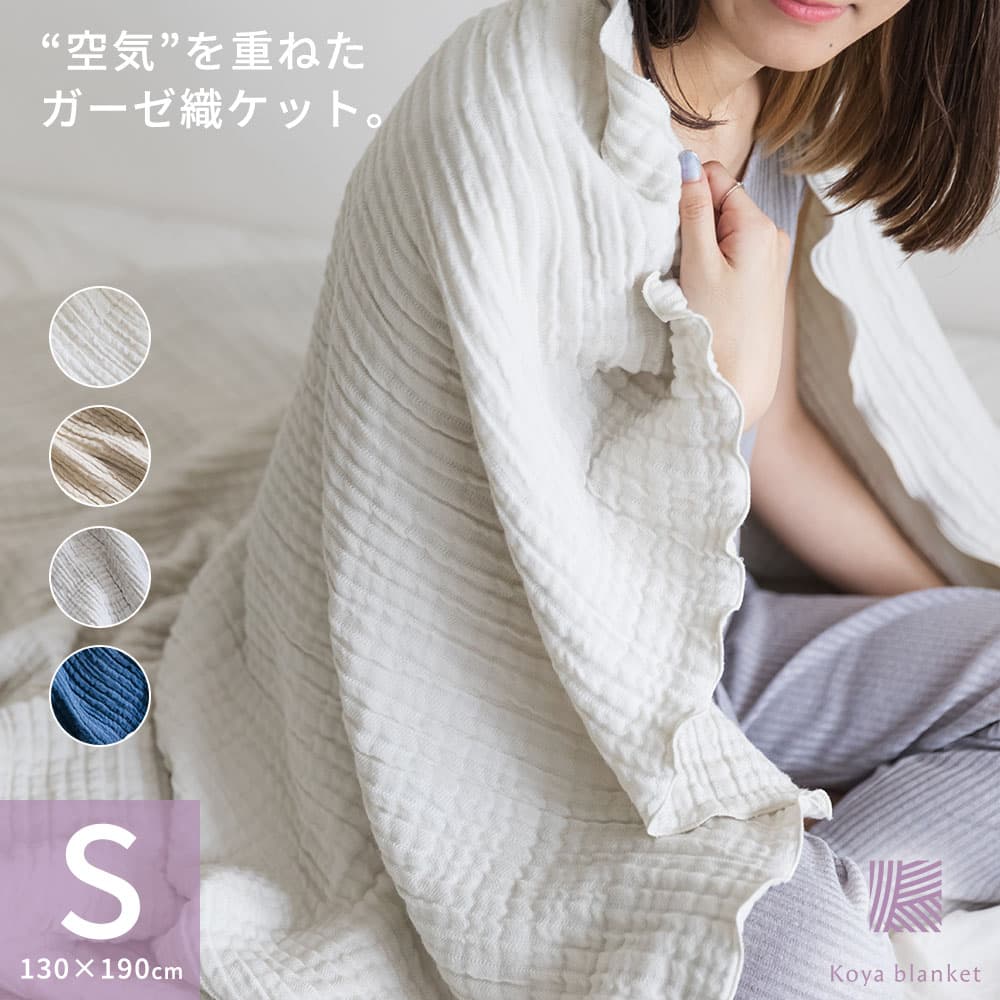
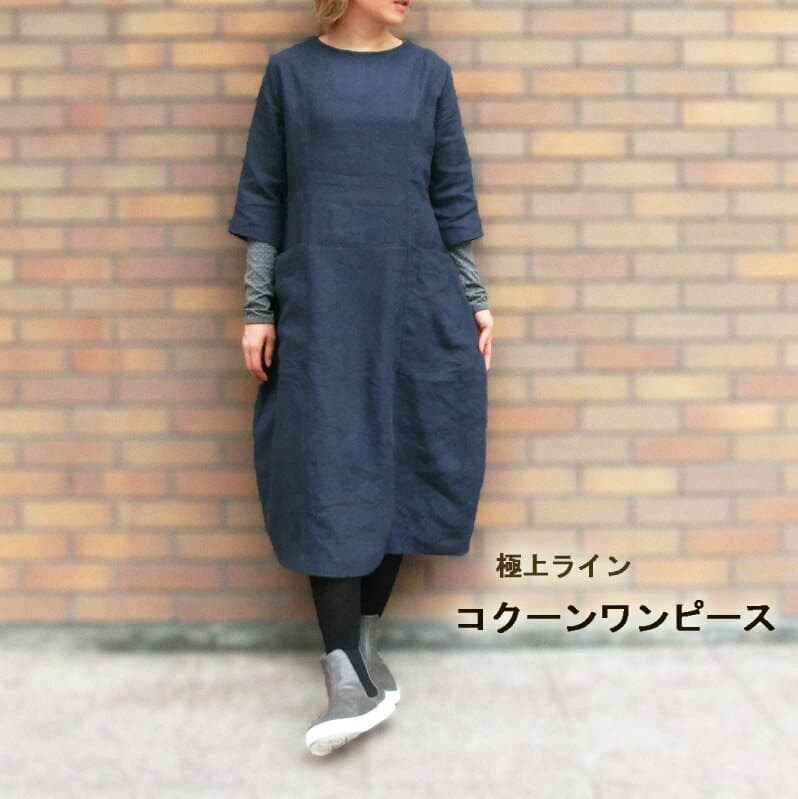
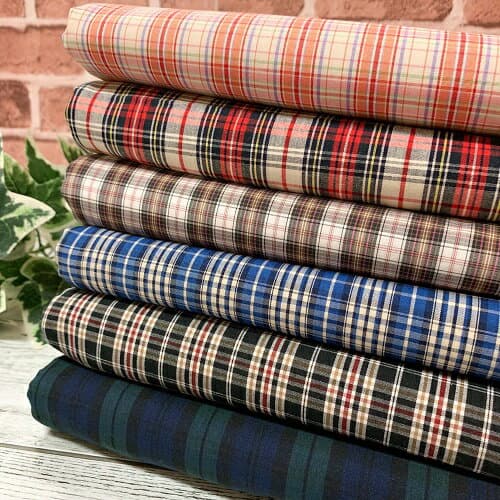
Selected automatically by category and price. Confirm individual wrapping, piece count, and best-before dates on the Rakuten listing.
Continue to prefectures
Okinawa
Okinawa is a useful starting point for distinctive local specialties.
Kyoto
Kyoto is a useful starting point for distinctive local specialties.
Tokyo
Tokyo is a useful starting point for distinctive local specialties.
Niigata
Niigata is a useful starting point for distinctive local specialties.
Aichi
Aichi is a useful starting point for distinctive local specialties.
Shiga
Shiga is a useful starting point for distinctive local specialties.
Fukuoka
Fukuoka is a useful starting point for distinctive local specialties.
Related buying guides
FAQ
What is the difference between a woven and a dyed textile?
It is about how the pattern got there. Woven textiles dye the yarn first: Nishijin textiles are pre-dyed figured silk, and Kurume kasuri ties and indigo-dyes white cotton yarn before lining it up at the loom. Dyed textiles start from white cloth: Kyo yuzen draws resist lines in paste and fills in the colour, Edo komon pastes through a stencil and then dyes.
What is kasuri, and how is it different from a print?
Kasuri ties and dyes the yarn before weaving, then lines up warp and weft so the pattern appears with softly blurred edges; a print is dyed onto finished cloth. Kurume kasuri takes more than 30 processes and often months, and Honba Oshima tsumugi uses the shimebata tie-resist loom, hence the saying that Oshima tsumugi is woven twice.
Which one is for summer?
Ramie chijimi and jofu. Ojiya chijimi crinkles from strongly twisted weft and warm-water rubbing, which keeps it off the skin, breathable and absorbent; Echigo jofu is the flat-woven ramie of Shiozawa in Minamiuonuma, breathable with a dry, crisp hand. In the older technique both were bleached on snow.
What do honba and a certificate mean?
Honba is the name a production area uses to mark cloth that is genuinely its own. Honba Oshima tsumugi has to pass the cooperative's 20 quality inspection items before it gets its certificate, the Kurume Kasuri Cooperative uses examination standards and certificates too, and Kaga yuzen artists register a seal with the association and mark their work with it. Look for those before ordering.