 3 images
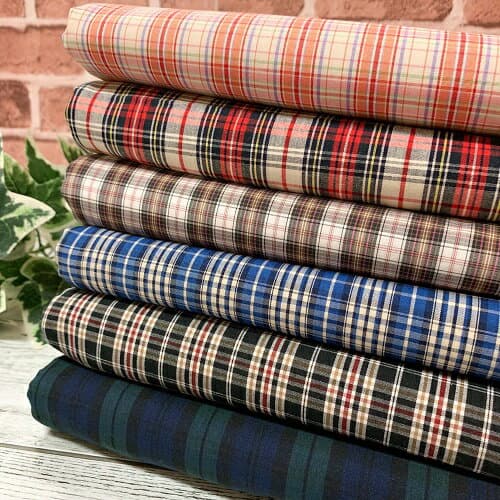
Banshu-ori Yarn-Dyed Cotton Check Fabric
【50cm単位】【4mまでメール便対応】 コットン チェック タータンチェック マドラスチェック 播州織 日本製 布 綿100% 先染め 生地
112 cm width, sold in 50 cm unitsハッピーサークル
4.8 / 50 reviews
Japanese name播州織
In Hyogo’s Kita-Harima area, Nishiwaki, Kasai, Kato, and Taka shape a textile whose yarns are dyed before weaving. Rivers, cotton cultivation, workshops, and former factories remain visible in the cloth’s stripes, colors, and everyday uses.
Information last updated yesterday
3 images【50cm単位】【4mまでメール便対応】 コットン チェック タータンチェック マドラスチェック 播州織 日本製 布 綿100% 先染め 生地
112 cm width, sold in 50 cm unitsハッピーサークル
4.8 / 50 reviews
 3 images
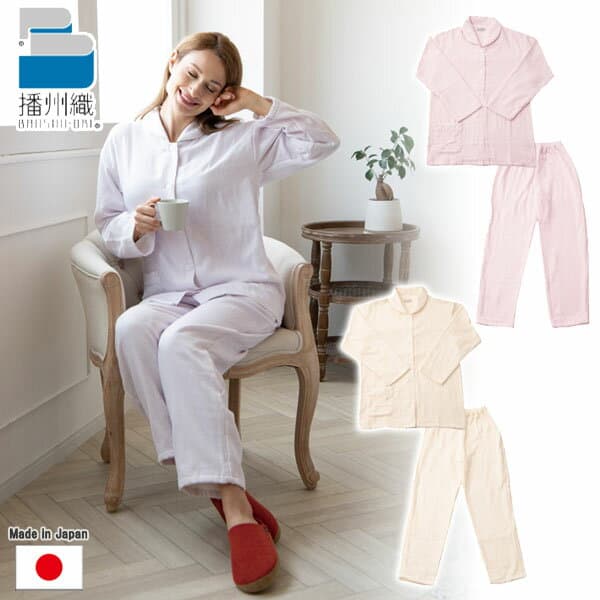
播州織 三重ガーゼ パジャマ 【送料無料】 寝巻 綿 100% 無撚糸 三重 ガーゼ レディース 長袖 長ズボン 暖かい 春 秋 冬 ピンク ベージュ 丸襟 ポケット ソフティーゴム 母の日 新生活 ばんしゅうおり 快眠 エネタン Enethan 日本製
K・トレンド楽天市場店
4.5 / 11 reviews
 3 images
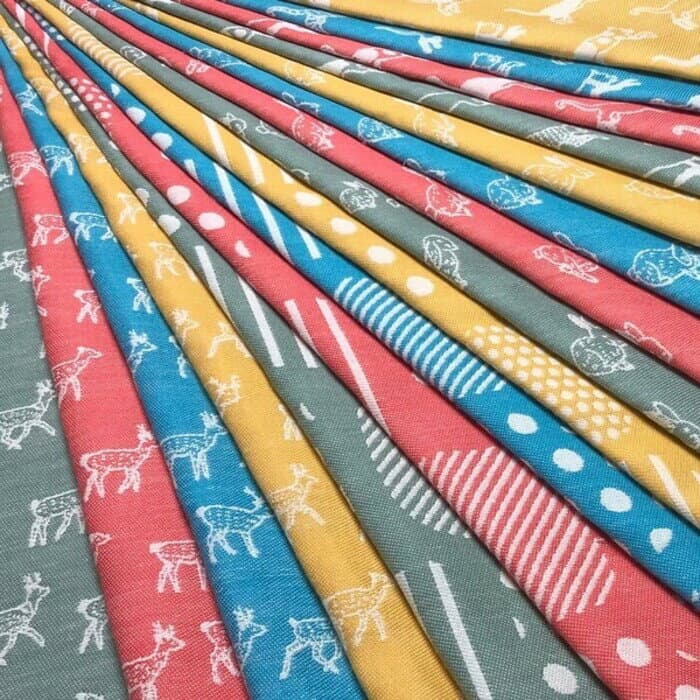
播州織 ソフト二重織 カラー ジャガード 【KJQ03】 50cm単位 切り売り 生地 全16色 110cm幅
50cm units, 110cm widthmulberry fabric
5.0 / 1 reviews
 3 images
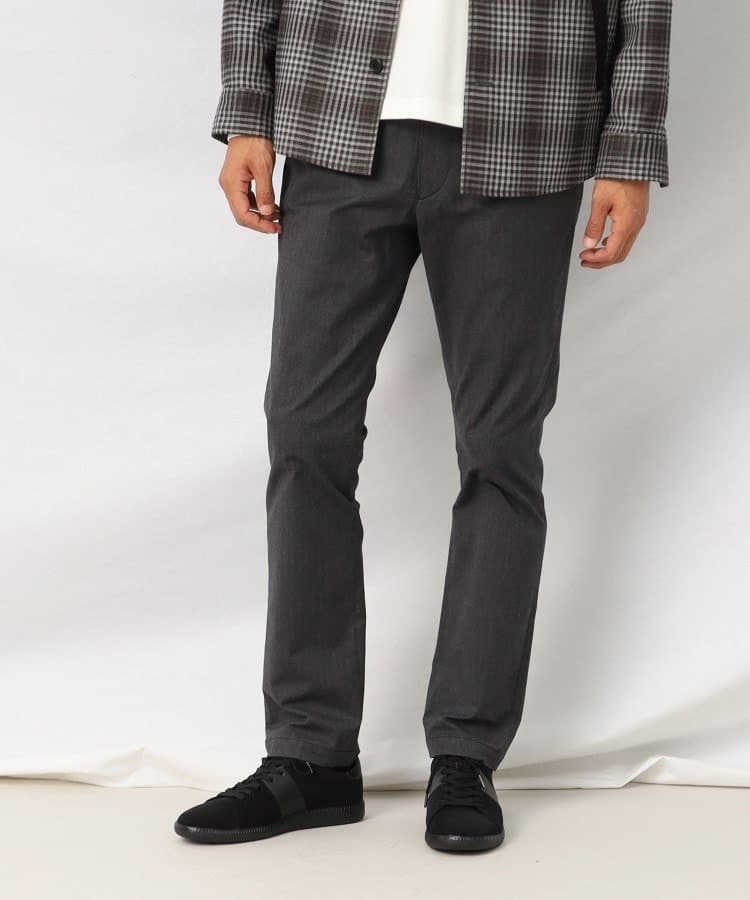
【SALE/30%OFF】TAKEO KIKUCHI 【Made in JAPAN】播州織 ヘリンボン ストレート パンツ タケオキクチ パンツ その他のパンツ ブラウン ブルー ネイビー ベージュ グレー ブラック【送料無料】
Rakuten Fashion
5.0 / 2 reviews
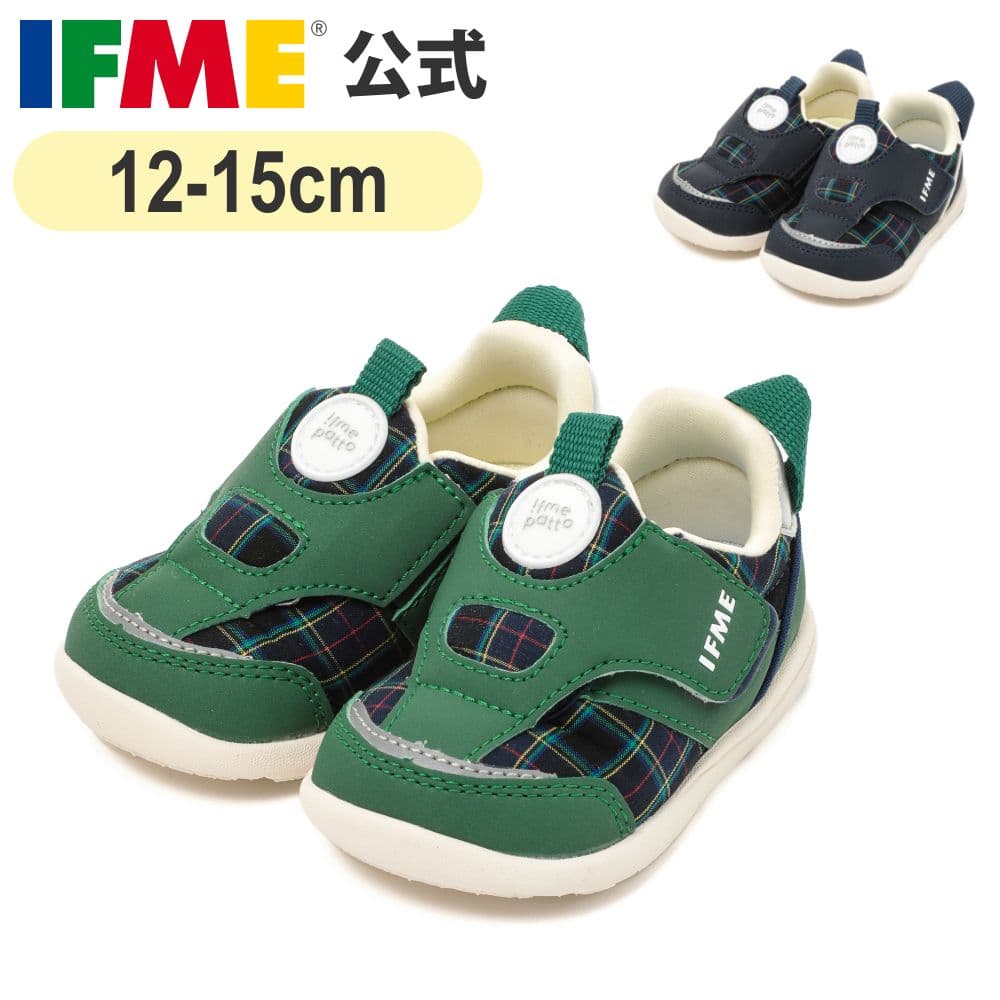 3 images
公式 イフミー スニーカー ifme patto 脱ぎ履き簡単 軽量 播州織スニーカー 12cm〜15cm ベビー 幼稚園 保育園 子ども靴 通園 通学 シューズ 女の子 男の子 イフミーパット 20-4806
12-15 cmIFME(イフミー)公式 楽天市場店
5.0 / 6 reviews
First time buying on Rakuten? How residents in Japan order →
All 5 listings of this product on Rakuten, lowest price first.
| Listing | Price | Shop | Reviews | Open listing |
|---|---|---|---|---|
Banshu-ori Yarn-Dyed Cotton Check Fabric 112 cm width, sold in 50 cm unitsLowest priceMost reviewed | ¥550 | ハッピーサークル | 4.8 / 50 reviews | View on Rakuten → |
Banshu-ori Soft Double-Weave Color Jacquard Fabric KJQ03 50cm units, 110cm width | ¥1,078 | mulberry fabric | 5.0 / 1 reviews | View on Rakuten → |
IFME Patto Banshu-ori Check Baby Sneakers 12-15 cm | ¥4,950 | IFME(イフミー)公式 楽天市場店 | 5.0 / 6 reviews | View on Rakuten → |
Banshu-ori Triple Gauze Women's Pajamas | ¥11,990 | K・トレンド楽天市場店 | 4.5 / 11 reviews | View on Rakuten → |
TAKEO KIKUCHI Made in Japan Banshu-ori Herringbone Straight Pants | ¥18,480 | Rakuten Fashion | 5.0 / 2 reviews | View on Rakuten → |
Japanese · new tab
Banshuori belongs to Hyogo’s Kita-Harima area. Its production area centers on Nishiwaki and extends to Kasai, Kato, and Taka; its defining method is to dye yarn first, then weave the colored threads into stripes and patterns. The local beginning is traced to 1792, when Hida Yasubee brought weaving knowledge back from Kyoto Nishijin. Cotton cultivation, water from the Kako, Sugihara, and Noma rivers, and farm-side work helped the cloth spread through the area. Today Banshuori appears in shirts, handkerchiefs, tablecloths, shawls, accessories, and small goods, while Nishiwaki’s local history museum, workshop hall, and former weaving-factory buildings keep the textile visible in town.
Banshuori is rooted in Hyogo’s Kita-Harima area, with Nishiwaki at the center and Kasai, Kato, and Taka forming part of the production area. Nishiwaki sits where the Banshu plain shifts toward the Chugoku mountains, and the Kako, Sugihara, and Noma rivers gather around the city. Dyeing work needs water, so these rivers are part of the practical ground beneath the textile industry. Cotton gives the cloth another concrete starting point: in and around Nishiwaki, cotton cultivation spread from the middle of the Edo period, and village households made clothing from cotton as woven cloth became farm-side work.
The clearest feature of Banshuori is yarn dyeing. Threads are dyed first, then arranged on the loom so stripes and related patterns emerge from the crossing of warp and weft. Taka’s introduction to the textile also connects pre-dyed yarn placement with stripe patterns, making color arrangement part of the cloth’s structure. That method gives the fabric its particular feel and appearance: the regional association and Nishiwaki both connect Banshuori with natural texture, rich color, and a pleasant handfeel.
The local starting point for Banshuori is 1792. Hida Yasubee, a shrine carpenter from Hiyosho village, returned from Kyoto Nishijin with weaving knowledge and used it to make looms. The cloth was first known around the area as Banshu-shima, then came to be called Banshuori in the late Meiji period. The name change sits beside changes in production: in early Meiji, the later Tsuma village area had about sixty to seventy cotton-cloth businesses, and as power looms spread in late Meiji, work moved from household industry toward factory production in the Nishiwaki area.
Banshuori is encountered through ordinary objects as much as through its production name. Nishiwaki connects the cloth with shirts, handkerchiefs, and tablecloths; the town route also points to shawls, garments, accessories, and small handmade goods. Those uses make the scale of yarn-dyed cloth easy to understand. A tablecloth meets hands and dishes, a shirt places dyed threads close to the skin, and a handkerchief folds stripes into a pocket.
In Nishiwaki, Banshuori can be seen in walkable places. The local history museum presents the development of Banshuori, and the area around the former Kishike residence preserves Taisho-era streets that grew with the textile’s prosperity. Banshuori Kobo-kan occupies a sawtooth-roof building converted from a weaving factory; inside are local fabrics and small Banshuori goods, and large-loom demonstrations take place on Sundays. Near the former Kishike residence, a Western-style building connects more than 1,000 local fabrics with made-to-order shirts.
The present form of Banshuori also lives in production organization and workflow. The Banshuori production-area association covers Nishiwaki, Kasai, Kato, and Taka in Kita-Harima, and in April 2026 it had eleven member companies supporting distribution and organization in the textile area. Within the production area, work can run from raw-yarn preparation through dyeing, weaving, and finishing, supported by high-speed automatic looms, rationalized production lines, and computer quality control. Those systems allow varied small-lot, short-lead-time, and short-cycle production.
Banshuori holds attention through concrete detail: cotton cultivation and river water in Kita-Harima, Hida Yasubee’s 1792 return from Kyoto Nishijin, the shift from Banshu-shima to Banshuori, and the looms, workshops, former factories, shirts, handkerchiefs, and tablecloths still tied to Nishiwaki. When dyed yarns cross on the loom, stripes, color, and soft handfeel form together, keeping the time and place of Nishiwaki and Kita-Harima in cloth that can be worn, used, and touched.
Compiled from public records and official sources; see the recognition links below. Details may change over time.
Where this product is officially registered, designated, or recognized in Japan.
Regional collective trademark
Registered as a Regional Collective Trademark with the Japan Patent Office.
Sources1
It is written as 播州織 in Japanese. Search Rakuten and other Japanese sites with that spelling — the English name will not bring up the listings.
Banshu textiles (Banshuori) are yarn-dyed cotton fabrics from Hyogo's Kita-Harima area, centered on Nishiwaki and extending to Kasai, Kato, and Taka. Yarn is dyed first, then woven into stripes and patterns, giving a natural texture and rich color. Nishiwaki traces the craft to 1792, when Hida Yasubee brought weaving knowledge from Kyoto Nishijin, aided by local cotton and river water. Today the cloth is used for shirts, handkerchiefs, tablecloths, shawls, and small goods.
Nishiwaki traces the origin of Banshuori to 1792, when Hida Yasubee brought weaving knowledge from Kyoto Nishijin and made looms. Cotton cultivation and water from the Kako, Sugihara, and Noma rivers are described as local conditions that supported textile and dyeing work in Nishiwaki. Banshuori Kobo-kan is a converted weaving-factory building where local fabrics, small goods, and large-loom demonstrations can be seen. The Banshuori production-area association had eleven member companies as of April 2026 and describes an integrated workflow from raw-yarn preparation through dyeing, weaving, and finishing.
In Nishiwaki, custom shirts can be ordered by choosing fabric from more than 1,000 Banshuori options. Local shops sell shawls, garments, accessories, and handmade goods made from Banshuori cloth. At Banshuori Kobo-kan, a converted sawtooth-roof weaving factory, large-loom demonstrations can be seen on Sundays.
Naturally dyed textiles shed some colour on first wash. Hand-wash separately with a neutral detergent, avoid long soaking and bleach, and dry in the shade to prevent fading. Silk, ramie, and traditionally dyed pieces often need professional cleaning — the care label on the listing takes precedence.
Most options are shelf-stable, boxed, and travel well, so they suit gifting or bringing home. Confirm the final storage and delivery terms on the Rakuten listing.
On Rakuten: the shops listed here right now are ハッピーサークル, K・トレンド楽天市場店, mulberry fabric, Rakuten Fashion. We don't sell directly; purchase, payment, stock, and delivery are all handled on the Rakuten product page.