 3 images
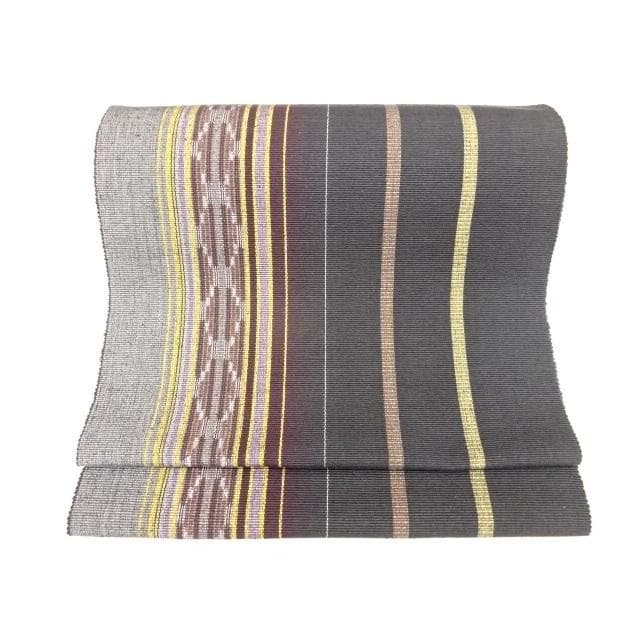
Handwoven Ryukyu Kasuri Eight-Sun Nagoya Obi Fabric
名古屋帯 琉球絣 八寸名古屋帯 本場 琉球 琉球かすり 手織り 手おり 沖縄県 南風原町 桃原織物 八寸 なごや帯 反物 帯地 未仕立て 正絹 シルク 絹100% 日本製 紬訪問着 色無地 小紋 紬 つむぎ 仕立 高級 上品 老舗 伝統 特価 逸品 技術 繊細
Ryukyu black, un仕立て fabric roll
きもの 本多屋 楽天市場店
Japanese name琉球かすり
Ryukyu kasuri comes from Okinawa’s weaving town of Haebaru, where pre-dyed yarn is aligned on the loom and carried into clothing, ties, bags, pouches, small goods, and kariyushi wear.
Information last updated 165 days ago
3 images名古屋帯 琉球絣 八寸名古屋帯 本場 琉球 琉球かすり 手織り 手おり 沖縄県 南風原町 桃原織物 八寸 なごや帯 反物 帯地 未仕立て 正絹 シルク 絹100% 日本製 紬訪問着 色無地 小紋 紬 つむぎ 仕立 高級 上品 老舗 伝統 特価 逸品 技術 繊細
きもの 本多屋 楽天市場店
First time buying on Rakuten? How residents in Japan order →
In Haebaru Town, Okinawa, Ryukyu kasuri begins before the cloth exists. The yarn is dyed in sections, then set on the loom so pattern and structure meet at the same time. Around the Ryukyu Kasuri Hall at Motobu 157, Kasuri Road links the Kyan, Teruya, and Motobu communities, where workshops, work scenes, and loom sounds make the textile part of the town’s visible rhythm.
Ryukyu kasuri is closely tied to Haebaru Town, its main production area in Okinawa. The town is known for woven textiles including Ryukyu kasuri and Haebaru hanaori, and Kasuri Road runs through the Kyan, Teruya, and Motobu communities near the hall. Motobu 157 gives the textile a precise local anchor: a hall, a road, and nearby workshops rather than a vague regional label.
The making logic of Ryukyu kasuri starts with yarn that has already been dyed in separate sections. When those yarns are woven, their dyed portions align and geometric motifs appear in the cloth. The cooperative describes the work through the image of one thread and one weave at a time, a practical phrase that points to patient handwork, alignment, and repeated loom work.
Haebaru’s Ryukyu kasuri is connected with the Ryukyu Kingdom era. A commonly described route traces kasuri from Southeast Asia to the Ryukyu Kingdom and then onward to Edo-period Japan. The same account says Ryukyu kasuri is regarded as a root of kasuri across Japan, a careful wording that leaves room for the wider movement of techniques rather than turning it into a single absolute origin claim.
The Ryukyu Kasuri Hall is operated by the Ryukyu Kasuri Business Cooperative and stands along Kasuri Road. Visitors can learn about Ryukyu kasuri and Haebaru hanaori history, see weaving and work scenes, and join a reservation-based weaving experience. The hall matters because it turns terms like dyed yarn, loom, and geometric pattern into visible actions in one place.
The Ryukyu Kasuri Business Cooperative was established in 1975 and had 54 members as of June 2021. Its work includes successor training, and a 2019 recruitment notice described a program centered on weaving as comprehensive Ryukyu kasuri learning. Continuity here is concrete: members, training hours, looms, and learners connected to Haebaru Town and the production area.
Ryukyu kasuri also appears beyond bolts of fabric. Haebaru Town and the cooperative describe clothing, neckties, bags, pouches, small goods, and kariyushi wear made with the textile. On these objects, the geometric pattern moves with ordinary use: worn at the body, carried by hand, or kept among daily belongings.
A clear path through Ryukyu kasuri begins at Haebaru’s Motobu 157: pre-dyed yarn, loom alignment, the Kyan, Teruya, and Motobu communities, the cooperative founded in 1975, successor training, and everyday objects patterned with geometric cloth. Its local character is found in those concrete details: a road, a hall, workshops, loom sounds, and one-thread-at-a-time handwork.
Compiled from public records and official sources; see the recognition links below. Details may change over time.
Where this product is officially registered, designated, or recognized in Japan.
It is written as 琉球かすり in Japanese. Search Rakuten and other Japanese sites with that spelling — the English name will not bring up the listings.
Ryukyu kasuri is a woven textile associated with Haebaru Town in Okinawa. Its geometric motifs are made by weaving yarn that has been dyed in sections before weaving. The Ryukyu Kasuri Hall stands at Motobu 157 along Kasuri Road near the Kyan, Teruya, and Motobu communities. The cooperative was founded in 1975, had 54 members in June 2021, and runs successor training centered on weaving.
Ryukyu kasuri is mainly produced in Haebaru Town, Okinawa Prefecture. The Ryukyu Kasuri Hall is located at Motobu 157 in Haebaru and stands along Kasuri Road. Kasuri Road links the Kyan, Teruya, and Motobu communities around the Ryukyu Kasuri Hall. The Ryukyu Kasuri Business Cooperative was established in 1975 and had 54 members as of June 2021.
Ryukyu Kasuri Hall is a place to learn the history of Ryukyu kasuri and Haebaru hanaori, view weaving and work scenes, and join paid weaving experiences by reservation. The Kyan, Teruya, and Motobu areas near the hall are linked by Kasuri Road, with workshops, work scenes, and the sound of looms as part of the local route. The textile appears in clothing, neckties, bags, pouches, small goods, and kariyushi wear.
Naturally dyed textiles shed some colour on first wash. Hand-wash separately with a neutral detergent, avoid long soaking and bleach, and dry in the shade to prevent fading. Silk, ramie, and traditionally dyed pieces often need professional cleaning — the care label on the listing takes precedence.
Most options are shelf-stable, boxed, and travel well, so they suit gifting or bringing home. Confirm the final storage and delivery terms on the Rakuten listing.
On Rakuten: the shops listed here right now are きもの 本多屋 楽天市場店. We don't sell directly; purchase, payment, stock, and delivery are all handled on the Rakuten product page.