 3 images
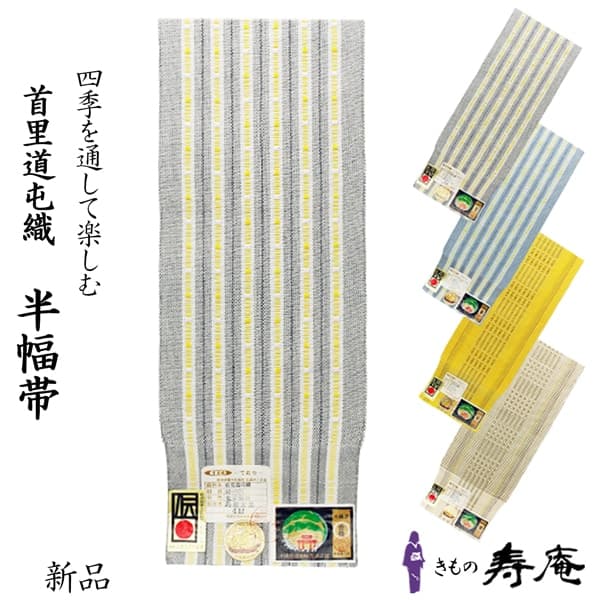
Shuri-ori Handwoven Han-haba Obi by Akemi Shimada
半幅帯 夏着物 に合う 沖縄 ミンサー 単衣 袷 軽い 約4m 薄手 首里織 単衣帯 ゆかた帯 きもの通 おうち着物 手織 首里道屯織 かわいい 島田朱美 みんさー 四寸帯 退職祝 花織 旅行 沖縄県伝統工芸品 新品 ギフト 贈り物
approx. 4 m x 15.5 cm帯きもの寿庵 京都発 新品和装専門
5.0 / 2 reviews
Japanese name首里織
In Shuri, Naha, Shuri-ori gathers patterned weaves and kasuri under one name, linking silk thread, basho fiber, Ryukyu indigo, and fukugi to cloth once refined for Ryukyu court life and still used today.
Information last updated 120 days ago
3 images半幅帯 夏着物 に合う 沖縄 ミンサー 単衣 袷 軽い 約4m 薄手 首里織 単衣帯 ゆかた帯 きもの通 おうち着物 手織 首里道屯織 かわいい 島田朱美 みんさー 四寸帯 退職祝 花織 旅行 沖縄県伝統工芸品 新品 ギフト 贈り物
approx. 4 m x 15.5 cm帯きもの寿庵 京都発 新品和装専門
5.0 / 2 reviews
 3 images
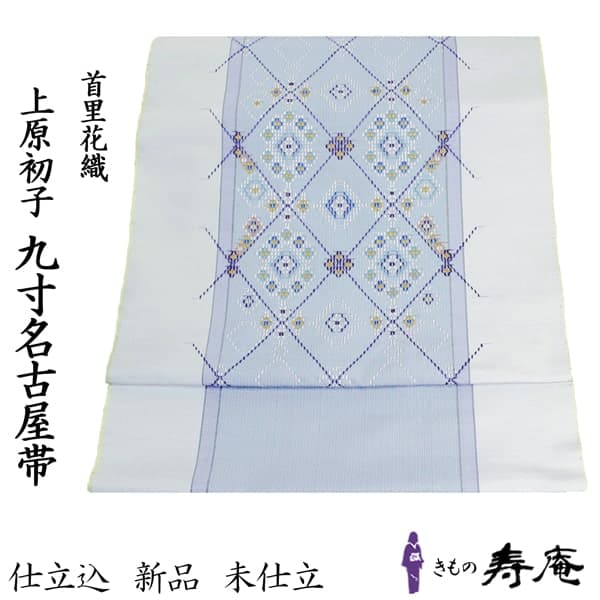
クーポンあり 帯 名古屋帯 花織 首里織 沖縄 上原初子 ており 九寸名古屋帯 沖縄 仕立込 経済産業大臣指定 首里花織 ブリー グレー パープル 付下げ 色無地 小紋 お召 セミフォーマル カジュアル お茶会 結婚式 新品 未仕立 日本製
gray purple帯きもの寿庵 京都発 新品和装専門
 3 images
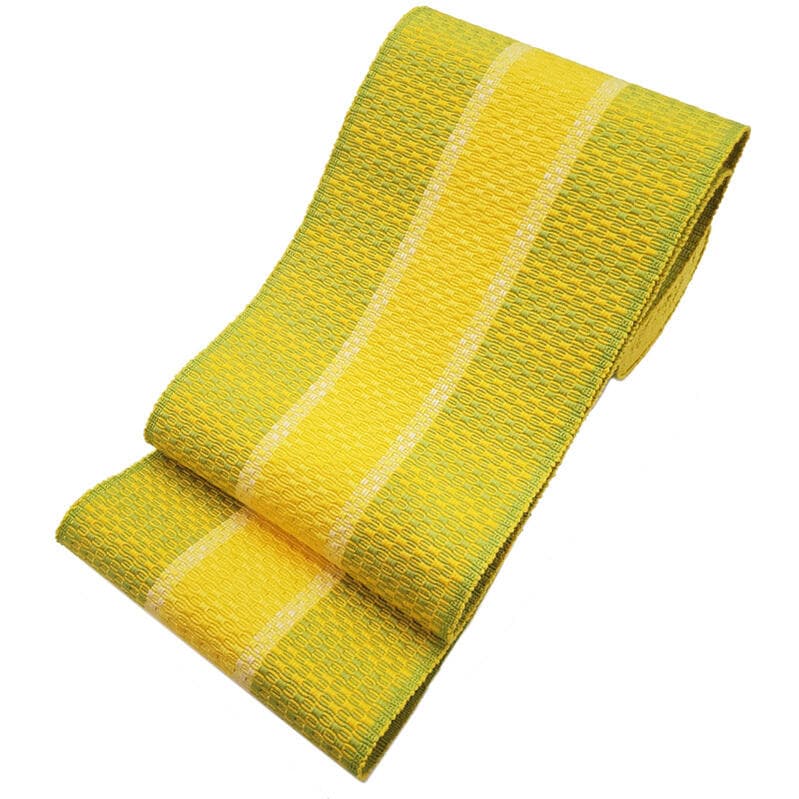
::::: 伝統的工芸品 ::::: ■ 首里織 首里道屯織 ■ 半幅帯 ミンサー■ 経済産業大臣指定 伝統的工芸品■ 沖縄県指定 伝統工芸品■ 綿 100%夏の浴衣・ゆかたはもちろん紬・小紋のカジュアルきものにもおすすめ☆
approx. 15 cm x 400 cm高松南新町商店街
First time buying on Rakuten? How residents in Japan order →
Shuri-ori begins with Shuri in Naha, Okinawa. The district grew as the castle town of the Ryukyu royal government, where cloth for nobles and samurai-class users was shaped through close attention to color, pattern, and use. Today the name Shuri-ori covers a family of woven textiles handed down in Shuri, including patterned weaves, kasuri, hanakura-ori, doton-ori, hanaori, and minsaa.
Shuri-ori is a collective name, not a single pattern. It gathers the patterned weaves and kasuri textiles handed down around Shuri in Naha. Because Shuri developed as the castle town of the Ryukyu royal government, garment cloth for nobles and samurai-class users was refined there through color, motifs, and intended wear. Hanakura-ori, doton-ori, hanaori, Shuri kasuri, and Shuri minsaa belong to this textile family because they share that Shuri setting and its garment-making context.
In the 14th and 15th centuries, the Ryukyu Kingdom traded actively with Southeast Asia and China, and weaving techniques were learned through those exchanges. Over hundreds of years, those techniques met Okinawa’s climate and local practice, producing varied Ryukyu textiles. In Shuri, the castle-town setting gave particular weight to cloth made for color, pattern, and formal use, so maritime exchange became visible in the structures and surfaces of local weaving.
Within Shuri-ori, hanakura-ori and doton-ori make the old link between technique and use concrete. Hanakura-ori was associated with royal and noble use, while doton-ori belonged to the broader court-related garment context of Shuri. Techniques such as hanaori, ro weave, plain-weave grounds, and changes in thread density gave the cloth visible structure, pattern, and shifting surface detail. The cultural meaning of these textiles sits in those specific forms: a summer-cloth weave, a raised flower pattern, and density changes inside the woven ground.
Shuri-ori centers on silk thread and also uses cotton, hemp, and basho fiber. Its dyes include Ryukyu indigo, fukugi, tekachi, shibuki, guru, and other plant dyes, alongside chemical dyes. The textile’s tradition is therefore material before it is abstract: fiber, plant color, dyeing work, and woven structure create the color and surface seen in the finished cloth. Silk brings fineness, basho fiber brings an Okinawan plant material into the weave, and indigo or fukugi enters through the dyeing process.
The range of Shuri-ori runs from patterned weave to kasuri, with several techniques sometimes combined in one piece. The weaver’s work can include design, dyeing, and weaving, so the finished cloth carries decisions made before the loom as well as the movement of thread through the loom. That joined workflow helps explain why line, color, and texture vary from object to object: pattern planning, dyed yarn, and woven structure all meet in the same length of cloth.
Shuri-ori remains visible in kimono cloth and obi cloth, and it has also moved into mats, coasters, kariyushi wear, small goods, and interior textiles. The Naha Traditional Textile Cooperative works in manufacture, processing, sales, and successor training; it was established in 1976 and began a successor-training program in 1984. Those dates place continuity in an organized setting, while present-day uses put Shuri’s woven patterns into garments, rooms, and small objects handled in daily life.
Shuri-ori can be read through place, material, and use: Shuri in Naha, silk thread and Ryukyu indigo, hanakura-ori and doton-ori, kimono cloth and small daily textiles. The family of weaves carries castle-town garment memory into objects still handled today, with each thread tied to dyeing, design, weaving, and the producer community in Shuri.
Compiled from public records and official sources; see the recognition links below. Details may change over time.
Where this product is officially registered, designated, or recognized in Japan.
It is written as 首里織 in Japanese. Search Rakuten and other Japanese sites with that spelling — the English name will not bring up the listings.
Shuri-ori is the collective name for patterned weaves and kasuri handed down in Shuri, Naha, including hanakura-ori, doton-ori, hanaori, Shuri kasuri, and Shuri minsaa. It grew alongside Shuri's role as the castle town of the Ryukyu royal government. The cloth centers on silk thread, with cotton, hemp, and basho fiber also used, dyed with Ryukyu indigo, fukugi, tekachi, shibuki, and guru. Today it appears in kimono cloth, obi, mats, coasters, kariyushi wear, and interior textiles.
In the 14th and 15th centuries, the Ryukyu Kingdom learned weaving techniques through exchange with Southeast Asia and China. Hanakura-ori and doton-ori are Shuri-ori types associated with royal, noble, or court-related garment use. Shuri-ori ranges from patterned weave to kasuri, and multiple techniques may be combined in one piece. A Shuri-ori weaver may handle design, dyeing, and weaving.
Shuri-ori is used as kimono cloth (kizaku) and obi cloth. It is also made into mats, coasters, kariyushi wear, small goods, and interior textiles, including cushion covers, foot throws, and lampshades produced for Hotel Strata Naha in 2019-2020. Visitors can try weaving at Naha City Bunka Tenbusu-kan, and the cooperative has run traditional-craft education programs for children since 2010.
Naturally dyed textiles shed some colour on first wash. Hand-wash separately with a neutral detergent, avoid long soaking and bleach, and dry in the shade to prevent fading. Silk, ramie, and traditionally dyed pieces often need professional cleaning — the care label on the listing takes precedence.
Most options are shelf-stable, boxed, and travel well, so they suit gifting or bringing home. Confirm the final storage and delivery terms on the Rakuten listing.
On Rakuten: the shops listed here right now are 帯きもの寿庵 京都発 新品和装専門, 高松南新町商店街. We don't sell directly; purchase, payment, stock, and delivery are all handled on the Rakuten product page.