 3 images
Okinawan Sanshin Beginner Complete Set
沖縄三線セット 初心者用究極コンプリートフルセット 匠の本格三線 カスタマイズオプション付【海の声・糸・ハナミズキ 工工四 & コード表付】安心5年保証
Makabe style, black finish, synthetic skin三線職人の専門店『米須三線店』
4.8 / 102 reviews
Japanese name三線
Made in Okinawa, including Naha, the sanshin is built from a neck, body, and tuning pegs. It has sounded in Ryukyu court receptions, kumiodori, village festivals, folk songs, and pop.
Information last updated yesterday
3 images沖縄三線セット 初心者用究極コンプリートフルセット 匠の本格三線 カスタマイズオプション付【海の声・糸・ハナミズキ 工工四 & コード表付】安心5年保証
Makabe style, black finish, synthetic skin三線職人の専門店『米須三線店』
4.8 / 102 reviews
 3 images
沖縄三線セット 本蛇皮強化張り 真壁型 初心者用『究極』コンプリートフルセット カスタマイズオプション付【海の声・糸・ハナミズキ・工工四付】安心5年保証
Makabe style, black lacquer, reinforced genuine snakeskin三線職人の専門店『米須三線店』
5.0 / 84 reviews
 3 images
沖縄三線セット 匠の本格三線 初心者用スタンダードセット カスタマイズオプション付【海の声・糸・ハナミズキ 工工四 & コード表付】初心者セット 安心5年保証
standard set三線職人の専門店『米須三線店』
4.7 / 54 reviews
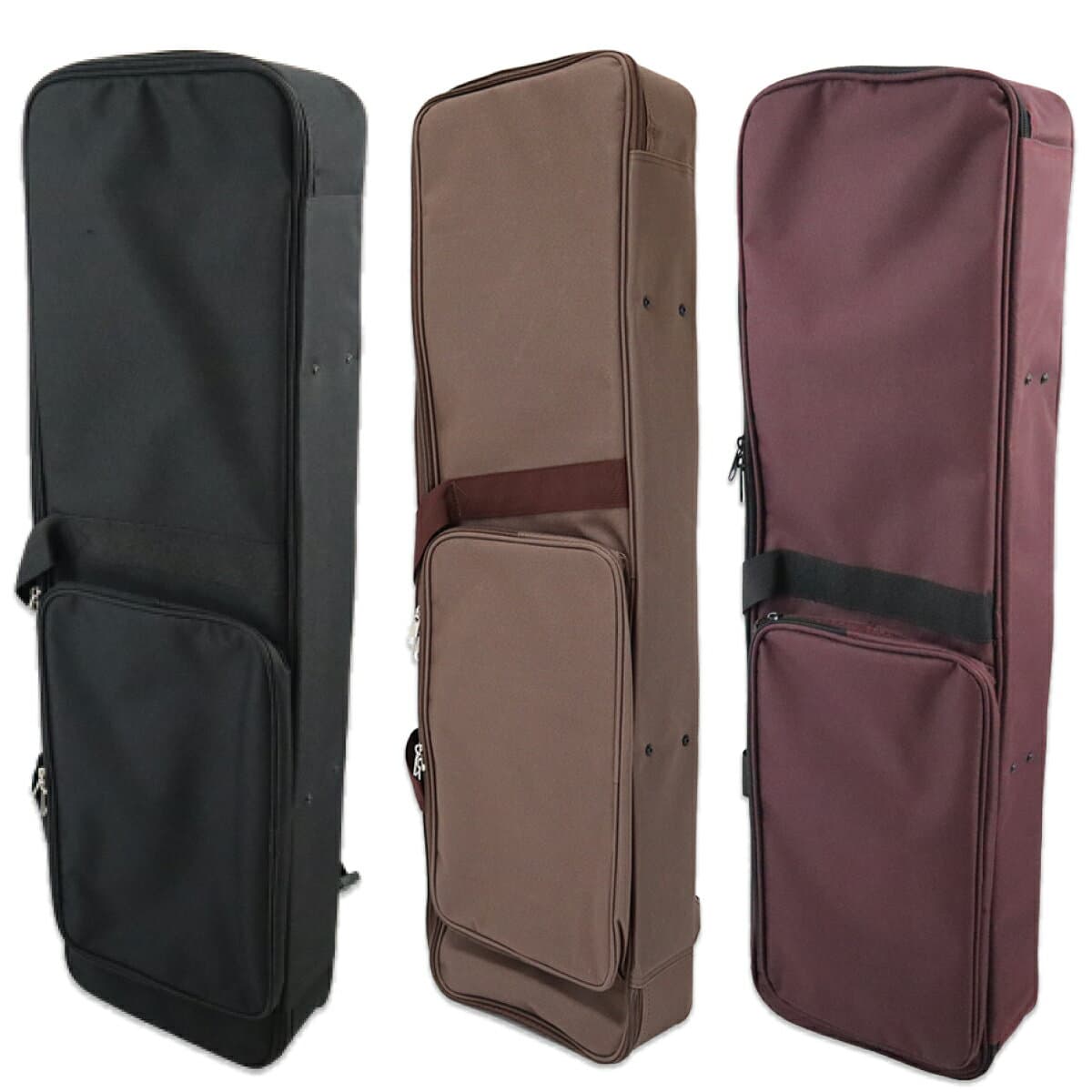 3 images
三線 ケース ソフトケース(ブラックorワインレッドorブラウン)
black, wine red, or brown三線職人の専門店『米須三線店』
4.8 / 21 reviews
First time buying on Rakuten? How residents in Japan order →
All 4 listings of this product on Rakuten, lowest price first.
| Listing | Price | Shop | Reviews | Open listing |
|---|---|---|---|---|
Sanshin Soft Case black, wine red, or brownLowest price | ¥7,800 | 三線職人の専門店『米須三線店』 | 4.8 / 21 reviews | View on Rakuten → |
Okinawa Sanshin Beginner Set standard set | ¥39,800 | 三線職人の専門店『米須三線店』 | 4.7 / 54 reviews | View on Rakuten → |
Okinawan Sanshin Beginner Complete Set Makabe style, black finish, synthetic skinMost reviewed | ¥46,800 | 三線職人の専門店『米須三線店』 | 4.8 / 102 reviews | View on Rakuten → |
Okinawan Sanshin Beginner Complete Set Makabe style, black lacquer, reinforced genuine snakeskin | ¥54,800 | 三線職人の専門店『米須三線店』 | 5.0 / 84 reviews | View on Rakuten → |
Japanese · new tab
The sanshin is a three-string instrument made in Okinawa, including Naha, with a neck, a body, and tuning pegs at its core. Its long neck gives the instrument its outline, the snake-skin body gives it a defining material, and the tuning pegs set the three strings; seven representative neck forms bear the names of master makers from the Ryukyu Kingdom period. The prototype sansen reached Ryukyu from mainland China in the late fourteenth century. By the early seventeenth century, the sanshin had become a court instrument used in reception events and performing arts such as kumiodori. After 1879, former shizoku bearers helped carry it into village festivals and village theater.
The sanshin begins with three named parts: neck, body, and tuning pegs. In Okinawa, including Naha, makers sort the instrument by neck shape; seven representative forms keep the names of Ryukyu Kingdom master makers. The body is covered with snake skin, a material named as a characteristic of the instrument. In use, the same three-string form appears in kumiodori, Ryukyu opera, folk songs, and pop music.
Late in the fourteenth century, the prototype sansen was brought to the Ryukyu Kingdom by the Thirty-Six Min families from the lower Min River area of Fujian. The Ryukyu Islands sat near the center of the East China Sea and traded actively with neighboring parts of East Asia, giving the instrument a sea route into Ryukyu. In the fifteenth century, sanshin study was encouraged as part of shizoku education, placing the instrument in a concrete setting of status-group learning.
Early in the seventeenth century, the Ryukyu Kingdom adopted the sanshin as a court instrument and used it in reception events. The court also created roles for sanshin makers and for administrators who supervised them, placing craft work beside performance. Around the same period, kumiodori and other song-and-dance arts became active, and the sanshin established itself as an important instrument in court music.
After 1879, the shizoku who had carried the sanshin lost their standing and moved into local communities. From them, the instrument passed to common people and came to be used in village festivals and village theater. The same three strings moved from court receptions and shizoku education into days when villagers gathered for rites and performance.
Making a sanshin begins with the neck type. The maker transfers dimensions from a drawing and pattern to the wood, cuts while reading the grain, then files and sands the form. The upper part of the neck is especially important to the type and is finished by hand. Lacquer is applied and polished about three to ten times. On the body, the chiiga is covered with snake skin on the front and back, wedges adjust the skin tension, and the final neck-body fitting, called bu-ate, affects the tone.
In 1945, the Battle of Okinawa caused heavy loss of life and damaged tangible objects as well as performing practices. From 1955 onward, notable sanshin began to be protected; today, 20 sanshin are protected as craft objects. Current points of contact include Sanshin University, sanshin classes, beginner programs, school-trip and training programs, performance experiences, performer dispatch, and a digital sanshin map, giving the instrument classrooms, events, and stages beyond its place of making.
Seen through its materials and settings, the sanshin starts with neck, body, and tuning pegs made in Okinawa, including Naha. It also reaches back to the late-fourteenth-century arrival of the sansen, the court receptions of the early seventeenth century, village festivals after 1879, and present-day classes and stages. Snake skin, repeated lacquer work, wedge-adjusted tension, and the bu-ate fitting keep the three strings tied to concrete scenes across time.
Compiled from public records and official sources; see the recognition links below. Details may change over time.
Where this product is officially registered, designated, or recognized in Japan.
Traditional craft
Designated a Traditional Craft (dentō kōgeihin) by Japan's Ministry of Economy, Trade and Industry.
Sources1
It is written as 三線 in Japanese. Search Rakuten and other Japanese sites with that spelling — the English name will not bring up the listings.
The sanshin is a three-string instrument made in Okinawa, including Naha, consisting of a neck, body, and tuning pegs. Its prototype, the sansen, reached Ryukyu in the late fourteenth century and later became a court instrument of the Ryukyu Kingdom. Today it is used in Ryukyu classical music, folk music, and pop.
Seven representative sanshin neck forms are named after master makers from the Ryukyu Kingdom period. The prototype sansen reached Ryukyu from the lower Min River area of Fujian in the late fourteenth century. In the fifteenth century, sanshin study was encouraged as part of shizoku (samurai-class) education, and by the early seventeenth century the sanshin had become a Ryukyu court instrument. After 1879, the sanshin spread from former shizoku to common people and entered village festivals and village theater.
The sanshin accompanies kumiodori and Ryukyu classical music, as well as Ryukyu opera, folk songs, folk performing arts, and pop music. Snake-skin sanshin were once regarded as a symbol of wealth, kept as a "husband and wife sanshin" displayed in the tokonoma or preserved as a decorative sanshin. Sanshin classes and playing experience programs continue today as a way of passing on the craft.
Keep craft pieces out of direct sunlight, damp, and sharp temperature swings, and store them where they won't knock against anything. Wood, bamboo, lacquer, and paper don't tolerate water — wipe any moisture off immediately. Specific care notes are on the listing.
Most options are shelf-stable, boxed, and travel well, so they suit gifting or bringing home. Confirm the final storage and delivery terms on the Rakuten listing.
On Rakuten: the shops listed here right now are 三線職人の専門店『米須三線店』. We don't sell directly; purchase, payment, stock, and delivery are all handled on the Rakuten product page.