 3 images
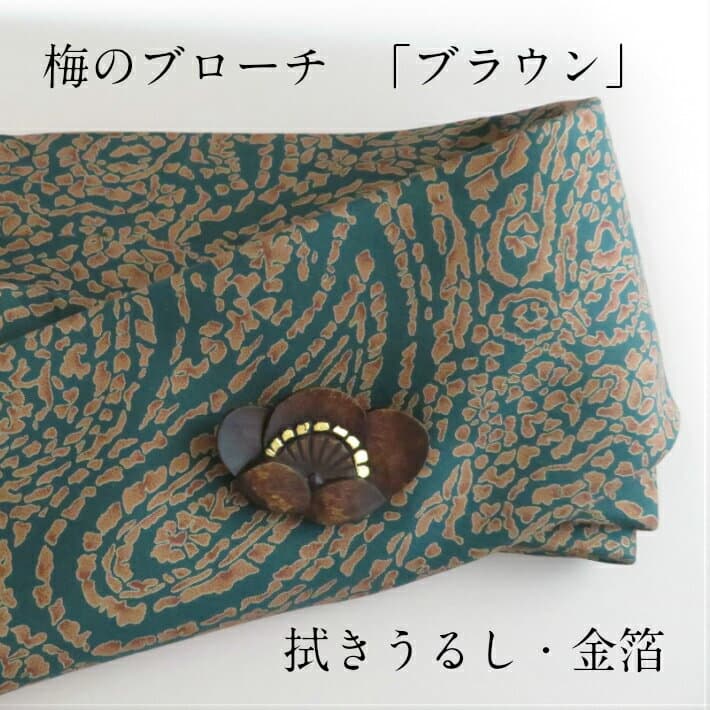
Kamakura-bori Plum Blossom Wood Lacquer Brooch
女性 プレゼント ブローチ アクセサリー 花ブローチ 梅 ウメ 鎌倉彫 木 漆 国産 ギフト 拭き漆 金箔 贈り物 プレゼント 誕生日 伝統工芸品 工房直送 ブラウン【送料無料】5と0の付く日ポイント5倍 デイリーランキング1位受賞
brown鎌倉彫青山工房楽天市場店
5.0 / 11 reviews
Japanese name鎌倉彫
In Kamakura, Kanagawa, Kamakura-bori grew from Buddhist implements into tea-utensil and daily-use settings, carrying its identity through carved wood, deep lacquer color, maker training, and the Yubigahama craft hall.
Information last updated yesterday
3 images女性 プレゼント ブローチ アクセサリー 花ブローチ 梅 ウメ 鎌倉彫 木 漆 国産 ギフト 拭き漆 金箔 贈り物 プレゼント 誕生日 伝統工芸品 工房直送 ブラウン【送料無料】5と0の付く日ポイント5倍 デイリーランキング1位受賞
brown鎌倉彫青山工房楽天市場店
5.0 / 11 reviews
 3 images
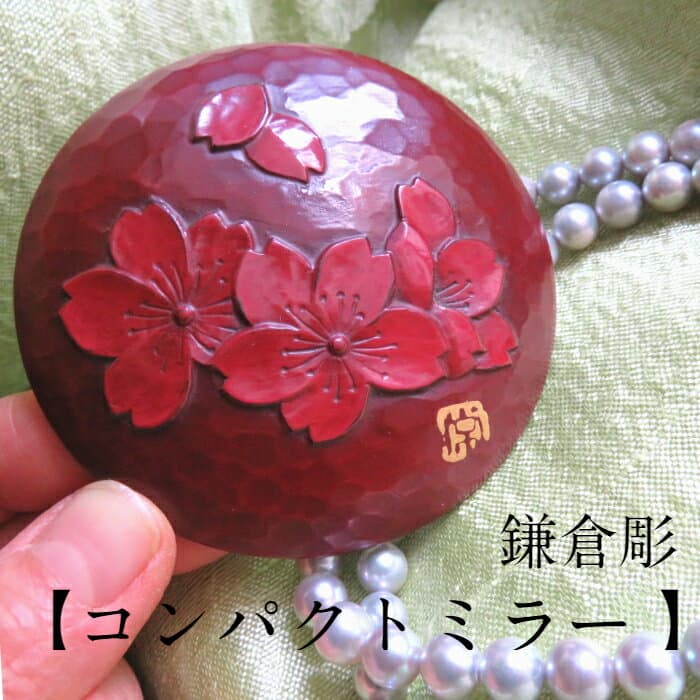
女性 プレゼント コンパクトミラー 可愛いい ミラー 鏡 オマケ(手作りケース)付き 手鏡 姫鏡 化粧鏡 桜 さくら プレゼント 鎌倉彫 木製 木彫 漆塗り 誕生日 母の日 伝統工芸 工房直送 【送料無料】
with handmade case鎌倉彫青山工房楽天市場店
5.0 / 8 reviews
 3 images
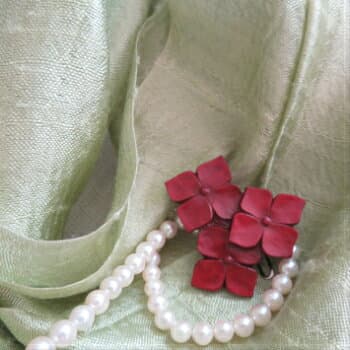
プレゼント 女性 可愛い 高級品 花ブローチ 日本的 鎌倉彫 ブローチ 木 漆 国産 手作り アクセサリー レディース 工房直送 アジサイ 紫陽花 ヤマアジサイ 贈り物 プレゼント 誕生日 日本製 伝統工芸品 木製 木彫 赤 青 アイボリー
red, blue, ivory鎌倉彫青山工房楽天市場店
4.9 / 16 reviews
First time buying on Rakuten? How residents in Japan order →
Kamakura-bori brings wood, carved relief, and lacquer onto the same object. At Kamakurabori Kougeikan at Yubigahama 3-4-7 in Kamakura, works by makers are shown, and classes introduce pattern drawing, knife sharpening, carving, and lacquerwork. That present-day entrance connects Buddhist implements from the Kamakura period, tea-utensil use, and a living training environment for hands, tools, wood, and lacquer.
Kamakura-bori begins with Buddhist implements in the Kamakura period. Kanagawa's tourism page describes it as a woodcarving technique developed for making Buddhist implements, while the Kamakurabori Kaikan account places Buddhist implements and tea utensils in its early transmission by Buddhist sculptors. From that starting point, the craft has continued for about 800 years, moving from temple objects into tea settings and later daily life.
The surface of Kamakura-bori is recognized through carved shadow, deep lacquer color, and the warmth of wood. The processes taught around the craft make those traits concrete: pattern creation, sharpening blades, carving wood, and applying lacquer. Relief on the surface is where a drawn motif, a sharpened tool, dark lacquer, and wood meet in one object.
In the Meiji era, the Buddhist sculptor families Goto and Mitsuhashi revived Kamakura-bori as art craft. Their names keep the turning point attached to specific maker lineages rather than a vague change in taste. The revival rests on older carving and lacquer skills while giving those skills a clearer place in craft objects beyond their temple setting.
In 1951, the Kamakura-bori industry formed the Kamakura-bori Cooperative and began projects such as a shared wood-base workshop. In 1968, Kamakurabori Kaikan was built as an activity base with support from Kamakura City and Kanagawa Prefecture. The later training school, shared material purchasing, exhibitions, and hands-on activities show how wood bases, blades, lacquer, and teaching became a community framework.
Today, Kamakurabori Kougeikan is located at Yubigahama 3-4-7 in Kamakura, an address repeated in Kamakura City, Kanagawa tourism, and craft-hall listings. The hall displays works by Kamakura-bori makers and offers group experience classes. Craftsperson-led sessions in knife sharpening, pattern creation, and lacquerwork make the processes visible as a sequence of hands, tools, wood, and lacquer.
In 1978, after a national traditional-craft designation, the industry formed the Traditional Kamakurabori Business Cooperative; in practical terms, that meant successor development, technical training, raw-material research, product inspection, and craftsperson recognition. As Kamakura-bori entered daily life, its continuity stayed attached to specific things: wood, carving, lacquer, trained makers, and shared standards for finished work.
Kamakura-bori can be followed through Buddhist implements from the Kamakura period, tea utensils, the Meiji revival by the Goto and Mitsuhashi families, postwar training and shared wood bases, and the Yubigahama classes in pattern drawing, knife sharpening, and lacquerwork. Wood is carved into shadow, dark lacquer settles over the relief, and the finished object carries Kamakura's temple, tea, and daily-use settings in material form.
Compiled from public records and official sources; see the recognition links below. Details may change over time.
Where this product is officially registered, designated, or recognized in Japan.
It is written as 鎌倉彫 in Japanese. Search Rakuten and other Japanese sites with that spelling — the English name will not bring up the listings.
Kamakura carving (Kamakura-bori) is a woodcarving-and-lacquer craft centered in Kamakura, Kanagawa. It developed in the Kamakura period for Buddhist implements and is also tied to tea utensils. Its surface is identified by carved shadow, deep lacquer color, and wood warmth. The Meiji revival by the Goto and Mitsuhashi Buddhist sculptor families, postwar cooperative activity, training, shared wood bases, exhibitions, and Yubigahama classes keep the craft connected to makers, tools, wood, and lacquer.
Kamakura-bori is centered in Kamakura, Kanagawa, with Kamakurabori Kougeikan located at Yubigahama 3-4-7 in Kamakura City. Kamakura-bori developed in the Kamakura period as a woodcarving technique for Buddhist implements. Early Kamakura-bori use includes Buddhist implements and tea utensils, mainly transmitted by Buddhist sculptors. In the Meiji era, the Buddhist sculptor families Goto and Mitsuhashi revived Kamakura-bori as art craft.
The craft has moved into everyday life as lacquerware and home objects while retaining carved shadow, lacquer color, and wood warmth. Kamakurabori Kougeikan displays makers' works and offers craftsperson-led classes in pattern creation, knife sharpening, and lacquerwork. Exhibitions, maker demonstrations, workshops, experience activities, and events introduce the craft to visitors.
Keep craft pieces out of direct sunlight, damp, and sharp temperature swings, and store them where they won't knock against anything. Wood, bamboo, lacquer, and paper don't tolerate water — wipe any moisture off immediately. Specific care notes are on the listing.
Most options are shelf-stable, boxed, and travel well, so they suit gifting or bringing home. Confirm the final storage and delivery terms on the Rakuten listing.
On Rakuten: the shops listed here right now are 鎌倉彫青山工房楽天市場店. We don't sell directly; purchase, payment, stock, and delivery are all handled on the Rakuten product page.