 3 images
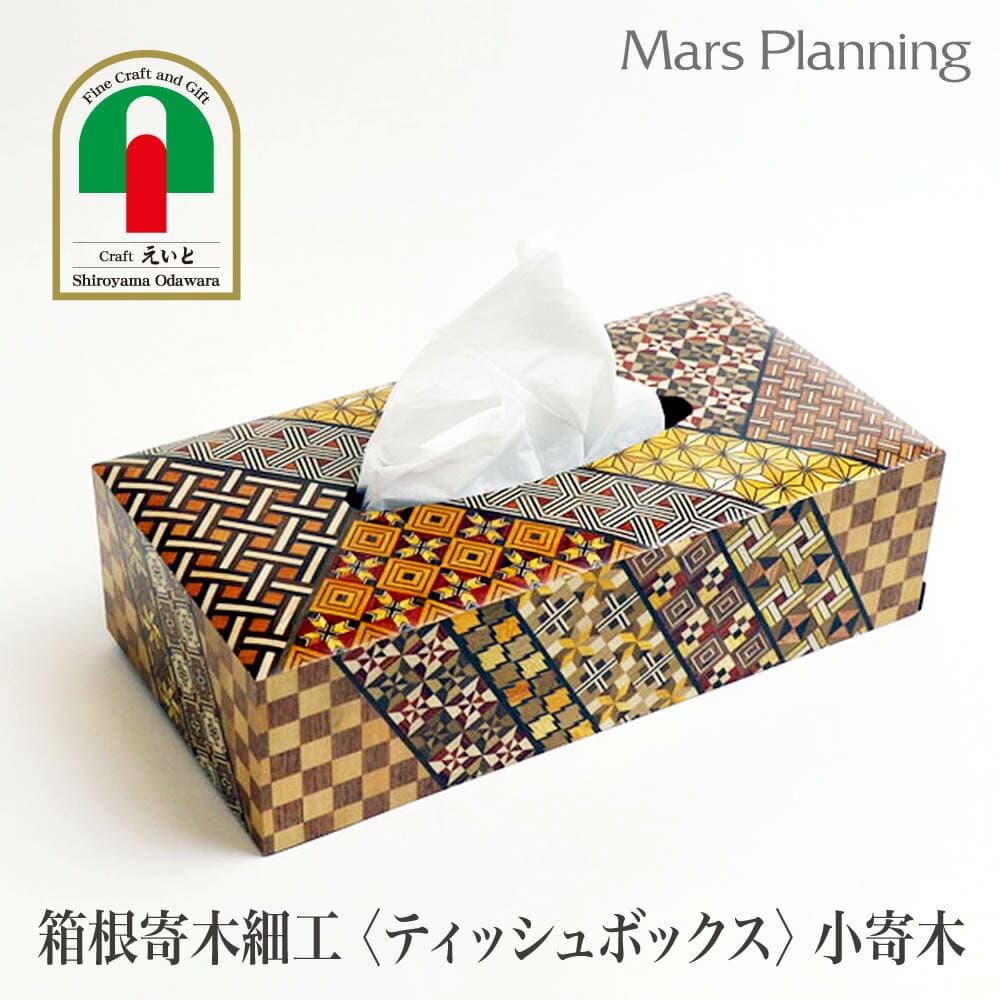
Hakone Yosegi Zaiku Tissue Box
伝統工芸 箱根寄木細工 ティッシュボックスティッシュ 箱 入れ物 日本製 国産 おしゃれ プレゼント 父の日 ギフト 贈答 誕生日 お祝い 内祝い お土産 出産祝い 露木木工所 クラフトえいとラッピング
275 x 76 x 136 mmマースプランニング online shop
5.0 / 1 reviews
Japanese name箱根寄木細工
Hakone Yosegi Zaiku turns the natural colors and grain of many woods into seed boards, thin veneer, and solid objects made around Hakone and Odawara.
Information last updated yesterday
3 images伝統工芸 箱根寄木細工 ティッシュボックスティッシュ 箱 入れ物 日本製 国産 おしゃれ プレゼント 父の日 ギフト 贈答 誕生日 お祝い 内祝い お土産 出産祝い 露木木工所 クラフトえいとラッピング
275 x 76 x 136 mmマースプランニング online shop
5.0 / 1 reviews
 3 images
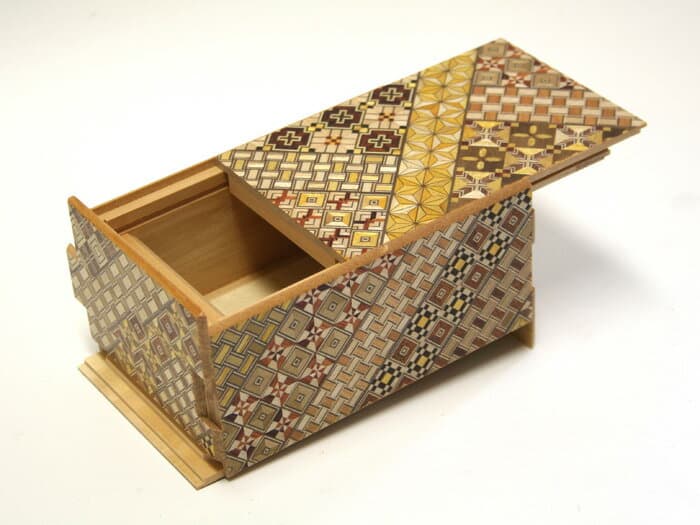
箱根寄木細工 秘密箱21回+1仕掛け 小寄木
21 moves + 1 hidden compartment, Ko-yosegi箱根寄木細工専門店箱根丸山物産
4.9 / 11 reviews
 3 images
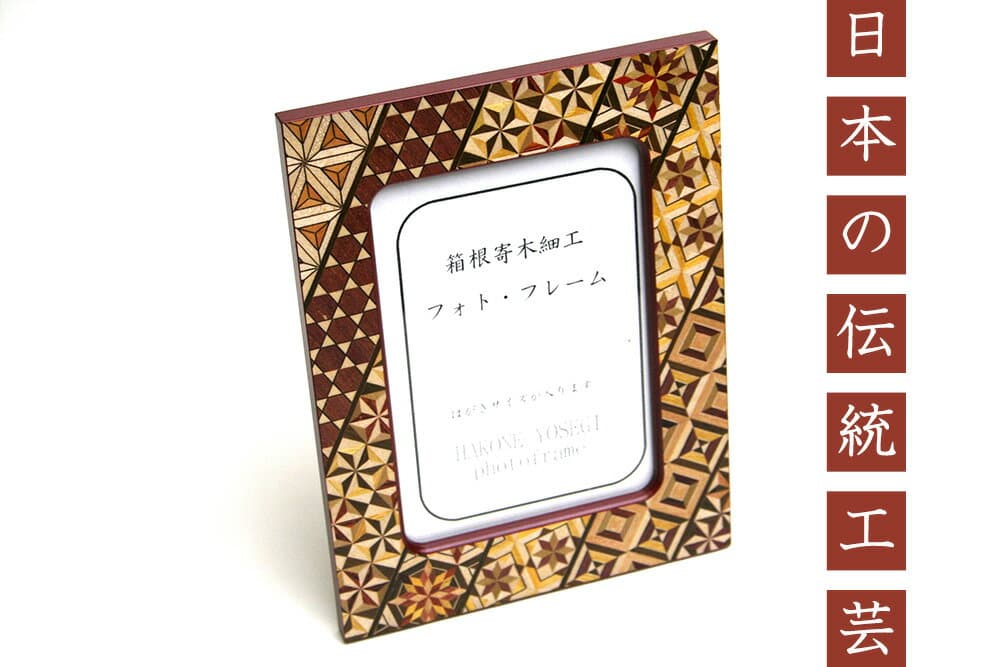
写真立て 寄木細工 箱根寄木細工フォトフレーム 小寄木
small yosegi pattern箱根寄木細工専門店箱根丸山物産
4.8 / 20 reviews
 3 images
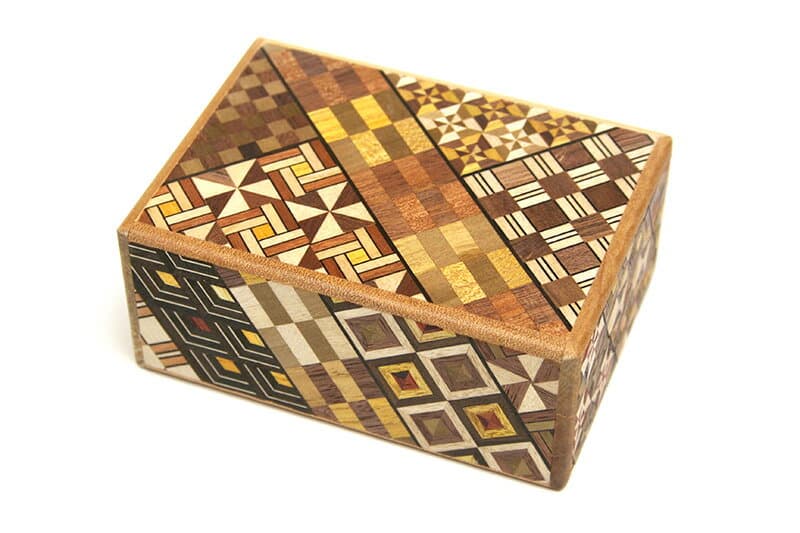
箱根寄木細工 秘密箱10回仕掛け japanese puzzle box 10steps
10-step mechanism箱根寄木細工専門店箱根丸山物産
4.8 / 28 reviews
First time buying on Rakuten? How residents in Japan order →
All 4 listings of this product on Rakuten, lowest price first.
| Listing | Price | Shop | Reviews | Open listing |
|---|---|---|---|---|
Hakone Yosegi Zaiku Photo Frame small yosegi patternLowest price | ¥5,950 | 箱根寄木細工専門店箱根丸山物産 | 4.8 / 20 reviews | View on Rakuten → |
Hakone Yosegi Zaiku 10-Step Secret Box 10-step mechanismMost reviewed | ¥8,800 | 箱根寄木細工専門店箱根丸山物産 | 4.8 / 28 reviews | View on Rakuten → |
Hakone Yosegi Zaiku Tissue Box 275 x 76 x 136 mmGift-ready | ¥11,000 | マースプランニング online shop | 5.0 / 1 reviews | View on Rakuten → |
Hakone Yosegi Zaiku Secret Box 21 moves + 1 hidden compartment, Ko-yosegi | ¥15,600 | 箱根寄木細工専門店箱根丸山物産 | 4.9 / 11 reviews | View on Rakuten → |
Japanese · new tab
In the Hakone and Odawara area of Kanagawa, Hakone Yosegi Zaiku begins with wood before it becomes pattern. Different species bring whites, grays, browns, yellows, reds, greens, and darker tones; makers cut the wood into precise parts, glue those parts into seed boards, and carry the resulting geometry onto boxes, trays, tea canisters, cups, and confectionery bowls. Many people first meet the craft through puzzle boxes; the same technique also lives in zuku sheets about 0.15 to 0.2 millimeters thick and in muku objects shaped from the patterned block itself.
Hatajuku, once a post-station settlement in the Hakone mountains, is the place most closely tied to the beginning of yosegi work. In the late Edo period, Ishikawa Nihei is said to have noticed the variety of woods in the Hakone mountain system and joined pieces with different colors and grain into trays and boxes. That origin account gives the craft a concrete setting: mountain woods, a travel route, and household objects made from joined timber.
Production today is centered mainly in Hakone Town and Odawara City, with one workshop also noted in Minamiashigara. The workshop scale remains small: many are described as one to three craftspeople, and larger ones around five. In that setting, the angle of a cut, the pressure of a glue-up, and the thickness of a shaving remain close to the hands of individual makers.
The visible colors in Hakone Yosegi Zaiku come from wood, not from dye or paint. Species such as mizuki, aohada, honoki, kuwa, walnut, urushi, enju, and others provide white, gray, brown, yellow, green, reddish, and dark ranges, while the grain gives each piece direction and depth. The pattern is assembled from the material itself.
This material rule also explains the calm intensity of the finished surface. Patterns can be dense and mathematical, yet the skin of the object still reads as wood. Earlier work used timber from the Hakone mountains; under national park conditions, that local timber is now largely no longer cut for the craft, so makers mostly purchase wood from other parts of Japan and sometimes from overseas while keeping natural color and grain at the center of the design.
The seed board, or tane-ita, is the base from which the pattern grows. Makers cut base woods into shaped components, glue matching components into small patterned blocks, and then join those blocks into a larger patterned board. Named designs such as rokkaku asanoha, sayagata, seigaiha, shippo yabane, and uroko show how the surface becomes a readable geometry rather than a random mixture of woods.
Accuracy matters from the first piece. If the angle or dimension of one small part is off, the later pattern drifts. Cutting, adhesive work, tool making, molds, and clamping all belong to the same chain of skill; here, technique means whether the edges meet cleanly and whether the pattern can continue across the board without gaps.
A completed seed board can follow two main paths. In zuku-bari, the board is shaved with a special plane into sheets about 0.15 to 0.2 millimeters thick, then applied to surfaces such as small boxes. This makes the geometric wood surface thin enough to wrap an object while still showing the assembled pattern.
Muku-zukuri works the patterned block itself. The block may be cut or turned on a lathe into trays, tea canisters, cups, bowls, and confectionery vessels, so the pattern belongs to the body of the object rather than only to a surface layer. Together, zuku and muku explain why the craft can move between flat decoration and shaped wooden form.
The precision of Hakone Yosegi Zaiku depends on saws, chisels, planes, molds, clamps, and the tools made for particular cuts and shavings. Cutting angles, dimensions, adhesive skill, and tool making sit in one technical chain because a small error can open a gap or break the rhythm of the geometry.
Learning also has a human scale. Around thirty to forty craftspeople are estimated to be involved overall, with about thirteen cooperative workshops and roughly twenty-five to thirty members in that cooperative context; these numbers are time-bound, but they show a craft community carried by a limited number of hands around Hakone and Odawara. In 1984, Hakone Yosegi Zaiku became a nationally designated traditional craft, a status that points back to its production area, techniques, and maker community.
Puzzle boxes are a familiar face of Hakone Yosegi Zaiku, but they are one object among many. Small boxes, document boxes, stationery holders, trays, tea canisters, cups, confectionery bowls, coasters, chopsticks, and chopstick rests can all carry yosegi pattern. On a desk or table, the geometry becomes something handled, opened, placed, and used.
Honma Yosegi Museum displays part of a collection of about two hundred yosegi and wood-inlay pieces and explains production steps with photographs. Its traditional-pattern coaster classes give school students and general visitors a way to handle the pattern directly, and the adjacent open workshop keeps the making process close to the displayed objects.
Hakone Yosegi Zaiku is strongest when seen through its materials: natural wood color, visible grain, exact cutting, and the patient assembly of small parts into a larger order. From the late Edo-period memory of Hatajuku to small workshops in Hakone Town and Odawara City, from 0.15 to 0.2 millimeter zuku sheets to muku trays, tea canisters, and cups, the craft keeps mountain wood variety present in objects made to be held, opened, served from, and studied.
Compiled from public records and official sources; see the recognition links below. Details may change over time.
Where this product is officially registered, designated, or recognized in Japan.
Traditional craft
Designated a Traditional Craft (dentō kōgeihin) by Japan's Ministry of Economy, Trade and Industry.
Sources1
It is written as 箱根寄木細工 in Japanese. Search Rakuten and other Japanese sites with that spelling — the English name will not bring up the listings.
Hakone Yosegi Zaiku is a woodcraft from the Hakone, Hatajuku, and Odawara area of Kanagawa that builds geometric patterns from the natural colors and grain of different woods. Makers assemble seed boards, shave them into zuku sheets about 0.15 to 0.2 millimeters thick, or work the solid patterned block into muku objects such as trays, tea canisters, cups, and bowls.
Hatajuku is described as the late Edo-period birthplace of yosegi work, and Ishikawa Nihei is said to have made trays and boxes by joining woods of different color and grain. One workshop is also noted in Minamiashigara, in addition to production in Hakone Town and Odawara City. The craft relies on natural wood color and grain, rather than dye or paint, to create its patterns. A seed board is built by gluing shaped wood parts into small patterned blocks, which are then joined into a larger patterned board.
Finished yosegi pieces are commonly given as gifts, souvenirs, or commemorative items, in addition to being kept for personal use. Visitors in the Hakone area can take classes to make their own traditional-pattern yosegi coasters. Honma Yosegi Museum explains the production steps with photographs and has an adjacent open workshop that shows the technique.
Keep craft pieces out of direct sunlight, damp, and sharp temperature swings, and store them where they won't knock against anything. Wood, bamboo, lacquer, and paper don't tolerate water — wipe any moisture off immediately. Specific care notes are on the listing.
Most options are shelf-stable, boxed, and travel well, so they suit gifting or bringing home. Confirm the final storage and delivery terms on the Rakuten listing.
On Rakuten: the shops listed here right now are マースプランニング online shop, 箱根寄木細工専門店箱根丸山物産. We don't sell directly; purchase, payment, stock, and delivery are all handled on the Rakuten product page.