 3 images
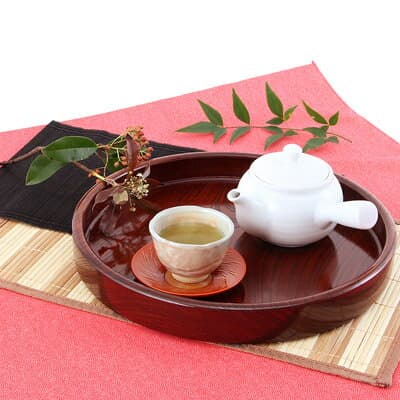
Odawara Lacquerware Tea Tray
送料無料 伝統の小田原漆器 『1尺1寸茶盆』
1 shaku 1 sun (320 mm x 43 mm)産直お取り寄せNセレクト
Japanese name小田原漆器
In Odawara, Kanagawa, lacquerware begins with turned wood from the Hakone mountain area, then carries natural lacquer into bowls, trays, tea saucers, and rice vessels.
Information last updated yesterday
3 images送料無料 伝統の小田原漆器 『1尺1寸茶盆』
1 shaku 1 sun (320 mm x 43 mm)産直お取り寄せNセレクト
 2 images
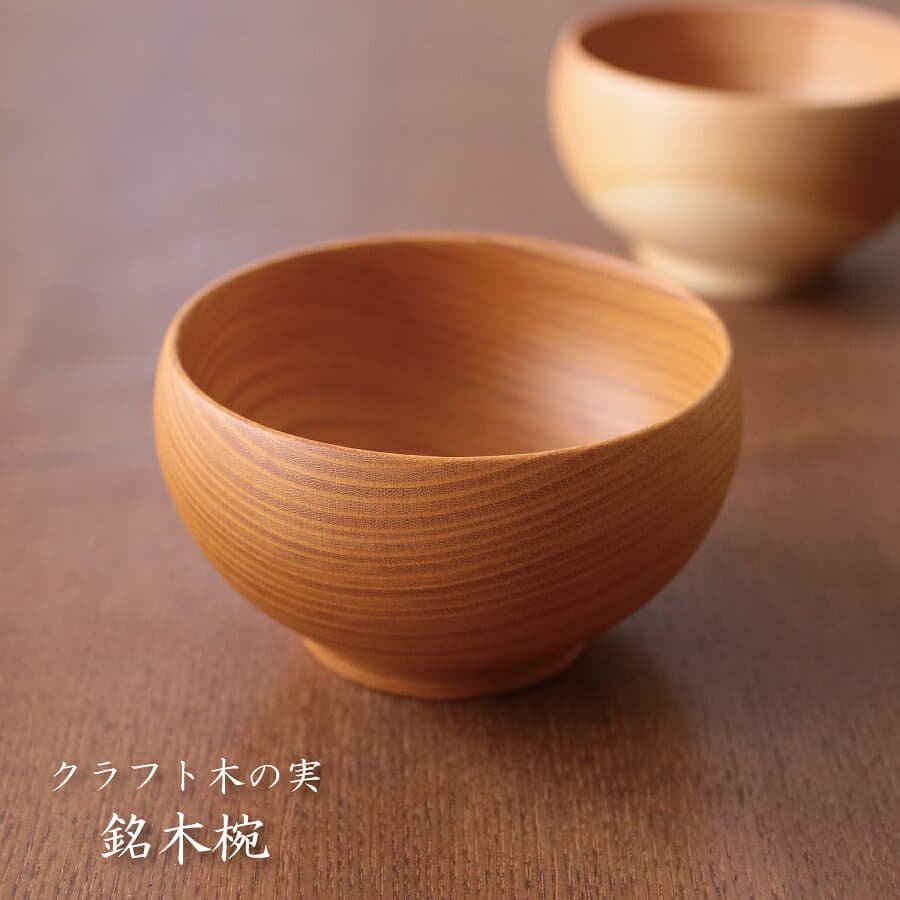
クラフト木の実 銘木椀 欅 小 ケヤキ 小田原漆器 シンプル お椀 汁碗 飯碗 デザート サラダ 丈夫 誕生日プレゼント 退職祝 還暦 長寿 お祝い お餞別 父の日 敬老の日ギフト 内祝 【伝統工芸・陶器の和遊感】
small和遊感 楽天市場店
5.0 / 1 reviews
 3 images
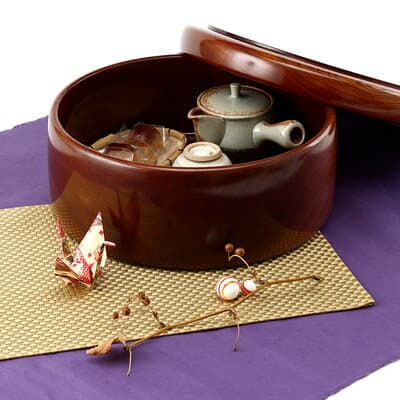
伝統の小田原漆器 1尺1寸茶びつ|大川木工所・神奈川県
1 shaku 1 sun (350 x 140 mm)産直お取り寄せNセレクト
5.0 / 1 reviews
First time buying on Rakuten? How residents in Japan order →
Odawara lacquerware starts with wood before it becomes shine. Timber associated with the Hakone mountains is turned into vessels, then coated with natural lacquer; trays, bowls, plates, tea saucers, and rice containers bring that grain into eating and tea settings. The craft also belongs to Odawara’s history as a castle town and post town on the Tokaido route near the Hakone barrier, where invited lacquer artisans added colored lacquer techniques to the local vessel work.
Odawara lacquerware is tied to Odawara City in Kanagawa Prefecture and to timber from the Hakone mountain area. Around the middle Muromachi period, wood from the Hakone mountains was turned into vessels and coated with lacquer, giving the craft a foundation in wood base, form, grain, and lacquer surface.
The forests behind Odawara and the Hakone hills give these objects a precise sense of place. Wood becomes trays, bowls, plates, tea saucers, rice containers, and other everyday forms before lacquer deepens the surface. Here, regional character means a direct connection among Odawara, mountain timber, lathe-shaped vessels, and table use.
Odawara’s castle-town and post-town setting also shaped the craft. Hojo Ujiyasu invited lacquer artisans into the town to develop Odawara lacquerware, and colored lacquer techniques became part of the repertoire; in the Edo period, lacquer was used on trays and bowls as well as arms.
The continuity is visible in concrete work: turned vessels, the addition of colored lacquer, and practical lacquerware made for daily objects. Odawara lacquerware was named a traditional craft in May 1984, while the reader-facing substance remains the vessel in hand, whether a bowl, tray, or lacquered object shaped by local artisans.
Zelkova appears often in Odawara lacquerware because its grain is prominent, and the material is valued for sturdiness and lower tendency to warp. The accepted wood base also includes sen, mulberry, horse chestnut, or comparable timber, while the lacquer itself is natural lacquer.
Suri-urushi and kijiro-nuri keep the wood grain in view. The clear, glossy lacquer brings forward the turned curves, zelkova pattern, and edges of the vessel. Iro-urushi adds another surface language through vermilion or black lacquer, so Odawara vessels can move between visible grain and colored shine.
The process begins with the wood base. Material is selected, cut, rough-turned, smoke-dried, naturally dried, and then finish-turned on a lathe with lathe planes; polishing may include tokusa, the plant used to refine the surface.
Those steps determine how the later lacquer will sit on the form. The lip of a bowl, the flat sweep of a tray, and the hollow of a tea saucer depend on accurate turning before any transparent coat can highlight the grain. When lacquer is applied, the light follows the lines already made by the tool.
In suri-urushi, refined raw lacquer is rubbed directly into the wood again and again, followed by rubbing, finishing, and polishing steps. The surface keeps the rhythm of handwork: lacquer enters the grain, excess is worked away, and the vessel is brought to a quiet sheen.
Kijiro-nuri begins by hardening the wood with raw lacquer, then uses lacquer mixed with polishing powder, water polishing, middle coats, top coats, and repeated polishing to reveal the grain through a transparent finish. Iro-urushi uses black middle coats and vermilion or black top coats, shifting the vessel from exposed grain toward the glow of colored lacquer.
Odawara lacquerware is easiest to understand through objects held in the hand: trays, bowls, plates, tea saucers, rice containers, confectionery vessels, and tea chests. These forms place turning and lacquer work into the gestures of rice, tea, sweets, and serving.
When zelkova grain shows through suri-urushi or kijiro-nuri, a bowl or tray carries both material and use. Its culture is concrete: Odawara woodwork, natural lacquer, tea saucers, and rice vessels repeatedly lifted, set down, and seen in changing light.
The present Odawara community still shows the division of wood-base and lacquer work. The Traditional Odawara Lacquerware Cooperative member list includes businesses in Odawara handling lacquerware, trays, tea saucers, bowls, lacquer coating, and lacquerware wood bases, with addresses in areas such as Sakaecho, Minami-Itabashi, Nakamachi, Kuno, Itabashi, and Nakasone.
A 2018 exhibition at Seikantei gathered works by five wood-base and lacquer artisans and displayed tools used by lacquer artisan Motohiro Ikeya, who had worked as a nushi for more than 70 years. Kanagawa Prefecture’s craft institute in Odawara also supports wood-product craft businesses and treats Odawara lacquerware, Hakone marquetry, and Kamakura carving as regional craft resources.
The character of Odawara lacquerware stays close to wood. Hakone-area timber, zelkova grain, lathe planes, repeated applications of natural lacquer, and the daily forms of bowls, trays, tea saucers, and rice vessels keep the craft close to the hand. From wood base to lacquered surface, Odawara’s shine follows the grain.
Compiled from public records and official sources; see the recognition links below. Details may change over time.
Where this product is officially registered, designated, or recognized in Japan.
Traditional craft
Designated a Traditional Craft (dentō kōgeihin) by Japan's Ministry of Economy, Trade and Industry.
Sources1
It is written as 小田原漆器 in Japanese. Search Rakuten and other Japanese sites with that spelling — the English name will not bring up the listings.
Odawara lacquerware is a lacquerware family from Odawara City, Kanagawa, tied to timber from the Hakone mountain area, lathe-turned wood bases, natural lacquer, and visible grain. Typical forms include trays, bowls, plates, tea saucers, rice containers, confectionery vessels, and tea chests. Key finishes include suri-urushi, kijiro-nuri, and iro-urushi, with present continuity through workshops, a cooperative, and Kanagawa's craft institute.
Odawara lacquerware is centered in Odawara City, Kanagawa Prefecture, and is connected to timber from the Hakone mountain area. Common Odawara lacquerware forms include trays, bowls, plates, tea saucers, rice containers, confectionery vessels, and tea chests. The craft uses natural lacquer and wood bases made from zelkova, sen, mulberry, horse chestnut, or comparable timber. Suri-urushi repeatedly rubs refined raw lacquer into the wood base, leaving the grain visible under the finish.
Odawara lacquerware is used as everyday tableware for rice, tea, sweets, and other dishes.
Porous earthenware is usually given a "medome" treatment first — simmer it gently in rice-rinsing water (or water with a little flour), then cool, rinse, and air-dry. This reduces staining and odour absorption. Porcelain normally just needs a wash. Follow the listing where it says otherwise.
Handmade earthenware, pieces with gold or silver overglaze, and lacquerware generally should not go in a dishwasher, microwave, or heated drying cabinet; heat-resistant porcelain usually can. Check the Rakuten listing for the specific piece.
Most options are shelf-stable, boxed, and travel well, so they suit gifting or bringing home. Confirm the final storage and delivery terms on the Rakuten listing.
On Rakuten: the shops listed here right now are 産直お取り寄せNセレクト, 和遊感 楽天市場店. We don't sell directly; purchase, payment, stock, and delivery are all handled on the Rakuten product page.