 3 images
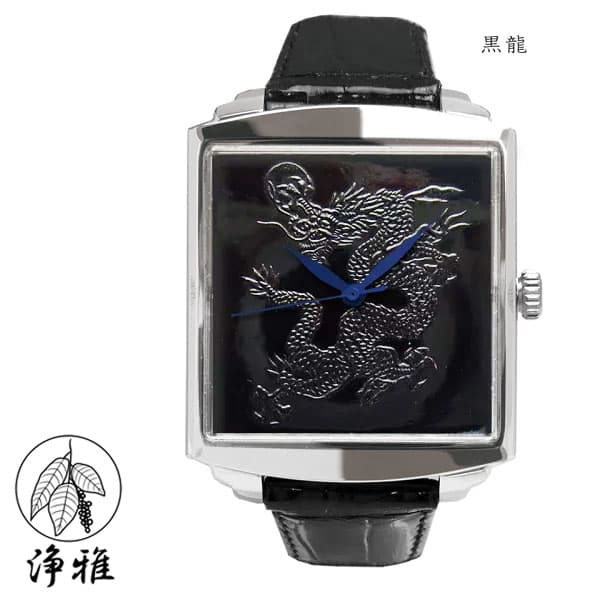
JOGA MAKIE Joga “Black Dragon” Joboji Lacquer Makie Automatic Men’s Watch
【23日20時からポイント5倍】 腕時計 高級時計 蒔絵 浄法寺漆 蒔絵時計 漆塗り 和風 和風小物 大川 彰 作 浄雅 JOGA MAKIE 漆文字盤 「黒龍」 自動巻 メカニカル オートマチック メンズ腕時計 G01-008
Black Dragon腕時計とバンドのアビーロード
Japanese name浄法寺漆
Around Joboji in Ninohe City, Urushi trees are mowed for years and cut in summer. The sap becomes raw lacquer for makers, lacquer painters, and repair work.
Information last updated 121 days ago
3 images【23日20時からポイント5倍】 腕時計 高級時計 蒔絵 浄法寺漆 蒔絵時計 漆塗り 和風 和風小物 大川 彰 作 浄雅 JOGA MAKIE 漆文字盤 「黒龍」 自動巻 メカニカル オートマチック メンズ腕時計 G01-008
Black Dragon腕時計とバンドのアビーロード
 3 images
国産浄法寺漆 和桜 スリーブ箱入り 13.5cm~23cm お箸の専門店 【箸蔵まつかん】 箸 13.5cm 15cm 16.5cm 18cm 21.5cm 23cm 子供用 大人用 子供 こども お揃い マツ勘 お揃い 日本製 KIDS お食い初め 祝い箸 お祝い 初めてのお箸
13.5-23cm, sleeve boxお箸の専門店【箸蔵まつかん】
4.5 / 2 reviews
 3 images
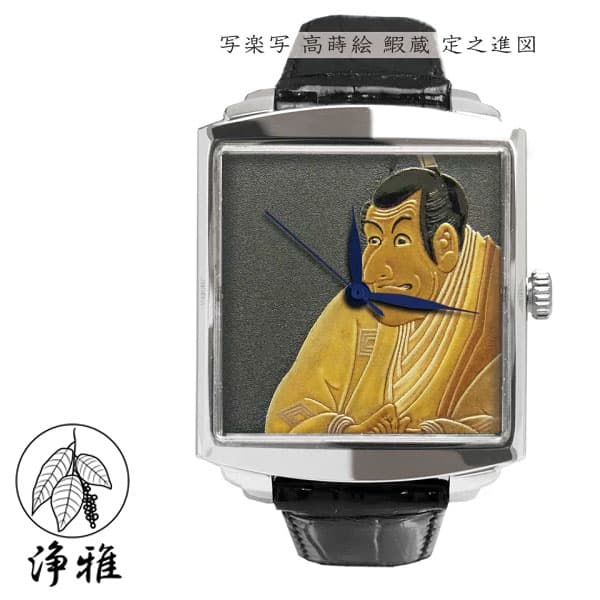
【23日20時からポイント5倍】 腕時計 高級時計 蒔絵 浄法寺漆 蒔絵時計 漆塗り 和風 和風小物 大川 彰 作 写楽 浄雅 JOGA MAKIE 漆文字盤 「写楽写 高蒔絵 鰕蔵 定之進図」 自動巻 メカニカル オートマチック メンズ腕時計 G01-046
G01-046腕時計とバンドのアビーロード
First time buying on Rakuten? How residents in Japan order →
Joboji Urushi begins with Urushi trees and their sap around Joboji, in Ninohe City, Iwate. The name refers to rough lacquer and raw lacquer. The growing area runs across Iwate and into parts of Aomori and Akita. Finished Joboji-nuri bowls and chopsticks belong downstream, as vessel work after the sap has left the forest. What is gathered here is the tree sap that artists, lacquer painters, and repair workers will use.
The Joboji area of Ninohe sits in northern Iwate, a major domestic lacquer region. Lacquer work here reaches back to the Edo period, when the Morioka Domain encouraged production. In 2017, Ninohe had about 135,000 Urushi trees, and one 4-hectare Joboji lacquer forest held about 4,000 trees. Those counts locate the material among managed trees, the named places of Ninohe and Joboji, and the people who tap them.
After Urushi trees are planted, mowing matters. Full mowing is recommended for the first four to five years, timed around May to early June as the trees grow taller and around July to September as their trunks thicken. Trees usually become ready for sap only after fifteen to twenty years, so the first stretch of time for this material is forest care, before a tapping tool ever touches bark.
The tapping season runs from mid-June to October. Artisans use a kanna to make line-shaped hen cuts in the trunk, gather the milky sap with a hera, and prepare bark with a kama. One artisan may tap more than 200 trees in a year, while each tree yields only about 180 to 200 grams, or around 200 cc. From late July to late August, volume and qualities such as color and viscosity reach their strongest point.
Once cured, Joboji Urushi is known for high strength and stable quality, along with differences in transparency, curing time, and viscosity that makers can use. Lacquer artists, nurishi, and restoration workers use it, and it has entered repairs of national treasures and important cultural properties. In that repair setting, a cultural property is wood, lacquer layers, and hands-on work that need a raw lacquer able to harden and endure.
Around Joboji, more than 40 lacquer-tapping artisans work within a local production community that continues skill succession, forest conservation, planting, and quality management. Annual output is about 1,700 kg, with 8,000 to 10,000 trees needed each year. The raw lacquer also appears in Joboji-nuri workshop life, where barrels marked by tapper and year can lead toward bowls, chopsticks, repair, and daily use.
Joboji Urushi holds together Ninohe mowing work, summer hen cuts, the 180 to 200 grams that one tree may give, and the repair work that depends on cured strength. Fifteen to twenty years of tree growth, hand tools such as the kanna and hera, and thousands of Urushi trees tended each year set the scale of this raw lacquer.
Compiled from public records and official sources; see the recognition links below. Details may change over time.
Where this product is officially registered, designated, or recognized in Japan.
Geographical Indication (GI)
Registered under Japan's Geographical Indication Protection System, run by the Ministry of Agriculture, Forestry and Fisheries.
Sources1
It is written as 浄法寺漆 in Japanese. Search Rakuten and other Japanese sites with that spelling — the English name will not bring up the listings.
Joboji lacquer is rough and raw lacquer centered on Joboji in Ninohe City, Iwate, with a wider growing area across Iwate and parts of Aomori and Akita. Urushi trees need years of mowing and generally become tappable after 15 to 20 years. From mid-June to October, artisans cut grooves with a kanna and collect sap with a hera. Each tree yields about 180 to 200 grams, or around 200 cc, and the cured lacquer has high strength and stable quality.
Joboji Urushi refers to rough and raw lacquer, distinct from finished Joboji-nuri lacquerware. After planting, Urushi trees need full mowing for the first 4 to 5 years, with work concentrated around May to early June and July to September. Besides the kanna and hera, artisans also use tools such as the kama during tapping. Joboji Urushi shows variation in transparency, curing time, and viscosity.
Because of its high strength and stable quality after curing, Joboji lacquer is used for repairs of national treasures and important cultural properties. Lacquer artists and lacquer painters value Joboji lacquer for its variation in transparency, curing time, and viscosity. Joboji lacquer is used as a raw material for Joboji-nuri and other lacquerware.
Porous earthenware is usually given a "medome" treatment first — simmer it gently in rice-rinsing water (or water with a little flour), then cool, rinse, and air-dry. This reduces staining and odour absorption. Porcelain normally just needs a wash. Follow the listing where it says otherwise.
Handmade earthenware, pieces with gold or silver overglaze, and lacquerware generally should not go in a dishwasher, microwave, or heated drying cabinet; heat-resistant porcelain usually can. Check the Rakuten listing for the specific piece.
Most options are shelf-stable, boxed, and travel well, so they suit gifting or bringing home. Confirm the final storage and delivery terms on the Rakuten listing.
On Rakuten: the shops listed here right now are 腕時計とバンドのアビーロード, お箸の専門店【箸蔵まつかん】. We don't sell directly; purchase, payment, stock, and delivery are all handled on the Rakuten product page.