 2 images
Iwate Local Goods Guide
岩手県
Iwate is indexed here as a practical buying guide for travelers and foreign residents in Japan. Start with packable gifts, then compare table goods, quiet luxuries, and crafted objects when you need a stronger sense of place.
10Local selections
What Iwate is known for
The 8 products below are what Iwate is known for, ordered by how strongly each is rooted in the prefecture — what it is, and why it comes from here.
Joboji lacquerTableware
Around Joboji in Ninohe City, Urushi trees are mowed for years and cut in summer. The sap becomes raw lacquer for makers, lacquer painters, and repair work.
Iwate charcoalHome & living
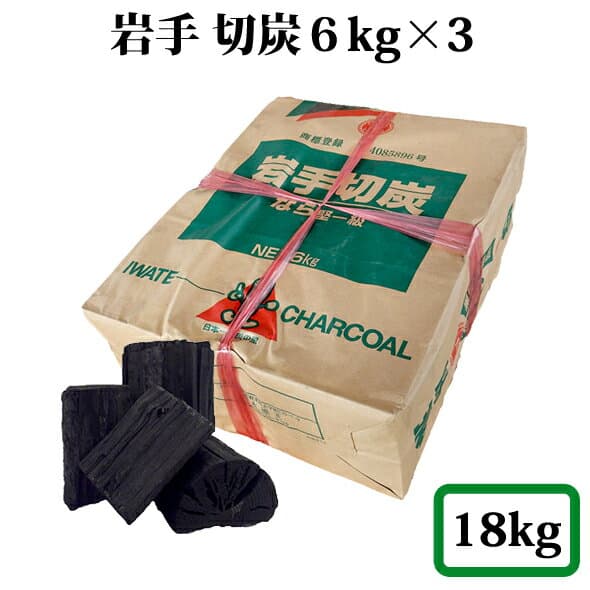
Iwate charcoal begins with prefecture-grown nara and kunugi, then passes through low Iwate kilns, smoke-color judgment, long cooling, and checks that shape a clean, lasting fire.
Hidehira lacquerwareTableware
Hidehira-nuri belongs to Hiraizumi in Iwate Prefecture. Wooden bases, lacquer layers, Genji cloud motifs, yusoku diamonds, and gold decoration carry Oshu Hiraizumi into formal meals, seasonal gatherings, and daily dishes.
Joboji lacquerwareTableware
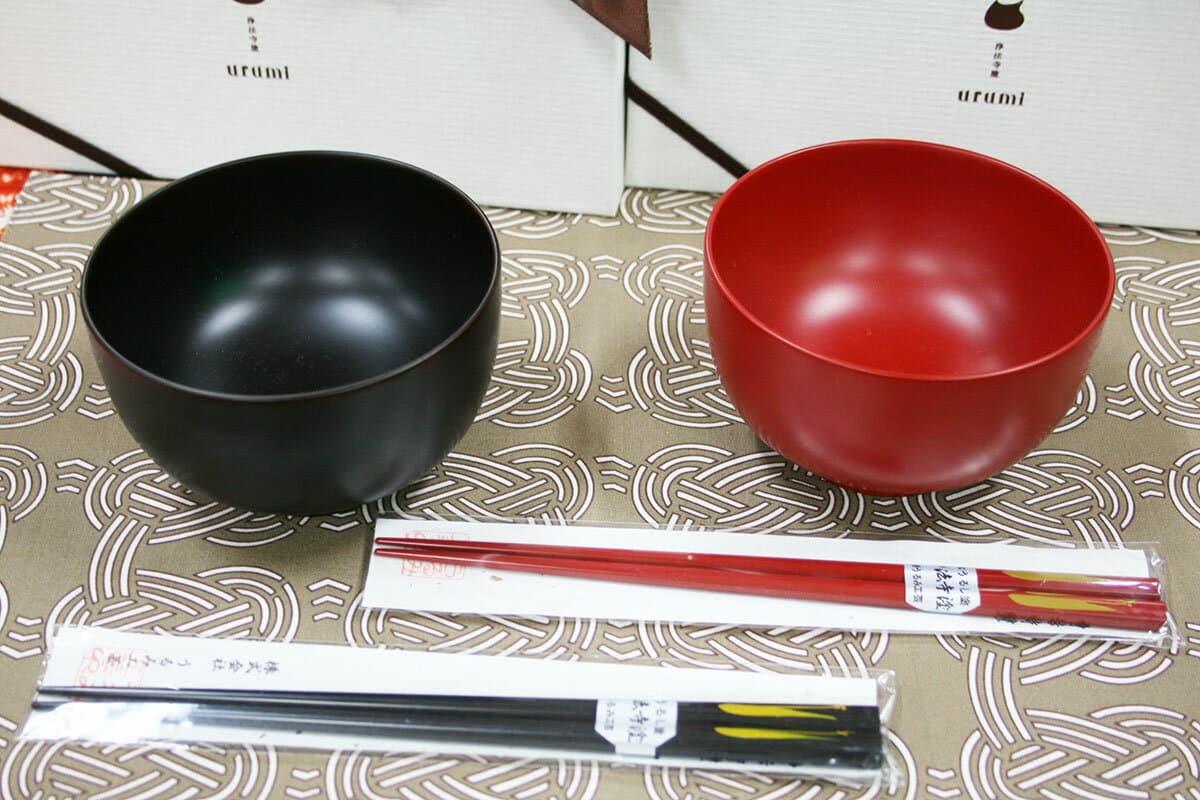
In Joboji-machi, Ninohe, temple meal vessels, Oyamago-ki, a June-to-October tapping season, and the Tekiseisha workshop place a quiet lacquer bowl between hillside, tree, hand, and table.
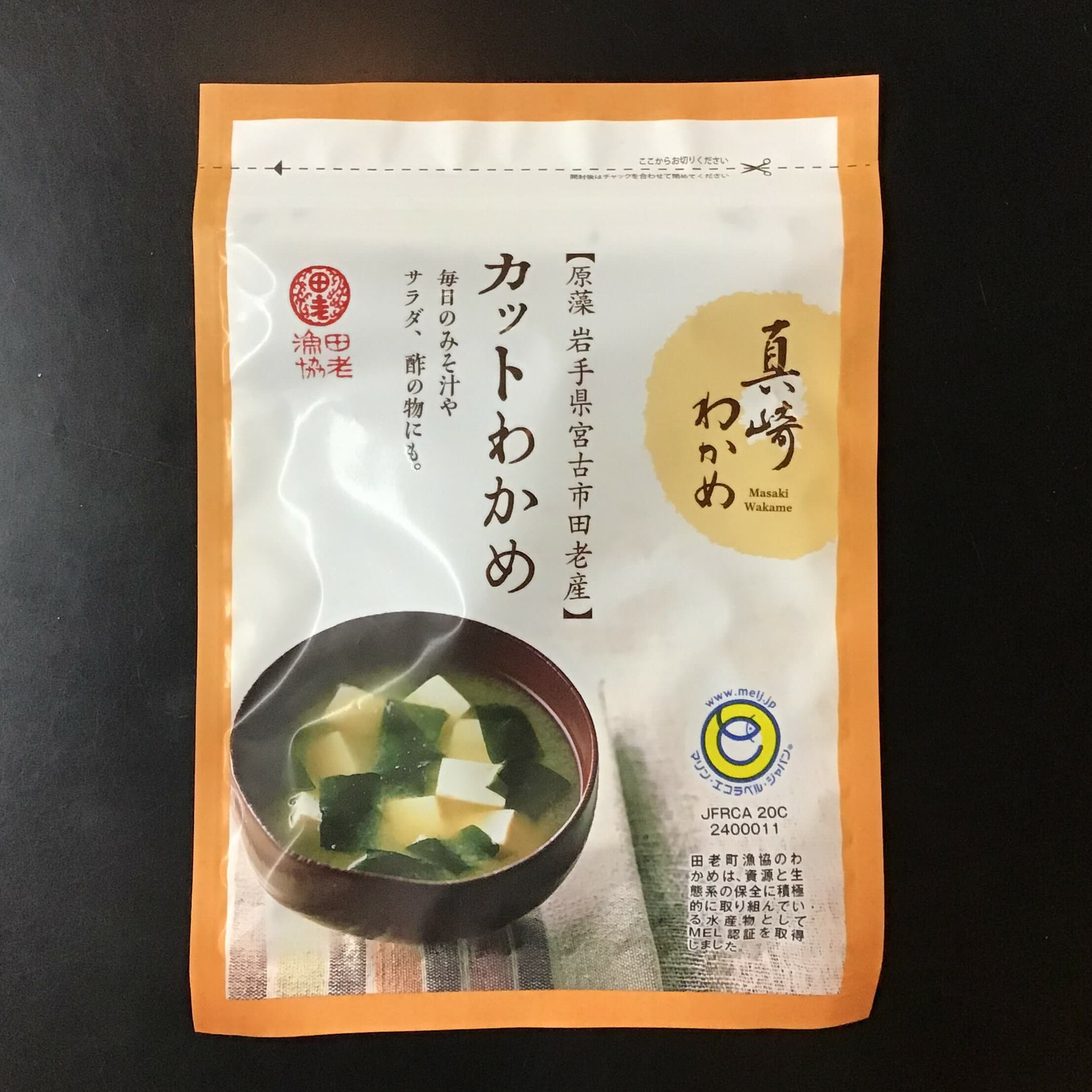
Masaki wakameRegional foods
Off Taro in Miyako, Iwate, cold Oyashio waves, March-April night harvests, and a cooperative salting line shape Masaki wakame's dark-green fronds and firm bite.
Nambu ironwareTableware
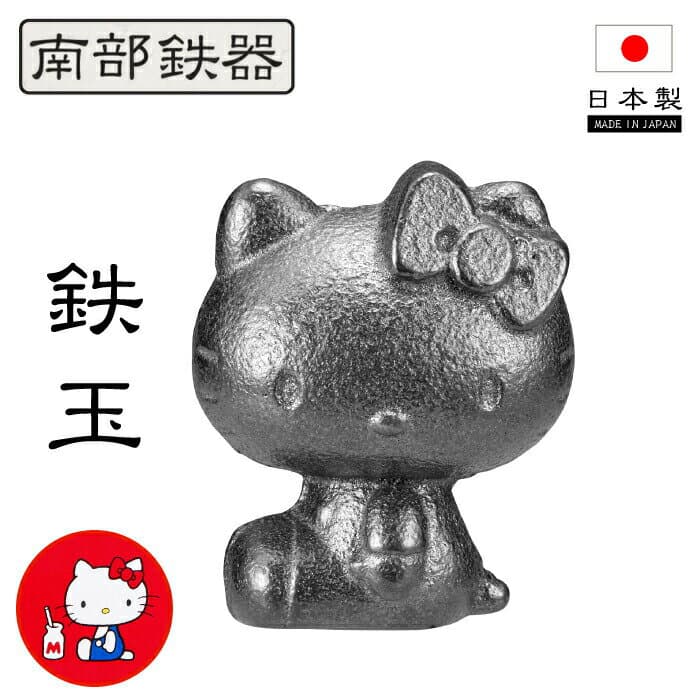
From Morioka tea kettles to Oshu casting workshops, Nanbu Tekki connects pig iron, lacquer finishing, teapots, pans, wind bells, and interior objects with Iwate’s rooms and hearths.
Maesawa beefRegional foods
In Oshu’s Maesawa area, the Kitakami River, mountain snowmelt, rice straw, and small-herd cattle care shape Japanese Black beef before it reaches sukiyaki, shabu-shabu, steak, or seared nigiri.
Iwate beefRegional foods
Iwate Beef is built around Japanese Black cattle raised within Iwate’s feeding boundary, where grade rules, local names, fine marbling, and fat sweetness meet across towns from Hachimantai and Shizukuishi to Maesawa and Esashi.
Regional Gifts
Packable foods and gifts with clear regional character.

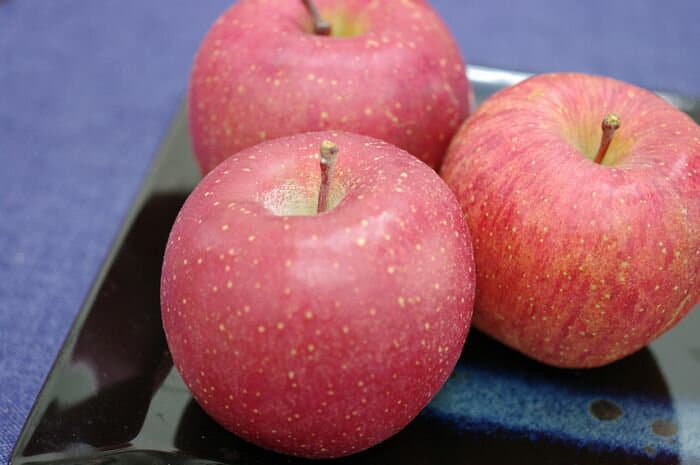
Table & Tea
Tea, drinks, foods, and table pieces shaped by local taste.
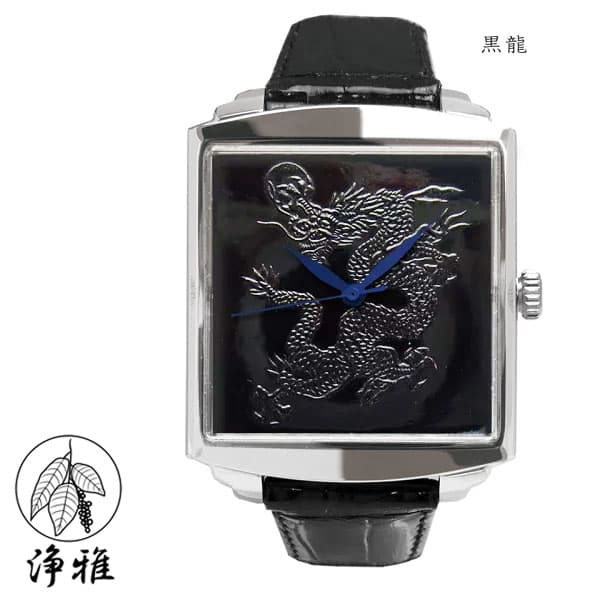
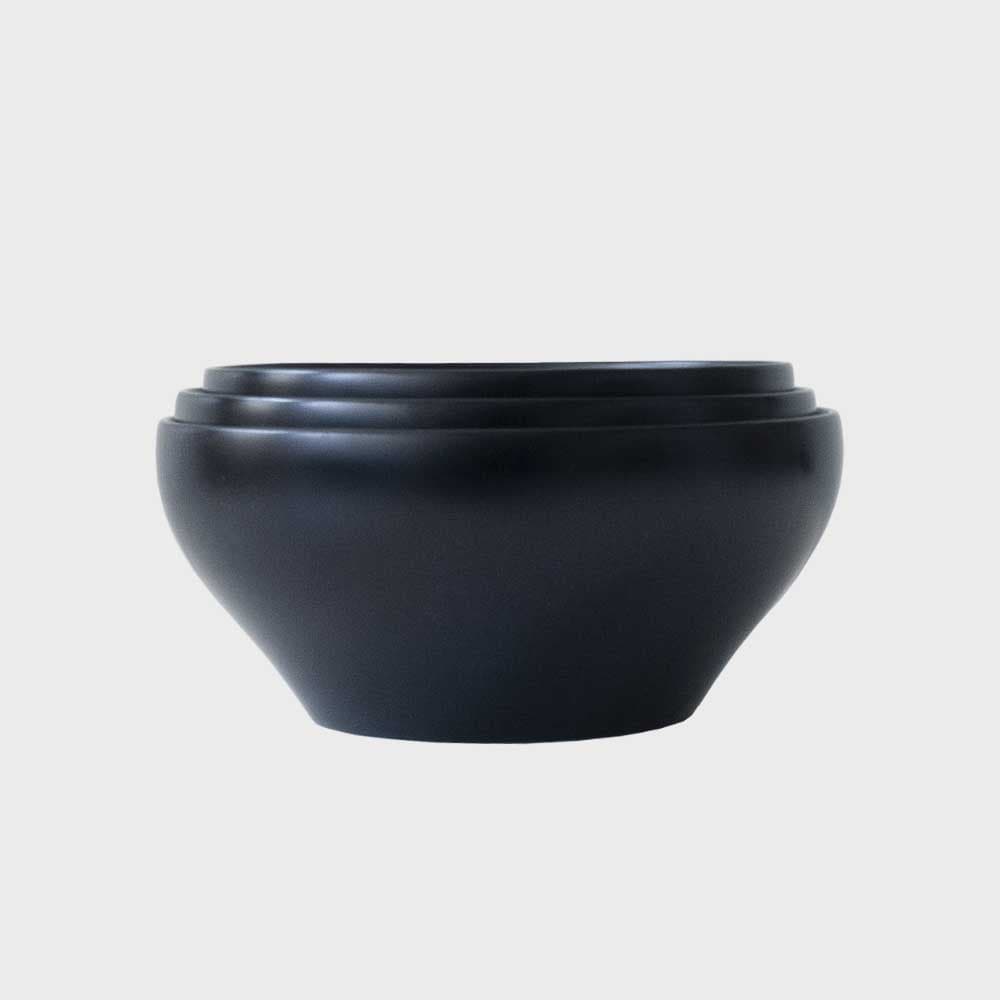
Daily Rituals
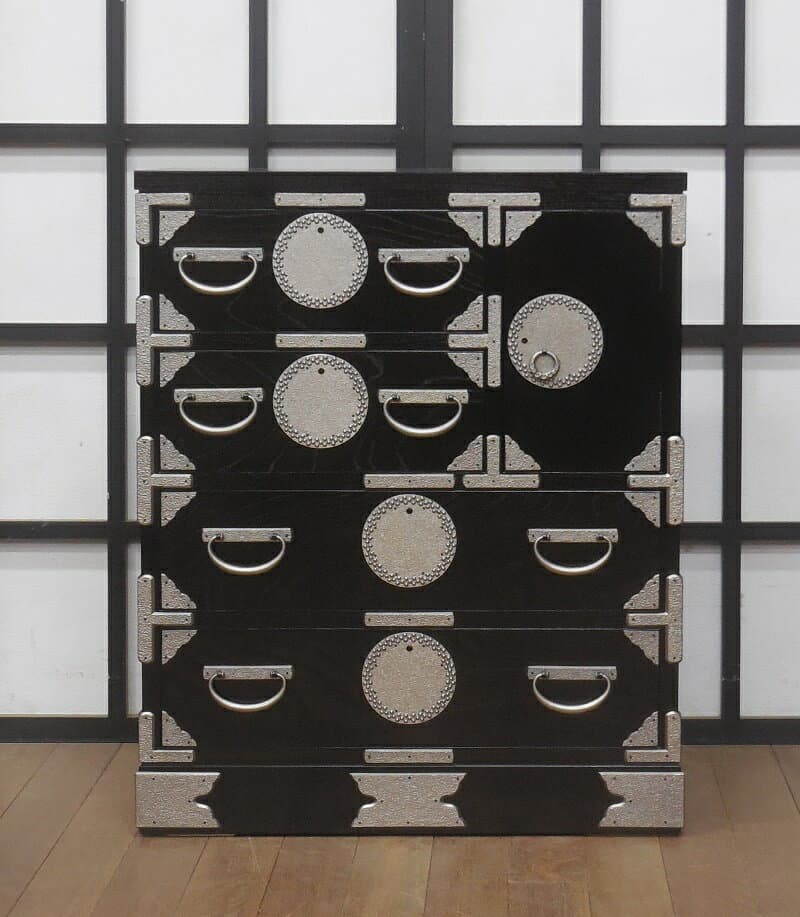
Home goods and textiles that turn everyday use into a local ritual.
Iwate's specialties by category
How the same thing is made elsewhere, and what differs: the category overviews start here.
Kind before region: fresh fish is about handling, crab and oysters about season, nori and dried goods about processing.
Breed first, brand second: Japanese Black is marbled, akaushi is lean, a brand name is a set of conditions, not a breed.
Everyday Japanese tools, each tied to a named craft region and still made for use.
FAQ
What is Iwate known for?
Iwate (Tohoku) is represented here by specialties such as Joboji lacquer, Iwate charcoal, Hidehira lacquerware — each verified against official registries and matched to Rakuten listings.
Are Iwate souvenirs good to bring home?
Many Iwate picks — Joboji lacquer, Iwate charcoal, Hidehira lacquerware among them — are shelf-stable foods and crafts that travel well; for temperature- or fragility-sensitive items, confirm delivery and packaging on the Rakuten listing.
Are these products sold directly by this site?
No. This site curates Rakuten listings and may earn affiliate revenue from links to Rakuten.
How are products selected?
Listings are filtered for local relevance, product images, availability, and review strength.