 3 images
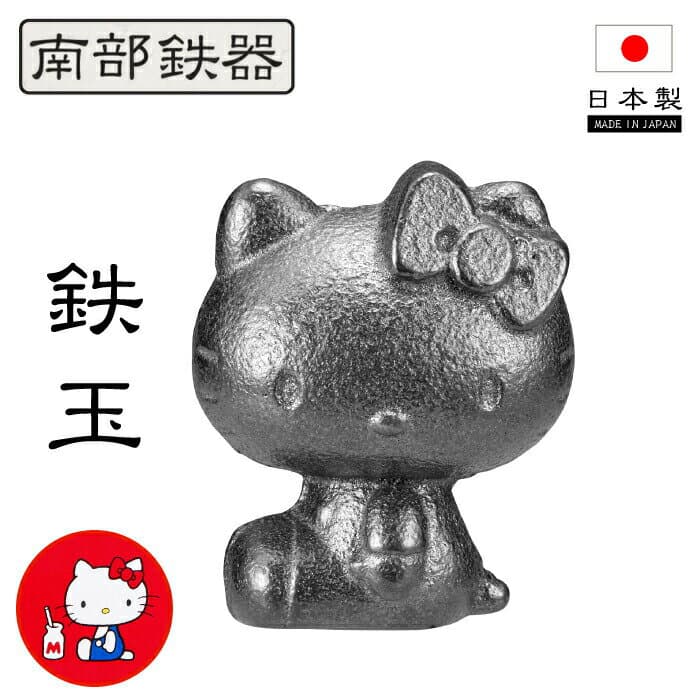
Nambu Tekki Hello Kitty Iron Ball
【新しくなりました】【●日本製】南部鉄器 鉄玉 ハローキティ 南部鉄玉 岩手県 鉄分補給 補充 鋳鉄 鍋 やかん 炊く ごはん 味噌汁 煮物 漬け物 色づけ キッチン 調理器具 キティちゃん サンリオ Sanrio OSK【キャラ20】※パッケージデザインが画像より変更になります
Hello Kittyグットライフショップ
5.0 / 5 reviews
Japanese name南部鉄器
From Morioka tea kettles to Oshu casting workshops, Nanbu Tekki connects pig iron, lacquer finishing, teapots, pans, wind bells, and interior objects with Iwate’s rooms and hearths.
Information last updated 8 days ago
3 images【新しくなりました】【●日本製】南部鉄器 鉄玉 ハローキティ 南部鉄玉 岩手県 鉄分補給 補充 鋳鉄 鍋 やかん 炊く ごはん 味噌汁 煮物 漬け物 色づけ キッチン 調理器具 キティちゃん サンリオ Sanrio OSK【キャラ20】※パッケージデザインが画像より変更になります
Hello Kittyグットライフショップ
5.0 / 5 reviews
 3 images
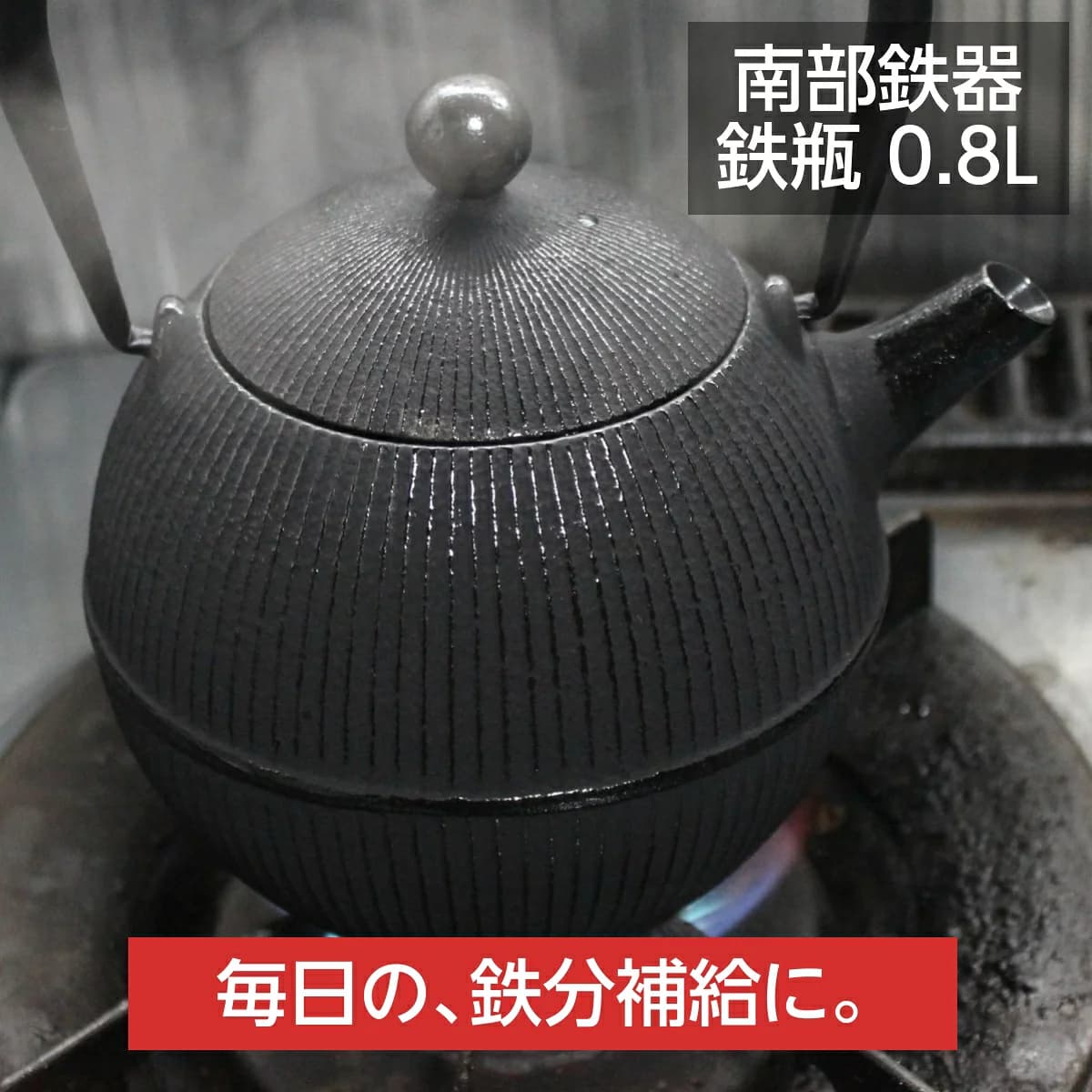
【楽天217週1位!】 南部鉄器 鉄瓶 南部鉄瓶 0.8L 直火 手まり 鉄分補給 鉄分不足 貧血予防 二価鉄 白湯 やかん ホーロー加工なし 南部宝星堂 及春鋳造所 岩手県 日本製 国産
Temari, 0.8L, direct flame only手しごと本舗
4.8 / 428 reviews
 3 images
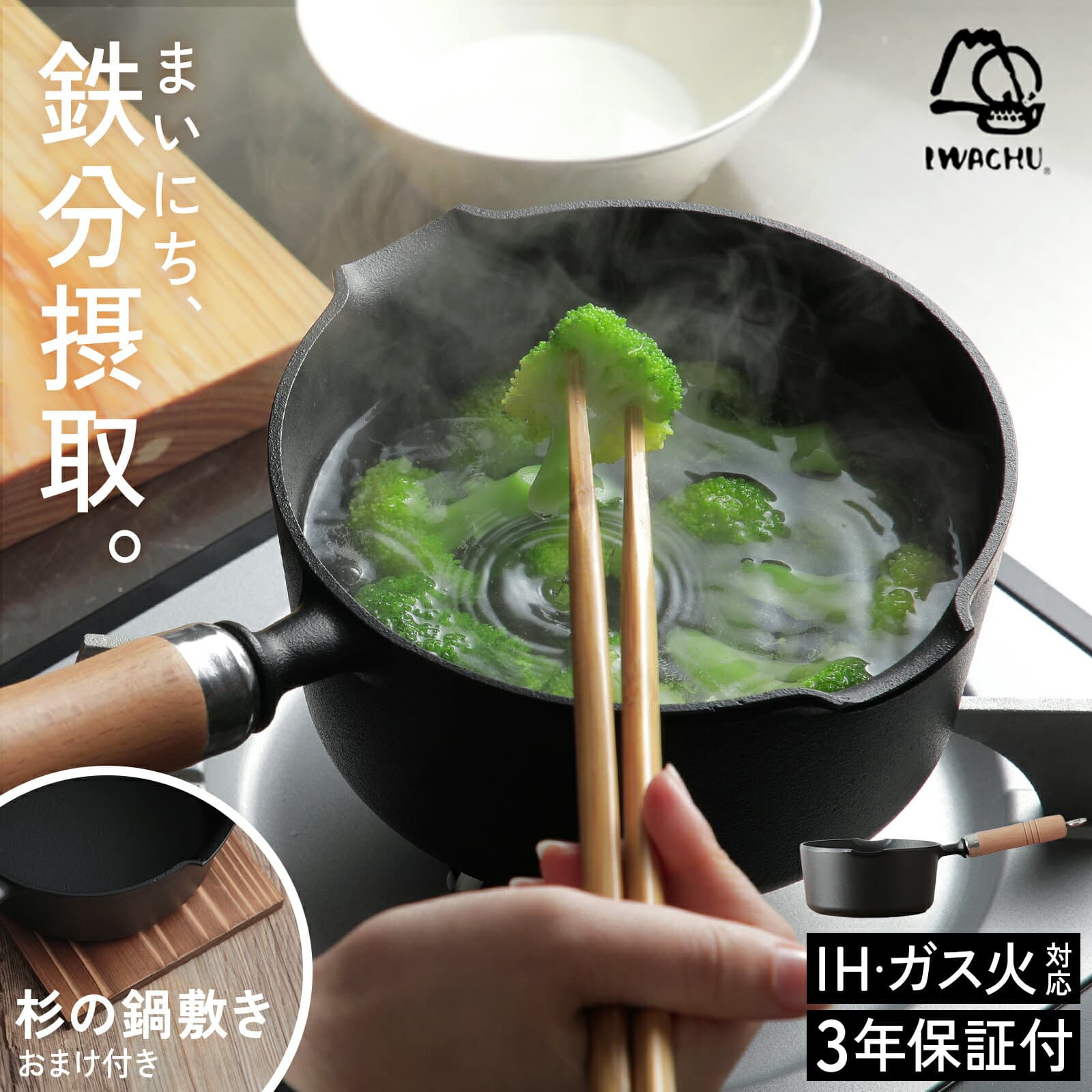
【特典付き】【3年保証】南部鉄器 まいにち鉄分摂取鍋 岩鋳 片手鍋 16cm 両口 木柄ハンドル 焼杉敷板セット 名入れサービス IH対応 ガス火対応 鉄 片手鍋 鉄瓶 日本製 白湯用 お湯用 鉄瓶 味噌汁鍋 みそ汁鍋 鉄鍋 天ぷら鍋 母の日
16cm, wooden handle, charred cedar trivet setフライパン専門店 鐵兎堂 TETTODO
4.7 / 128 reviews
 3 images
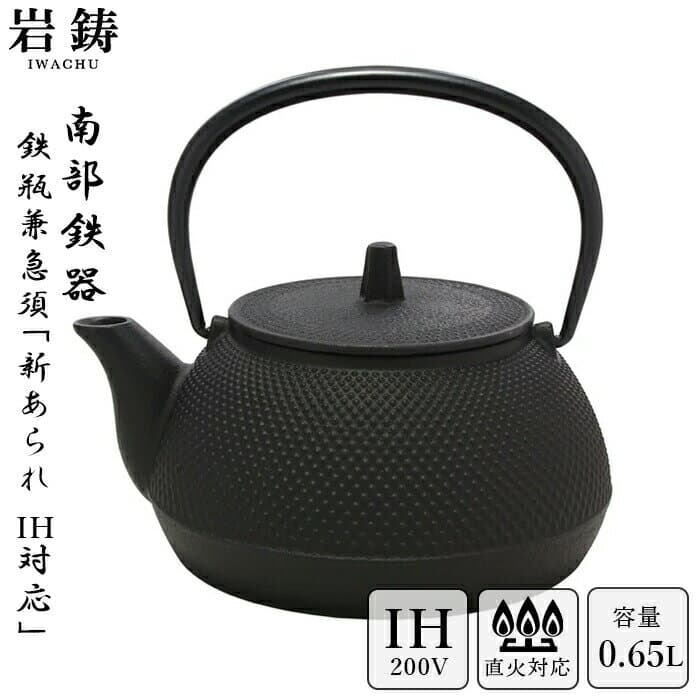
【 IH対応 】 南部鉄器 鉄瓶 岩鋳 5型アラレ 黒焼付 0.65L ホーロー無し 直火可 Iwachu 南部鉄瓶 急須 日本製 ギフト 内祝 お返し お祝い プレゼント 誕生日 おすすめ ギフト 手土産 お礼 お中元 ギフト 残暑見舞い お祝い
Type 5, black baked finish, 0.65L嶋ノ屋
4.8 / 203 reviews
First time buying on Rakuten? How residents in Japan order →
All 4 listings of this product on Rakuten, lowest price first.
| Listing | Price | Shop | Reviews | Open listing |
|---|---|---|---|---|
Nambu Tekki Hello Kitty Iron Ball Hello KittyLowest price | ¥2,816 | グットライフショップ | 5.0 / 5 reviews | View on Rakuten → |
Iwachu Nambu Ironware Daily Iron Intake Saucepan 16cm, wooden handle, charred cedar trivet set | ¥7,920 | フライパン専門店 鐵兎堂 TETTODO | 4.7 / 128 reviews | View on Rakuten → |
Nambu Tekki Temari Cast Iron Kettle by Oishun Foundry Temari, 0.8L, direct flame onlyMost reviewed | ¥9,350 | 手しごと本舗 | 4.8 / 428 reviews | View on Rakuten → |
Iwachu Nambu Tekki Arare Iron Kettle Type 5, black baked finish, 0.65LGift-ready | ¥12,000 | 嶋ノ屋 | 4.8 / 203 reviews | View on Rakuten → |
Japanese · new tab
Nanbu Tekki comes into focus through two places in Iwate Prefecture: Morioka City and Oshu City. The Morioka line is tied to tea-ceremony kettles, with local history placing its beginning in the early 17th century, when a Nanbu domain lord invited kettle makers from Kyoto to make kettles for tea. The Oshu line runs through casting communities around Mizusawa and Esashi, where local history connects iron casting to Fujiwara no Kiyohira and metalworkers from Omi in the late Heian period. Those paths meet in objects that can be held, heated, heard, and placed at home: iron kettles, teapots, pans, trivets, candle stands, wind bells, and interior pieces.
Nanbu Tekki is centered on Morioka City and Oshu City in Iwate Prefecture. In Morioka, the account begins with tea-ceremony kettles: in the early 17th century, a Nanbu domain lord invited kettle makers from Kyoto to make kettles for tea, placing ironware first in the world of tea utensils.
Oshu brings the map toward Mizusawa and Esashi. Oshu City’s local history says casting in the area began about 930 years ago, in the late Heian period, when Fujiwara no Kiyohira invited metalworkers from Omi to Esashi; about 640 years ago, in the Nanboku-cho period, casting became established in today’s Mizusawa-Hadacho area of Oshu City.
In the Morioka line, the early object is the tea-ceremony kettle, shaped for the tea setting. In the 18th century, the Nanbu iron kettle is described as developing when the tea kettle was made smaller and improved, which made it easier for ordinary households to use.
That shift moved Nanbu Tekki from the tea room toward the home. The tea-ceremony kettle kept the weight of a formal utensil, while the iron kettle brought water, fire, and cast iron to daily life at the table or hearth.
Nanbu Tekki is made primarily from pig iron. Iwate Prefecture describes its appeal through strength, plainness, and depth; here, plainness is grounded in the dense surface of cast pig iron rather than in a vague mood.
The final lacquer coating helps prevent rust. It also softens the expression of the iron surface, giving Nanbu Tekki a subdued dark character while answering a practical problem that any long-used iron object must face.
Oshu City’s Traditional Industry Center, also known as the Oshu Nanbu Tekki Museum, turns the making of Nanbu Tekki into a visible setting. Inside are notable ironware pieces, production steps, tools once used in workshops, and a recreated ironware workshop, so the complex process can be read through objects as well as finished forms.
The cupola introduced there is a furnace for melting iron. Oshu City says ironware makers judge the state of the molten iron by the color of the cupola flame; a four-meter model in the mini plaza links furnace, fire, molten metal, and craft judgment in one place.
Nanbu Tekki extends beyond tea-ceremony kettles and iron kettles. Iwate Prefecture names recent colorful teapots, frying pans, trivets, and candle stands; the Nanbu Tekki association’s product range extends from tea-ceremony kettles and iron kettles to kitchenware, wind bells, ashtrays, and interior goods.
In tea use, Iwate Prefecture notes that water boiled in a Nanbu iron kettle is said to become milder and to suit drinks such as Chinese tea. In kitchens and rooms, pans, trivets, candle stands, and wind bells carry cast iron beyond water boiling into objects seen and used through the day.
Nanbu Tekki also sits within a traditional-craft designation; the useful point for readers is the production boundary behind it: marked pieces are not mass-produced by machine, and important parts closely tied to the character of the product are made by hand.
That boundary connects with the tools, recreated workshop, and cupola shown in Oshu. When iron kettles, teapots, kitchen goods, and wind bells are held within one family, they share Iwate’s casting places, pig iron, lacquer finishing, and the maker’s judgment over flame color and handmade parts.
The weight of Nanbu Tekki comes from iron, place, and practiced judgment. Morioka connects tea-ceremony kettles, the smaller 18th-century iron kettle, and everyday hot water; Oshu connects Mizusawa-Hadacho, tools, workshop space, the cupola, and the reading of flame color. From tea to the kitchen, and from iron kettles to wind bells, Nanbu Tekki keeps pig iron and lacquered surfaces close to daily life.
Compiled from public records and official sources; see the recognition links below. Details may change over time.
Where this product is officially registered, designated, or recognized in Japan.
It is written as 南部鉄器 in Japanese. Search Rakuten and other Japanese sites with that spelling — the English name will not bring up the listings.
Nambu ironware (Nanbu Tekki) is an Iwate cast-ironware family centered on Morioka City and Oshu City. Morioka's line traces to 17th-century tea-ceremony kettles made after a Nanbu domain lord invited Kyoto kettle makers, and the 18th-century iron kettle is described as a smaller, more accessible version of the tea kettle. Oshu's line connects to casting history around Mizusawa and Esashi. The ironware is made from pig iron and finished with lacquer, which helps prevent rust and softens the iron's surface.
Nanbu Tekki products include tea-ceremony kettles, iron kettles, teapots, kitchenware, wind bells, and interior goods. A local account traces the Oshu casting history to Fujiwara no Kiyohira, who is said to have invited metalworkers from Omi in the late Heian period. The Oshu Nanbu Tekki Museum displays notable pieces, production steps, actual tools, a recreated workshop, and a cupola model. Modern colorful teapots and stylish designs are also part of Nanbu Tekki, with the product range extending to ashtrays.
Hot water boiled in a Nanbu iron kettle is said to taste milder, making tea such as Chinese tea more enjoyable. Old-style iron kettles and teapots are used alongside frying pans, trivets, and candle stands as items suited to contemporary daily life.
Porous earthenware is usually given a "medome" treatment first — simmer it gently in rice-rinsing water (or water with a little flour), then cool, rinse, and air-dry. This reduces staining and odour absorption. Porcelain normally just needs a wash. Follow the listing where it says otherwise.
Handmade earthenware, pieces with gold or silver overglaze, and lacquerware generally should not go in a dishwasher, microwave, or heated drying cabinet; heat-resistant porcelain usually can. Check the Rakuten listing for the specific piece.
Most options are shelf-stable, boxed, and travel well, so they suit gifting or bringing home. Confirm the final storage and delivery terms on the Rakuten listing.
On Rakuten: the shops listed here right now are グットライフショップ, 手しごと本舗, フライパン専門店 鐵兎堂 TETTODO, 嶋ノ屋. We don't sell directly; purchase, payment, stock, and delivery are all handled on the Rakuten product page.