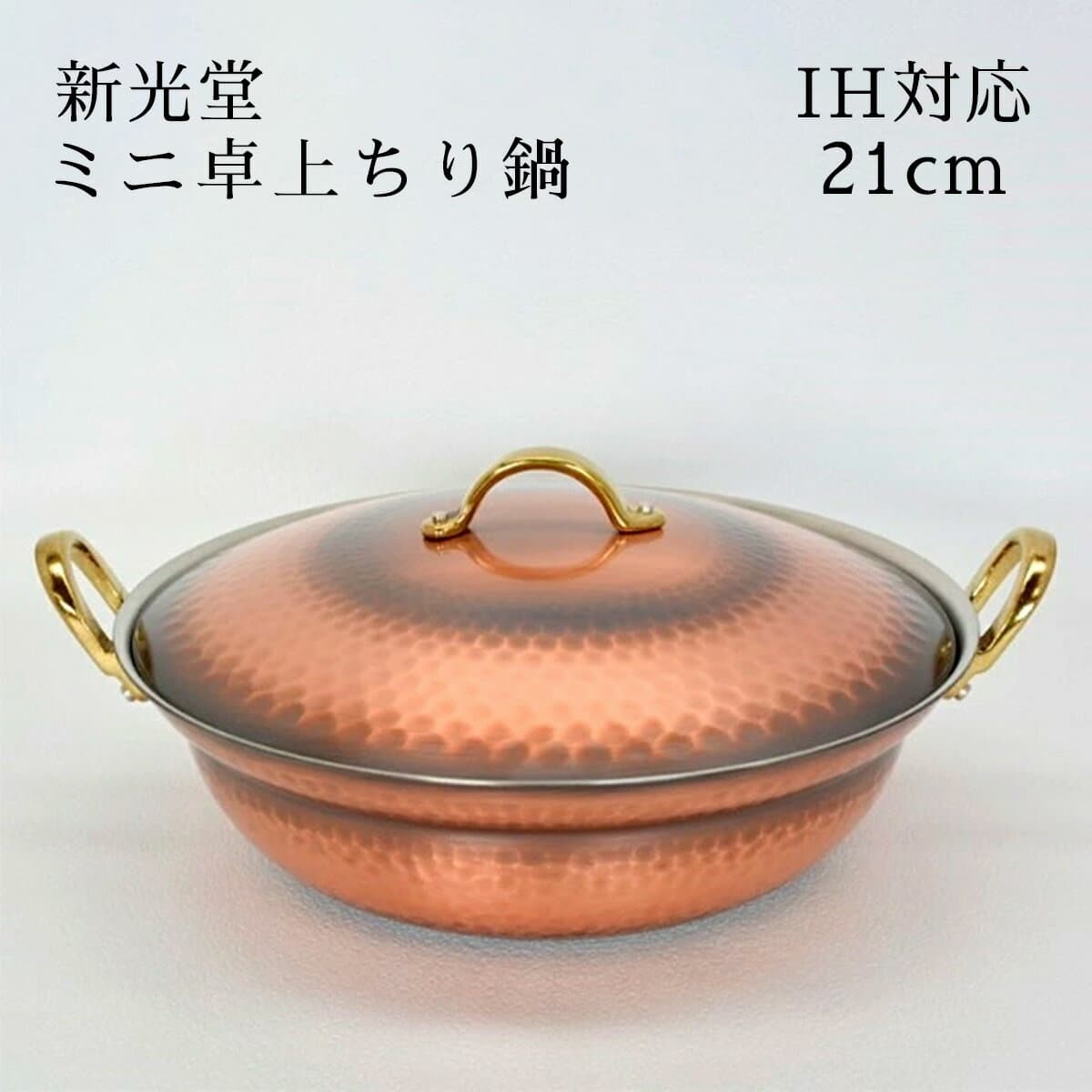
Shinko Kinzoku Shinkodo Tsubame Hammered Copperware IH-Compatible Mini Tabletop Copper Chiri Hot Pot
新光金属 新光堂作 鎚起銅器 IH対応 ミニ卓上ちり鍋 21cm 小さめ 銅の鍋 殺菌・抗菌効果 伝統工芸 燕鎚起銅器 贈り物 味噌汁 2人分 鍋 鍋 もつ鍋 すき焼き 味噌汁 鍋 ih 敬老の日 和雑貨 四季彩堂 送料無料
21 cm四季彩堂 楽天市場店
5.0 / 1 reviews
Japanese name燕鎚起銅器
In Tsubame, Niigata, one copper sheet passes through mallets, torikuchi tools, annealing, hammer marks, and color liquids before becoming a kettle, teapot, pan, cup, or desk object.
Information last updated 120 days ago
新光金属 新光堂作 鎚起銅器 IH対応 ミニ卓上ちり鍋 21cm 小さめ 銅の鍋 殺菌・抗菌効果 伝統工芸 燕鎚起銅器 贈り物 味噌汁 2人分 鍋 鍋 もつ鍋 すき焼き 味噌汁 鍋 ih 敬老の日 和雑貨 四季彩堂 送料無料
21 cm四季彩堂 楽天市場店
5.0 / 1 reviews
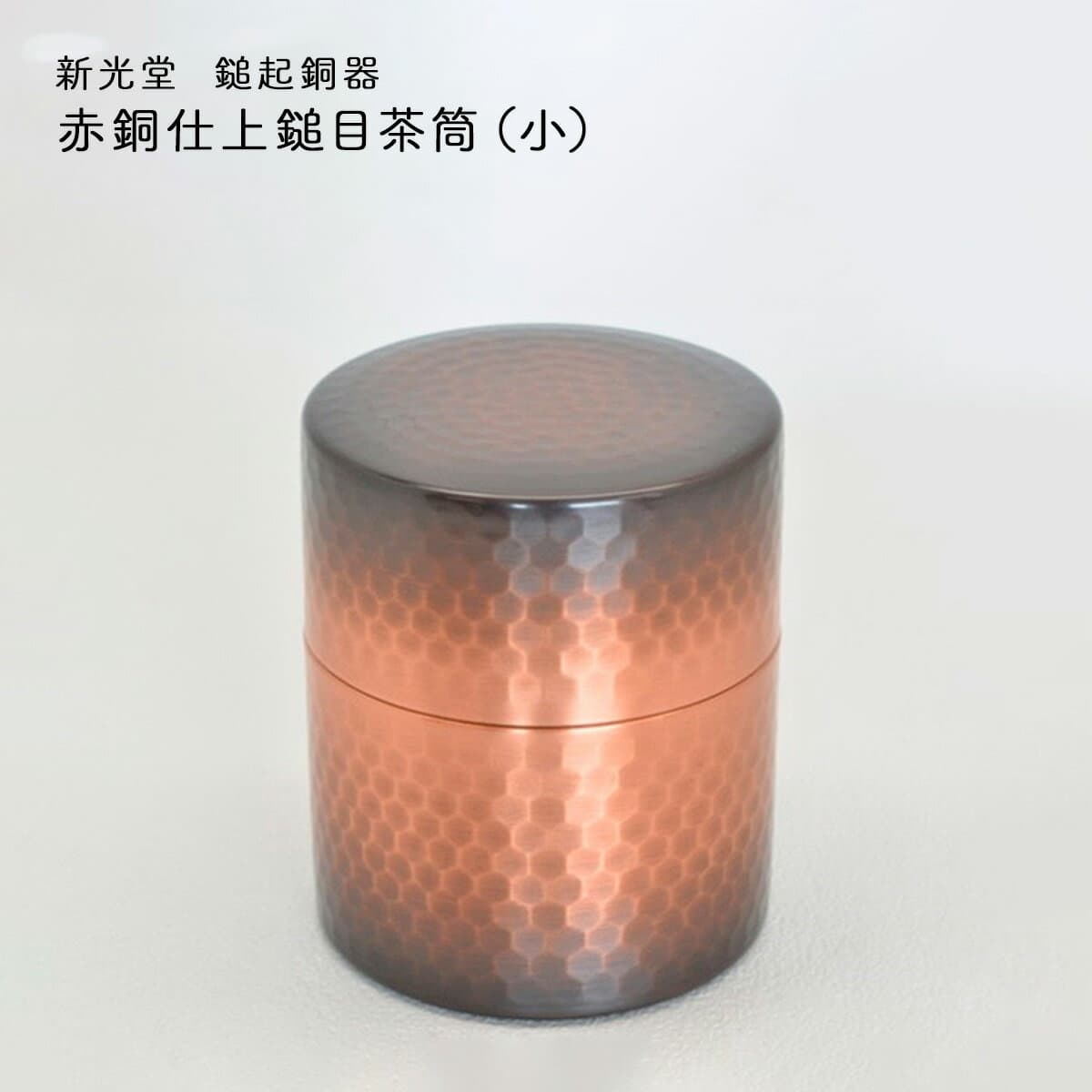
新光金属 新光堂作 茶筒 赤銅仕上鎚目茶筒(小) 新光堂鎚起銅器 純銅 緑茶 紅茶 コーヒー 保管容器 伝統工芸 燕鎚起銅器 和モダン おしゃれ 贈り物 新潟県燕市 新光金属 茶筒 和雑貨 四季彩堂 送料無料
Small, 150g四季彩堂 楽天市場店
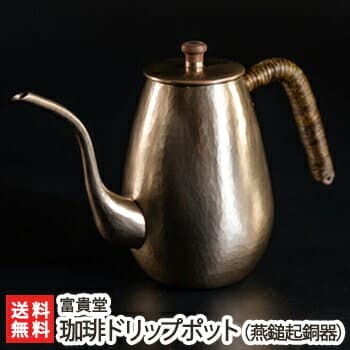
珈琲ドリップポット(燕鎚起銅器) 富貴堂 【コーヒーポット/伝統工芸品/銅製/洗練されたデザイン】【代金引換・後払い不可】【お土産/手土産/プレゼント/ギフトに!贈り物】【送料無料】
750 ml新潟県公式ショップ 新潟直送計画
4.5 / 2 reviews
First time buying on Rakuten? How residents in Japan order →
Tsubame tsuiki dōki begins with a sheet of copper and a city shaped by metalwork. In Tsubame City on the Echigo Plain, makers raise, shrink, smooth, heat, and hammer copper until a vessel gains its body, spout, and curve. The local line runs through copper associated with nearby Mount Yahiko, copperware techniques brought from Sendai in the Edo period, and workshops where the sound of hammering remains part of the manufacturing landscape.
The main manufacturing area for Tsubame tsuiki dōki is Tsubame City in Niigata Prefecture. Copperware techniques are described as having arrived from Sendai in the middle Edo period, and copper from near Mount Yahiko was brought to Tsubame for kettle production. On the Echigo Plain, flooding from the Shinano River shaped rural work, and metal production grew as part of local livelihoods before becoming a wider manufacturing base. The craft’s place identity is therefore concrete: a named city, nearby copper, river-shaped rural life, and a metalworking economy.
For a kettle, the process starts with cutting a copper plate, then raising its sides on a shaped wooden block with a wooden mallet. The sheet is stretched, compressed, and smoothed by repeated hammering; when the copper hardens, it is annealed at around 650°C so the maker can continue shaping it. The body, spout, and balance of the vessel emerge through repeated changes in pressure, heat, and correction, rather than through a single fixed operation.
The curve of Tsubame copperware is worked between torikuchi, atagane, wooden blocks, wooden mallets, and metal hammers. Makers adjust force and angle according to the copper’s hardness, stretch, thickness, and the part of the vessel being shaped. Tradition here has a practical meaning: knowing where the next hammer blow should land, how hard it should fall, and when the metal has become too hard to move cleanly without another annealing.
The surface can carry hand-hammered patterns, engraving, inlay, or surface alloy work. Color finishing may involve black coloring, boiling, smoking, or madara-shakudo methods; named examples include the deep black-purple kinkoshoku and the red-yellow sentoku color, developed through liquid treatments using materials such as verdigris, copper sulfate, potassium sulfide, and tin. With use, the copper surface gains gloss and an aged tone, so touch, washing, and time become visible on the metal.
Tsubame tsuiki dōki appears in hot-water kettles, teapots, kyusu, and tea utensils, and also in pots, frying pans, sake vessels, guinomi cups, beer cups, and coffee drippers. The same hammered copper surface moves into stationery, business-card cases, and shoehorns. Copper’s heat conductivity gives kitchen tools a practical role, while hammer texture and color finishing carry the material into objects kept on a desk, placed near a kettle, or held in the hand.
Long use depends on simple care. After use, the copperware is washed with mild detergent and a soft sponge, then dried with a cloth; moisture, salt, and acidity left on the surface can lead to rust. For longer storage, the vessel should be emptied, cleaned, dried, and kept in a low-humidity dark place. If a kettle handle or spout is damaged, repair can be discussed with a workshop, keeping the object within a cycle of use, care, and repair.
Tamagawa-do’s line includes Tamagawa Kakuhei’s 1816 shift from copperware into hammered copperware, and the workshop is connected with the Tsubame Copperware Craft Cooperative. Tsubame still has workshops continuing the craft, while Tamagawa-do offers visits and hands-on sessions. The Tsubame-Sanjo Factory Festival opens more than 70 metalworking, woodworking, and forging sites in the region, making the manufacturing setting visible beyond the finished vessel.
Tsubame tsuiki dōki holds its place in the way a copper sheet changes under hammer, heat, liquid, and use. A kettle body, a spout, a kinkoshoku surface, or a sentoku tone all point back to Tsubame City, the hand tools on the bench, and the daily care that lets copper continue to age.
Compiled from public records and official sources; see the recognition links below. Details may change over time.
Where this product is officially registered, designated, or recognized in Japan.
Traditional craft
Designated a Traditional Craft (dentō kōgeihin) by Japan's Ministry of Economy, Trade and Industry.
Sources1
It is written as 燕鎚起銅器 in Japanese. Search Rakuten and other Japanese sites with that spelling — the English name will not bring up the listings.
Tsubame tsuiki copperware is hammered copperware from Tsubame City, Niigata Prefecture, shaped from a single copper sheet by repeated hammering, stretching, shrinking, and smoothing, with annealing at about 650°C when the metal hardens. The craft is linked to copper from near Mount Yahiko, methods introduced from Sendai in the middle Edo period, and Tsubame workshops such as Tamagawa-do, and it produces kettles, teapots (kyusu), pans, sake vessels, coffee drippers, business-card cases, and shoehorns.
Kettle-making uses tools such as wooden mallets, wooden blocks, torikuchi, atagane, and metal hammers. Surface work may include hand-hammered patterns, engraving, inlay, surface alloying, and color finishing. Named color examples include deep black-purple kinkoshoku and red-yellow sentoku color.
Copper is highly heat-conductive compared with aluminum, iron, and stainless steel, which supports its use in kettles, pans, and other cooking items. Current uses also include sake vessels such as guinomi, beer cups, and coffee drippers. Care involves washing with mild detergent, wiping dry, and avoiding lingering moisture, salt, and acidity; shops or workshops can be contacted for repairs such as a broken handle or spout.
Porous earthenware is usually given a "medome" treatment first — simmer it gently in rice-rinsing water (or water with a little flour), then cool, rinse, and air-dry. This reduces staining and odour absorption. Porcelain normally just needs a wash. Follow the listing where it says otherwise.
Handmade earthenware, pieces with gold or silver overglaze, and lacquerware generally should not go in a dishwasher, microwave, or heated drying cabinet; heat-resistant porcelain usually can. Check the Rakuten listing for the specific piece.
Most options are shelf-stable, boxed, and travel well, so they suit gifting or bringing home. Confirm the final storage and delivery terms on the Rakuten listing.
On Rakuten: the shops listed here right now are 四季彩堂 楽天市場店, 新潟県公式ショップ 新潟直送計画. We don't sell directly; purchase, payment, stock, and delivery are all handled on the Rakuten product page.