 3 images
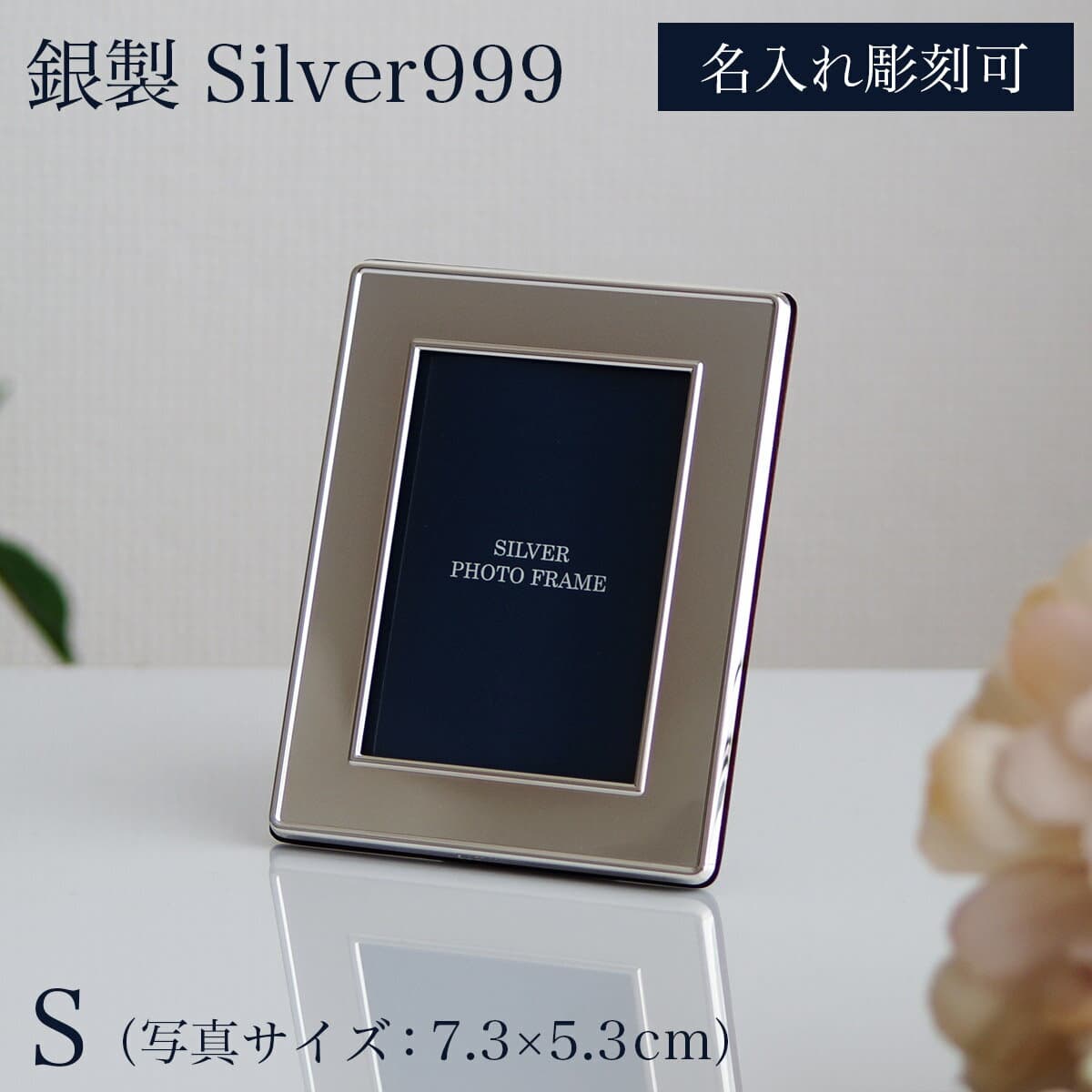
東京銀器 Silver Plain Photo Frame
銀製 フォトフレーム プレーン S 名入れ彫刻無料 ( SV999 シルバー 写真立て 日本製 フォトスタンド 高級 ブランド 銀婚式 ギフト 東京銀器(銀工芸) 結婚 出産 内祝い 引き出物 金婚式 誕生日プレゼント 還暦祝い 古希 喜寿 米寿 )
Plain S伝統本舗
4.8 / 4 reviews
Japanese name東京銀器
In Taito, Arakawa, Bunkyo and nearby Tokyo workshops, silver sheet is heated, annealed, struck, engraved and inlaid into tea utensils, sake vessels, vases, tableware and small ornaments.
Information last updated 7 days ago
3 images銀製 フォトフレーム プレーン S 名入れ彫刻無料 ( SV999 シルバー 写真立て 日本製 フォトスタンド 高級 ブランド 銀婚式 ギフト 東京銀器(銀工芸) 結婚 出産 内祝い 引き出物 金婚式 誕生日プレゼント 還暦祝い 古希 喜寿 米寿 )
Plain S伝統本舗
4.8 / 4 reviews
 3 images
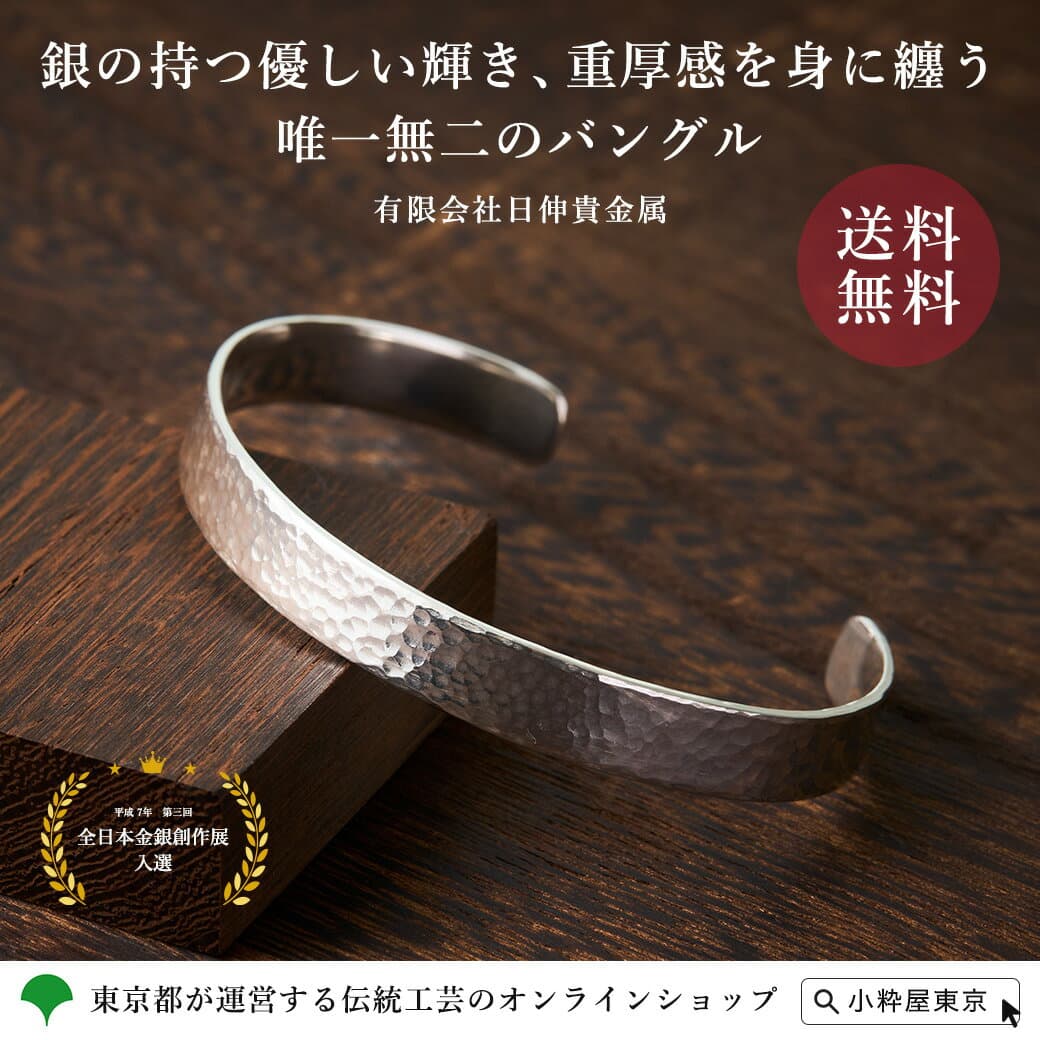
手づくり 伝統工芸品 東京銀器 日伸貴金属 銀師宗伯 純銀製 手打 バングル
小粋屋東京
4.4 / 9 reviews
 3 images
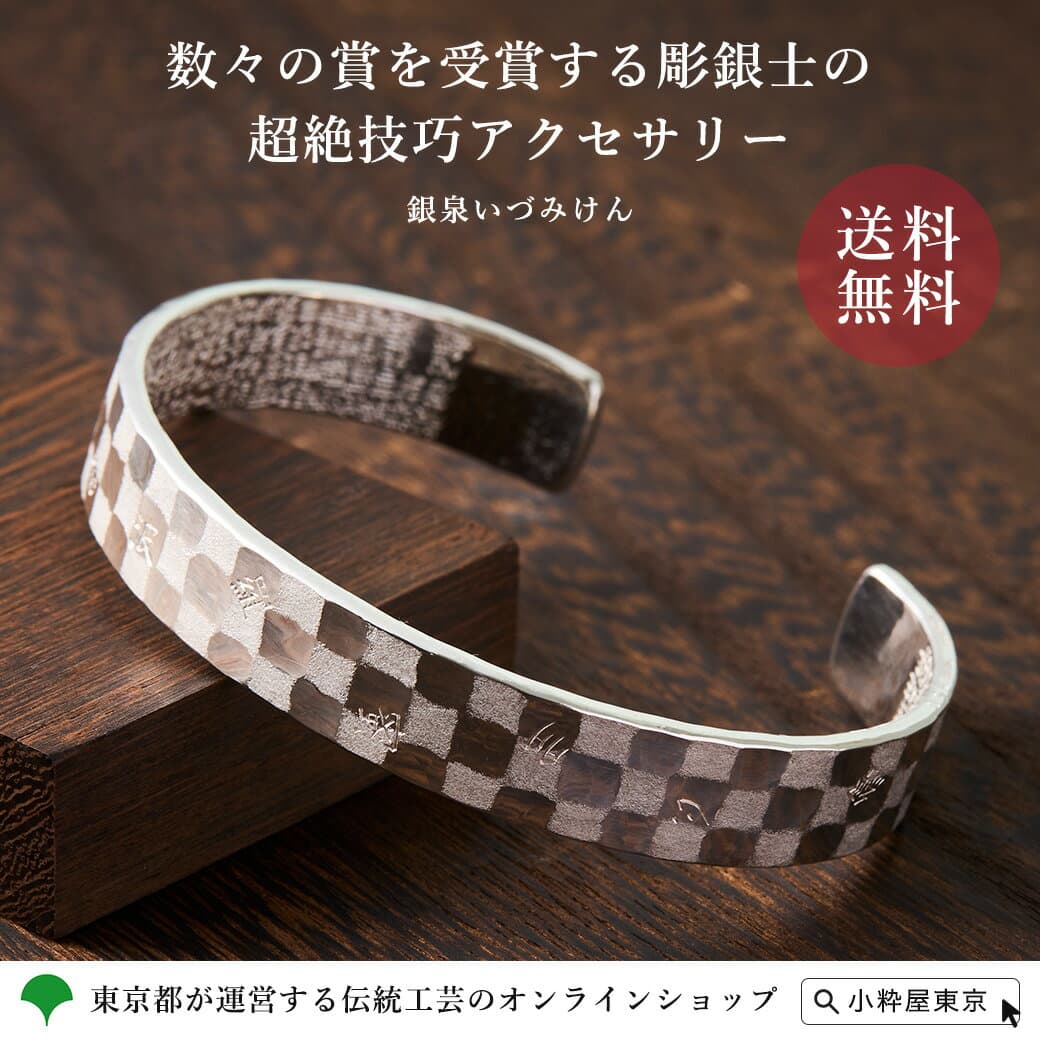
般若心経 刻印原版手彫り 銀 箱入り ギフト 伝統工芸品 東京銀器と彫金 市松紋般若心経BB 銀製バングルブレスレット S M L 銀泉いづみけん
S/M/L sizes小粋屋東京
5.0 / 2 reviews
First time buying on Rakuten? How residents in Japan order →
Tokyo ginki begins easily in the mind as a flat sheet of silver. Its making is tied to Tokyo districts including Taito, Arakawa and Bunkyo, with Taito becoming an important center through Edo-period coinage in Ginza, city demand, later exports and postwar use of silver tableware and accessories. Silver is soft, workable, lustrous and resistant to rust; under wooden mallets, hammers, stakes and chisels, it becomes tea utensils, sake vessels, flower vases, tableware, ornaments and accessories.
Silverware appears early in Japan's written timeline, with the Engishiki of 916 carrying an early mention of silver objects. After the Muromachi period, silver mines and new refining methods helped silver-product making expand. In Edo, silver coins were struck at the Ginza office in present-day Ginza, and silver ornamentation spread among townspeople during the Genroku period's growing urban economy. Those conditions helped place Tokyo, especially Taito, at the center of silverware production.
By the middle of the Edo period, shiroganeshi silversmiths made the base forms for engraved vessels, while metalworkers produced combs, hairpins and mikoshi fittings. In 1867, Japanese silver products drew attention at the Paris Exposition. After the Meiji Restoration, thick silver flower vases made in Tokyo were exported in large numbers through Yokohama; after the war, increased movement of foreign residents and visitors in Tokyo expanded demand for spoons, forks, accessories and other silver goods.
Tankin begins by heating the base metal so the silver softens. The maker calculates the dimensions, marks the needed area on the sheet with a compass, and cuts round pieces with shears when a circular form is required. The silver is then set into the hollow of a keyaki wood block and tapped little by little with a wooden mallet until it becomes dish-shaped; hammers and stakes refine the curve. Through repeated heating, annealing and striking, a flat sheet rises into the rounded surface of a vessel, incense burner or similar form.
After shaping, the surface carries another layer of handwork. Chokin uses hammers and chisels to raise or carve motifs. Kiribame cuts out a design and fits in another metal such as copper or shakudo, then relies on silver brazing, filing and polishing to settle the inlay into the surface. Hera-shibori shapes metal by pressing it by hand against a rotating wooden mold, while joining can use silver brazing, tinning, caulking or riveting. Finishes such as nikomi, kinfurubi and tanban-furubi give the silver a quieter color and sheen.
Tokyo ginki is made as objects for handling: tea utensils, sake vessels, vases, tableware, ornaments, accessories and decorative goods. Maker Kasahara Nobuo describes customers bringing pieces back after 20 or 30 years for repair, a detail that keeps the craft at the scale of a hand, a table and a long-used vessel. The repair example belongs to one maker's account, but it shows how silverware can gather signs of use while remaining part of daily rooms and ceremonial settings.
Tokyo ginki is shaped by Ginza coinage, Taito workshops, Yokohama exports, keyaki blocks, mallets, chisels and inlay. Its arc runs from Edo metalworkers and Meiji flower vases to tea utensils, sake vessels and tableware that can still be used, polished and repaired. Each hammered curve keeps Tokyo's streets, tools and silver sheet close to the hand.
Compiled from public records and official sources; see the recognition links below. Details may change over time.
Where this product is officially registered, designated, or recognized in Japan.
It is written as 東京銀器 in Japanese. Search Rakuten and other Japanese sites with that spelling — the English name will not bring up the listings.
Tokyo silverware (Tokyo ginki) is a Tokyo silver metalwork family made in areas including Taito, Arakawa and Bunkyo. Its background connects Edo-period Ginza coinage, Meiji-era silver vases exported through Yokohama, and postwar Tokyo demand for tableware and accessories. Common products include tea utensils, sake vessels, vases, tableware, ornaments and accessories.
Taito is tied to Edo-period Ginza coinage, Genroku-era city demand, exports and postwar silverware demand, which helped establish it as a key production area. Overseas awareness of Japanese silverware grew after the 1867 Paris Exposition. Silverware appears in connection with the Engishiki of 916, and broader silver-product production expanded after Muromachi-period silver mines and new refining methods. Tankin heats and anneals the silver sheet, marks and cuts it, then uses a keyaki block, wooden mallet, hammers and stakes to raise a vessel form.
Tea utensils, sake vessels and vases are among the main products, with items such as incense burners used as examples of hammered and decorated silver forms. Silverware also includes tableware and daily-use goods; postwar demand in Tokyo grew for spoons, forks and accessories as overseas travel and residence increased. Silverware gains character with long-term use and can be repaired; one maker recounts customers bringing pieces back after 20 or 30 years for repair, though this reflects a single workshop's account.
Porous earthenware is usually given a "medome" treatment first — simmer it gently in rice-rinsing water (or water with a little flour), then cool, rinse, and air-dry. This reduces staining and odour absorption. Porcelain normally just needs a wash. Follow the listing where it says otherwise.
Handmade earthenware, pieces with gold or silver overglaze, and lacquerware generally should not go in a dishwasher, microwave, or heated drying cabinet; heat-resistant porcelain usually can. Check the Rakuten listing for the specific piece.
Most options are shelf-stable, boxed, and travel well, so they suit gifting or bringing home. Confirm the final storage and delivery terms on the Rakuten listing.
On Rakuten: the shops listed here right now are 伝統本舗, 小粋屋東京. We don't sell directly; purchase, payment, stock, and delivery are all handled on the Rakuten product page.