 3 images
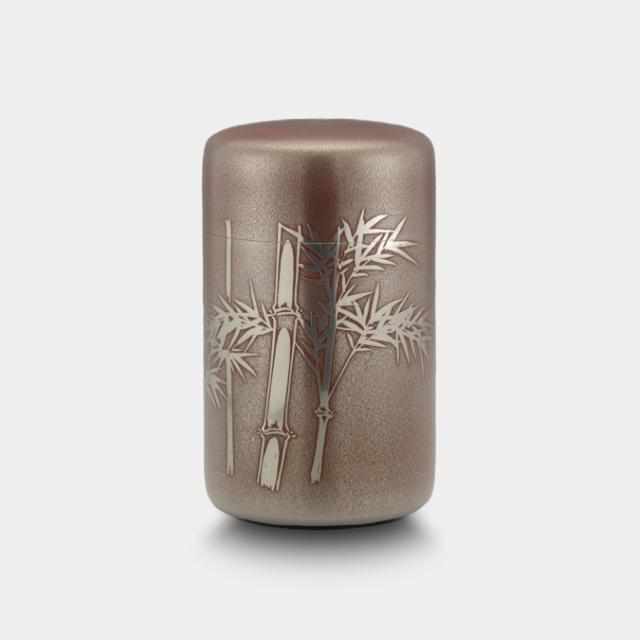
Osaka Naniwa Tinware Tea Caddy
【茶壷】朱竹 | 大阪浪華錫器
Red BambooBECOS伝統工芸楽天市場店
Japanese name大阪浪華錫器
Across Osaka City, Higashiosaka, and nearby workshop towns, tin is cast, cut, joined, and polished into tea canisters, sake vessels, flower vases, ritual pieces, tumblers, and mugs.
Information last updated 120 days ago
3 images【茶壷】朱竹 | 大阪浪華錫器
Red BambooBECOS伝統工芸楽天市場店
 3 images
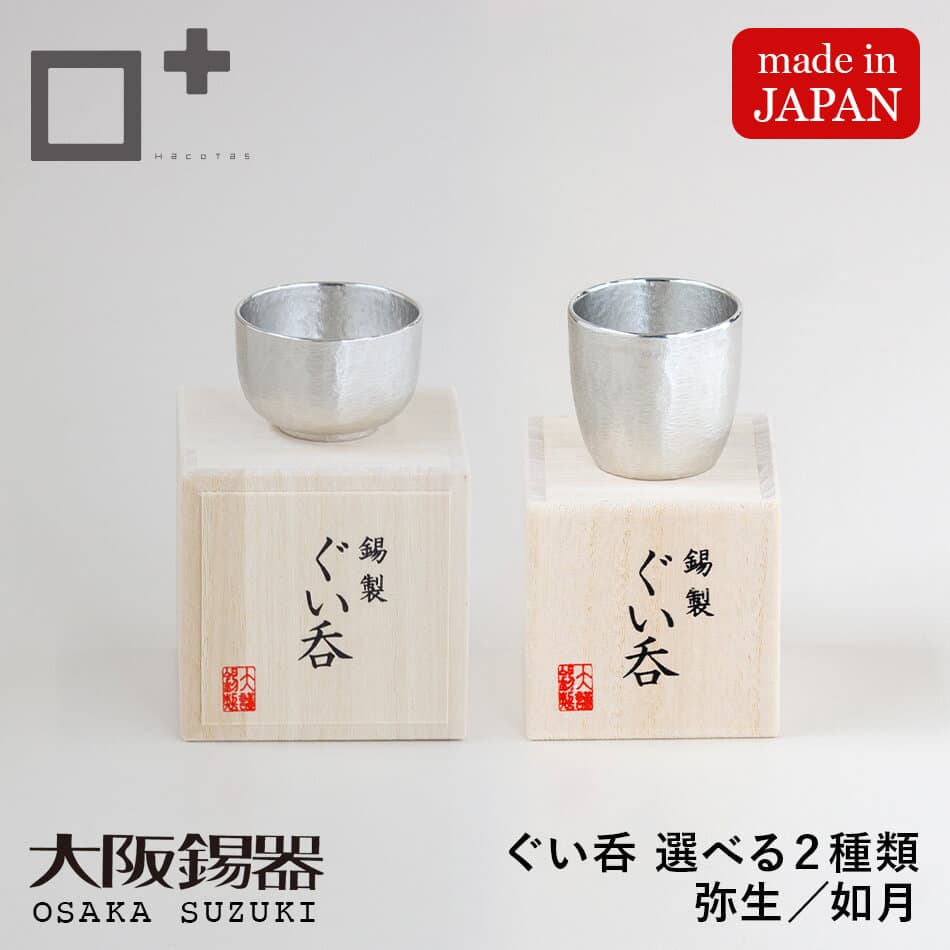
ぐい呑 酒器 錫製 すず ぐい呑み おちょこ 大阪錫器株式会社 大阪浪華錫器 伝統的工芸品 国産 日本製 ハンドメイド 日本酒 冷酒 祝盃 木箱入 ギフト おしゃれ 高級 記念品
paulownia boxhacotas 楽天市場店
 3 images
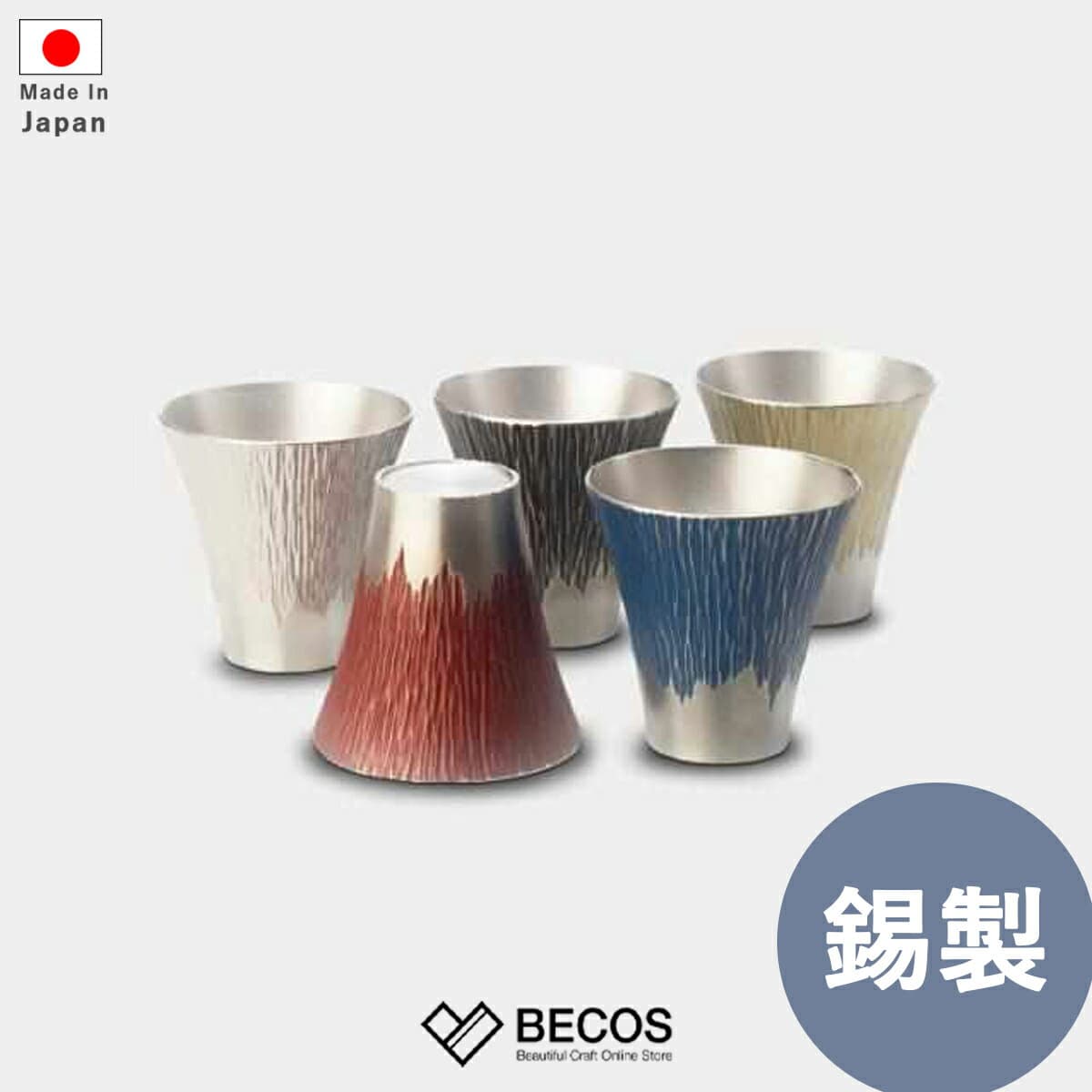
【名入れ対応】錫製 タンブラー (中) 富士山シリーズ 桐箱入り 300ml | 白 赤 黒 青 黄 | 酒器 日本酒 焼酎 冷酒 熱燗 ビールグラス 日本製 | 誕生日 結婚祝い 新築祝い 新居祝い 父の日 還暦祝い 長寿祝い 敬老の日 | お祝い ギフト 贈り物 プレゼントに | 大阪浪華錫器
medium, 300ml, paulownia boxBECOS伝統工芸楽天市場店
First time buying on Rakuten? How residents in Japan order →
Osaka Naniwa pewterware begins with tin handled in a practical sequence. Ingots are melted, ladled into molds of stone, earth, cement, or metal, then cut on a lathe and polished with tokusa and mukunoki leaves. Late-17th-century books described tinware made and sold in Osaka, and an 1867 merchant directory showed makers at casting and lathe work. Today the craft family remains tied to Osaka City, Higashiosaka, Matsubara, Habikino, and daily forms: a tight tea-canister lid, a sake cup, a vase, a shrine bottle, a tumbler on a table.
The production geography is concrete: Osaka City and Higashiosaka stand among the main areas, while the craft association also places workshops in Matsubara and Habikino. That wider Osaka setting gives the name a workshop geography rather than a single address. Late-17th-century books described tinware being made and sold in Osaka; a merchant directory from 1867 named tinware makers and showed casting and lathe shaping, linking city commerce, metal molds, and hand tools in one urban craft scene.
The material boundary is precise: cast pieces use tin with purity of at least 97 percent. A tin ingot handled in the workshop can weigh about 35 to 45 kilograms, and tin melts at roughly 230 degrees Celsius before the molten metal is ladled as hot liquid into a slanted mold. Stone, earth, cement, and metal molds give the vessel its first body; after the core is removed, the piece is cooled lightly with a wet brush, taken from the mold, and trimmed at the pouring gate. A simple object may take one day, while a complex vessel can take about a month as casting, cutting, joining, polishing, and decoration accumulate.
A cast pewter form still has to be corrected by the hand. Turned pieces are rough-cut with the lathe, lathe planes, and kisage scrapers, then finish-cut with the lathe and finishing planes; hammered pieces use shears, small blades, gangi, kisage, and kokuri tools to refine edges and surfaces. Thickness, tool angle, and the shift from rough cut to finish cut depend on practiced judgment. Tokusa and mukunoki leaves bring the cast skin toward a soft sheen, while heat bonding, brazing, hammered texture, lathe patterning, and natural-lacquer coloring add structure or surface character when the vessel calls for it.
The tea canister shows how small tolerances become daily use. Body and lid are adjusted as a pair so the fit can help protect tea-leaf aroma during hot, humid weather. The same metal appears in sake vessels: tin is valued here for stability and for not interfering with delicate umami, so cups, servers, and sake utensils sit close to the family’s main forms. Vases, Shinto and Buddhist implements, sacred-sake bottles, and offering stands carry the material into flower settings and ritual utensils.
Vessel shapes have changed with the way people sit and eat. Low, broad cups suited to a tray setting gave way to taller forms that are easier to hold at a table, and Osaka workshops now also make tumblers and beer mugs. The newer height still passes through casting, lathe cutting, and polishing. The same methods have also been tried in smaller pieces such as pendant tops, where the object changes scale but tin, mold, cutting, and surface finish remain the framework.
Wartime metal requisition closed many workshops, and skilled makers later gathered in a cooperative to keep production going. That continuity appears in concrete objects rather than broad slogans: tea utensils, sake vessels, flower vases, and ritual pieces still rely on tin, molds, lathe work, and polishing, while tumblers and mugs carry the same workshop sequence onto a contemporary table. Osaka Naniwa pewterware stays legible through city, material, tool, and use.
The clearest entrance to Osaka Naniwa pewterware is a vessel meant to be used: a canister lid settling into place, a sake cup holding a quiet tin sheen, a vase or sacred-sake bottle carrying metal into another setting. From late-17th-century Osaka books and the 1867 merchant directory to today’s table tumblers, the family keeps Osaka workshop towns, a 97-percent-or-higher tin boundary, and the maker’s cutting and polishing motions inside ordinary objects.
Compiled from public records and official sources; see the recognition links below. Details may change over time.
Where this product is officially registered, designated, or recognized in Japan.
Traditional craft
Designated a Traditional Craft (dentō kōgeihin) by Japan's Ministry of Economy, Trade and Industry.
Sources1
It is written as 大阪浪華錫器 in Japanese. Search Rakuten and other Japanese sites with that spelling — the English name will not bring up the listings.
Osaka Naniwa pewterware is an Osaka metalwork family connected to Osaka City, Higashiosaka, and workshop areas including Matsubara and Habikino. It uses cast tin of at least 97 percent purity, then molding, lathe cutting, planes, tokusa, and mukunoki polishing to make tea canisters, sake vessels, vases, ritual pieces, tumblers, and mugs. Late-17th-century books and an 1867 merchant directory connect Osaka tinware to making, sale, casting, and lathe work.
The cast material must be tin with purity of at least 97 percent. The process includes melting tin, pouring it into stone, earth, cement, or metal molds, cutting it on a lathe with planes and scrapers, and polishing with tokusa and mukunoki leaves. Late-17th-century books described tinware made and sold in Osaka, and an 1867 merchant directory showed casting and lathe shaping. The production geography includes Osaka City and Higashiosaka, and the craft association also names Matsubara and Habikino.
Tin canisters are fitted by hand at the body and lid so they stay airtight enough to preserve tea-leaf aroma in hot, humid conditions. Tin is described as suitable for sake vessels because it is stable, has water-purifying ion effects, and does not impair subtle umami; tumblers and beer mugs are also made. The same metal is used for flower vases and for ritual pieces such as shrine bottles, sacred-sake vessels, mikoshi bottles, and offering stands.
Porous earthenware is usually given a "medome" treatment first — simmer it gently in rice-rinsing water (or water with a little flour), then cool, rinse, and air-dry. This reduces staining and odour absorption. Porcelain normally just needs a wash. Follow the listing where it says otherwise.
Handmade earthenware, pieces with gold or silver overglaze, and lacquerware generally should not go in a dishwasher, microwave, or heated drying cabinet; heat-resistant porcelain usually can. Check the Rakuten listing for the specific piece.
Most options are shelf-stable, boxed, and travel well, so they suit gifting or bringing home. Confirm the final storage and delivery terms on the Rakuten listing.
On Rakuten: the shops listed here right now are BECOS伝統工芸楽天市場店, hacotas 楽天市場店. We don't sell directly; purchase, payment, stock, and delivery are all handled on the Rakuten product page.