Oseibo, Japan's Year-End Gift Season: An Etiquette and Buying Guide for Foreign Residents
Oseibo is a year-end thank-you gift: generally late November into December, with 3,000–5,000 yen the usual range.
What oseibo is, and how it differs from ochugen
Oseibo is the year-end half of Japan's two fixed seasonal thank-yous, sent to the people who genuinely looked after you this year. The logic is the same as the summer ochugen: it flows one way, expects nothing back, and says simply that you remember their care. The differences are timing and weight. Ochugen thanks people for the first half of the year; oseibo thanks them for the whole of it, so custom treats it as slightly the weightier of the two. If you plan to send only once a year, most people choose the year-end one.
Who sends to whom today? Between companies, gifts to clients are still given, but internal gifting between ranks is now discouraged or banned at many workplaces, so check the practice before sending to a colleague or boss. In private life the usual recipients are your spouse's parents, a matchmaker or the person who introduced you, the landlord who has looked after you, your guarantor, and the senior who brought you into your field.
Foreign residents are under no obligation, and nobody will mind if nothing arrives. That is exactly why the one you do send reads at full value: you learned the custom, and you remembered. Keep the list short: one or two relationships you genuinely want to tend, and send only to people you can see yourself doing it again next year.
Timing: late November into December, then change the label
By custom, oseibo generally arrives between late November and December, and some regions run earlier or tighter: eastern Japan has drifted toward starting around the end of November, while the Kansai and western tradition leans toward mid-December. Follow the recipient's region; if unsure, land it in the first half of December, which is right everywhere.
Around December 20 is the cut-off people usually mention. Beyond it, most households are busy with year-end cleaning and New Year preparations, and some travel home. Past that point, custom switches the label. A gift handed over in person on a New Year visit is onenga (御年賀), given roughly through matsunouchi, the first week of January (to the 15th in some regions). If you are shipping rather than visiting, most people wait until matsunouchi ends and send under kanchu-mimai (寒中見舞い), a midwinter greeting, until around risshun in early February. The contents stay the same; only the wording on the paper changes.
One practical factor as well: the year-end is the busiest period for parcel delivery in Japan, and popular items sell out early. When ordering online, choose a delivery date before December 20 with a few days of slack. It is far easier than making up for a late arrival.
What to send, the going budget, and what to avoid
The customary range is 3,000–5,000 yen per gift; up to around 10,000 for someone pivotal, but overshooting creates pressure rather than warmth. Another convention people mention is to stay level with last year: a shrinking amount invites questions, and a sudden jump feels awkward. The rule matches all Japanese gifting: consumables that get used up, shelf-stable, well-boxed, ideally shareable, and sized to the number of people in the household.
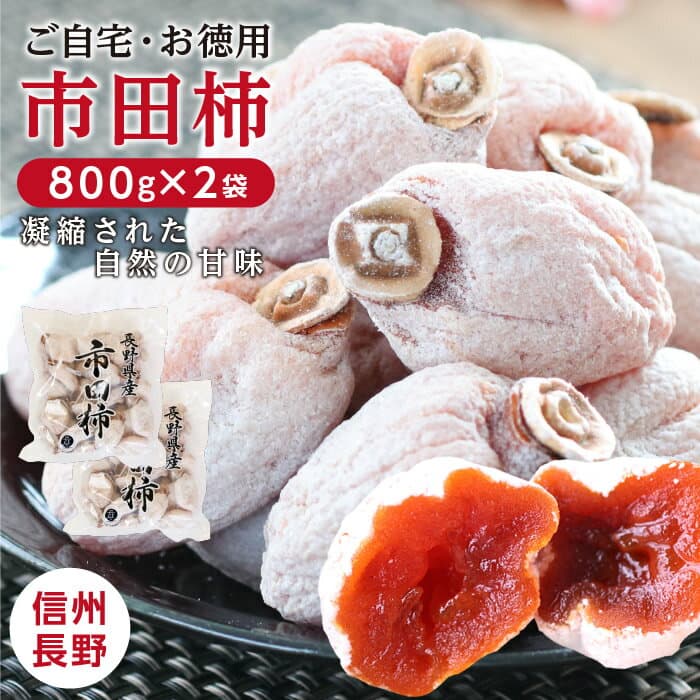
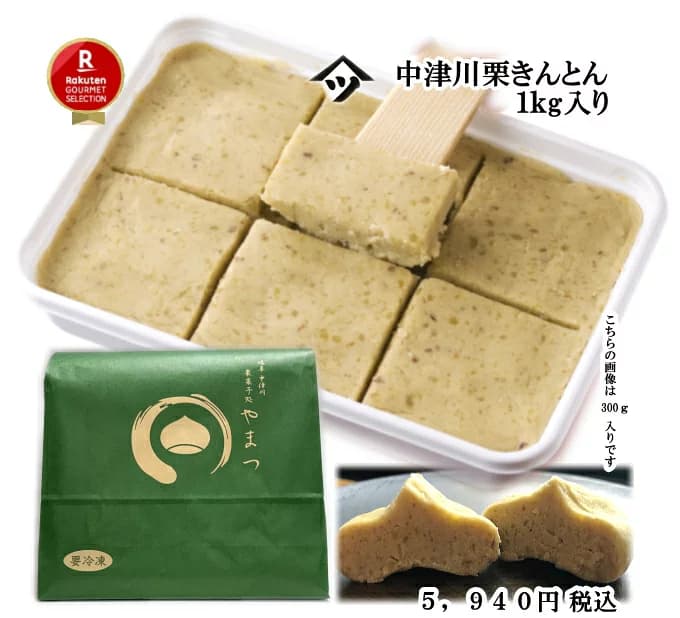
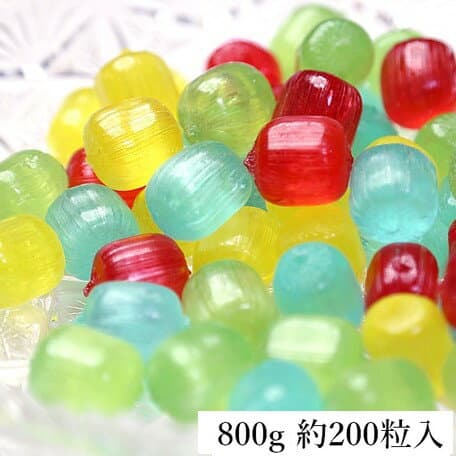
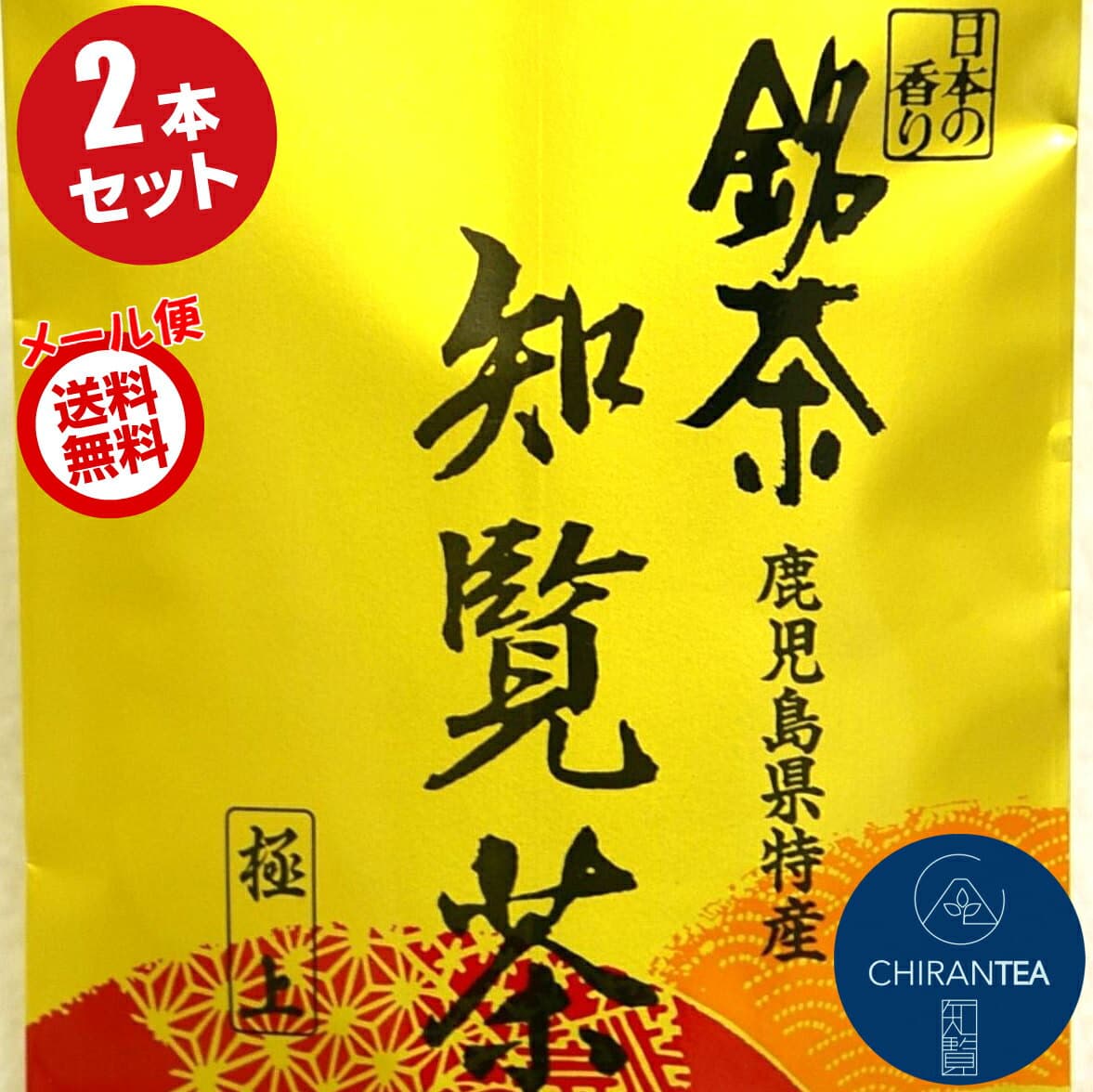
The year-end staples from the regions are shelf-stable regional sweets and baked confections, regional tea, good soy sauce, dashi and other quality seasonings, noodles and rice, and for households, towels and tableware. Start by avoiding anything that needs a fridge or freezer (crab, fresh seafood, frozen desserts), unless you know the household will be home and has room in the fridge. Send alcohol only to someone you know drinks. Very heavy boxes are a burden for older households. Number taboos (four and nine) bother few people today; skip four-piece and nine-piece sets if you are unsure, and do not worry about it otherwise.
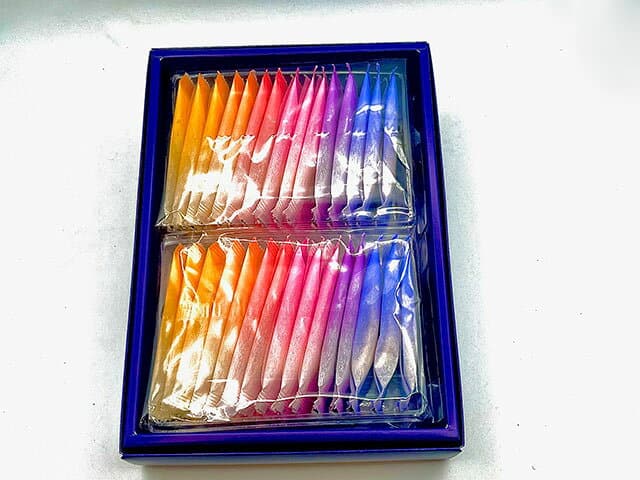
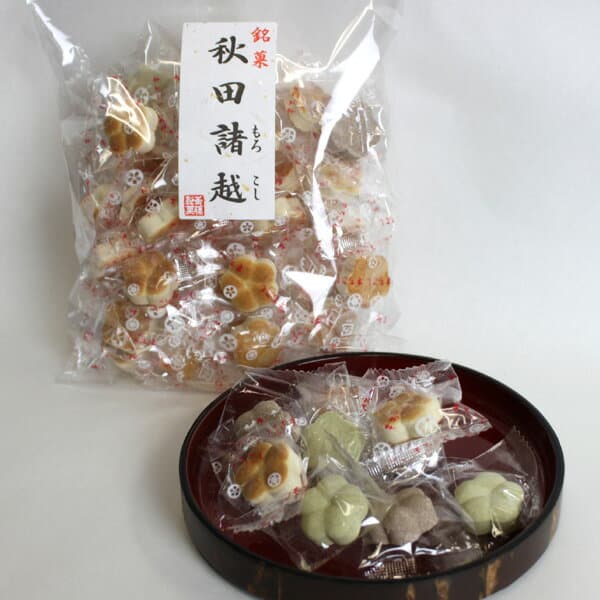
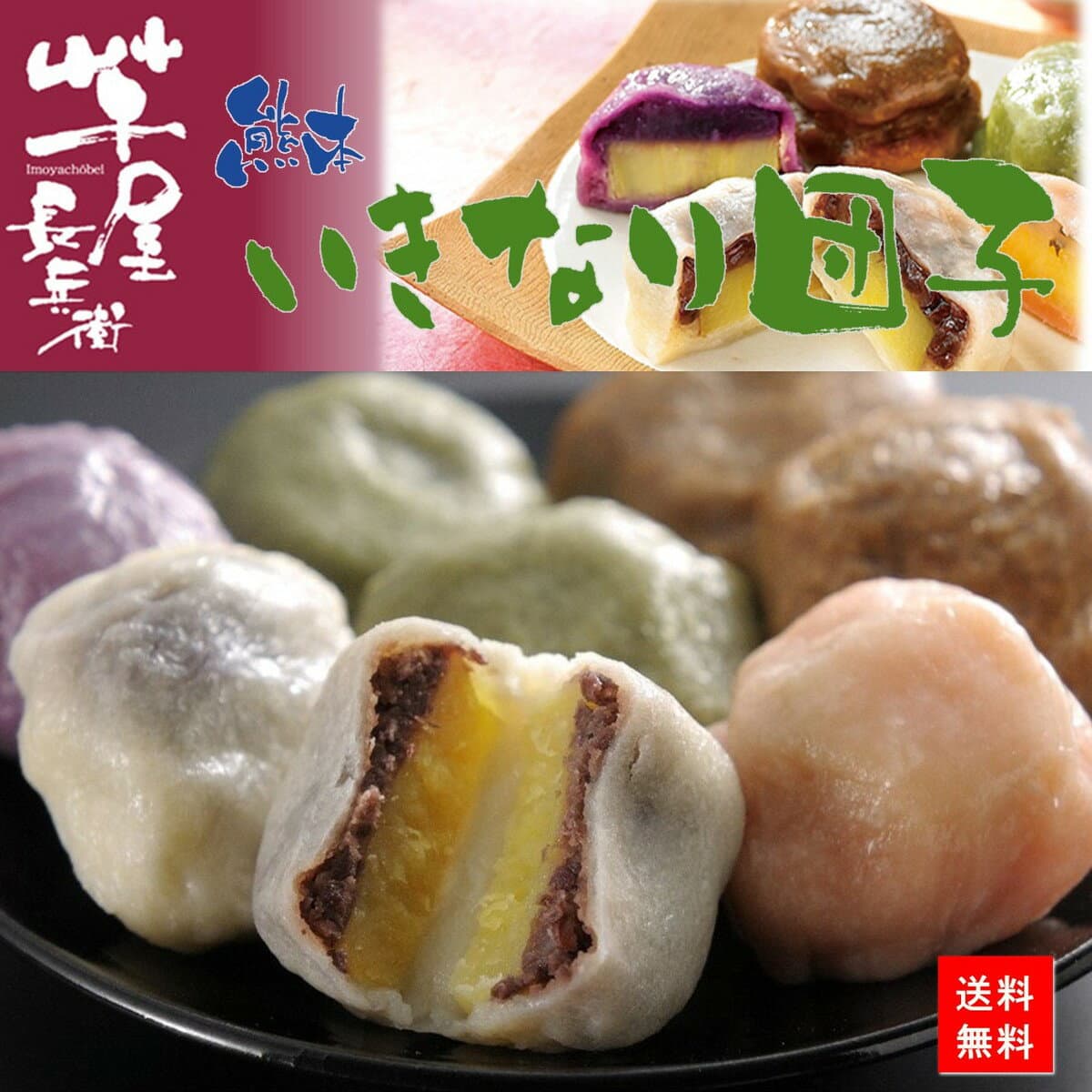
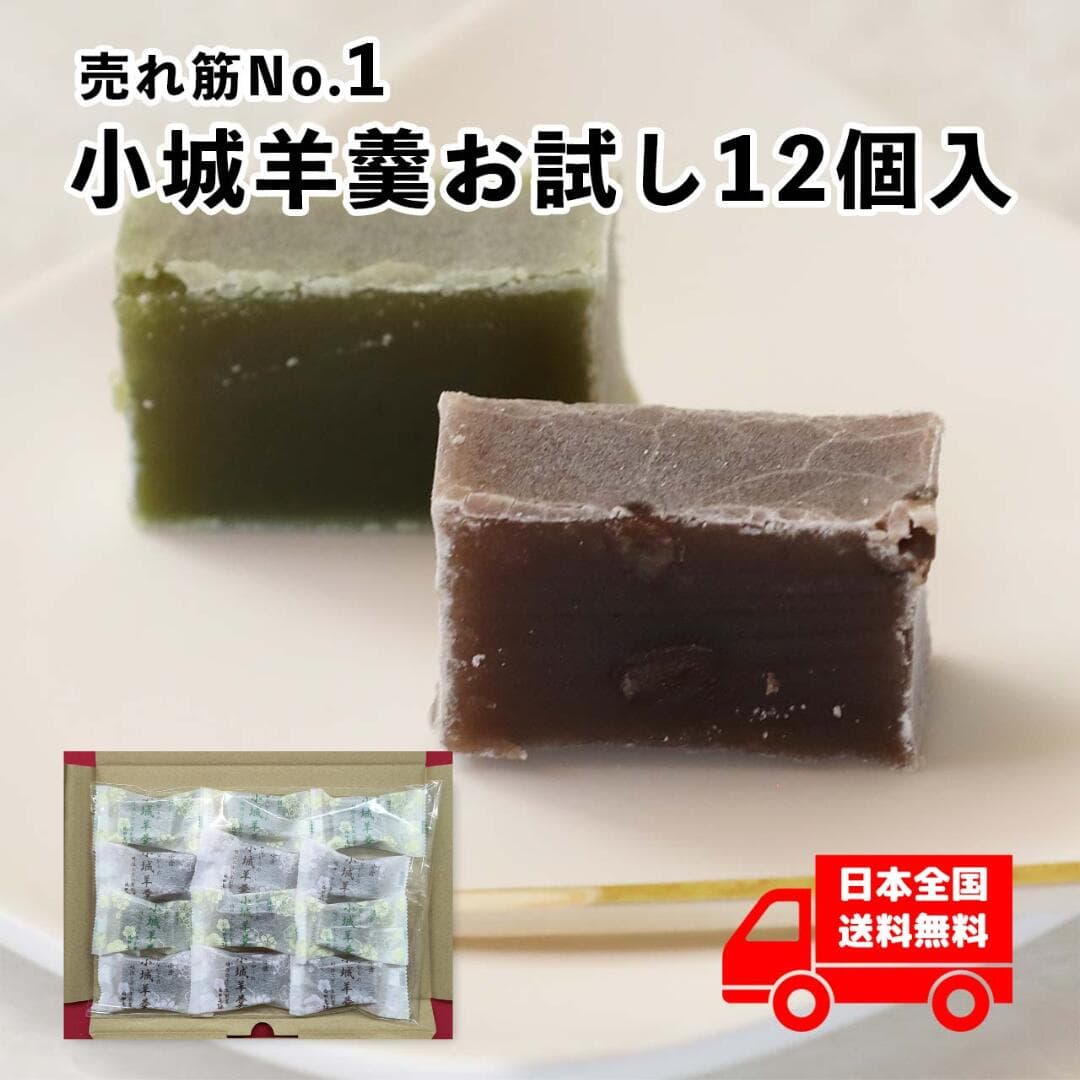
Below are shelf-stable, shareable sweets we pulled from the nationwide catalog that meet these criteria. Confirm piece counts and packaging on the Rakuten listing.

Tea, seasonings and household items: for families and elders
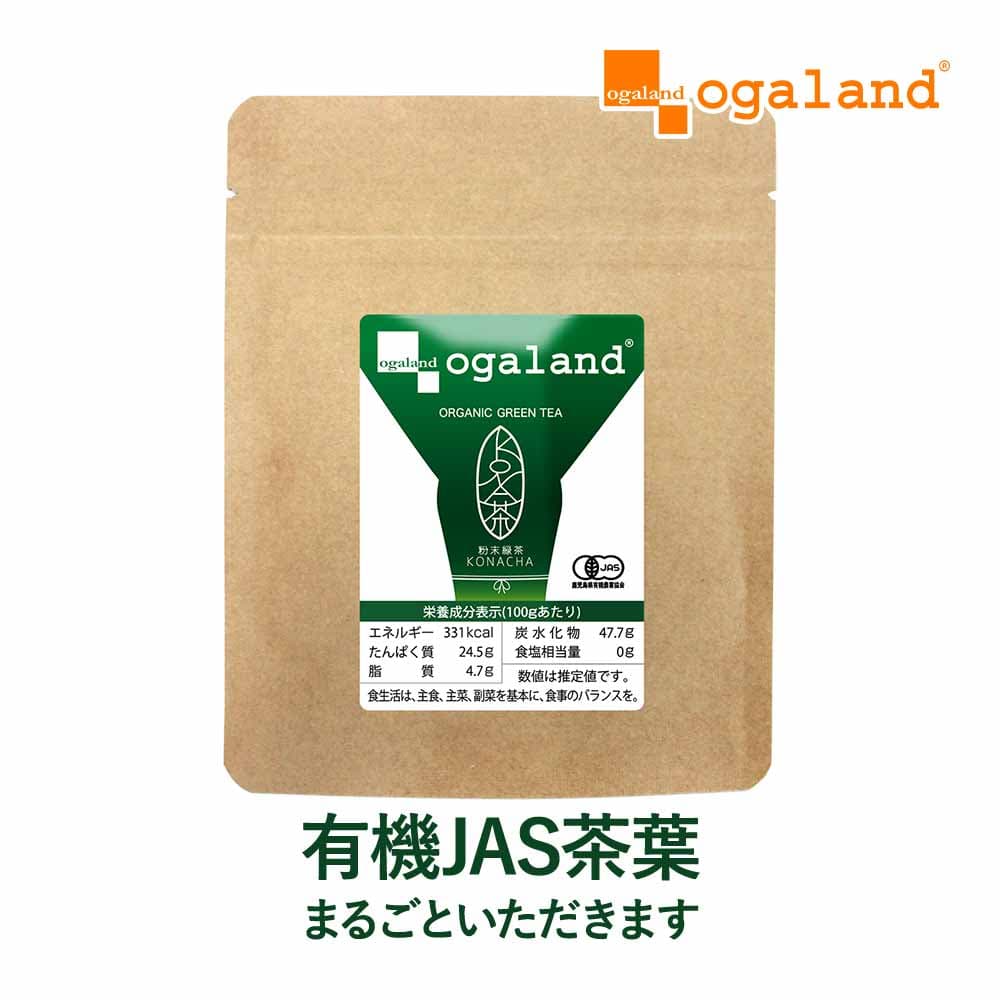
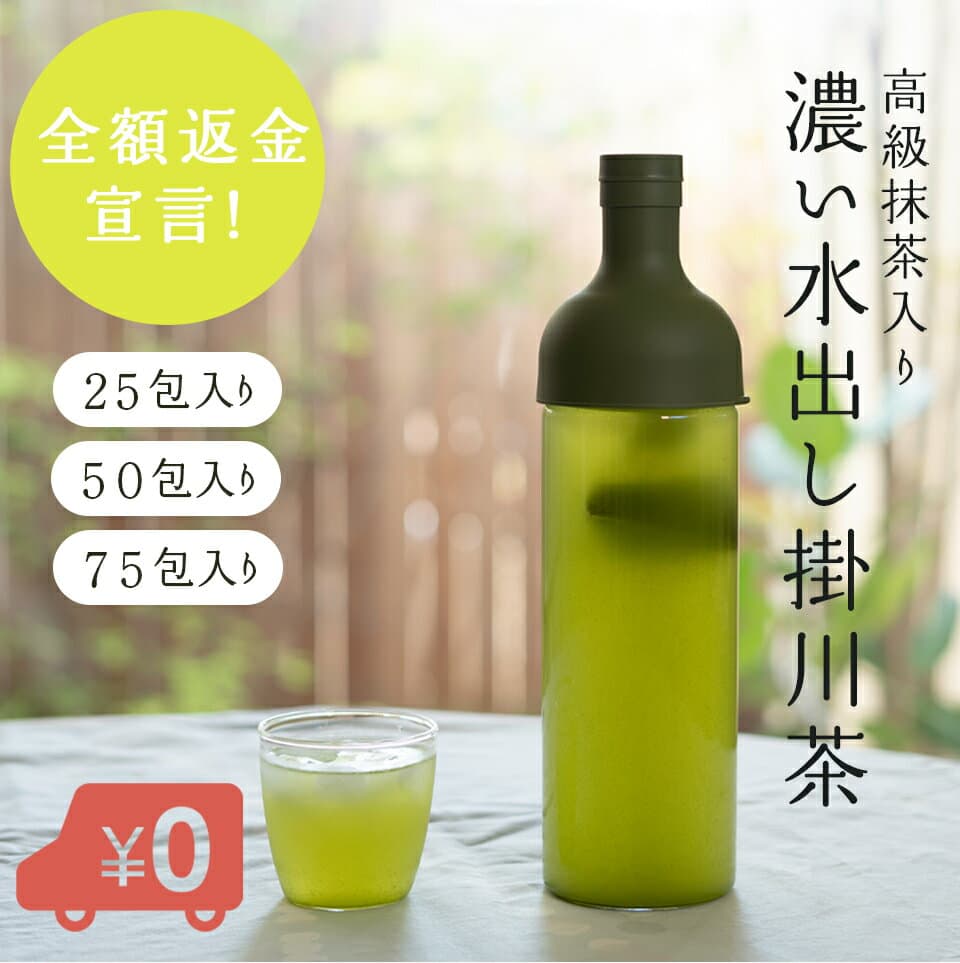
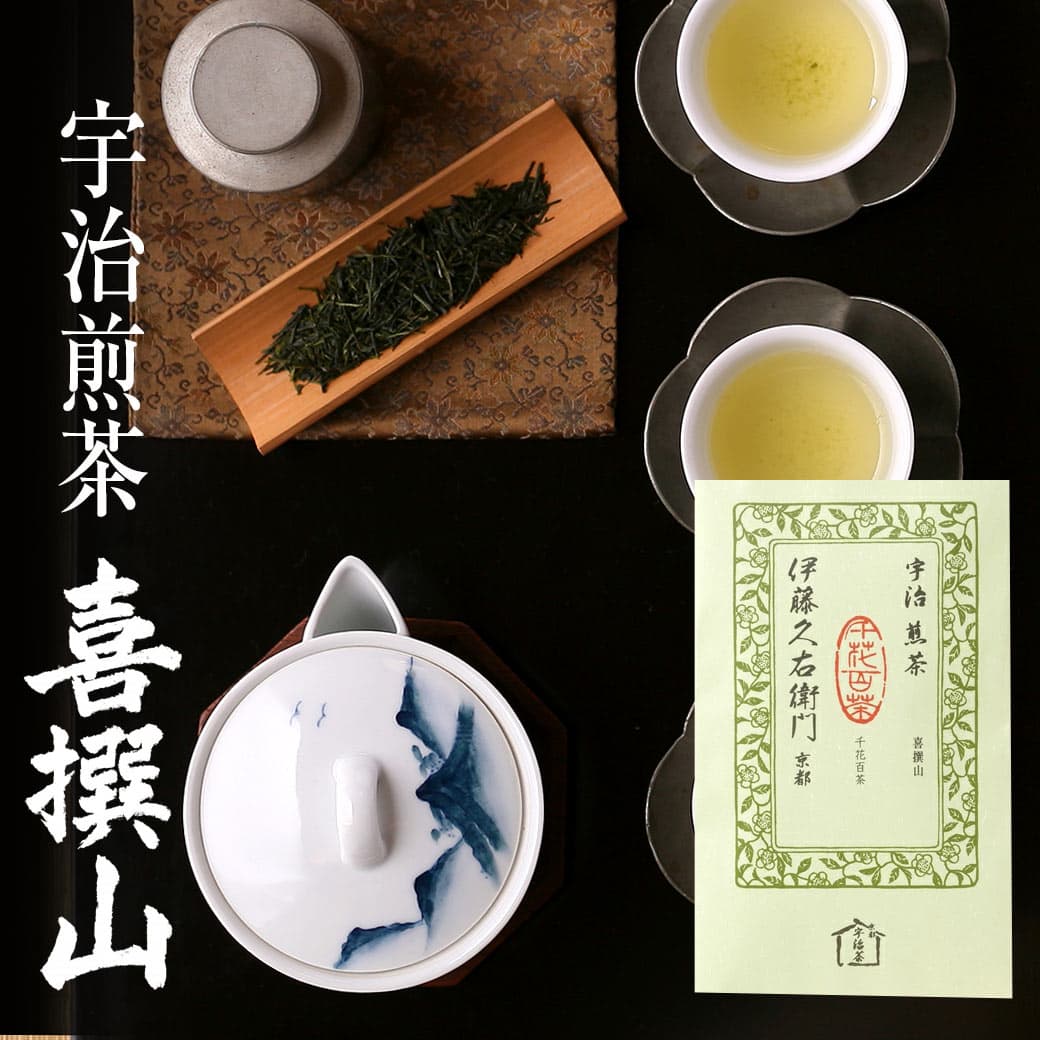
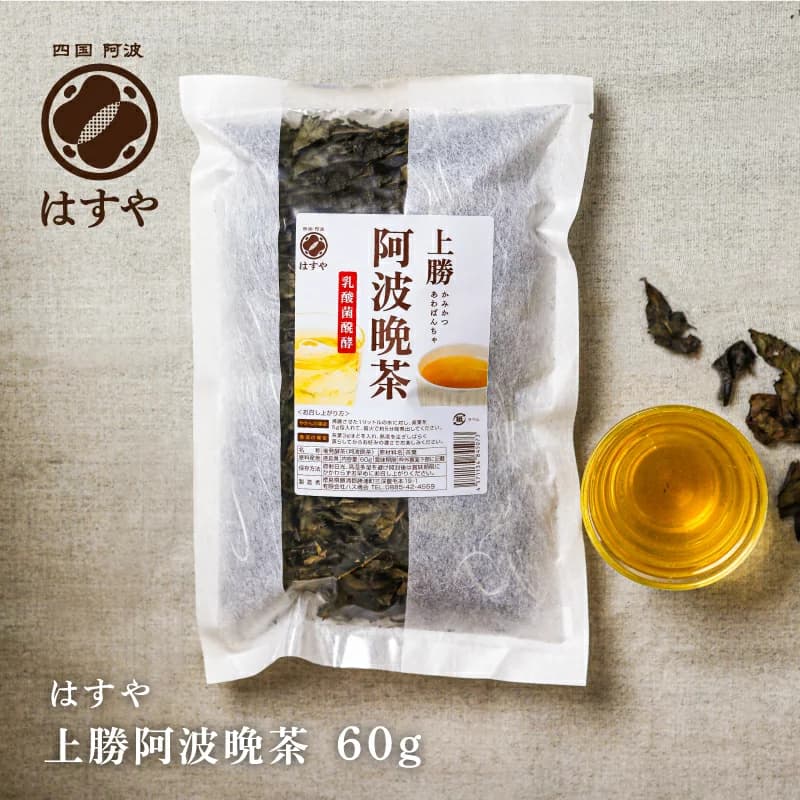
Not every household will get through a box of sweets. For elders, people who watch their diet, or small households, regional tea is the safest choice: shelf-stable, light and long-lasting, with teabag packs that are easy to share within a family. Seasonings work the same way. A good soy sauce, a pack of dashi or a tub of miso gets used at the table every day, takes no space, and will not be left to expire at the back of a cupboard.
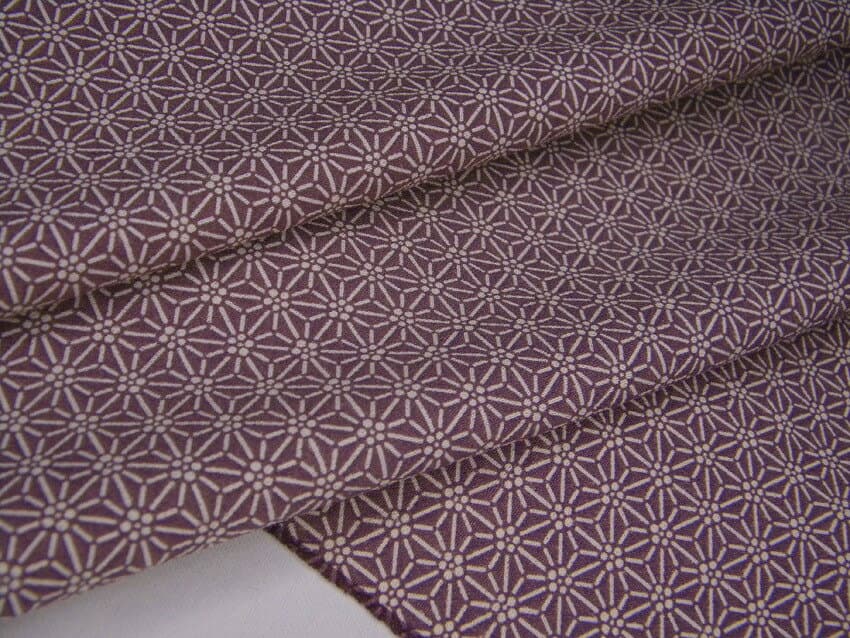
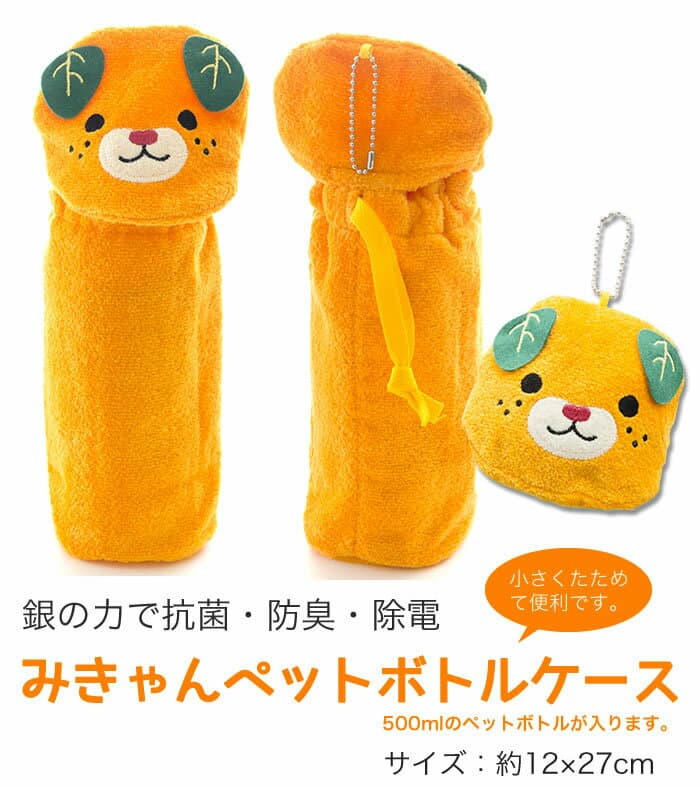
Families, newlyweds and people who have just moved also appreciate household goods they will actually use: a towel set, simple tableware, lacquerware. These do not expire, but choose designs the recipient can use without a second thought, and avoid anything that imposes your own taste. Towels and tableware have long been among the traditional oseibo items in Japan, so they will not look out of place.
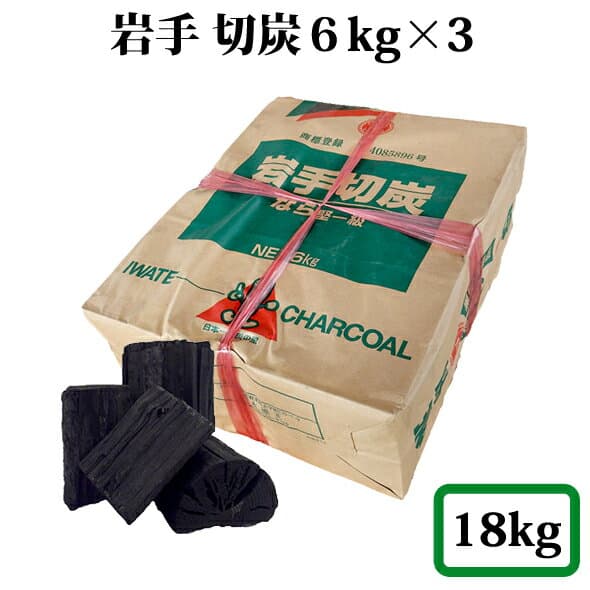
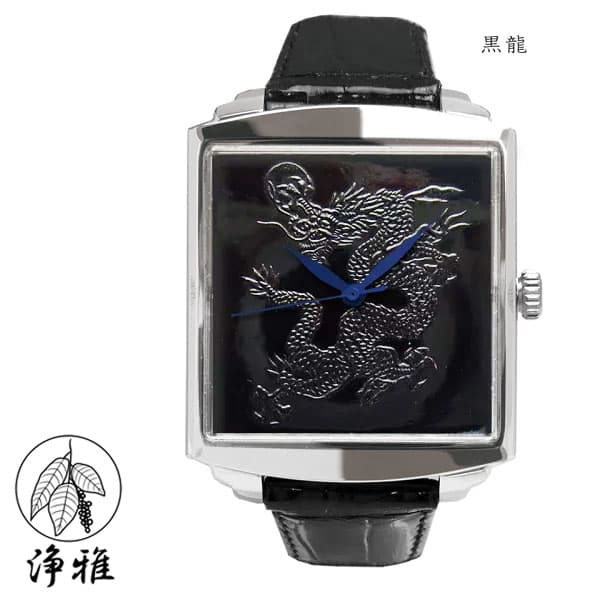
Below are two groups: teabag packs from across the country, and well-presented textiles, tableware and household goods under 5,000 yen.



Noshi, wrapping, and how to fill in a Rakuten order
An oseibo is wrapped with a kakegami, a sheet of paper usually just called noshi paper. The upper center carries the label 御歳暮, and the lower half carries the sender's name: a surname or full name for an individual, the company name plus the person in charge for a business. Between them runs a red-and-white mizuhiki cord tied in a bow, the knot used for happy occasions that may happen again. Online shops have all of this ready; you only choose the label and type your name.
Paper placed under the outer wrapping is called uchi-noshi; paper on top is soto-noshi. A shipped oseibo usually uses uchi-noshi so the paper is not scuffed in transit; soto-noshi is for handing over in person. This is convention, not a rule, and the shop's default is normally fine.
On Rakuten the order usually goes like this: enter the recipient's address as the shipping address (お届け先) and your own as the person ordering (注文者); choose the noshi type 御歳暮 and the name to print (名入れ) in the product options or the cart; tick the delivery date option (お届け日指定); some shops also offer gift wrapping, a short card, and the option to leave out the price slip. Check the shop's dispatch lead time before ordering, since it is usually longer in the year-end rush.
Sending from Taiwan or Hong Kong to someone in Japan
If you are in Taiwan or Hong Kong and want to send oseibo to in-laws, a host family, a business partner, or the landlord or senior who looks after your child in Japan, the easiest route is not an international parcel from home but an order on Rakuten, shipped domestically by the Japanese shop. Food does not have to clear customs, cold-chain and breakage worries disappear, and the noshi paper and delivery date are handled at checkout.
There is one precondition: Rakuten shops ship within Japan, so the recipient must have a Japanese address. You do not need to live in Japan yourself, but whether payment goes through from abroad depends on the account settings and payment method, and shops differ; the checkout step will tell you. If it does not work, asking a trusted friend or relative in Japan to place the order and settling up afterwards is common and perfectly acceptable.
Write the sender's name in kanji; it reads naturally in Japan. A short message or a phone call around the delivery date, saying where the gift comes from and why, is welcome. Timing and budget are the same as for people living in Japan: arrival before December 20, 3,000–5,000 yen, shelf-stable and shareable regional food.
Continue to prefectures
Hokkaido
Hokkaido is a useful starting point for distinctive local specialties.
Kyoto
Kyoto is a useful starting point for distinctive local specialties.
Shizuoka
Shizuoka is a useful starting point for distinctive local specialties.
Ishikawa
Ishikawa is a useful starting point for distinctive local specialties.
Ehime
Ehime is a useful starting point for distinctive local specialties.
Fukuoka
Fukuoka is a useful starting point for distinctive local specialties.
Related buying guides
Gift Guide for Foreign Residents in Japan
Local Japanese gifts for foreign residents shopping for work, friends, seasonal events, or trips home.
Japanese Food Gift Boxes
Regional Japanese food gifts, sweets, tea, and shelf-stable boxes for gifting and trips home.
Japanese Craft Goods Guide
Regional Japanese ceramics, lacquerware, glass, textiles, metalwork, and folk craft goods.
FAQ
If I send only once a year, ochugen or oseibo?
Custom favors oseibo, since it thanks people for the whole year. Sending only at year-end is common and entirely proper; just plan to keep it up next year.
What if I miss December 20?
Do not force a delivery in the last days of the year. If you can visit in the New Year, hand it over as onenga, a New Year gift; if shipping, wait until matsunouchi ends (around January 8) and send it as kanchu-mimai, a midwinter greeting, before early February. Same contents, different wording on the paper.
I received one. Do I need to send something back?
Not required; it is one-directional by design. Thank them within a few days by phone, message or a short note; silence is the only real rudeness. If you want to reciprocate, match the value, or send your own next year in the same season.
Can I send through Rakuten from Taiwan or Hong Kong?
Yes, as long as the recipient has a Japanese address. The shop ships domestically; whether payment goes through from abroad depends on the account and payment method, which the checkout step will show. If not, ask a friend in Japan to place the order.