 3 images
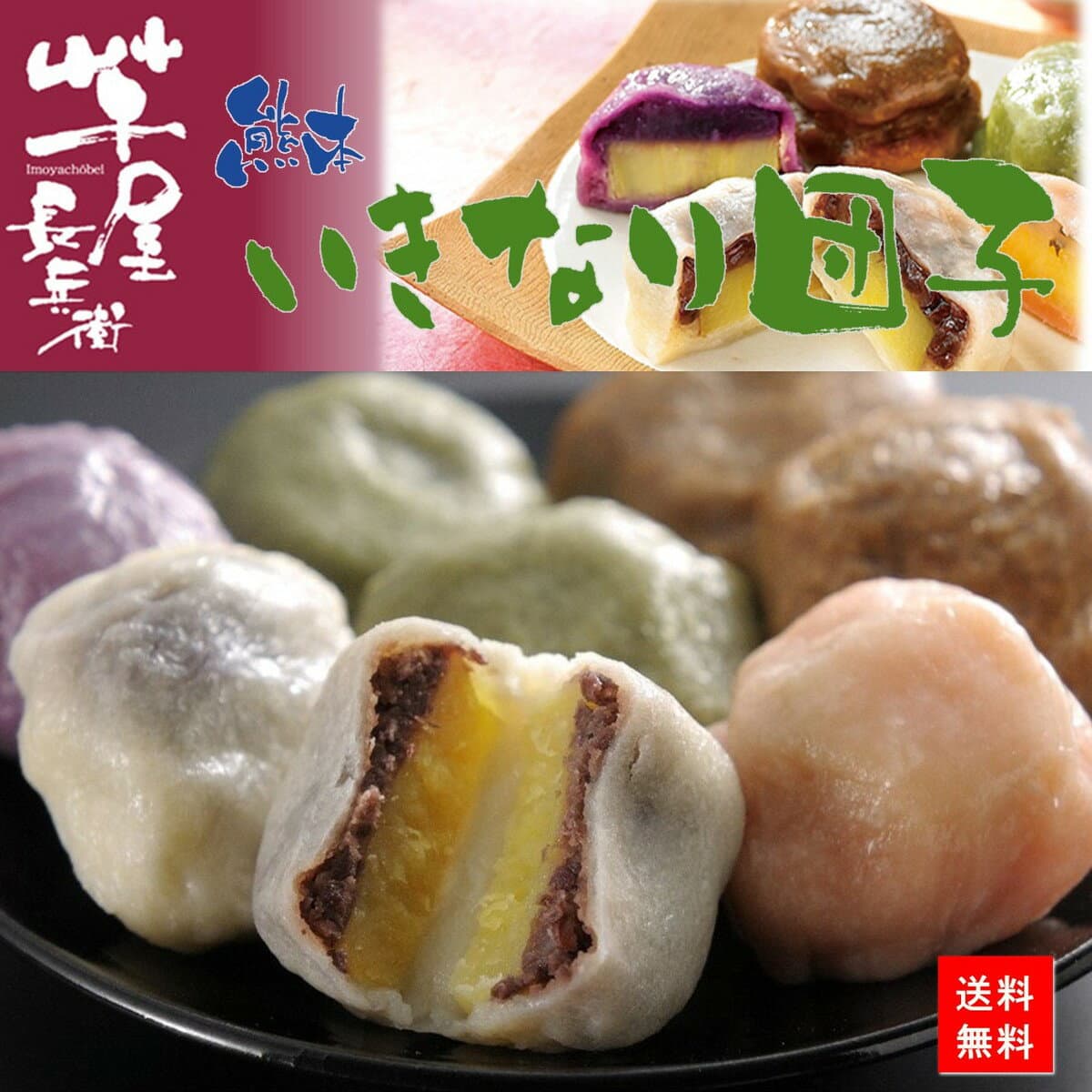
Imoya Chobei Kumamoto Ikinari Dango
芋屋長兵衛 熊本いきなり団子15個 熊本 ご当地 ギフト いきなり団子 お土産
15 piecesグルメアドベンチャー 楽天市場店
4.7 / 20 reviews
Japanese name熊本いきなり団子
Kumamoto ikinari dango begins with a round slice of sweet potato, a thin wheat-flour skin, and red bean paste, then gathers meaning from local speech, Aso foothill fields, and everyday snack time.
Information last updated 120 days ago
3 images芋屋長兵衛 熊本いきなり団子15個 熊本 ご当地 ギフト いきなり団子 お土産
15 piecesグルメアドベンチャー 楽天市場店
4.7 / 20 reviews
 3 images
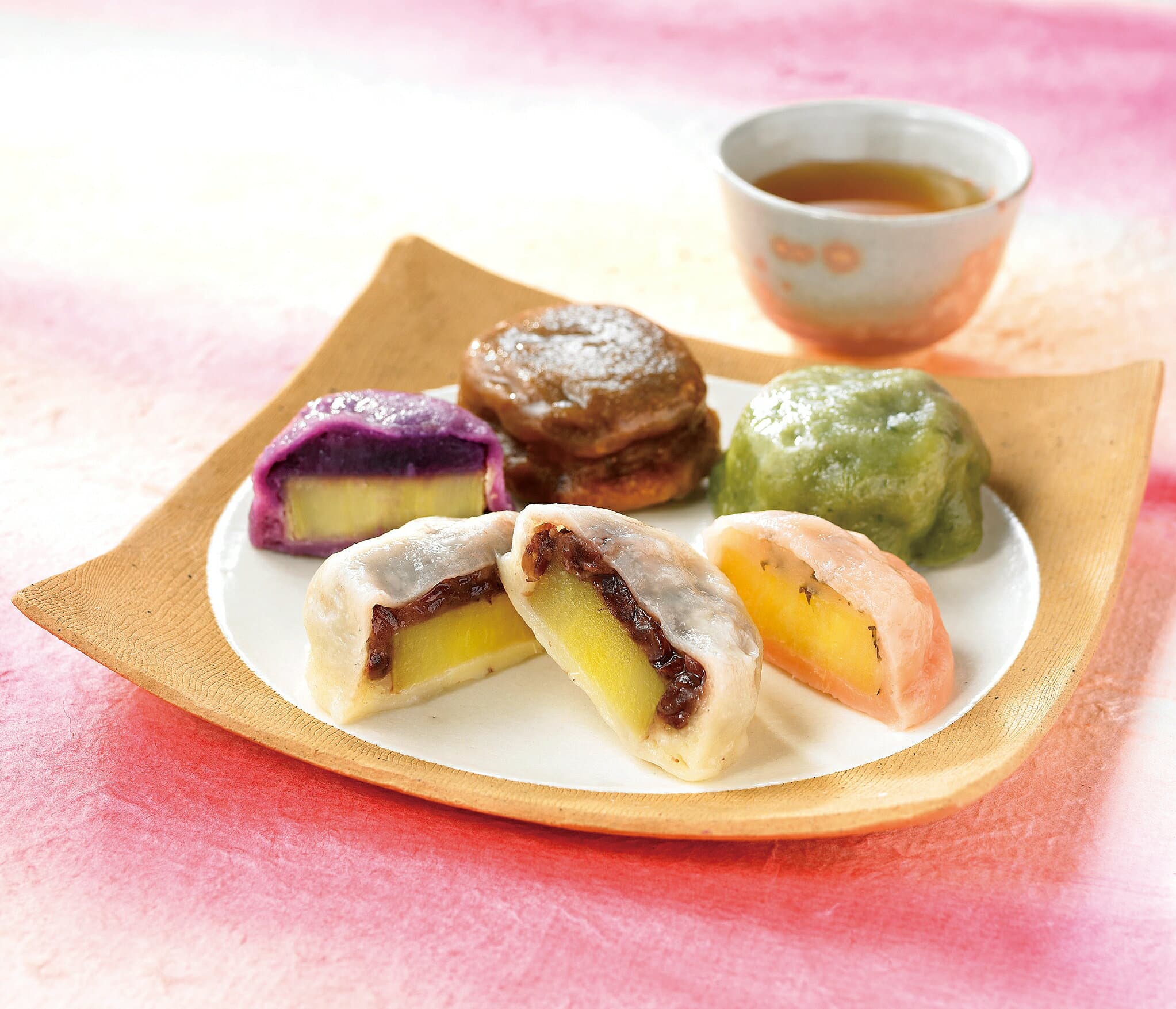
熊本いきなり団子セット 15個/20個【冷凍】熊本銘菓 いきなり団子 通販 お取り寄せ 母の日 敬老の日 ギフト【冷凍】産地直送 芋屋長兵衛 コウヤマ
15 or 20 piecesフロム鹿児島
4.5 / 6 reviews
 3 images
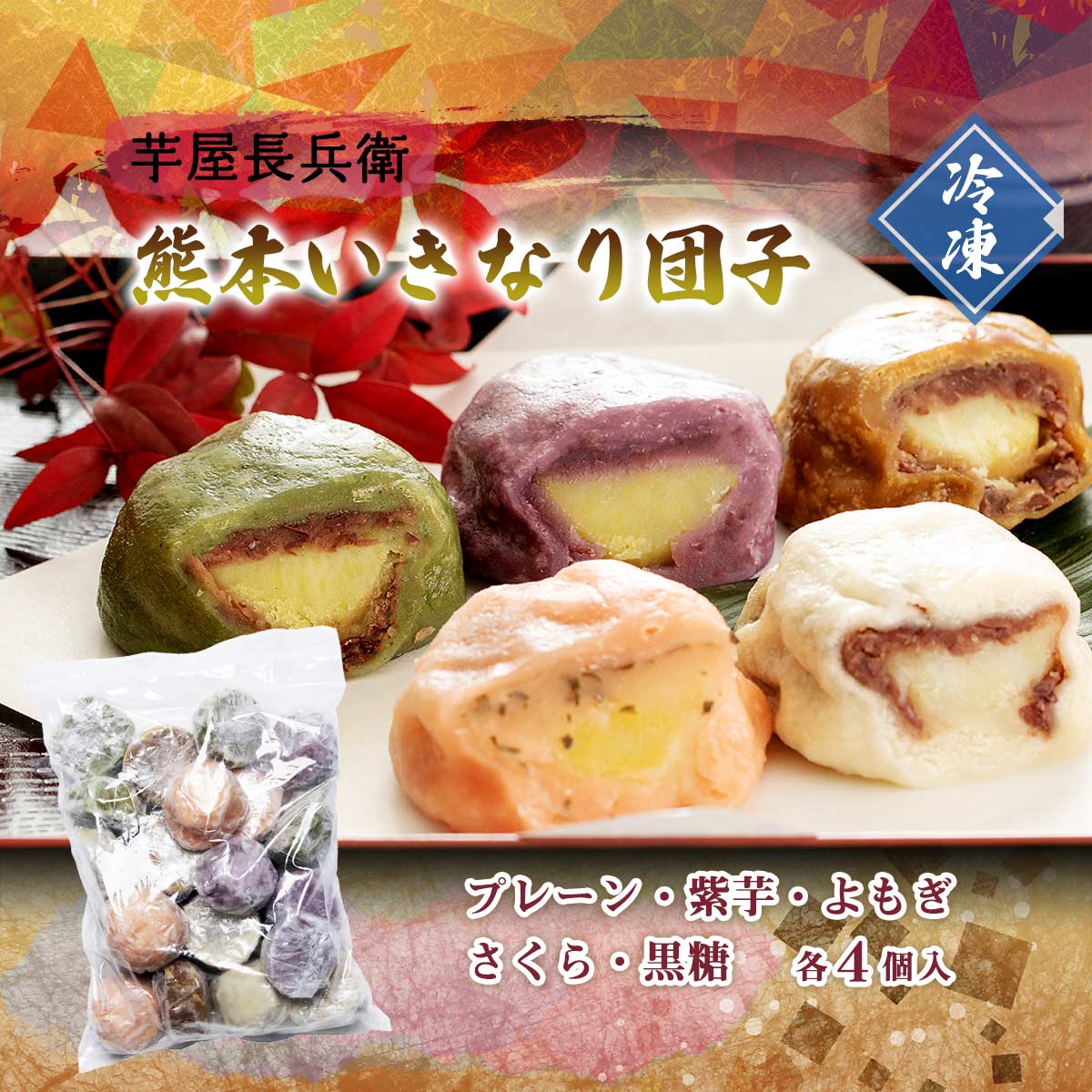
【楽天スーパーセール 10%オフ】 和菓子 [コウヤマ] 熊本いきなり団子80g 5種セット 20個(プレーン、紫芋、よもぎ、黒糖、さくら各4個) /唐芋 さつまいも 昔菓子 まんじゅう 饅頭 だんご 食感 もちもち 熊本名物 銘菓 郷土菓子 お取り寄せ
80g x 20 pieces, 5-flavor setにじデパート楽天市場店
4.8 / 4 reviews
First time buying on Rakuten? How residents in Japan order →
Kumamoto ikinari dango is easy to picture: a round slice of sweet potato, a layer of azuki bean paste, and a thin wheat-flour skin steamed together until the potato turns tender. The cut face shows the structure clearly, and the taste rests on soft sweet potato, bean-paste sweetness, and a lightly salted dough. In Kumamoto dialect, “ikinari” can mean simple, quick, or immediate, so the name fits a snack made from familiar ingredients and served when visitors arrived or farm work paused.
The center of ikinari dango is not hidden: it is a round slice of sweet potato. Kumamoto-style versions wrap that potato, usually with azuki bean paste, in a thin wheat-flour skin before steaming it. MAFF describes a concrete home method: cut the sweet potato into rounds, wrap it with bean paste in dough made with wheat flour and dango flour, then steam for about twenty minutes until the potato is cooked through. The result is a bun-like sweet whose shape comes from the potato itself.
In Kumamoto dialect, “ikinari” carries meanings such as simple, quick, and immediate. That wording matches the way the snack is explained locally: something that can be prepared quickly and offered when a guest appears without much warning. The local pronunciation “ikinari dago” also keeps the name close to everyday speech. The word points to a practical kitchen rhythm built from sweet potato, wheat flour, bean paste, and steam.
The place behind ikinari dango is Kumamoto Prefecture, especially the Kikuchi area, Ozu, and the foothills around Mount Aso. Sweet potato cultivation was active around Ozu and the Aso foothills, where volcanic ash conditions shaped the crop environment. In the Kikuchi and Kumamoto plains, farmers made the snack during autumn work breaks. The regional character here is concrete: sweet potato fields, fall farm work, and a steamed snack eaten between tasks.
Older versions were plainer than the form many people know today. When rice was precious, the wrapper relied on wheat flour, and the original filling centered on sweet potato alone. Over the past several decades, azuki bean paste became the mainstream companion to the potato. That change created the present balance: soft sweet potato, sweet bean paste, and a lightly salted skin that keeps the sweetness from feeling flat.
Ikinari dango still belongs to household cooking, but it also appears in wider everyday settings in Kumamoto. MAFF notes that people make it at home, local cooking classes teach it, and school lunches serve it as dessert. Freshly steamed pieces are eaten hot, and the snack is also associated with children’s tea-time sweets. Specialty shops, wagashi shops, and stalls have carried the same sweet potato-and-dough form into public food life.
The basic structure stays recognizable while makers vary the dough and filling. Yomogi or brown sugar may be mixed into the skin, kinako may be used on the outside, and fillings can include purple sweet potato, chestnut, or walnut. These changes adjust aroma, color, and texture, but the essential form remains a steamed sweet potato slice with bean paste and wheat-flour dough around it.
Kumamoto ikinari dango holds its meaning in plain materials: sweet potato from a local growing landscape, wheat-flour dough, azuki bean paste, and steam. Its name keeps the quickness of Kumamoto speech, while its use connects autumn farm breaks, household kitchens, school lunches, and wagashi counters. The sweet endures through a simple balance of hot potato, soft paste, and a lightly salted skin.
Compiled from public records and official sources; see the recognition links below. Details may change over time.
Where this product is officially registered, designated, or recognized in Japan.
Regional collective trademark
Registered as a Regional Collective Trademark with the Japan Patent Office.
Sources1
It is written as 熊本いきなり団子 in Japanese. Search Rakuten and other Japanese sites with that spelling — the English name will not bring up the listings.
Kumamoto ikinari dango is a steamed local sweet made with a round slice of sweet potato, azuki bean paste, and a thin wheat-flour skin. In Kumamoto dialect, “ikinari” can mean simple, quick, or immediate, matching its quick preparation and guest-serving associations. It is tied to Kikuchi, Ozu, and the Aso foothills through sweet potato cultivation and autumn farm-work snacks.
Older versions of Kumamoto ikinari dango centered on sweet potato, while azuki bean paste became mainstream in recent decades. Kumamoto ikinari dango is nationally known as a Kumamoto souvenir, with many specialty shops. Current use settings include home cooking, local cooking classes, school lunches, specialty shops, wagashi shops, and stalls. Variations include yomogi or brown sugar in the dough, kinako on the outside, and purple sweet potato, chestnut, or walnut in the filling.
It is eaten freshly made while hot, and its mild sweetness is used for tea sweets and children's snacks. Farmers in the Kikuchi and Kumamoto plains often ate it between autumn agricultural tasks in the sweet potato harvest season. Souvenir versions are often frozen and warmed by microwave or steamer.
Storage varies by product — shelf-stable, refrigerated, or frozen — and is stated on the packaging and the Rakuten listing. Shelf-stable processed foods usually need refrigerating once opened and eating within a few days; chilled and frozen items go straight into storage on arrival. Treat the best-before date on the physical packaging as authoritative.
Most options are shelf-stable, boxed, and travel well, so they suit gifting or bringing home. Confirm the final storage and delivery terms on the Rakuten listing.
On Rakuten: the shops listed here right now are グルメアドベンチャー 楽天市場店, フロム鹿児島, にじデパート楽天市場店. We don't sell directly; purchase, payment, stock, and delivery are all handled on the Rakuten product page.