 3 images
京かおり Spicy 京あられ Arare Trial Set
【送料無料】ピリ辛あられお試しセット 3袋 3種詰め合わせ|山椒 あられ おかき せんべい 辛い 硬い シビレ ピリ辛 おつまみ 酒の肴 ギフト プレゼント 手土産 お土産 京都土産 京あられ 京都 京かおり 人気 お取り寄せ 敬老の日 お祝い 鬼あられ 高級感 大人向け
3 bags, 3 flavors京かおり 楽天市場店
4.6 / 10 reviews
Japanese name京あられ
Domestic mochi rice is steamed whole, pounded, rested, cut, dried slowly, and baked until fragrant; Maruyama and Fushimi kakimochi place Kyo-arare inside Kyoto’s rice-confectionery memory.
Information last updated 120 days ago
3 images【送料無料】ピリ辛あられお試しセット 3袋 3種詰め合わせ|山椒 あられ おかき せんべい 辛い 硬い シビレ ピリ辛 おつまみ 酒の肴 ギフト プレゼント 手土産 お土産 京都土産 京あられ 京都 京かおり 人気 お取り寄せ 敬老の日 お祝い 鬼あられ 高級感 大人向け
3 bags, 3 flavors京かおり 楽天市場店
4.6 / 10 reviews
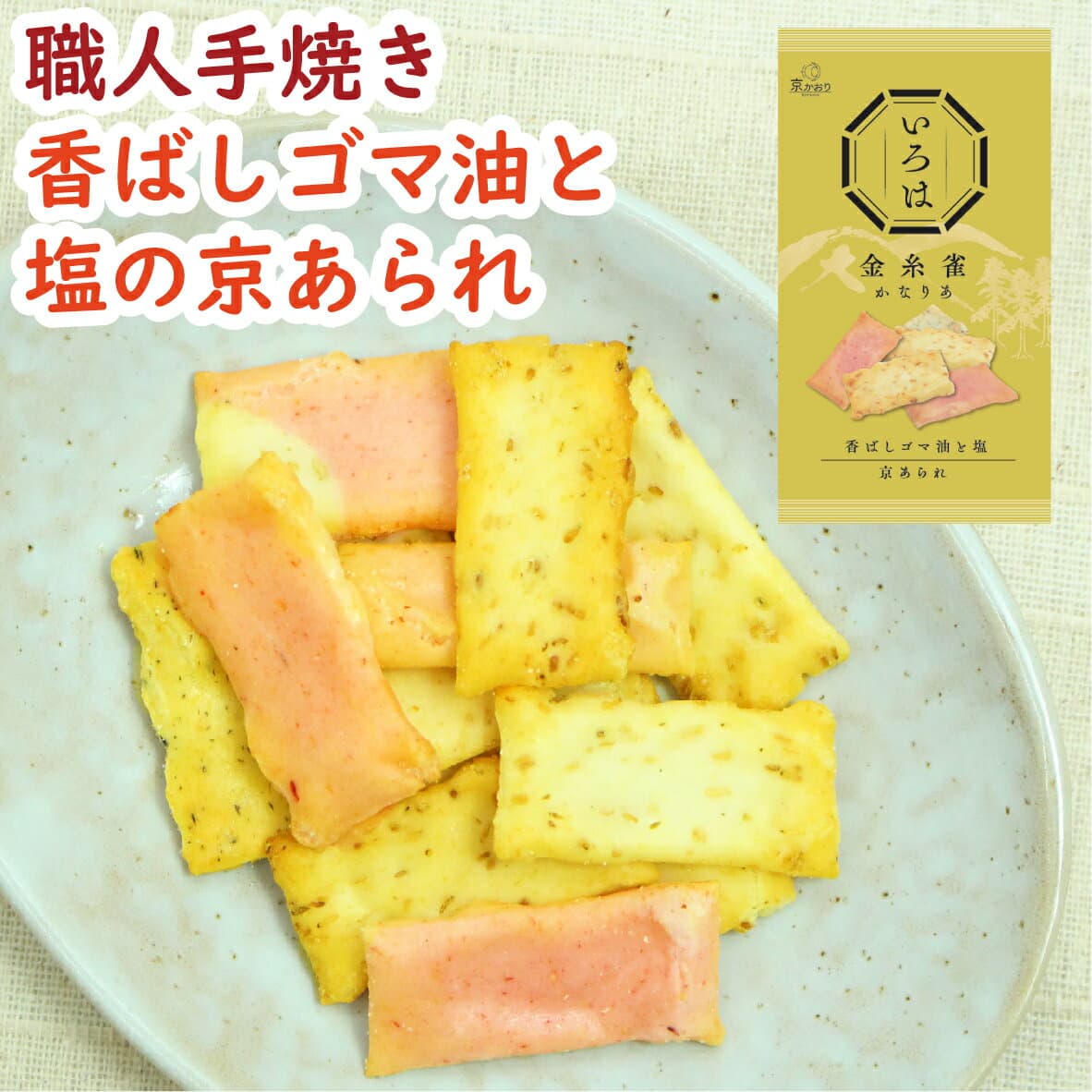 3 images
いろは かなりあ 30g あられ おかき お煎餅 京あられ ごまあられ ごまおかき ごま煎餅 手焼き 食べきり 手軽 小袋 個食 菓子 京菓子 ギフト プチギフト 贈り物 米菓 和菓子 おつまみ お茶請け 手土産 京土産 京都土産 京かおり 京都
30g bag京かおり 楽天市場店
5.0 / 2 reviews
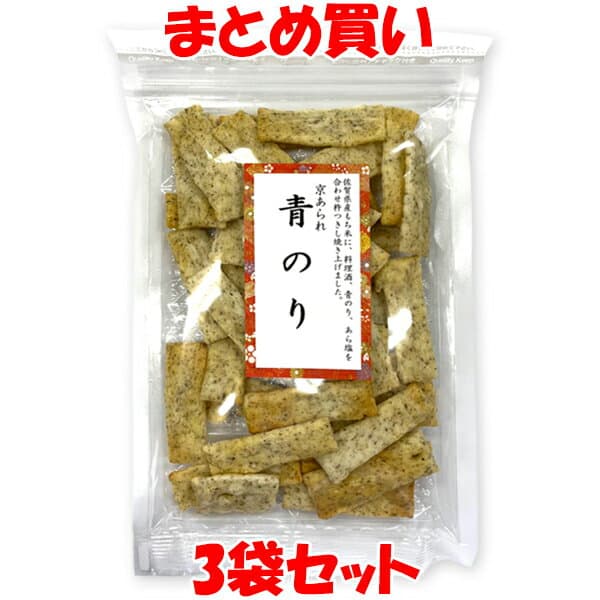 2 images
京あられ 青のり あられ 60g×3袋セット まとめ買い
60g x 3 bags蔵の守 楽天市場店
5.0 / 1 reviews
First time buying on Rakuten? How residents in Japan order →
Kyo-arare begins with domestic rice, especially mochi rice, handled in a way that keeps the grain visible before it becomes mochi. The rice is polished, washed, soaked overnight in cold water, steamed as whole grains, pounded with a mallet, rested for two or three days, cut, dried slowly, and baked until fragrant. Around that process sits a Kyoto map: member workshops in Kyoto Prefecture, a Maruyama kakimochi thread from the Edo period, and preserved kakimochi kept by the Imura family in Fushimi.
Kyo-arare is a specific Kyoto rice-cracker family. The name is tied to Kyoto Rice Confectionery Cooperative members working in Kyoto Prefecture factories, domestic rice, whole-grain steaming, slow natural or low-heat drying, and fragrant baking. The practical boundary is concrete: rice, place, method, and a producer community have to line up before the name fits the food.
Kyo-okaki often appears beside Kyo-arare in Kyoto rice-confectionery use, because the two are described with the same domestic rice, whole-grain steaming, slow drying, and baked aroma. Keeping Kyo-arare at the center, the shared details still matter because they show how Kyoto rice confections define rice flavor through method.
The texture of Kyo-arare starts before the oven, with polishing and washing. Selected domestic mochi rice is polished as white as possible, soaked overnight in cold water, then steamed in a seiro or similar steamer while the grains remain whole. The rice is not first reduced to flour; it passes through steam as visible grains.
After steaming, the rice is pounded with a kine mallet into mochi. That change from grain to mochi sets up the later steps of resting, cutting, drying, and baking. The rice flavor associated with Kyo-arare is anchored in both the material and the early handling of the grain.
Freshly pounded mochi rests for two or three days before it is cut into pieces. The cut mochi is then dried over time; one description gives a period of up to about ten days, while the cooperative boundary emphasizes natural or low-heat drying that does not force the process.
That slow drying shapes the final bite. Kyoto makers are described as controlling the work from rice polishing and washing through baking, with attention to flavor, baked color, and how the pieces puff. Kyo-arare takes shape as moisture leaves the cut mochi and the rice becomes ready for fragrant heat.
The older Kyoto thread leads to Edo-period kakimochi around the area of present-day Maruyama Park. A Ji-shu temple once stood deeper in that area, and kakimochi was said to have been served to travelers there. Maruyama kakimochi associated with Saami is described as a popular Kyoto souvenir of that time.
The scene gives Kyo-arare concrete bearings: travelers, a temple setting, cut and dried mochi, and a rice snack that could leave Kyoto as a local keepsake. Its importance comes from the named place and practice, where movement through the city meets a food made from dried mochi.
In Fushimi, the Imura family preserved kakimochi said to have been made in Bunsei 9, or 1826. The kakimochi was kept deep in a Buddhist room as emergency food against famine or war. It was wrapped in three layers of old Tosa paper, with writing on the package noting a New Year’s Day sealing.
When opened, the pieces were described as strips about five centimeters long and three centimeters wide, amber in color, still holding their shape and free of mold. As one Fushimi household example, it gives dried mochi a precise place in Kyoto family memory: food made, wrapped, kept, and later baked.
In 1972, an elder of the Kyoto Rice Confectionery Cooperative reproduced the Imura family kakimochi process. The reproduction used well water, soaked mochi rice, pounding, cutting, drying, and long storage. It was opened in 2000, after twenty-eight years, and was described as still carrying a fragrant smell when tasted.
Those years and actions give the preservation example a human scale: drawing water, soaking rice, pounding mochi, cutting pieces, drying them, and waiting. Around Kyo-arare, the kakimochi thread becomes a sequence of hands, tools, water, and time.
As of 2024, the Kyoto Rice Confectionery Cooperative listed sixteen member companies. The companies spread across Kyoto City wards including Sakyo, Nakagyo, Ukyo, Shimogyo, Minami, Fushimi, and Yamashina, and also reach Kyoto Prefecture locations such as Kameoka, Kuse-gun, and Nantan.
The name rests on a network of Kyoto makers. Across those workshops, rice is handled, whole-grain steaming and slow drying stay in view, and the finished cracker is judged by color, puffing, and aroma. The member map gives the small baked piece a visible producer community.
Kyo-arare is most persuasive in its concrete details: domestic mochi rice, whole grains rising in steam, mochi pounded with a mallet, two or three days of resting, slow drying, and the aroma of baking rice. Maruyama kakimochi, the Imura family’s 1826 kakimochi in Fushimi, and the 1972 reproduction opened in 2000 add place and memory to that process. Together they show a Kyoto rice confection shaped by workshops, dried mochi, and the patience of heat and time.
Compiled from public records and official sources; see the recognition links below. Details may change over time.
Where this product is officially registered, designated, or recognized in Japan.
Regional collective trademark
Registered as a Regional Collective Trademark with the Japan Patent Office.
Sources1
It is written as 京あられ in Japanese. Search Rakuten and other Japanese sites with that spelling — the English name will not bring up the listings.
Kyo arare is a Kyoto rice-cracker family tied to Kyoto Rice Confectionery Cooperative members, Kyoto Prefecture workshops, domestic rice, whole-grain steaming, slow drying, and fragrant baking. Its process centers on domestic mochi rice that is polished, washed, soaked overnight, steamed whole, pounded into mochi, rested, cut, dried, and baked. Maruyama kakimochi, the Imura family’s 1826 kakimochi in Fushimi, and a 1972 reproduction opened in 2000 provide concrete Kyoto memory around dried mochi.
The Kyoto food-industry association describes Kyo-okaki and Kyo-arare as Kyoto rice confections made with domestic mochi rice, whole-grain steaming, slow drying, and fragrant baking. The core process includes polishing and washing rice, soaking it overnight in cold water, steaming whole grains, pounding with a mallet, resting for two or three days, cutting, drying up to about ten days, and baking. An Edo-period Maruyama-area kakimochi account, especially Maruyama kakimochi associated with Saami, is presented as one root of Kyo-okaki and Kyo-arare. The Imura family kakimochi in Fushimi is described as made in Bunsei 9, or 1826, preserved as emergency food and wrapped in three layers of old Tosa paper.
It is framed as an everyday tea snack or a small Kyoto gift. The cooperative defines when products may display the Kyo-arare name: member production in Kyoto Prefecture factories, domestic rice, round-grain steaming, slow drying, and fragrant baking. Tasting can focus on how domestic mochi rice, whole-grain steaming, slow drying, and baking are intended to bring out the rice’s own flavor.
Storage varies by product — shelf-stable, refrigerated, or frozen — and is stated on the packaging and the Rakuten listing. Shelf-stable processed foods usually need refrigerating once opened and eating within a few days; chilled and frozen items go straight into storage on arrival. Treat the best-before date on the physical packaging as authoritative.
Most options are shelf-stable, boxed, and travel well, so they suit gifting or bringing home. Confirm the final storage and delivery terms on the Rakuten listing.
On Rakuten: the shops listed here right now are 京かおり 楽天市場店, 蔵の守 楽天市場店. We don't sell directly; purchase, payment, stock, and delivery are all handled on the Rakuten product page.