 3 images
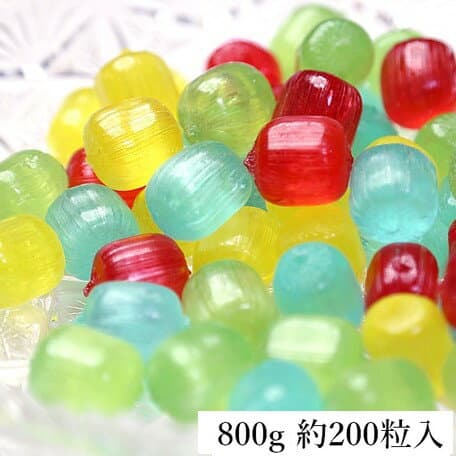
Kyoame Individually Wrapped Candy Pack
キャンディ 京飴パック【業務用飴】【送料無料】個包装 お菓子 大量
800g, individually wrapped京の飴工房 岩井製菓
4.8 / 1654 reviews
Japanese name京飴
Made in Kyoto and rooted in aruheito sugar-confectionery technique, Kyo-ame gains its shine from high-temperature boiling and keeps moving through Kyoto confectionery makers and event collaborations.
Information last updated 120 days ago
3 imagesキャンディ 京飴パック【業務用飴】【送料無料】個包装 お菓子 大量
800g, individually wrapped京の飴工房 岩井製菓
4.8 / 1654 reviews
 3 images
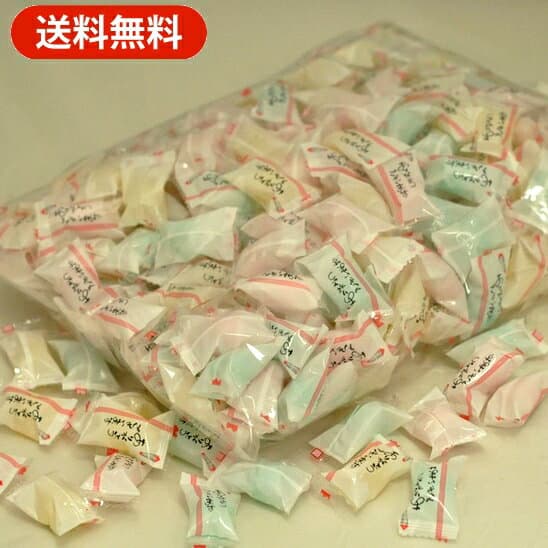
業務用京飴お得パック★メッセージ入り「ありがとう」キャンディ☆苺ミルク・レモン・サイダー 800gパック【送料無料】個包装☆レビュー書き込みで次回あめプレゼント
800g pack (about 200 pieces)京の飴工房 岩井製菓
4.7 / 263 reviews
3 imagesお試し用京飴パック【業務用飴】【送料無料】個包装 お菓子 大量☆レビュー書き込みで次回あめプレゼント
800g, individually wrapped京の飴工房 岩井製菓
4.8 / 151 reviews
First time buying on Rakuten? How residents in Japan order →
Kyo-ame begins with a clear place boundary: candy made in Kyoto. Its technique carries aruheito sugar confectionery that came through Nanban contact and is adapted through Kyoto-specific candy making; high-temperature boiling gives the candy a distinct gloss and a clean finish even with a high sugar ratio.
Kyo-ame is defined by Kyoto production. The Kyoto Prefecture Confectionery Industry Cooperative manages the name alongside Kyoto confectionery brands such as Kyo-gashi and Kyo-senbei, and the cooperative is based at Kyoto Keizai Center in Shimogyo Ward, Kyoto.
That frame keeps the candy grounded in place instead of turning it into a single-shop origin tale. The clearest starting points are Kyoto as the production area, aruheito-derived technique, and a confectionery community that keeps the name connected to local making.
Kyo-ame carries techniques from aruheito sugar confectionery, described as having arrived through Nanban contact, and is made with Kyoto-specific methods. When the continuity of the candy is described carefully, it rests on visible making: candy boiled at high temperature and shaped through decorative candywork.
The supported continuity is technical rather than a dated founding legend. From aruheito to Kyo-ame, the secure details are technique, Kyoto production, and the way confectioners work the candy, not an unsupported claim about the first maker.
The most concrete sensory cue in Kyo-ame is the gloss formed by high-temperature boiling. Although the candy has a high sugar ratio, its finish is described as light and clean, giving the family three anchored traits: heat, shine, and a restrained sweetness at the end.
The same production context includes decorative techniques and the use of local products in new items. Those details move the candy from process into sight and taste: the brightness of boiled sugar, the visual work of candy shaping, and Kyoto ingredients brought into the confectionery field.
The Kyoto Prefecture Confectionery Industry Cooperative was established in Showa 45 and is composed of 14 associations and individual members. It holds technical seminars and business seminars for members and handles work connected with the national confectionery skills examination.
Placed beside Kyo-ame, those activities make the people behind the candy visible. The name is attached not only to finished sweets, but also to a Kyoto organization, training sessions, skills examination work, and brand stewardship around Kyoto confectionery.
A recent concrete scene is Kyo-ame Ryukoku-dama, developed in connection with Kyoto Marathon 2024. Students in Ryukoku University’s sports science course worked with Imanishi Confectionery on the candy, placing Kyoto candy technique in a sports-event setting.
This example should not be read as the ingredient standard for all Kyo-ame, but it shows one current use. Natural honey and citric acid were combined for a honey-lemon flavor, while a Kintaro-ame piece carrying the Ryukoku University logo used apple flavor. In that setting, Kyo-ame kept its Kyoto candy outline while meeting a runner’s moment of refreshment.
Kyo-ame is strongest when seen through concrete details: candy made in Kyoto, aruheito-derived technique, high-temperature boiling, gloss, and a clean finish. The Kyoto Prefecture Confectionery Industry Cooperative gives the maker community a place for seminars, skills work, and brand stewardship, while the Ryukoku University and Kyoto Marathon example brings honey, citric acid, and logo-pattern candy into a present-day use.
Compiled from public records and official sources; see the recognition links below. Details may change over time.
Where this product is officially registered, designated, or recognized in Japan.
Regional collective trademark
Registered as a Regional Collective Trademark with the Japan Patent Office.
Sources1
It is written as 京飴 in Japanese. Search Rakuten and other Japanese sites with that spelling — the English name will not bring up the listings.
Kyo candy (Kyo-ame) is candy made in Kyoto and a Kyoto regional confectionery brand, shaped by aruheito-derived technique and Kyoto-specific candy making. High-temperature boiling gives it a distinct gloss and a clean finish despite a high sugar ratio.
Kyo-ame carries aruheito sugar-confectionery technique that came through Nanban contact. The Kyoto Prefecture Confectionery Industry Cooperative manages Kyo-ame and carries out member technical seminars and confectionery skills-exam work. The Kyoto Prefecture Confectionery Industry Cooperative is a Kyoto confectionery body made up of 14 associations and individual members, and also holds business seminars and brand management work. The Ryukoku University and Kyoto Marathon 2024 Kyo-ame collaboration used natural honey, citric acid, honey-lemon flavor, apple flavor, and Kintaro-ame logo work.
京飴 龍谷玉 was developed for sports and refreshment contexts. It is found among Kyoto confectionery and regional gifts.
Storage varies by product — shelf-stable, refrigerated, or frozen — and is stated on the packaging and the Rakuten listing. Shelf-stable processed foods usually need refrigerating once opened and eating within a few days; chilled and frozen items go straight into storage on arrival. Treat the best-before date on the physical packaging as authoritative.
Most options are shelf-stable, boxed, and travel well, so they suit gifting or bringing home. Confirm the final storage and delivery terms on the Rakuten listing.
On Rakuten: the shops listed here right now are 京の飴工房 岩井製菓. We don't sell directly; purchase, payment, stock, and delivery are all handled on the Rakuten product page.