Japanese miso and soy sauce by region: white, red and bean miso, and where each is made
Type before region: white miso is sweet and short-aged, red is salty and long-aged, bean miso is soybeans and salt only.
Sort out the koji first, then the colour and the salt
Miso has three ingredients: soybeans, koji and salt. Koji is the mould culture grown on a grain, and the grain names the miso: on rice it makes rice miso, on barley it makes barley miso, and grown directly on soybeans it makes bean miso. Rice miso is made all over the country, barley miso is made mostly in Kyushu, and bean miso is concentrated around Aichi.
Colour and taste follow from the share of rice koji, the salt and the length of ageing. Plenty of rice koji, little salt and a short maturation give a sweet white miso; a higher share of soybeans, more salt and a long maturation darken the paste from golden yamabuki to red-brown, and that is red miso. The Japanese word karakuchi describes a salty rather than sweet taste, not heat. Bean miso uses no rice koji at all, only soybeans and salt, and is long-aged and tastes concentrated.
Soy sauce and vinegar are two further products. Soy sauce starts with koji made from soybeans, wheat and salt; brine turns it into moromi, which ferments and matures before it is pressed and heated. Koikuchi is the everyday dark style, usukuchi is paler, umakuchi carries a touch of sweetness, and kombu soy sauce has kelp in it. Vinegar goes by its raw material, rice or sugarcane, and this page ends with one Okinawan bottle that is strictly not a vinegar at all.
Sweet miso: heavy on rice koji, light on salt, aged briefly
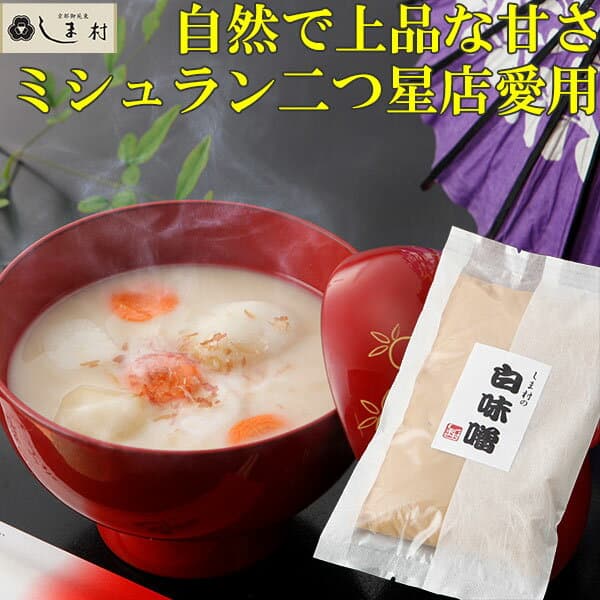
Kyo miso is represented by Saikyo miso: a low-salt, high-rice-koji sweet white miso made in Kyoto Prefecture by members of the Kyoto Prefecture Miso Industrial Cooperative, from approved raw materials and put through quality review. With abundant rice koji, little salt and a short maturation, the quality of the ingredients and the state of the koji come through directly in the taste. It belongs with court cuisine, tea kaiseki and Zen temple shojin cuisine, and the name Saikyo comes from Kyoto being called the western capital in relation to Tokyo after the Meiji Restoration.
Sanuki white miso is Kagawa's version: smooth, translucent, cream-coloured, low in salt and clearly sweet. Rice for the koji is twice the amount of soybeans; the soybeans are hulled, soaked for at least eight hours and brought to a boil from cold water with at least two changes of water; fermentation and maturation finish within seven days, and the paste is ground to a cream. It is the base of Kagawa's white-miso zoni, and four makers produce it today.
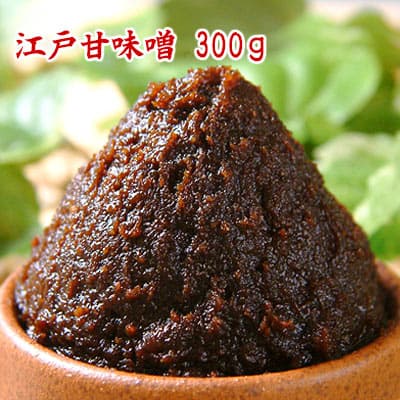
Sweet miso is not always white. Edo sweet miso is Tokyo-made sweet miso with a glossy brown colour, aroma from deeply steamed soybeans and sweetness from the koji, smooth and thick on the tongue; its defining step is tomegama, a three-day steaming of the soybeans without pressure.
Red and long-aged rice miso: Sendai, Aizu, Echigo and Kaga
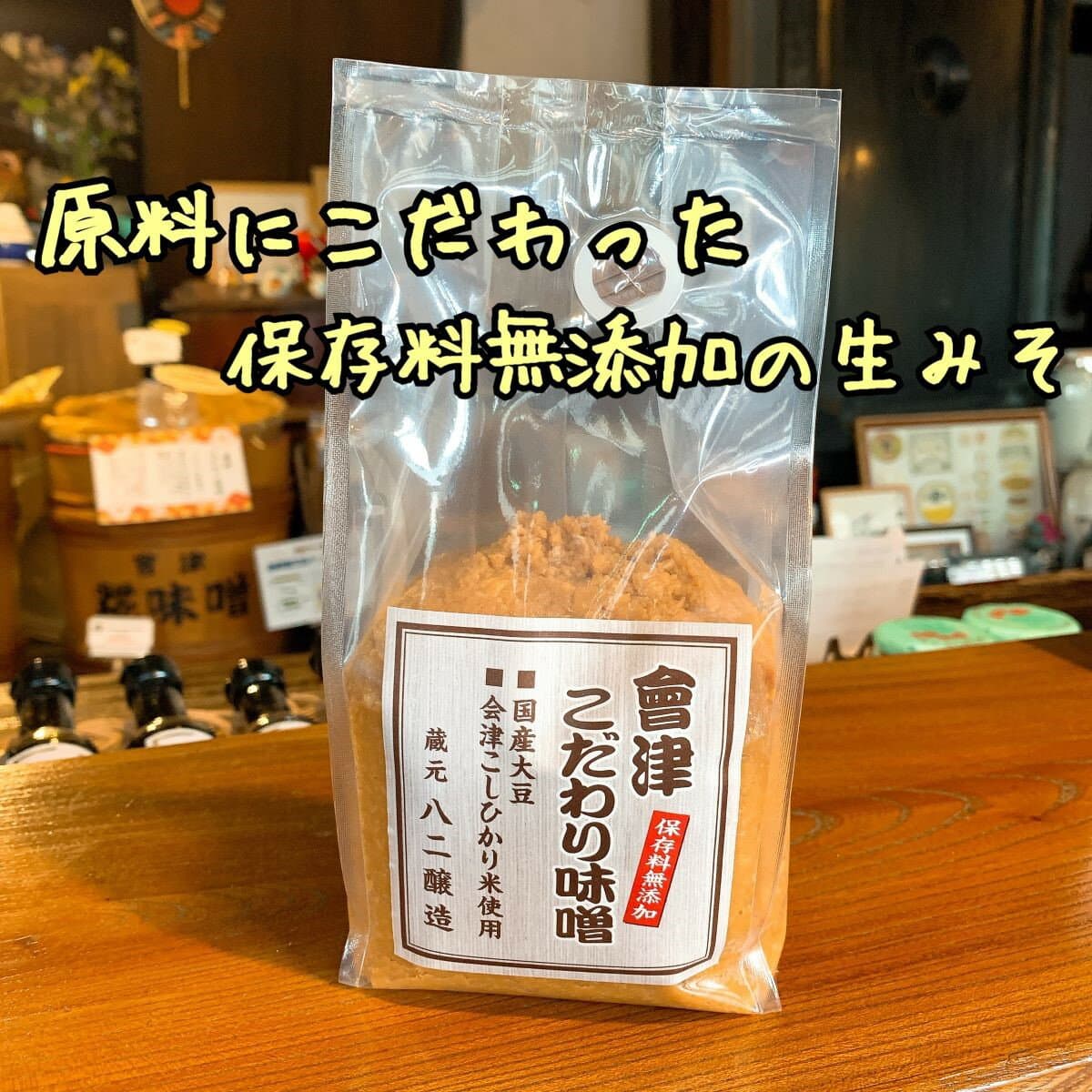
Sendai miso is Miyagi's rice miso: a high share of soybeans, long ageing, a dark yamabuki colour with a sheen, saltiness from karakuchi to medium, and the umami and aroma typical of red miso. Its history is told through Date Masamune's military provisions, and in the Edo period the Sendai domain also brewed miso at its Oi residence. Aizu miso is the representative red karakuchi miso of Fukushima, with more than three hundred years behind it and an aroma and richness tied to the Aizu climate.
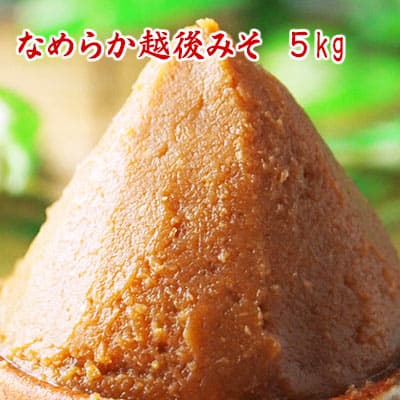
Echigo miso has four profiles inside Niigata alone. In Joetsu the miso soup carries floating koji, pieces that rise to the surface once the rice-koji sweetness has dissolved; Chuetsu and Kaetsu balance soybean depth against rice-koji sweetness for a clean taste; Sado ferments deeper in the barrel, darker red and distinctive in aroma. Behind all of them are Niigata's abundant rice and soybeans, moderate cold from winter into early spring, and the half-boiled, half-steamed soybean method that keeps both colour and soybean flavour.
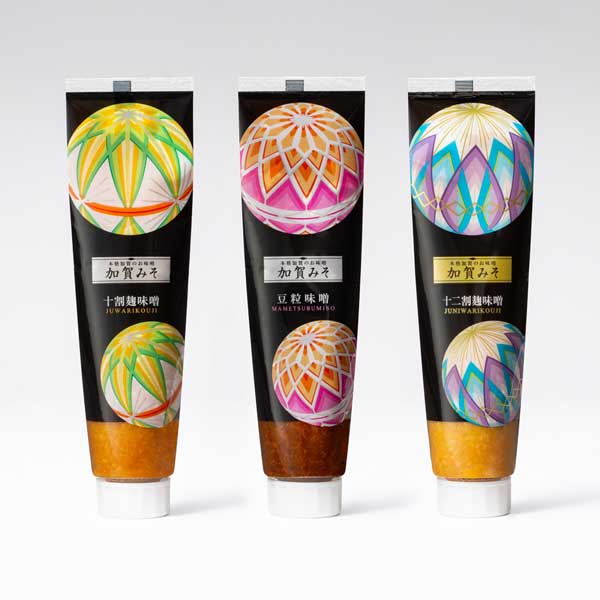
Kaga miso, centred on Kanazawa, uses abundant rice koji and long maturation for dense umami and body. The older style was yamabuki-coloured, slightly salty and rice-sweet; today's is often brighter and softer, with the rivers running off Mount Hakusan and the grain country they water behind it.
Bean miso, and miso you eat as it is: Hatcho and Kishu kinzanji
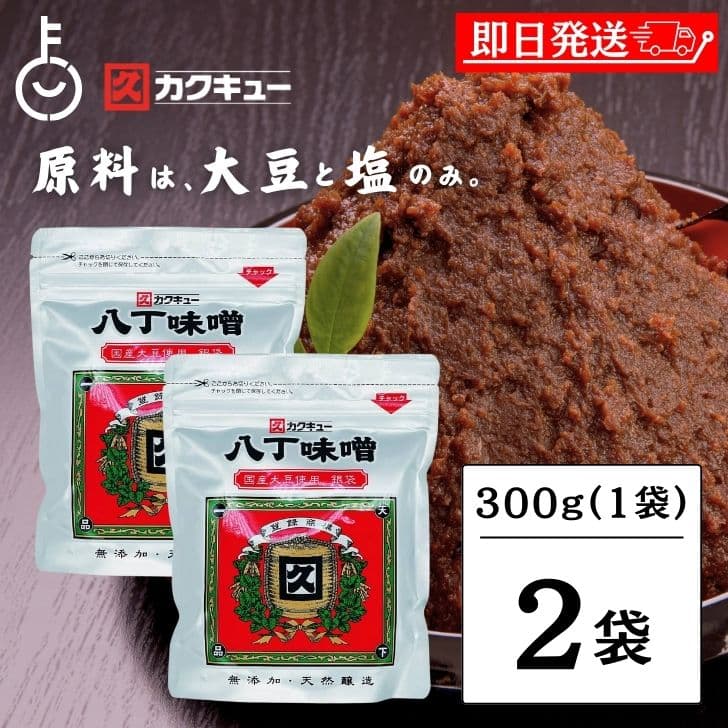
Hatcho miso is the bean miso of Okazaki in Aichi. The name comes from the former Hatcho village, eight cho or roughly 870 metres west of Okazaki Castle, where the makers Kakukyu and Maruya have worked since the early Edo period. The ingredients are soybeans and salt only, with koji grown on the soybeans themselves. The mash is packed into wooden vats, the air pressed out and natural river stones stacked on top as weights, and it matures naturally for two summers and two winters, at least two years. Long ageing and low moisture give it dense umami and a slight astringency, and miso-nikomi udon and dengaku depend on it.
Kishu kinzanji miso follows a different logic: an okazu miso made in Wakayama to be eaten straight with rice, not for soup. Rice, barley or naked barley, and soybeans are all turned into koji, then mixed with white gourd or makuwa melon, eggplant, ginger and shiso and matured for several months. Its origin story runs through the Zen monk Kakushin and Kokoku-ji temple in Yura in the Kamakura period, and production grew around Yuasa and Gobo in the Edo period.
Soy sauce and vinegar: Ono, Habomai, Kagoshima and Okinawa
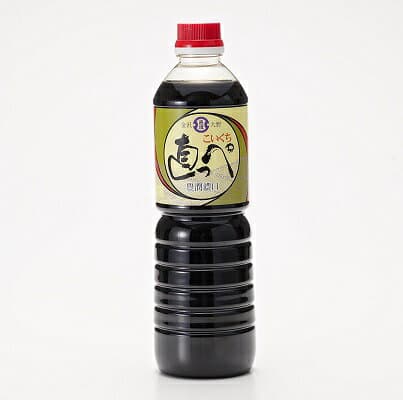
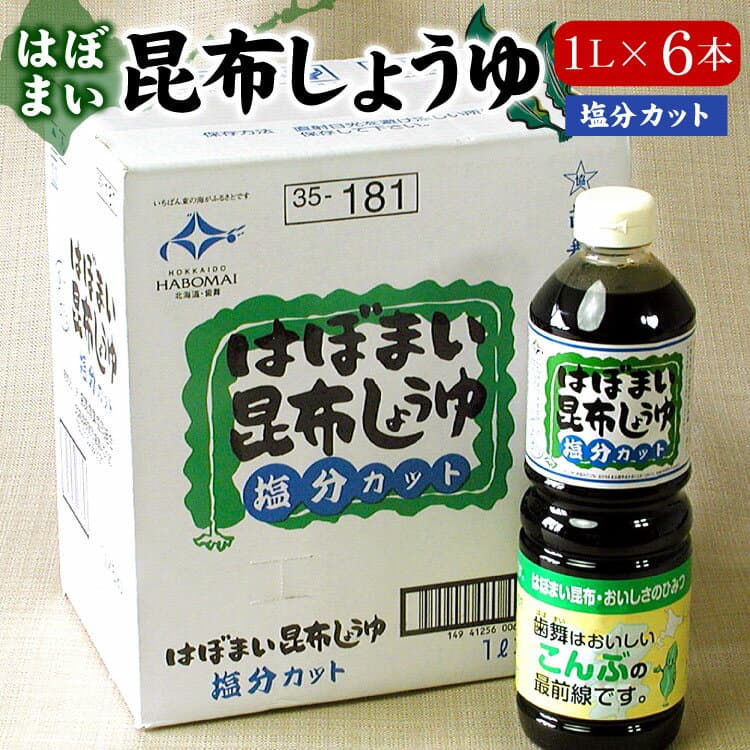
Ono soy sauce comes from the Sea of Japan port district of Ono in Kanazawa. The port once sat on the Kitamae-bune shipping routes, and wheat, soybeans, Noto salt, Hakusan spring water and a humid climate supported the brewing. It is an umakuchi soy sauce, moderately sweet and mellow, relatively pale within the koikuchi family; koji making takes about forty-three hours and the moromi matures for about six months. Habomai kombu soy sauce takes another route: the Habomai Fisheries Cooperative in Nemuro makes it with kelp harvested in Habomai, and it has been on sale for more than thirty years.
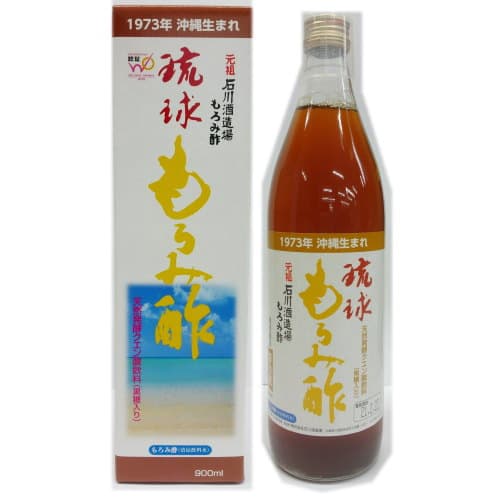
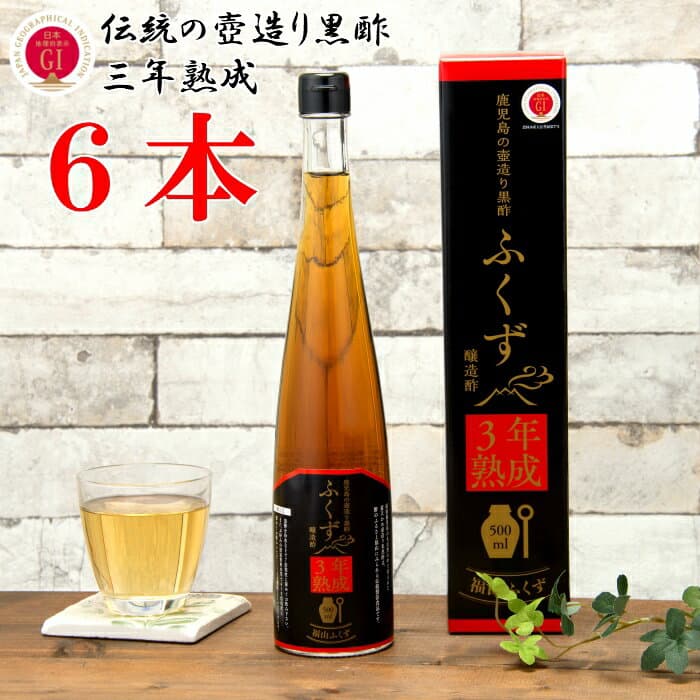
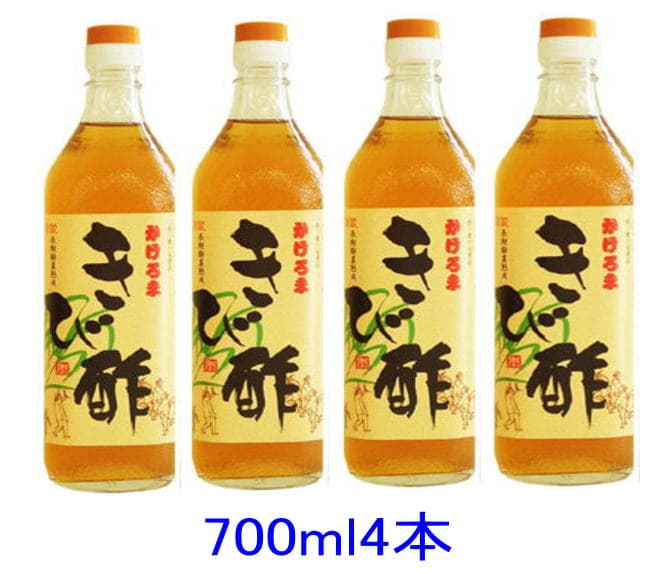
The vinegars sit in the south. Kagoshima pot-brewed black vinegar, from Fukuyama and Hayato in Kirishima, is made by putting rice koji, steamed rice and water into ceramic jars lined up outdoors and scattering dried furi-koji on the surface; saccharification, alcoholic fermentation and acetic fermentation all happen in the same jar, with at least six months of fermentation and six of maturation, during which the vinegar darkens from amber to deep brown and the acidity turns mellow. Kakeroma kibisu vinegar is a sugarcane vinegar from Kakeroma Island, south of Amami Oshima: cane juice is heated, adjusted with natural water and left to ferment naturally, then aged for two to three years in the JA method, and islanders are said to have made it at home more than four hundred years ago. Ryukyu moromi vinegar is strictly not a vinegar: it is the pressed and filtered liquid from awamori lees left after distillation; its sourness comes mainly from citric acid rather than acetic acid, and it is drunk as it is or used as a seasoning.
How to choose, and what to check before ordering
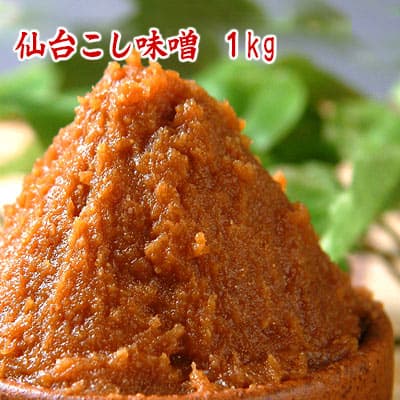
Start from the use. For soup and everyday simmering, choose a rice miso: Kyo miso in its Saikyo form or Sanuki white miso if you like it sweet, a long-aged miso like Sendai, Aizu, Echigo or Kaga if you want salt and depth. For nikomi dishes and dengaku that need weight, a bean miso like Hatcho is the one. Kishu kinzanji miso is not for soup at all; it goes straight onto rice. With soy sauce, a sweet-leaning umakuchi like Ono suits sashimi and cold tofu, while kombu soy sauce tends to work as a base for broths and sauces; Habomai's kombu happo tsuyu is built on it.
Four things are worth checking before ordering. The ingredient list: the simplest miso is soybeans, rice or barley, and salt, and bean miso is soybeans and salt alone, so see what else has been added. The ageing and method on the label, because words like long-aged, naturally brewed and wooden vat are reflected directly in the price. The price per 100 g, since packs run from a few hundred grams to a kilo. And storage: a low-salt white miso does not keep the way a long-aged red one does, so refrigerate it after opening and watch the best-before date, and keep opened soy sauce away from light.


Selected automatically by category and price. Confirm individual wrapping, piece count, and best-before dates on the Rakuten listing.
Continue to prefectures
Ishikawa
Ishikawa is a useful starting point for distinctive local specialties.
Kagoshima
Kagoshima is a useful starting point for distinctive local specialties.
Hokkaido
Hokkaido is a useful starting point for distinctive local specialties.
Miyagi
Miyagi is a useful starting point for distinctive local specialties.
Aichi
Aichi is a useful starting point for distinctive local specialties.
Kyoto
Kyoto is a useful starting point for distinctive local specialties.
Kagawa
Kagawa is a useful starting point for distinctive local specialties.
Related buying guides
FAQ
What is the difference between white miso and red miso?
The share of rice koji, the salt and the length of ageing. Plenty of rice koji, little salt and a short maturation make white miso; Saikyo miso and Sanuki white miso both sit here, and Sanuki's fermentation and maturation finish within seven days. A higher share of soybeans, more salt and long ageing make red miso; Sendai miso is the long-aged, dark yamabuki, karakuchi example. A dark colour does not always mean salty: Edo sweet miso is glossy brown and sweet.
How is bean miso different from ordinary miso?
Ordinary miso uses koji grown on rice or barley; in bean miso the koji is grown on the soybeans themselves, so the ingredients are soybeans and salt only. Hatcho miso is the reference: packed into wooden vats under stacked river stones and matured naturally for two summers and two winters, at least two years, it is low in moisture, dense in umami and slightly astringent, made for miso-nikomi udon and dengaku.
How does umakuchi soy sauce differ from koikuchi and usukuchi?
Koikuchi is the everyday all-purpose soy sauce and usukuchi is paler, used where a dish should keep its colour. Umakuchi describes a soy sauce with moderate sweetness and a mellow mouthfeel. Ono soy sauce from Kanazawa is one: relatively pale within the koikuchi family, with about forty-three hours of koji making and about six months of maturation, suited to sashimi, simmered fish and egg over rice.
Why is black vinegar black?
The colour comes from long maturation. Kagoshima pot-brewed black vinegar is made by putting rice koji, steamed rice and water into outdoor ceramic jars, where saccharification, alcoholic fermentation and acetic fermentation take place in the same jar; after at least six months of fermentation and six of maturation, the vinegar has turned from amber to deep brown and the acidity has mellowed. To drink it, 20 to 30 ml is commonly diluted four to five times.