 3 images
Sendai Strained Miso
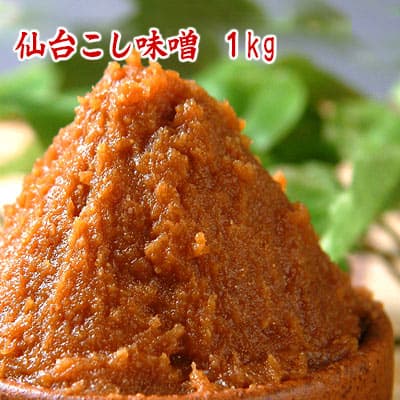
仙台こし味噌 1kg 塩慣れしたキリっと辛口が特徴の仙台味噌 たっぷり使える1kg 米味噌 赤味噌 辛口味噌 糀味噌 漉し味噌 宮城味噌 宮城産 食品 調味料 みそ 赤みそ
1kg, dry/salty生きてるみそ
4.8 / 30 reviews
Japanese name仙台味噌
Miso, soy sauce & fermented seasonings overview
Sendai miso begins with soybeans, rice koji, and salt, then gathers depth through a soy-forward profile, long aging, castle-town memory, and everyday dishes across Miyagi.
Information last updated 120 days ago
3 images仙台こし味噌 1kg 塩慣れしたキリっと辛口が特徴の仙台味噌 たっぷり使える1kg 米味噌 赤味噌 辛口味噌 糀味噌 漉し味噌 宮城味噌 宮城産 食品 調味料 みそ 赤みそ
1kg, dry/salty生きてるみそ
4.8 / 30 reviews
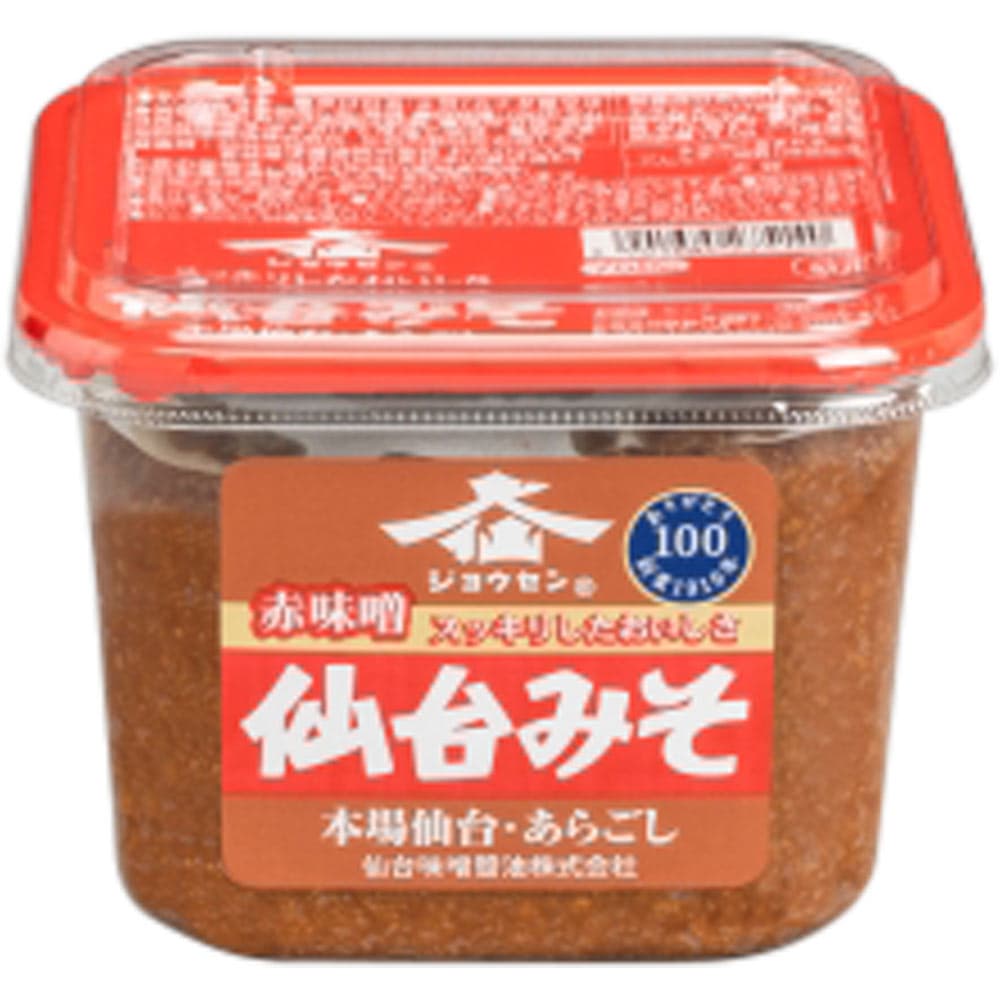
仙台味噌醤油 仙台味噌 上仙 本場仙台味噌 750g
750gマツモトキヨシ楽天市場店
4.7 / 13 reviews
 2 images
【マラソン限定クーポン配布中】仙台味噌醤油 ジョウセン 蔵出し仙台みそ 1kg × 2パック 【 まとめ買い 】
1kg x 2 packsにっぽん津々浦々
5.0 / 6 reviews
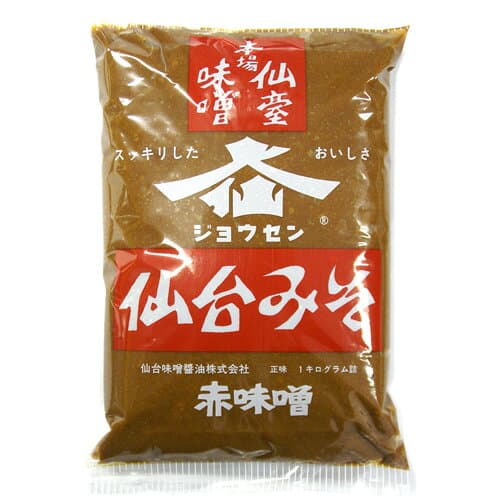
ジョウセン 仙台みそ 赤味噌 1kg 被災地特産品 ミソ 米みそ
1kg飲料食品卸売 ホールセール フジミ
4.3 / 6 reviews
 3 images
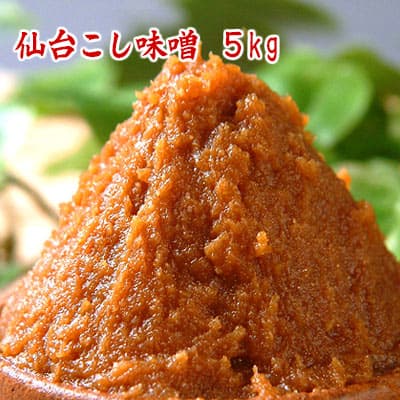
仙台こし味噌 5kg 【送料無料】 塩慣れしたキリっと辛口が特徴の仙台みそ まとめ買いの5kg 米みそ 辛口みそ 麹みそ 漉しみそ 宮城みそ 宮城県産 食品 調味料 みそ 赤みそ 【smtb-t】
5 kg生きてるみそ
4.5 / 4 reviews
First time buying on Rakuten? How residents in Japan order →
All 5 listings of this product on Rakuten, lowest price first.
| Listing | Price | Shop | Reviews | Open listing |
|---|---|---|---|---|
Sendai Miso Shoyu Authentic Sendai Miso Josen 750gLowest price | ¥398 | マツモトキヨシ楽天市場店 | 4.7 / 13 reviews | View on Rakuten → |
Sendai Miso Shoyu Josen Kura-dashi Sendai Miso 1kg x 2 packsValue pick | ¥994 | にっぽん津々浦々 | 5.0 / 6 reviews | View on Rakuten → |
Jousen Sendai Red Rice Miso 1kg | ¥1,161 | 飲料食品卸売 ホールセール フジミ | 4.3 / 6 reviews | View on Rakuten → |
Sendai Strained Miso 1kg, dry/saltyMost reviewed | ¥1,320 | 生きてるみそ | 4.8 / 30 reviews | View on Rakuten → |
Sendai Koshi Miso 5 kgValue pick | ¥6,600 | 生きてるみそ | 4.5 / 4 reviews | View on Rakuten → |
Japanese · new tab
Sendai miso is a Miyagi rice miso made from soybeans, rice koji, and salt. Its profile starts with a high soybean ratio: a dark golden-red sheen, a karakuchi to medium-spicy saltiness, rounded umami, and aroma. Some versions keep soybean particles for texture, while strained types give a smoother mouthfeel.
The ingredient list is direct: soybeans, rice koji, and salt. Rice koji places Sendai miso within rice miso, while the high soybean ratio gives the paste its deep bean aroma and umami. Longer fermentation lets a small amount carry flavor into miso soup and simmered dishes.
Miyagi Prefecture is the main transmission area for Sendai miso, and the Sendai area is described with sunny days, cooler nights, and soil suited to soybeans and rice. The local character is concrete here: Miyagi rice koji, soybeans, salt, and time meet inside the miso vat.
The early reputation is often tied to Date Masamune’s military provisions, with accounts saying the miso drew notice because it resisted summer spoilage during a campaign. A storehouse in the Sendai castle town later supplied the domain’s needs, giving this rice miso a specific place in the city’s food memory.
In the Edo period, the Sendai domain also brewed miso at its Oi residence, and surplus moved into Edo through miso wholesalers. Producer groups in the castle town set rules around making, selling, and labor, so the name Sendai miso traveled through both kitchens and trade routes.
Sendai miso is often described as a long-aged red miso, but it should not be reduced to one fixed formula. The Sendai City survey describes soybean-to-rice-koji ratios from 10:5 to 10:10, commonly around 10:6, and salt moving from about 13.8 percent around Showa 40 toward roughly 11 to 13 percent.
The salty umami moves easily into everyday food. Sendai miso appears in miso soup and simmered dishes, as a seasoning for grilled rice balls, in bakke miso made with chopped fukinoto, walnuts, sugar, and sake for rice or tofu, and in shiso-maki, where miso is kneaded with sesame or walnuts, wrapped in green shiso, and fried.
Continuity now sits in visible maker activity. The Miyagi Miso and Soy Sauce Industrial Cooperative connects member breweries and runs Sendai miso events, appraisal meetings, and outreach lessons, while Miyagi’s miso industry introduced a skill system in 1980 to keep brewing knowledge teachable through practice.
Sendai miso draws its depth from Miyagi soybeans and rice koji, from Sendai’s castle town and the Oi residence in Edo, and from uses that still fit daily meals. In soup, simmered dishes, grilled rice balls, bakke miso, and shiso-maki, its red-miso saltiness carries bean aroma and rounded umami.
Compiled from public records and official sources; see the recognition links below. Details may change over time.
Where this product is officially registered, designated, or recognized in Japan.
Regional collective trademark
Registered as a Regional Collective Trademark with the Japan Patent Office.
Sources1
It is written as 仙台味噌 in Japanese. Search Rakuten and other Japanese sites with that spelling — the English name will not bring up the listings.
Sendai miso is a Miyagi rice miso made from soybeans, rice koji, and salt. It is known for a high soybean ratio, dark golden-red sheen, karakuchi to medium-spicy saltiness, and long-aged red-miso umami. Its history is tied to Date Masamune accounts, a storehouse in the Sendai castle town, and Edo-period brewing at the Oi residence. Everyday uses include miso soup, simmered dishes, grilled rice balls, bakke miso, and shiso-maki.
Sendai miso is a Miyagi rice miso made mainly from soybeans, rice koji, and salt. Sendai miso is described with a high soybean ratio, dark golden-red luster, karakuchi to medium-spicy taste, and long-aged red-miso umami and aroma. Miyagi Prefecture is listed as the main transmission area, and Sendai conditions are described as sunny with cooler nights and soil suited to soybeans and rice. Early-history accounts connect Sendai miso with Date Masamune’s military provisions and a storehouse in the Sendai castle town.
Longer aging and firm salty umami are described as adding depth with a small amount in soup and simmered dishes. A grilled rice ball preparation uses Sendai miso, mirin, and sesame oil. It is generally considered karakuchi but flavorful enough to eat as namemiso, and can be broiled on a wooden spatula.
Storage varies by product — shelf-stable, refrigerated, or frozen — and is stated on the packaging and the Rakuten listing. Shelf-stable processed foods usually need refrigerating once opened and eating within a few days; chilled and frozen items go straight into storage on arrival. Treat the best-before date on the physical packaging as authoritative.
Most options are shelf-stable, boxed, and travel well, so they suit gifting or bringing home. Confirm the final storage and delivery terms on the Rakuten listing.
On Rakuten: the shops listed here right now are 生きてるみそ, マツモトキヨシ楽天市場店, にっぽん津々浦々, 飲料食品卸売 ホールセール フジミ. We don't sell directly; purchase, payment, stock, and delivery are all handled on the Rakuten product page.