 3 images
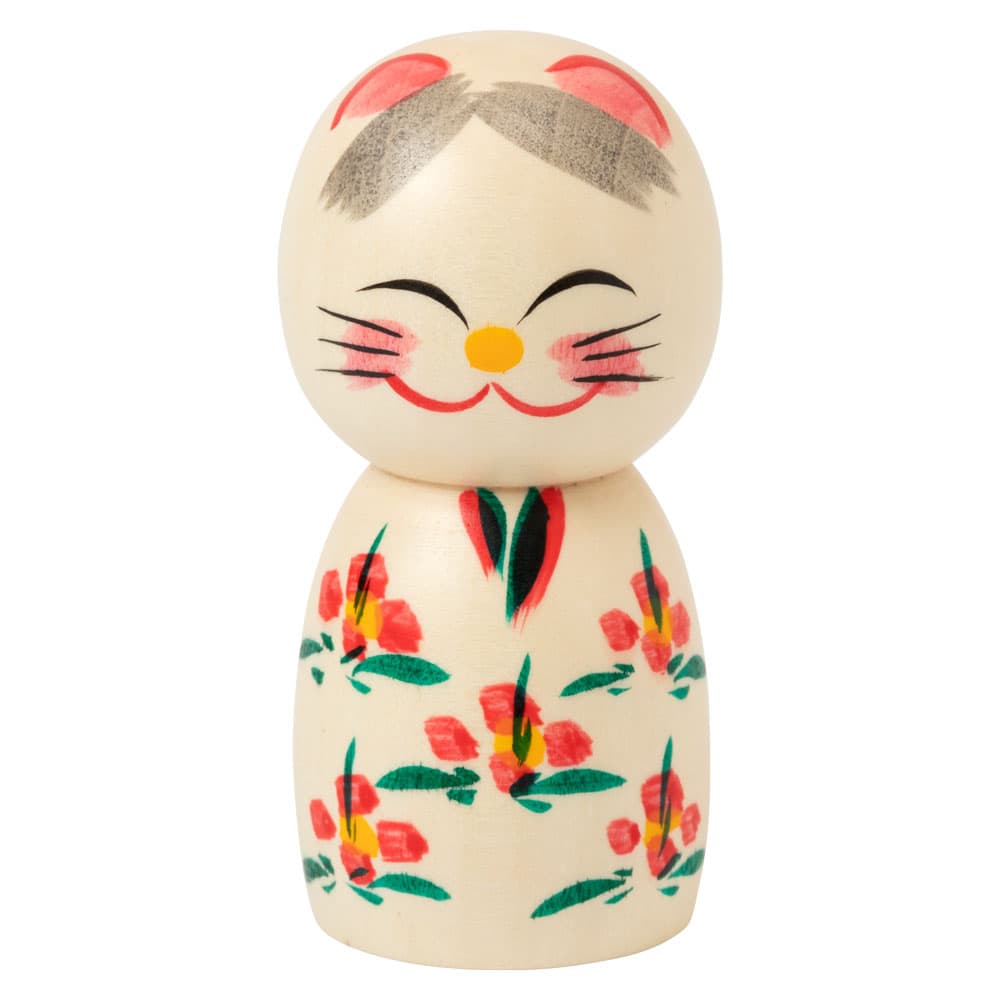
Miyagi Traditional Togatta-Style Cat Kokeshi by Masahiro Hayasaka
宮城伝統こけし 遠刈田系 ねここけし(口閉じ)3寸 作者:早坂政弘 宮城県の工芸品 Kokeshi Miyagi craft
closed mouth, 3 sunこだわりの和雑貨 和敬静寂
Japanese name宮城伝統こけし
Naruko, Togatta, Yajiro, Sakunami, and Hijiori give Miyagi's wooden dolls a map of places, while mizuki, maple, turning, painting, and assembly give the small forms their hands-on character.
Information last updated 120 days ago
3 images宮城伝統こけし 遠刈田系 ねここけし(口閉じ)3寸 作者:早坂政弘 宮城県の工芸品 Kokeshi Miyagi craft
closed mouth, 3 sunこだわりの和雑貨 和敬静寂
 3 images
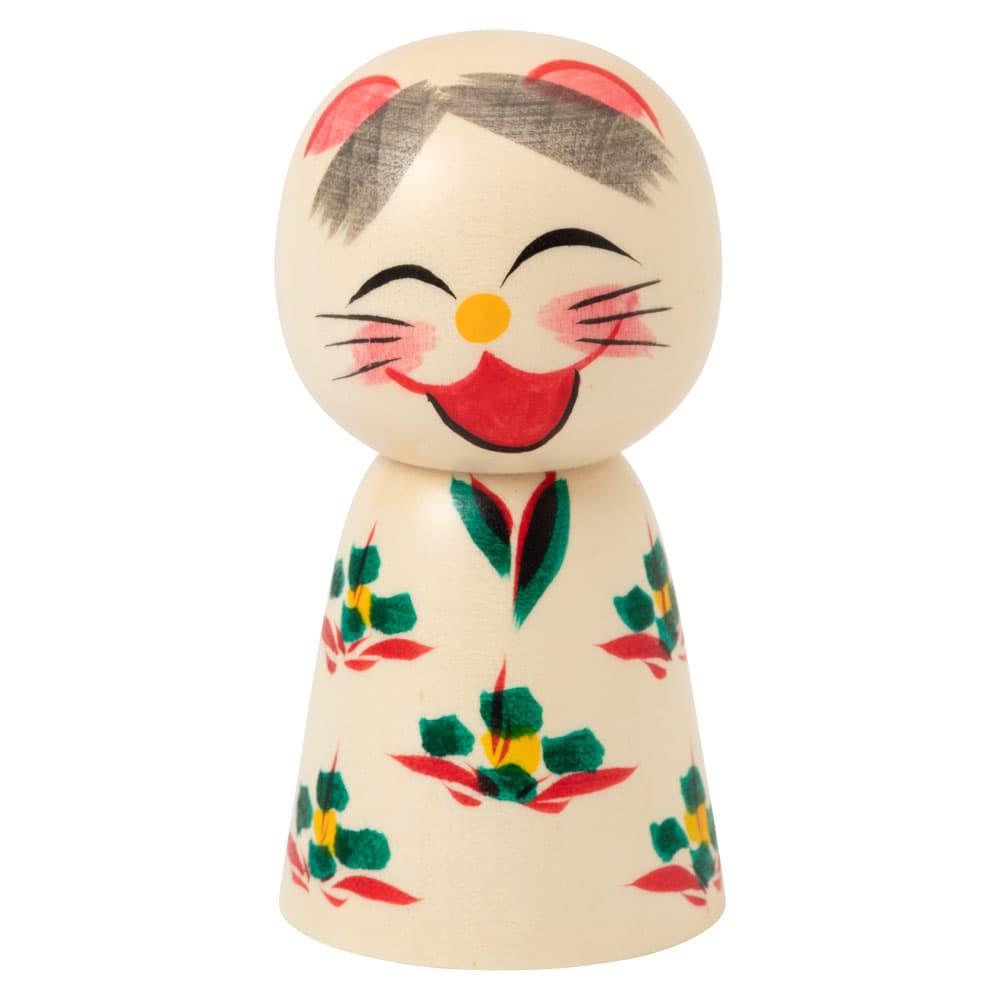
宮城伝統こけし 遠刈田系 ねここけし(口開き)3寸 作者:早坂政弘 宮城県の工芸品 Kokeshi Miyagi craft
open mouth, 3 sunこだわりの和雑貨 和敬静寂
First time buying on Rakuten? How residents in Japan order →
Miyagi traditional kokeshi are wooden dolls from Tohoku, shaped in Miyagi through five lineages: Naruko, Togatta, Yajiro, Sakunami, and Hijiori. Their early setting reaches back to Tohoku hot-spring areas, where traditional kokeshi are said to have appeared around the late Edo period as souvenirs for children. The production area named for this family includes Sendai City, Shiroishi City, Zao Town, and the former Naruko Town area of Osaki City. The work begins with mizuki and maple woods, then moves through wood cutting, rough turning, finishing turning, painted decoration, and assembly.
Naruko, Togatta, Yajiro, Sakunami, and Hijiori are the five lineages of Miyagi traditional kokeshi. Their names keep the wooden dolls tied to real places in the prefecture, including Sendai, Shiroishi, Zao, and the former Naruko area of Osaki, so the family is understood through a map as well as through a rounded head and cylindrical body.
The five lineages carry difference through shape and pattern. Miyagi traditional kokeshi are known for simplified form, a clear and delicate presence, and distinctive shapes and motifs that continue through the lineages. In concrete terms, that continuity appears as turned wood, painted surfaces, and place names held in a small wooden doll.
Traditional kokeshi are said to have begun around the late Edo period in Tohoku hot-spring areas as souvenirs for children. That setting gives the doll a practical human scene: a traveler in a hot-spring town, a small wooden figure carried home, and a child receiving an object shaped for the hand.
For Miyagi traditional kokeshi, the early hot-spring setting sits beside the five lineages of Naruko, Togatta, Yajiro, Sakunami, and Hijiori. The craft's cultural meaning is easiest to see through those concrete parts: bathing places in Tohoku, children's souvenirs, and wood turned and painted into a compact human form.
The materials for Miyagi traditional kokeshi include mizuki, itaya maple, and urihadakaede maple. The making sequence begins with cutting the wood, moves through rough turning and finishing turning, and continues to painted decoration and assembly, so plain timber gradually becomes a doll with a head, body, lines, and face.
Each step gives the simple form its order. Cutting sets up the material, rough turning and finishing turning define the silhouette, painting places the lineage's motifs on the surface, and assembly brings the worked parts together into a wooden doll that can be held, viewed, and recognized as Miyagi kokeshi.
Miyagi traditional kokeshi are valued for simplified form, a clean and delicate appearance, and distinctive shapes and patterns. The visual language is concrete: a rounded head, a cylindrical body, painted lines, and proportions shaped by turning before the surface receives its decoration.
The five product names, Naruko, Togatta, Yajiro, Sakunami, and Hijiori, give readers a way to look at differences with care. Local character here means place names inside Miyagi, forms worked on the lathe, patterns placed on the wood, and five lineages that share one craft family.
Naruko-style kokeshi have a neck that turns and makes a squeaking sound when rotated. This is a Naruko detail, and the boundary matters because the sound belongs to one lineage within the wider Miyagi family.
The former Naruko Town area of Osaki City is also part of the production area for Miyagi traditional kokeshi. When the place name Naruko is connected with hot springs, wooden dolls, and a turning neck, the craft becomes easy to remember through one small action: fingers rotate the head, and the wood answers with sound.
Miyagi has places and organizations connected with viewing or hands-on experience, including the Japan Kokeshi Museum, Miyagi Zao Kokeshi Museum, and Yajiro Kokeshi Village. These names move the craft from a category into rooms, displays, village settings, and activities where wood, tools, and finished dolls can be approached together.
For a first encounter with Miyagi traditional kokeshi, the places create a useful path: Sendai, Shiroishi, Zao, and the former Naruko area. The five lineages create a way to compare, and the materials and steps, from mizuki wood to painting and assembly, give the eye something concrete to follow.
Miyagi traditional kokeshi are clearest when seen through their concrete anchors: five named lineages, a production area reaching Sendai, Shiroishi, Zao, and the former Naruko area, mizuki and maple woods, the sequence from cutting to assembly, and the squeaking turning neck of Naruko-style dolls. From children's souvenirs in Tohoku hot-spring areas to museums and hands-on settings in Miyagi, these wooden dolls keep place, material, and hand process close together.
Compiled from public records and official sources; see the recognition links below. Details may change over time.
Where this product is officially registered, designated, or recognized in Japan.
Traditional craft
Designated a Traditional Craft (dentō kōgeihin) by Japan's Ministry of Economy, Trade and Industry.
Sources1
It is written as 宮城伝統こけし in Japanese. Search Rakuten and other Japanese sites with that spelling — the English name will not bring up the listings.
Miyagi traditional kokeshi are Tohoku wooden dolls said to have originated around the late Edo period in Tohoku hot-spring areas as souvenirs for children. Today they are grouped into five lineages: Naruko, Togatta, Yajiro, Sakunami, and Hijiori, with production centered in Sendai, Shiroishi, Zao, and the former Naruko area of Osaki.
Materials used include mizuki, itaya maple, and urihadakaede maple. The main making steps are wood cutting, rough turning, finishing turning, painted decoration, and assembly. Miyagi traditional kokeshi are associated with simplified form, a clean and delicate appearance, and distinctive shapes and patterns particular to each lineage.
Naruko-style kokeshi have a turning neck that makes a squeaking sound when turned. In Miyagi, the Japan Kokeshi Museum, Miyagi Zao Kokeshi Museum, and Yajiro Kokeshi Village offer viewing and some paid hands-on experiences.
Keep craft pieces out of direct sunlight, damp, and sharp temperature swings, and store them where they won't knock against anything. Wood, bamboo, lacquer, and paper don't tolerate water — wipe any moisture off immediately. Specific care notes are on the listing.
Most options are shelf-stable, boxed, and travel well, so they suit gifting or bringing home. Confirm the final storage and delivery terms on the Rakuten listing.
On Rakuten: the shops listed here right now are こだわりの和雑貨 和敬静寂. We don't sell directly; purchase, payment, stock, and delivery are all handled on the Rakuten product page.